
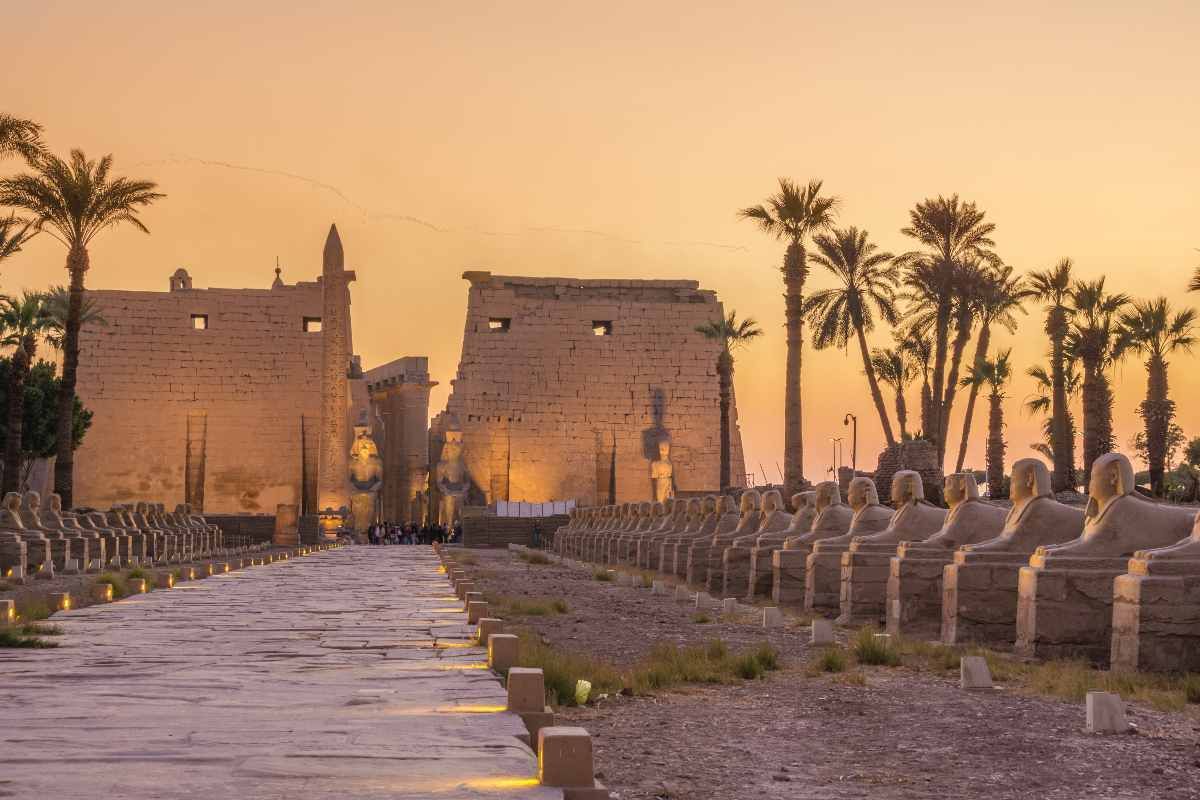
Avenue of Sphinxes
A 2.7-kilometre processional road between Karnak and Luxor Temple, lined with more than a thousand sphinxes and rams.
The road of the gods
The Avenue of Sphinxes — in Arabic Tariq al-Kebbash, "the road of the rams" — is the ancient processional way that linked the temples of Karnak and Luxor, about 2.7 kilometres apart. Each year during the Opet festival, the statues of Amun, Mut and Khonsu were carried along it in their sacred barques amid music, offerings and crowds. The avenue was laid out in stages: it is associated with Amenhotep III and later rulers of the New Kingdom, and most of the human-headed sphinxes visible today bear the name of Nectanebo I, a king of the Thirtieth Dynasty in the fourth century BC, who rebuilt the route on a grand scale. Near Karnak, the sphinxes give way to rams, the animal of Amun.
Lost and found
Over the centuries the avenue disappeared under sand, silt and the houses of the growing town. The first sphinxes were uncovered near Luxor Temple in 1949 by the Egyptian archaeologist Mohammed Zakaria Ghoneim, and excavations continued in stages over the following decades, involving the removal of modern buildings along the route. Egyptologists estimate that the avenue originally held around 1,350 statues; about 1,057 have been located and restored — roughly 807 human-headed sphinxes and 250 ram-headed figures — making it one of the largest concentrations of monumental sculpture in Egypt.
Reopening
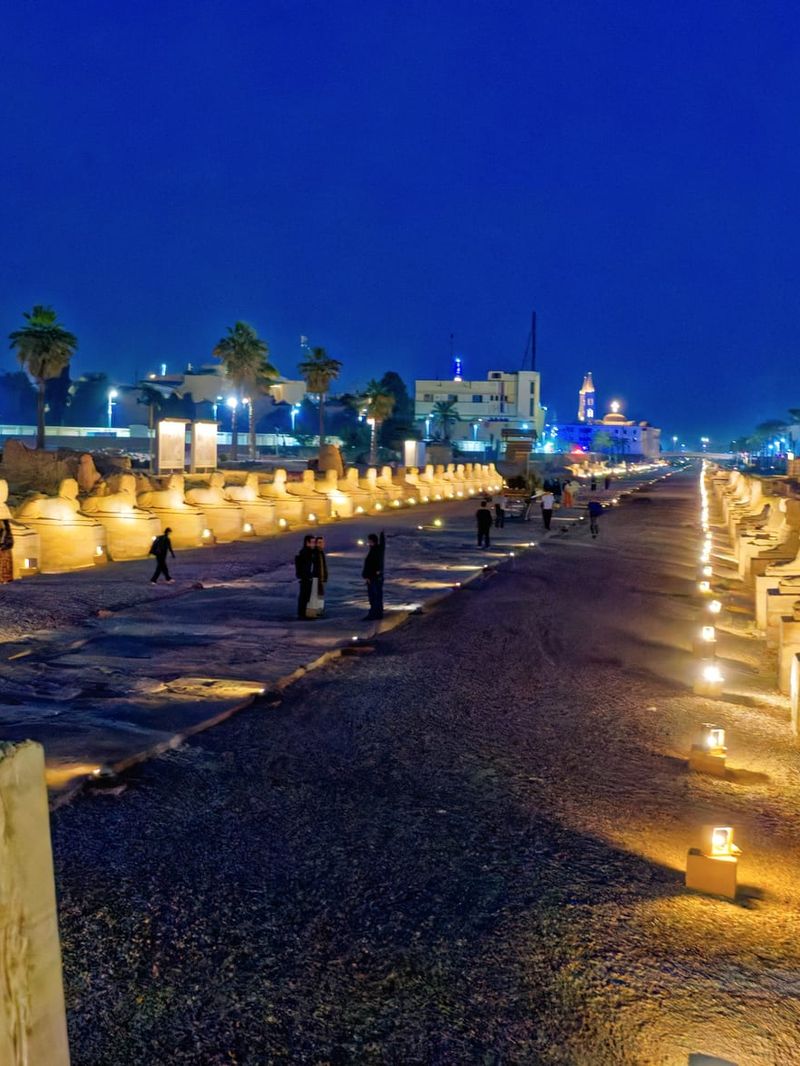
On 25 November 2021, after more than seven decades of excavation and restoration, the avenue was formally reopened in a televised ceremony that included a re-enactment of the Opet procession. Visitors can now walk its restored sections between the two temples; the stretch near Luxor Temple is illuminated after dark.
Exhibo editorial
Walk it in the evening, starting at Luxor Temple. The sphinxes line up on either side as far as you can see, lit from below, their faces worn smooth by two and a half thousand years of weather, and the city's traffic rumbles past just beyond the railings. It is a strange, wonderful collision of ancient pomp and modern Luxor.
You don't need to walk the whole 2.7 kilometres — the first stretch from Luxor Temple gives you the scale and the magic. But if you do go all the way to Karnak, you will be following, step by step, the route the gods themselves took every year in procession. Few walks in the world carry that much weight so lightly.
Gallery
How to find it
Start at the north entrance of Luxor Temple, where the restored avenue begins, and walk north towards Karnak. Alternatively, join it from the Karnak end near the first pylon. The full length takes about an hour on foot; shorter sections from either end are worthwhile on their own.
News by Exhibo
Editorial coverage on Exhibo
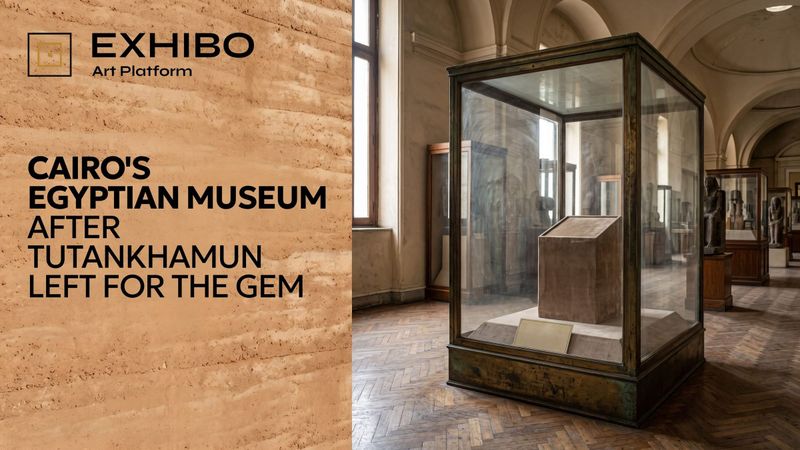
The House Whose Famous Guests All Moved Out
When Tutankhamun's mask left Cairo's Egyptian Museum for the Grand Egyptian Museum, it took the crowds with it — but not the collection. What remains in the old building on Tahrir Square turns out to be a stranger and more interesting museum than the one that emptied.
For most of a century, the golden mask of Tutankhamun stood behind glass on the upper floor of the Egyptian Museum in Cairo. In October 2025 it was driven out to Giza, and it was not the only thing to go: the royal mummies, the whole Tutankhamun collection, tens of thousands of objects have left the old museum for Egypt's gleaming new institutions.
Unearthing the Golden City: Daily Life in Ancient Egypt
How a newly excavated workers' quarter reframes pharaonic history
A major survey travels to the West Coast, bringing ancient artefacts that shift focus from royal opulence to the daily lives of those who built the empire.
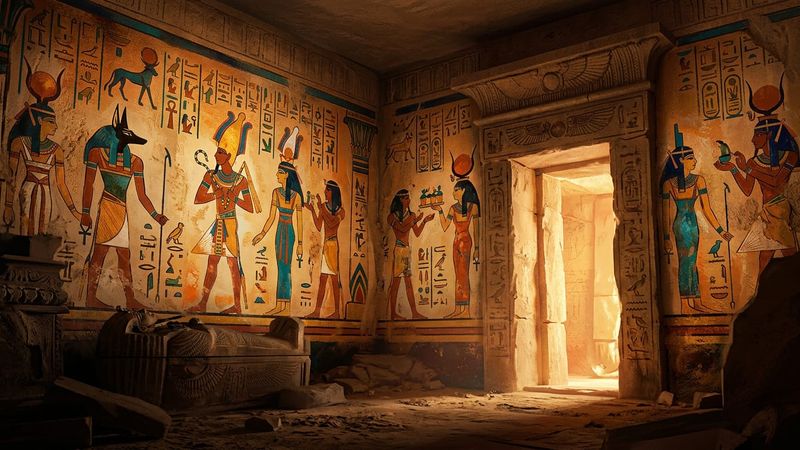
Ancient Egyptian Tomb with Vibrant Murals Unearthed in Luxor
Dutch excavation reveals well-preserved Ramesside period burial with rare coloured wall paintings
Archaeologists have uncovered a 3,000-year-old tomb on Luxor's west bank featuring brightly painted murals that provide valuable insights into elite burial practices during Egypt's New Kingdom period.