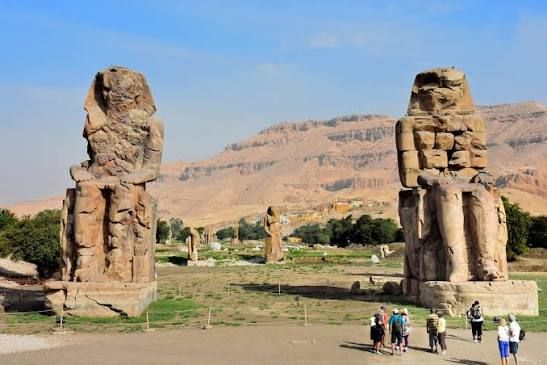
Colossi of Memnon
Two 18-metre statues of Amenhotep III guarding a vanished temple — the 'singing statues' of the Roman world.
Luxor
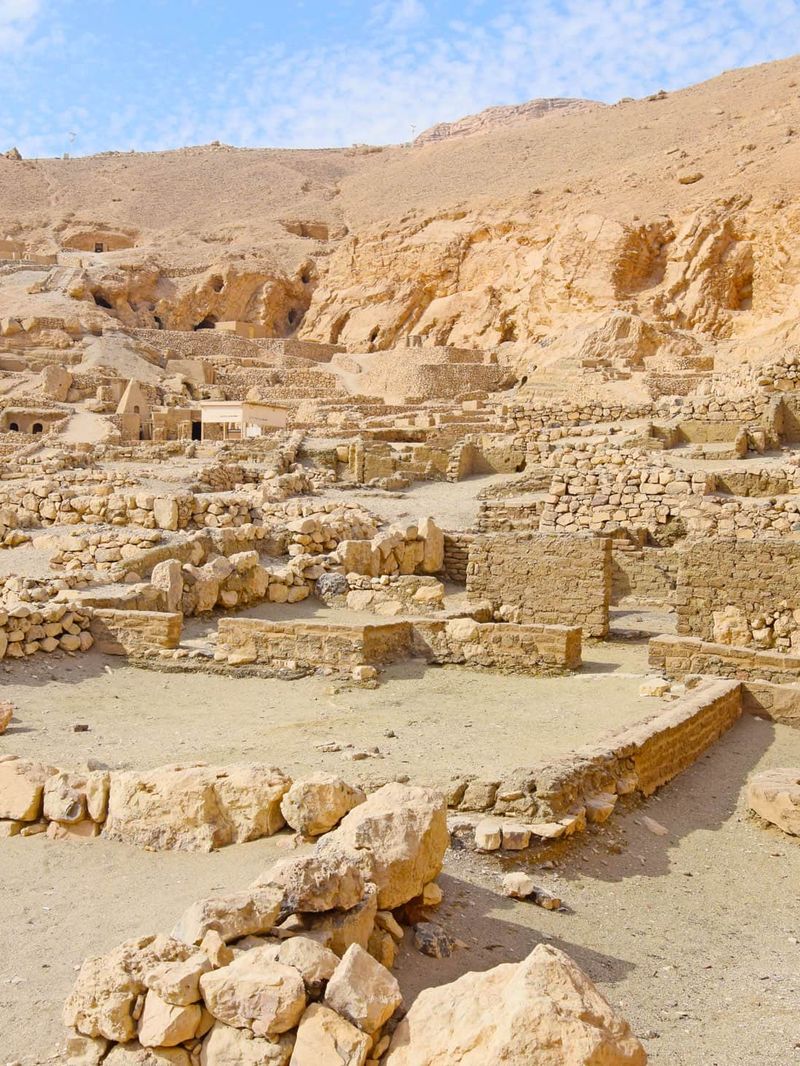
Deir el-Medina (Village of the Tomb Builders)
The village of the artists who carved and painted the royal tombs — with their own jewel-like painted tombs and a Ptolemaic temple.
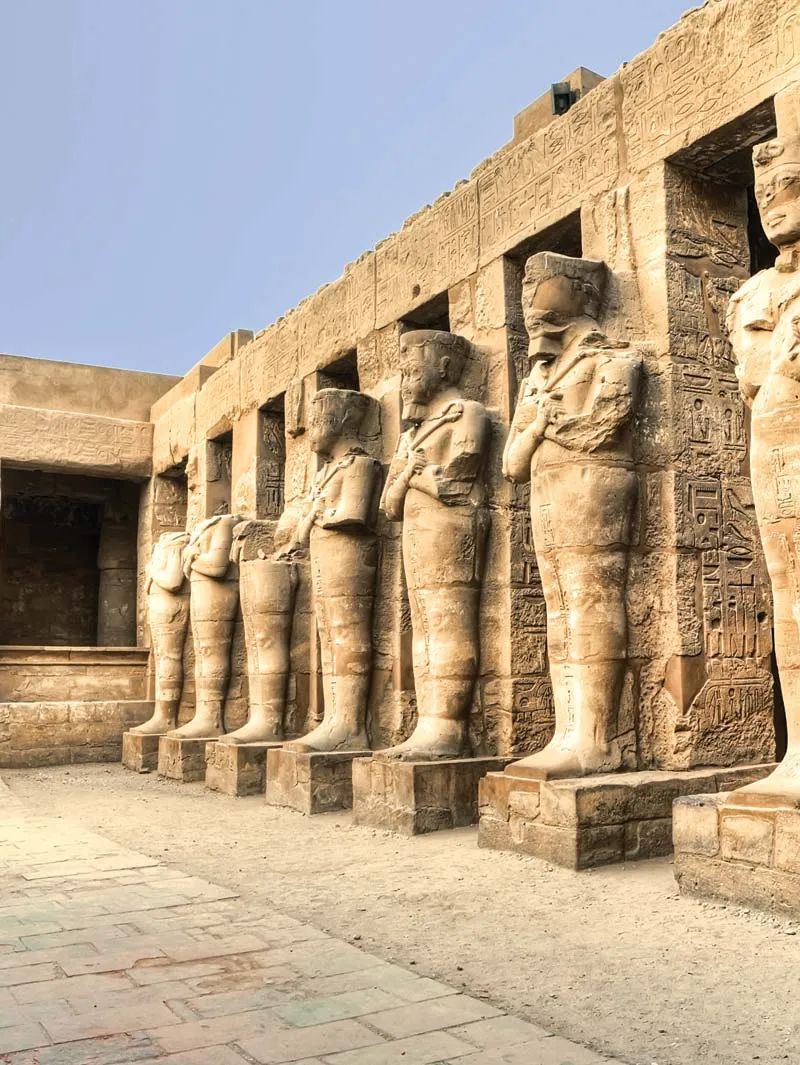
Karnak Temple Complex
The vast sanctuary of Amun, built and rebuilt over two thousand years — the largest religious complex of the ancient world.
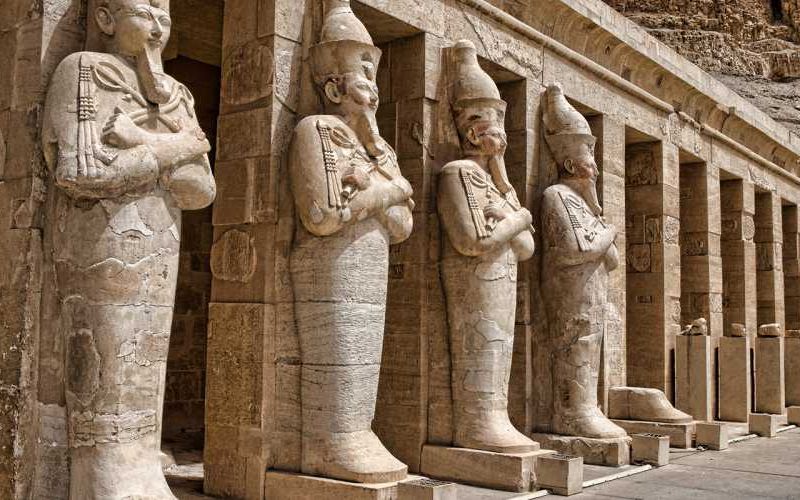
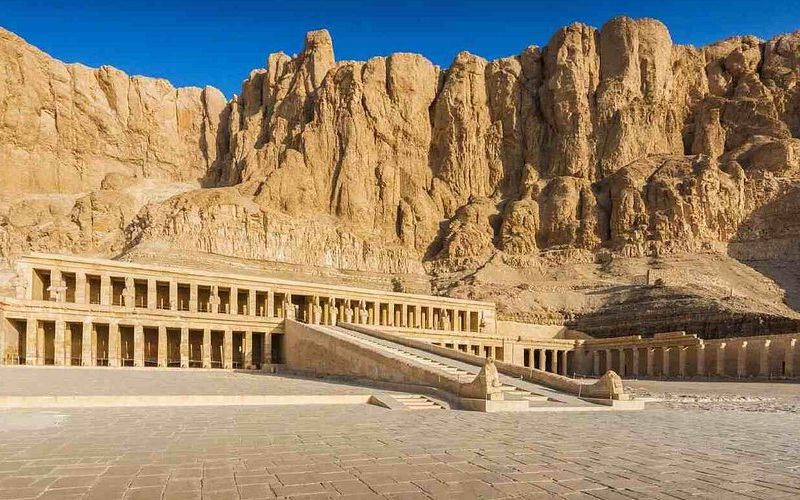
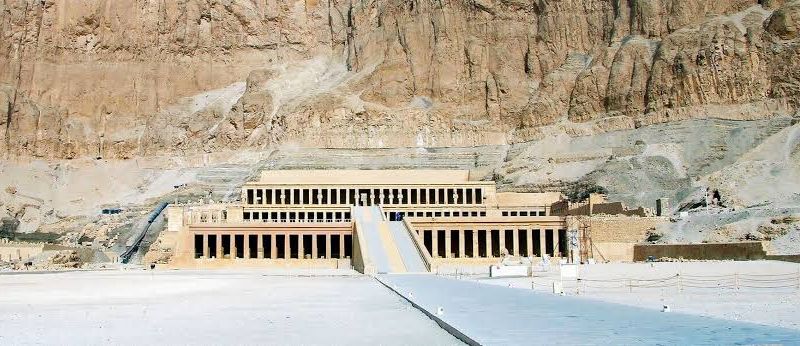
Temple of Hatshepsut (Deir el-Bahari)
The terraced temple of Egypt's great woman pharaoh, set against the cliffs of the west bank — with the reliefs of the expedition to Punt.
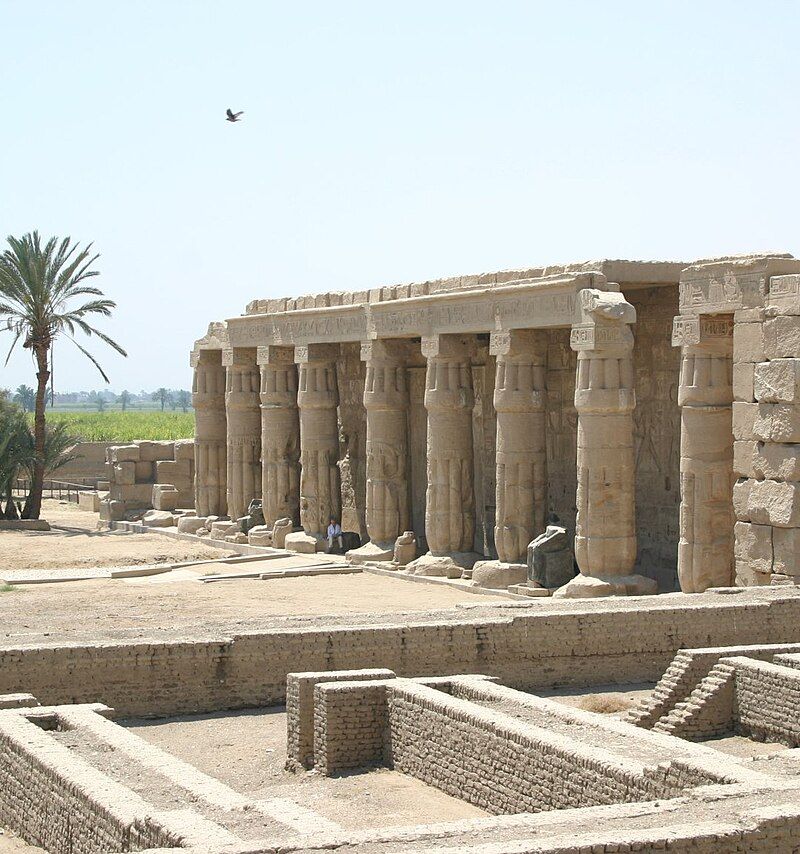
Temple of Seti I at Qurna
The mortuary temple of Seti I at the northern edge of the west bank — refined reliefs and almost no visitors.
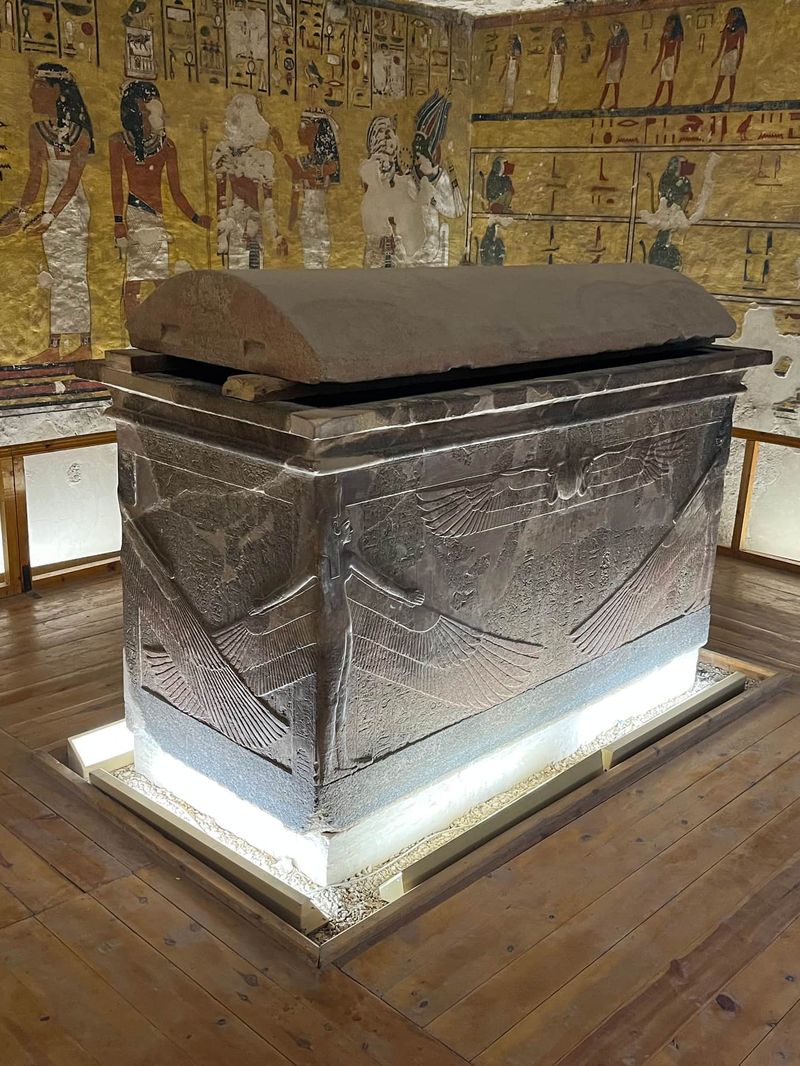
Tomb of Ay (West Valley of the Kings)
The tomb of Tutankhamun's successor in the remote West Valley — with a rare hunting scene in the marshes.
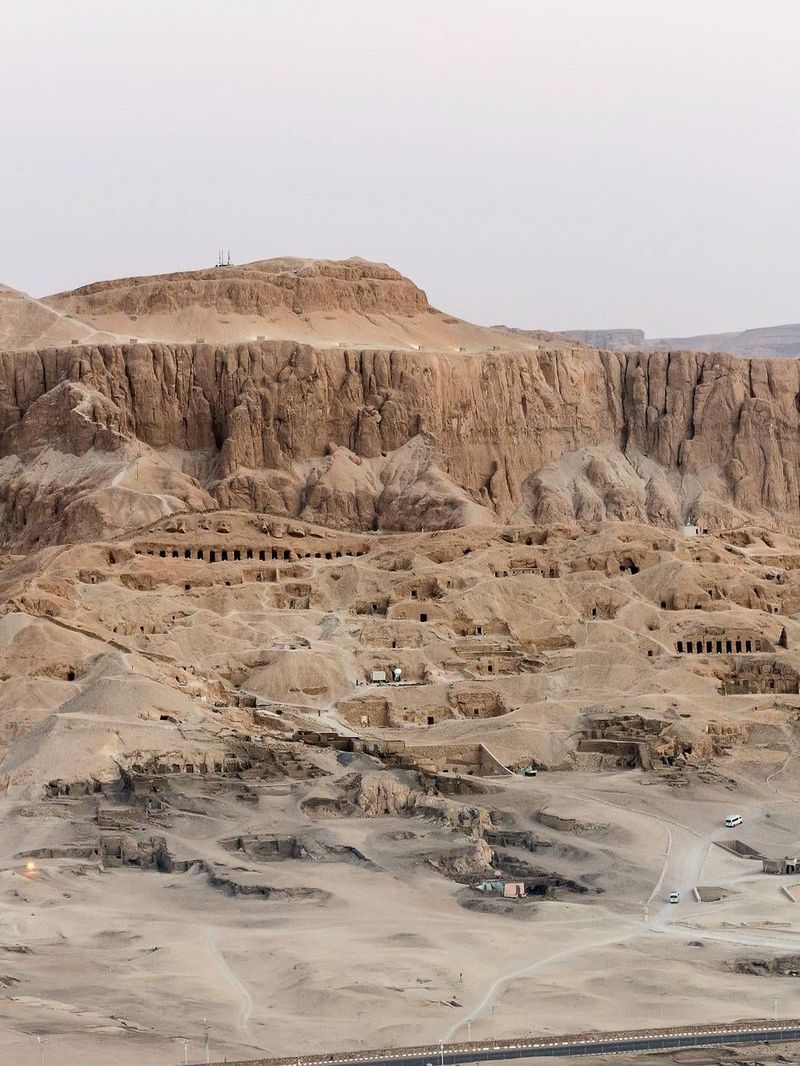
Tombs of the Nobles (Sheikh Abd el-Qurna and el-Khokha)
The liveliest painting of ancient Egypt — banquets, harvests, craftsmen and hunts in the tombs of Theban officials.
Valley of the Kings
The hidden royal necropolis of the New Kingdom — painted tombs of Seti I, Ramesses VI and Tutankhamun under a pyramid-shaped peak.
Valley of the Queens
The necropolis of queens and royal children on the west bank — home of Nefertari's tomb and the colourful tombs of Ramesses III's sons.
← Back to city guide