
New Gourna Village (Hassan Fathy)
Hassan Fathy's mud-brick village of the 1940s — the birthplace of 'architecture for the poor'.
A village for Gurna
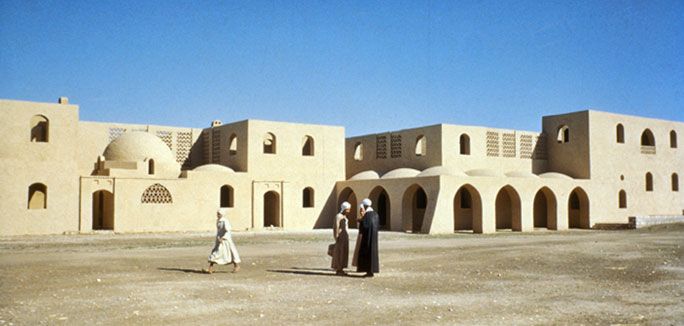
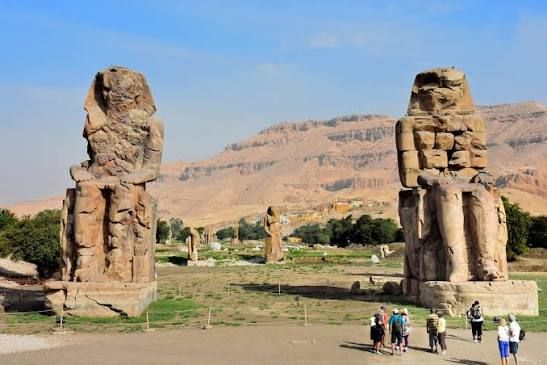
New Gourna (Gourna al-Gadida) is a village on Luxor's west bank, near the Colossi of Memnon, designed by the Egyptian architect Hassan Fathy and built between 1945 and 1948. It was commissioned by the Egyptian Department of Antiquities to rehouse the inhabitants of Old Gurna, a village built over the Tombs of the Nobles, whose residents were accused of looting the ancient tombs. Fathy saw the project as an opportunity to build a model village for rural Egypt using local materials and traditional techniques.
Architecture from the earth
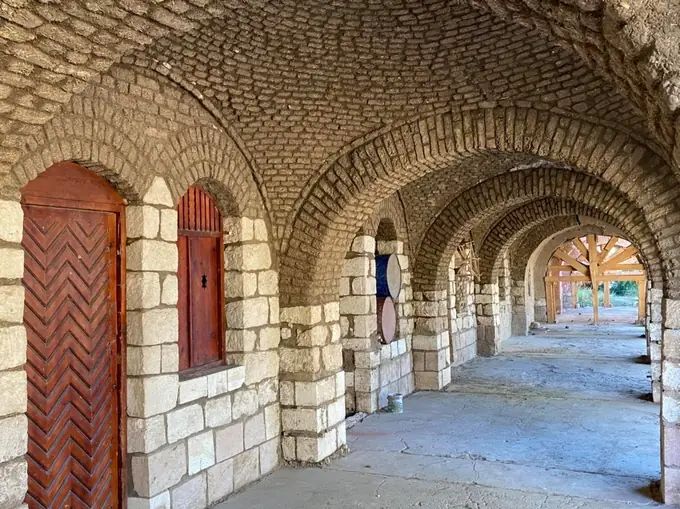
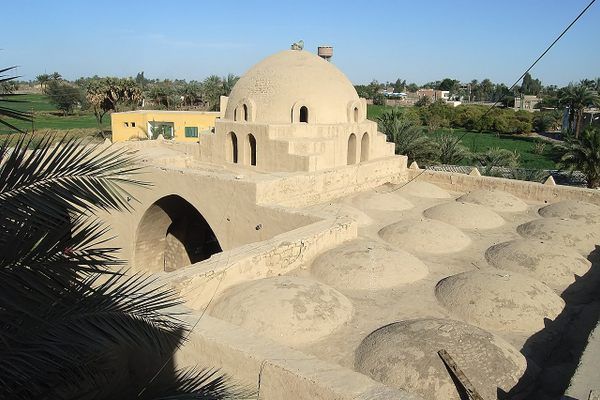
Fathy built New Gourna in sun-dried mud brick, using Nubian techniques of vaults and domes constructed without wooden centring, which he had studied in the villages of Aswan. His design included houses with courtyards, a mosque, a market (khan), a theatre, a school and craft workshops, organised in quarters for the different family groups, with features adapted to the hot climate such as malqafs (wind catchers), thick walls and shaded courtyards. He involved the future inhabitants in the design and aimed to train local builders, so that villagers could build their own homes cheaply.
Legacy
The project was only partly completed: many residents of Old Gurna refused to move, and the work stopped in 1948. Fathy described the experience in his book Architecture for the Poor (first published as Gourna: A Tale of Two Villages in 1969), which became one of the most influential texts in twentieth-century architecture and made him a pioneer of sustainable, community-based building; he received the Aga Khan Chairman's Award for Architecture in 1980. Since 2010 UNESCO has supported efforts to safeguard the village, whose surviving buildings, including the mosque, the khan and some houses, have suffered from neglect and alterations. New Gourna is part of the area of the UNESCO World Heritage Site of Ancient Thebes.
Exhibo editorial
Walk into New Gourna and it takes a moment to see it: the village has grown, been rebuilt, painted, extended with concrete. Then you notice the mosque with its mud-brick dome, the arcades of the old market, a house with a wind catcher, and the original idea comes back into focus — a village built from the earth beneath it, by and for the people who would live there.
It matters far beyond Luxor. Fathy's book about this place changed how architects think about poverty, climate and community, from Africa to New Mexico. Come in the late afternoon, walk slowly, be respectful of residents' homes, and see where an idea that is still shaping architecture began.
Gallery
How to find it
New Gourna lies just off the main West Bank road near the Colossi of Memnon, about 3 km from the Nile crossing. Ask a taxi for Gourna al-Gadida or the Hassan Fathy mosque; from the mosque, walk around the old market (khan) and the surrounding lanes to see the original mud-brick buildings.
Similar places
All places
News by Exhibo
Editorial coverage on Exhibo
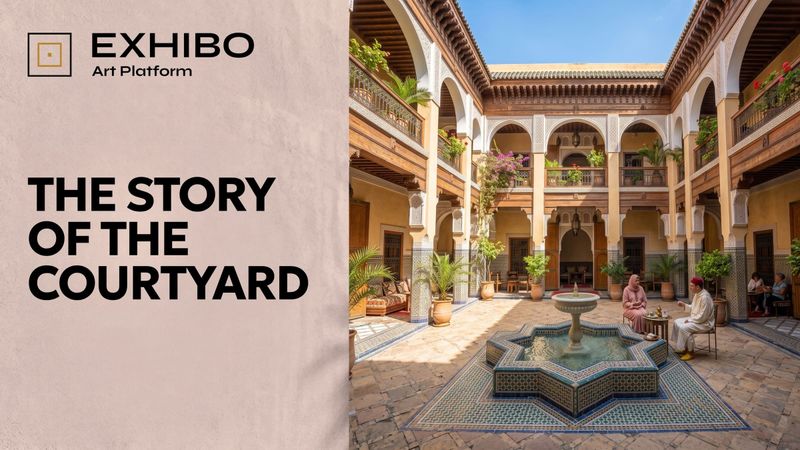
Why North African Cities Turn Inward: The Story of the Courtyard
A courtyard plan far older than Islam turned North African houses — and the medinas built from them — to face inward. Climate and religion only half-explain why, and what finally displaced the courtyard says the rest.
The blank walls and inward courtyards of Fez, Tunis, Algiers and Cairo are usually explained by heat or religion. Both are true; neither is the whole story. The clue is in what eventually pushed the courtyard out of the modern city.
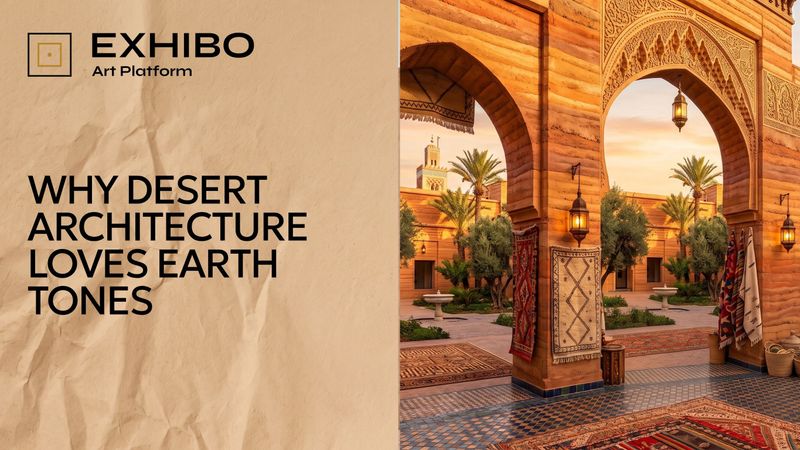
Why Desert Architecture Loves Earth Tones
In the deserts of North Africa and Arabia, ochre and terracotta were never a palette choice — they were what the wall was made of.
In most cities, colour is something you apply. In the old desert towns it was something you excavated — the red of Marrakech, the brown of Shibam and the gold of Diriyah all pulled straight from the ground underfoot. From iron-oxide chemistry to Hassan Fathy to the rammed-earth revival in Saudi Arabia, this is the story of a colour that outlived the place it came from.
Unearthing the Golden City: Daily Life in Ancient Egypt
How a newly excavated workers' quarter reframes pharaonic history
A major survey travels to the West Coast, bringing ancient artefacts that shift focus from royal opulence to the daily lives of those who built the empire.