Hatta Falaj
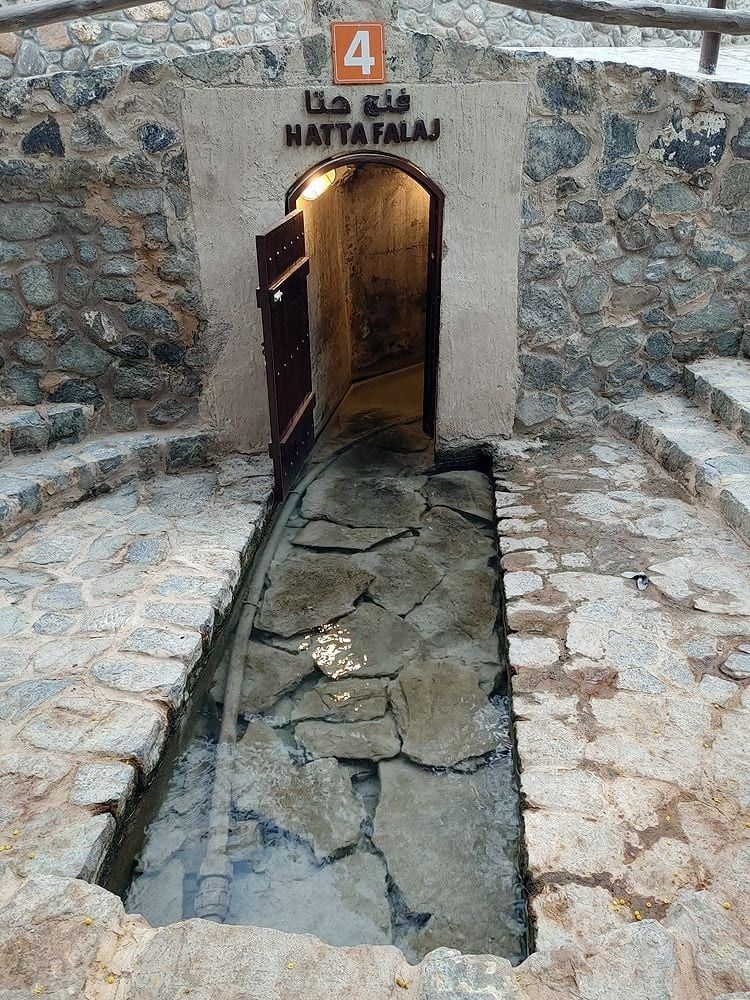
A hand-dug water tunnel 550 metres long that carried mountain water to the palm gardens of Hatta.
Water from the mountain
In the dry Hajar Mountains, settled life depended on one thing: bringing water from where it lay to where crops could grow. The answer across south-east Arabia was the falaj, a channel that carries groundwater or spring water by gravity, often underground, from the hills to the fields. The aflaj of neighbouring Oman are inscribed on the UNESCO World Heritage List.
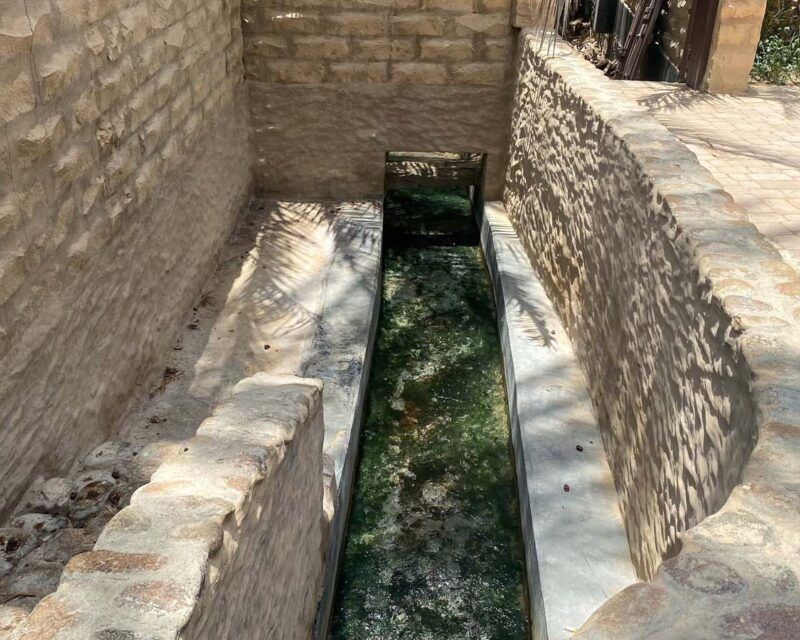
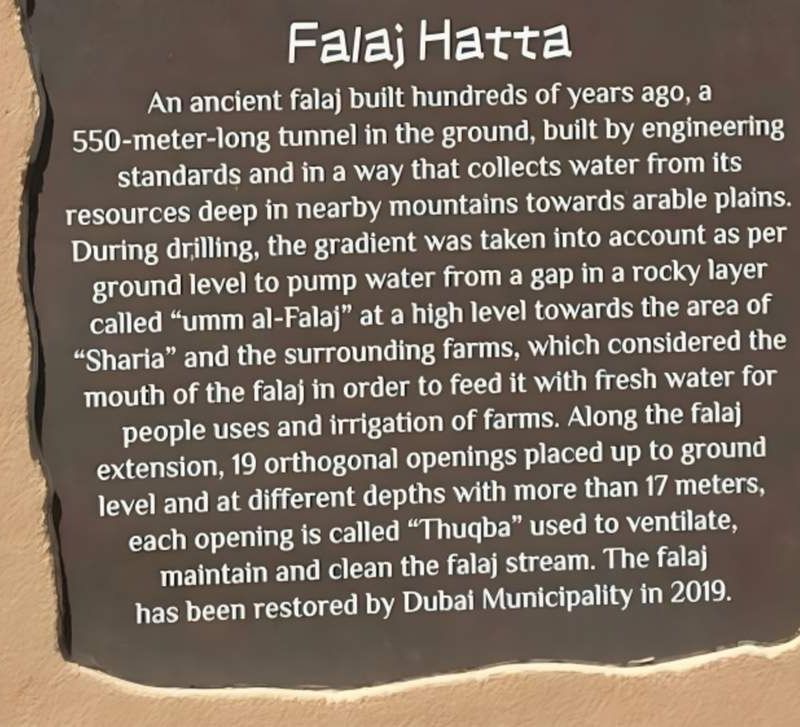
Hatta's falaj is an underground tunnel about 550 metres long. It begins at a place called Umm al-Falaj, the mother of the falaj, where its builders tapped water held in a gap in the rock deep in the nearby mountains. From there the tunnel runs at a steady gradient down to Al Sheraa, the mouth of the falaj, where the water came out into the open to serve the people of the village and irrigate the surrounding farms and palm gardens.
Shafts along the way
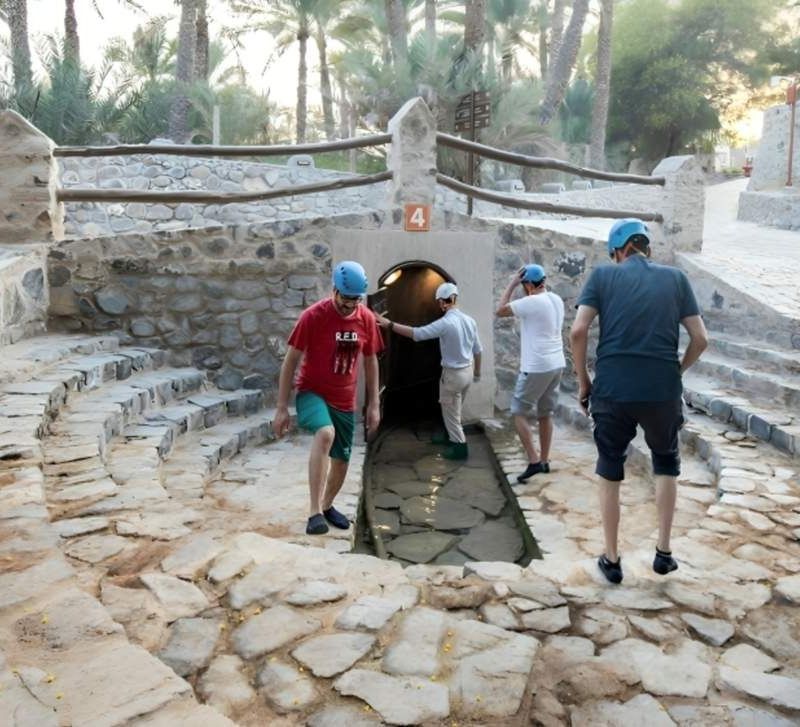
Along its course the tunnel is reached by a line of vertical shafts, sunk from the surface at different depths. Each opening is known as a thuqba. Through them the diggers brought out the rock and earth. Later they let air into the tunnel so that it could be inspected, repaired and cleaned of silt. The falaj is said to be several centuries old.
Restored and open
Dubai Municipality restored the falaj in 2019. Visitors can now walk down stone steps into the tunnel and follow the water along part of its course. The falaj links the two heritage sites at the heart of Hatta: it feeds the palm gardens of the Al Sheraa Heritage Area with its old mosque, below the restored houses and fort of Hatta Heritage Village.
Exhibo editorial
Most heritage sites in the Gulf ask you to look. This one asks you to duck. You go down the steps, the air cools and you are walking beside the water that kept Hatta alive.
The clever part is invisible. Somebody, with no instruments we would recognise, worked out a slope that would carry water half a kilometre through rock without stopping or flooding. Every palm in the valley below is a footnote to that calculation.
Gallery
How to find it
The falaj is in Al Sheraa, next to Hatta Heritage Village in the centre of Hatta, about 115 km south-east of central Dubai by the E44. Park at the heritage village and follow the signs to Al Sheraa and the falaj; the tunnel entrance is reached down stone steps. Wear shoes you do not mind getting wet.
Similar places
All places
News by Exhibo
Editorial coverage on Exhibo
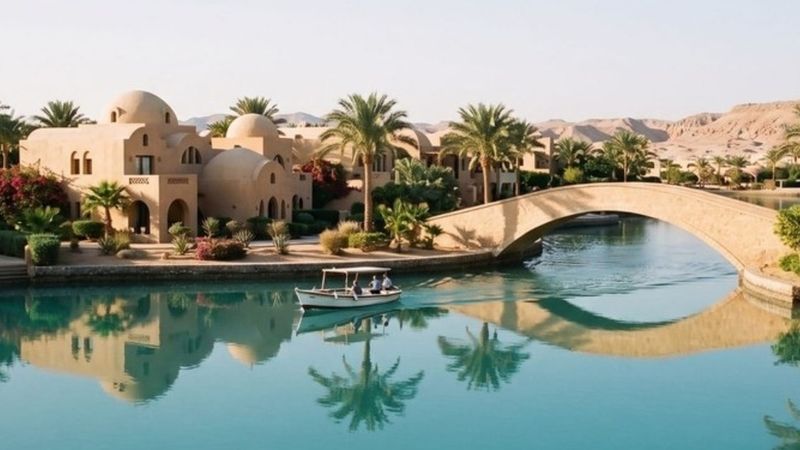
Why the Middle East Keeps Building Venice
From the Red Sea to the Gulf, canal towns keep getting called Venice. The water was usually about something else — and Venice was never quite Venice either.
The Middle East is full of “Venices”. Most began as a way to manufacture shoreline; the name usually arrived later, in English, from the people selling it.
Elie Khouri's New Foundation Takes Shape in Dubai
A private villa in Jumeirah 1 becomes the home for Ekaf
Collector Elie Khouri transforms a historic Jumeirah 1 residence into a contemporary art venue opening in 2028.
Filmed, but Not Recorded: The Arab World’s Missing Film Locations
Wikidata knows Gladiator was filmed in Morocco. It doesn’t know where.
Ouarzazate is the second most filmed place in the Middle East and North Africa, yet 25 of its 27 productions are recorded only in Wikipedia prose. We compared filming records worldwide and found that in the Arab world, Wikidata usually knows the country but not the place.