Monastery of Abu Sefein (St Mercurius)
A walled Coptic complex of medieval churches north of the Babylon Fortress, long a residence of the patriarchs.
The double-sworded saint
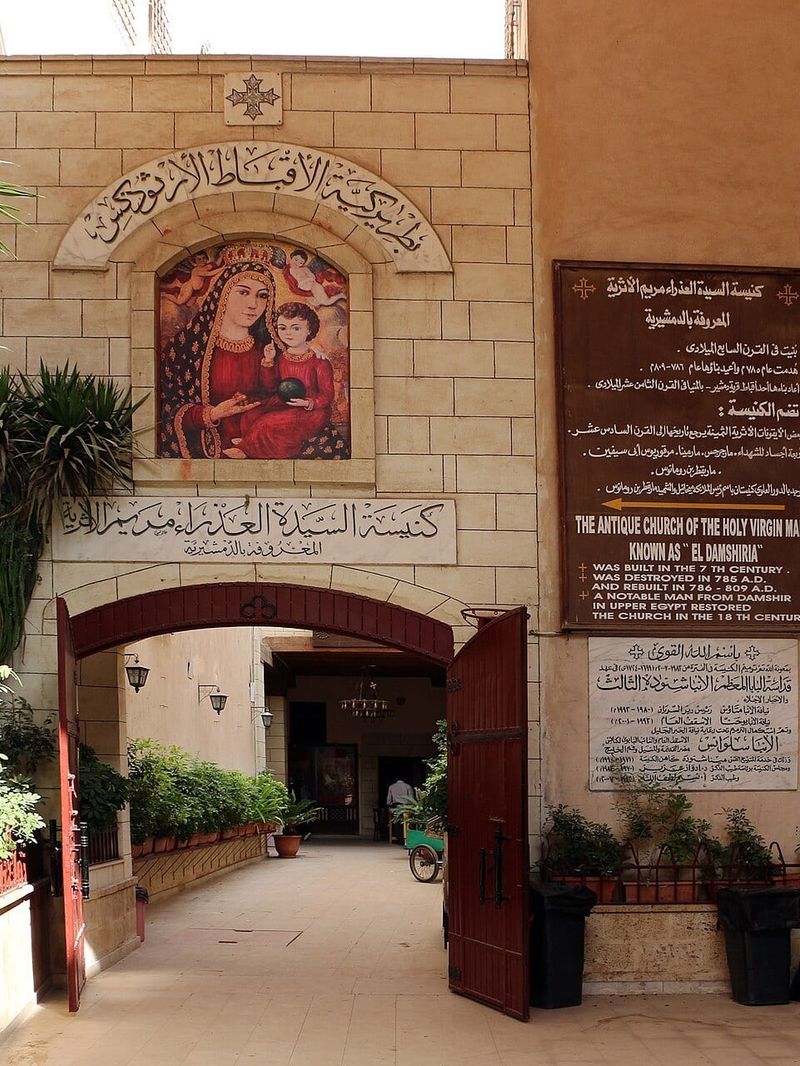
The Monastery of Abu Sefein is a walled complex of Coptic churches a short distance north of the Babylon Fortress in Old Cairo. Its principal church is dedicated to St Philopater Mercurius, a Roman soldier-martyr of the third century known in Arabic as Abu Sefein, "the father of two swords", after the vision in which an angel gave him a second, heavenly sword. The complex also contains the Church of Anba Shenouda and the Church of the Virgin and is home to a community of Coptic nuns.
History
The Church of St Mercurius is among the most important churches of medieval Cairo. It was rebuilt several times over its history: at one point it was demolished and used as a sugarcane store before being restored; in 1168 it was burned to the ground during the destruction of Fustat, when the city was set alight to keep it from Crusader armies and it was rebuilt by 1176. Like other Coptic churches of Old Cairo, it was repaired and rebuilt time and again over the centuries, often reusing its wood and stonework. From the eleventh to the fifteenth century many Coptic patriarchs resided here and later patriarchs were consecrated in the church in the sixteenth and eighteenth centuries.
Inside
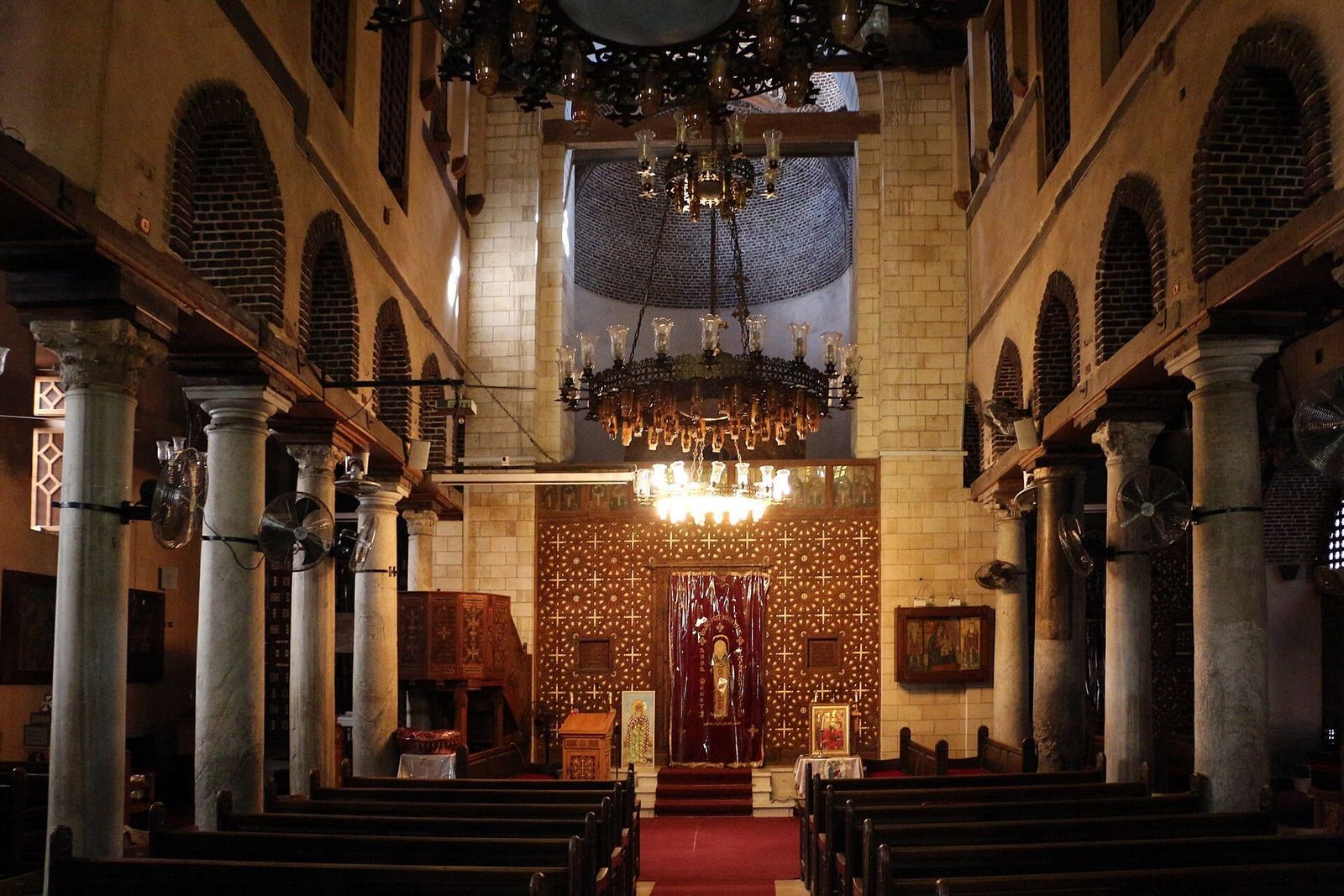
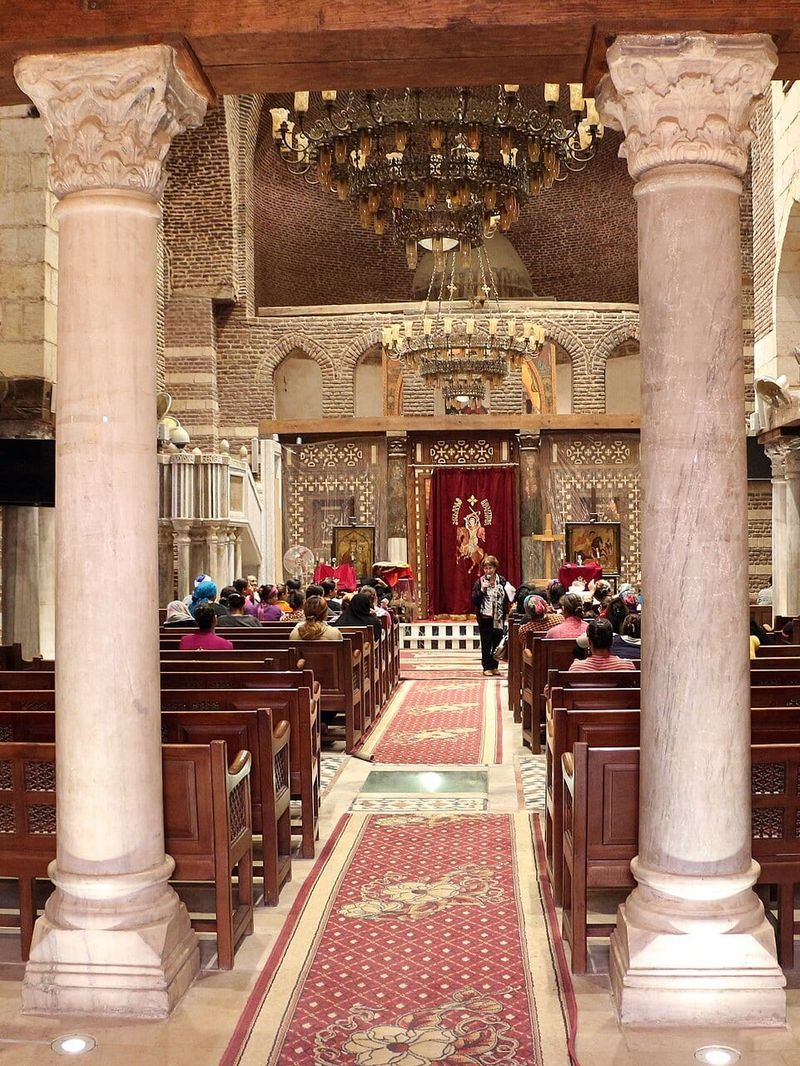
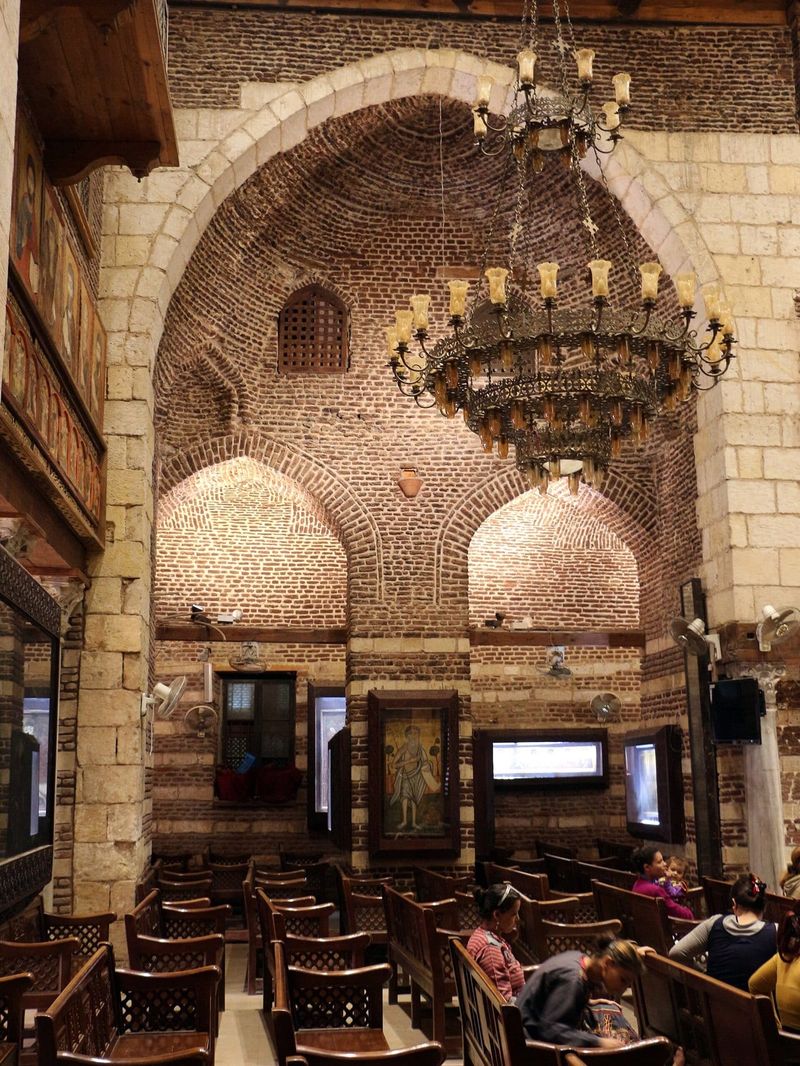
The church of St Mercurius is a basilica divided by columns into a nave and aisles, with a gallery above and its sanctuaries are closed by fine screens of inlaid wood. It preserves a large collection of icons, many of the eighteenth century and traces of medieval wall paintings. Quieter and far less visited than the churches inside the fortress, the complex offers a sense of the living Coptic tradition of Old Cairo. It lies within the UNESCO World Heritage Site of Historic Cairo.
Exhibo editorial
Most visitors finish Coptic Cairo inside the fortress walls and never walk the few minutes north to Abu Sefein. That is exactly why to go. Behind a plain gate is a small walled world of churches and courtyards, nuns crossing between buildings, candles burning in front of the double-sworded saint, almost no tourists at all.
The church itself is dark, dense and old, its screens inlaid with ivory, its icons layered over centuries. This is a place where the Copts rebuilt their church again and again after fire and demolition. Go late morning, keep your voice down and let the place show you that Old Cairo is not a museum.
Gallery
How to find it
A short walk north of the Babylon Fortress and Mar Girgis metro station along Mar Girgis Street. The monastery is behind a plain gate in a walled enclosure.
Similar places
All places
News by Exhibo
Editorial coverage on Exhibo
The Museum of Everything That Became a Tomb
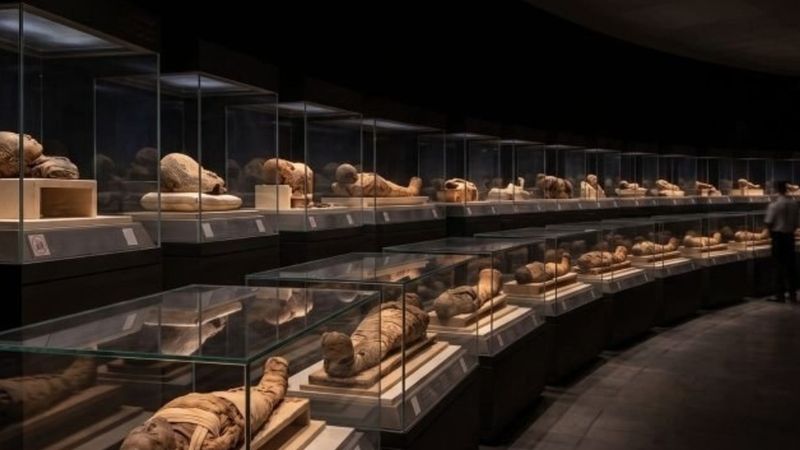
Egypt built a museum to tell the story of an entire civilisation — seven thousand years of it, from flint tools to the present. The public knows it for one thing: the room where twenty dead kings lie in the dark.
In a black, hushed hall beneath the National Museum of Egyptian Civilization in Old Cairo lie the mummified bodies of Ramesses II, Hatshepsut, and eighteen other rulers of the New Kingdom — carried here in 2021 in a televised parade watched around the world.
Agatha Christie's Egypt: Three Abu Simbels, a Pharaoh and a Murder on the Nile
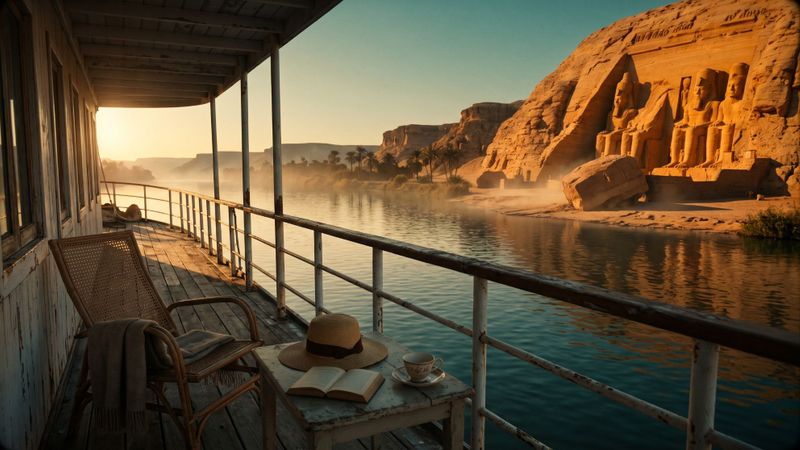
Christie set one famous murder on the Nile and two lesser-known stories in ancient Egypt. The temples, letters and film sets behind all three.
The Abu Simbel of Death on the Nile has since moved up a hill. Christie's two other Egyptian stories lead to a pharaoh's dismantled temples at Karnak and a farmer's 4,000-year-old letters now in New York.
The Real Oasis of The Alchemist: Al-Fayoum and the Dream Coelho Borrowed
Paulo Coelho sent his shepherd to a real place in Egypt. What Santiago would have found there and where the story of the treasure at home came from.
Santiago's oasis is real. Al-Fayoum lies 100 km from Cairo, with Roman-era painted portraits, a temple on the caravan road and a dream story centuries older than Coelho.