News

The Courtauld Gallery

Editorial from Exhibo and official announcements from The Courtauld Gallery.

News by Exhibo

Editorial coverage on Exhibo

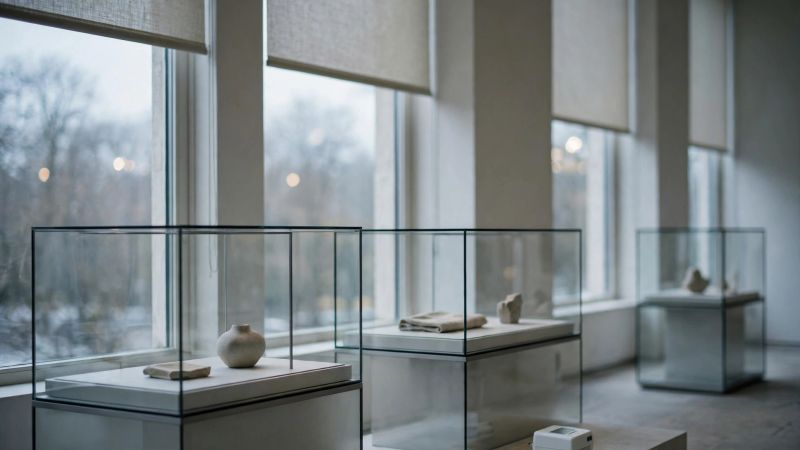
Dim museum gallery with lowered blinds, sealed display cases and a small climate sensor on a plinth, cool north light, no readable labels
Guide

Preventive Conservation, Explained

How museums slow collection damage with climate, pests and risk, using sourced ranges rather than a single 50% RH target

Staff keep collections usable by managing climate, pests, storage and risk at room scale. This guide sets out ICOM-CC and AIC definitions, CCI’s ten agents of deterioration, and museum humidity, temperature and light bands with their source caveats. It covers risk ranking, historic-house limits, monitoring costs and when to hire a specialist.

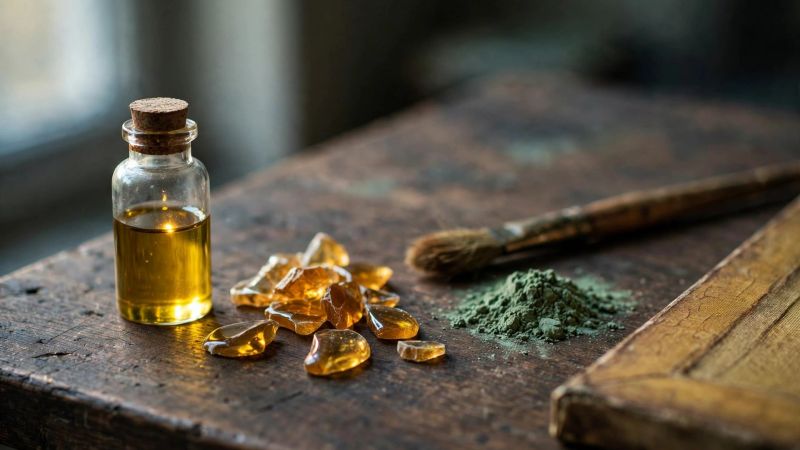
Close-up of linseed oil, amber resin tears and green copper pigment on a scarred oak bench, with a yellowed varnish film catching raking light
Guide

Why Paintings Darken and Yellow

Linseed oil, aged varnish, dirt and unstable pigments each yellow or darken a picture, and cleaning reverses only some of those changes

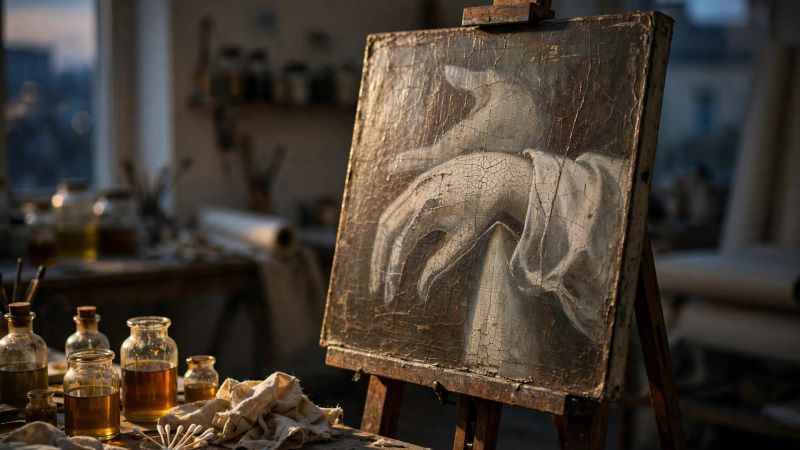
Old pictures look brown for mixed reasons: soot, oxidised varnish, yellowed linseed oil, and pigments that have changed in the film. Conservators can lift dirt and later varnish in many cases. They cannot restore copper greens gone brown or lead white turned transparent. The chemistry, the history of noticing it, and the limits of treatment.

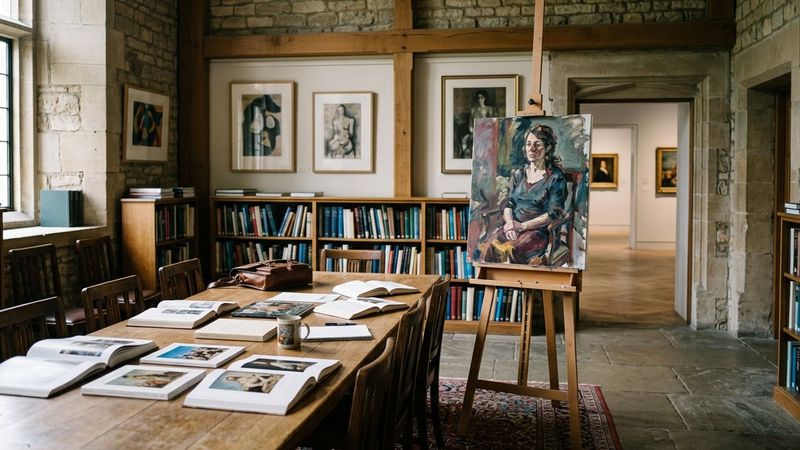
Sunlit museum study room with a large table, open reference books and a framed painting on an easel, viewed across empty chairs
Guide

Studying Art History: What It Involves

Art history degree explained: modules, assessed skills, BA/MA/PhD routes, indicative fees, and studio versus history paths

An art history degree trains you to look, research and argue about images, objects and buildings in historical context. This guide covers typical curricula, the skills departments assess, BA through PhD paths, studio versus history distinctions, indicative fees, and when specialised curating or conservation programmes make more sense than a general degree.