Abu Dhabi

Al Ain Heritage

0 galleries · 6 museums · 1 place

About this district

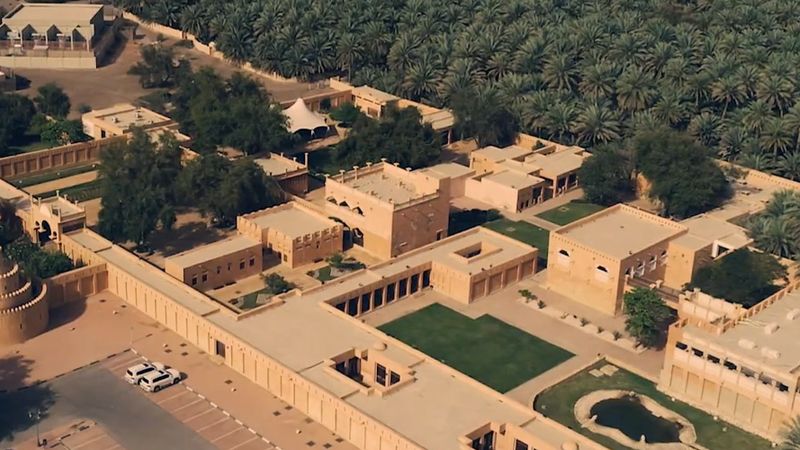
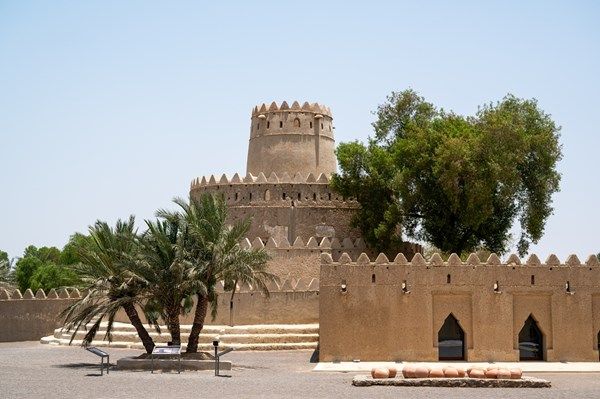
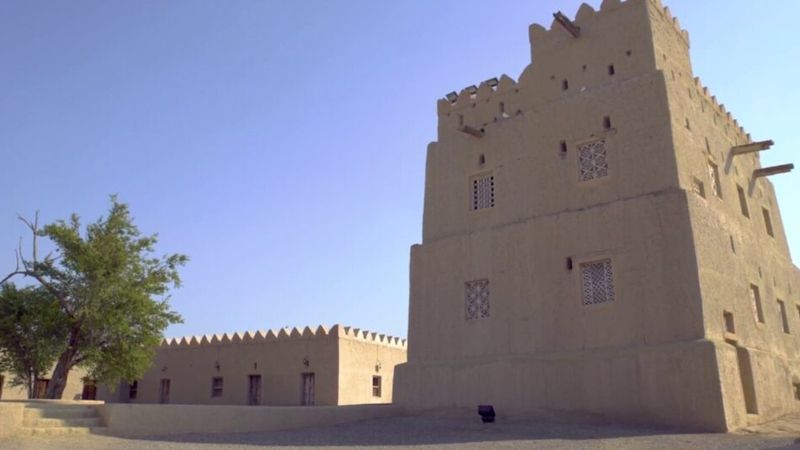
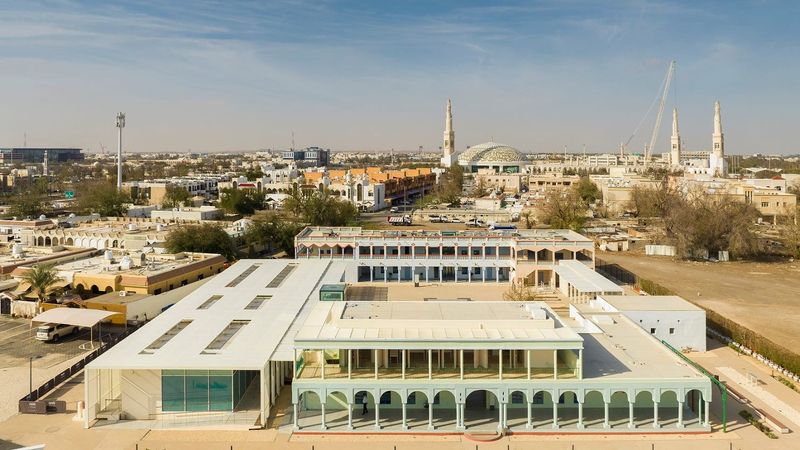
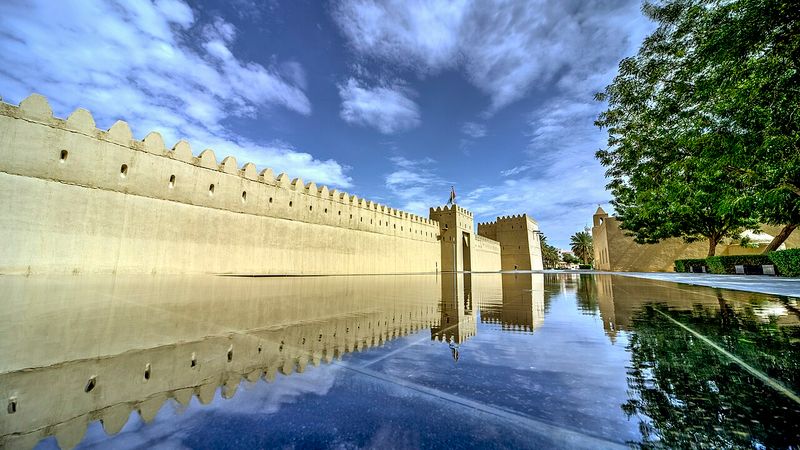
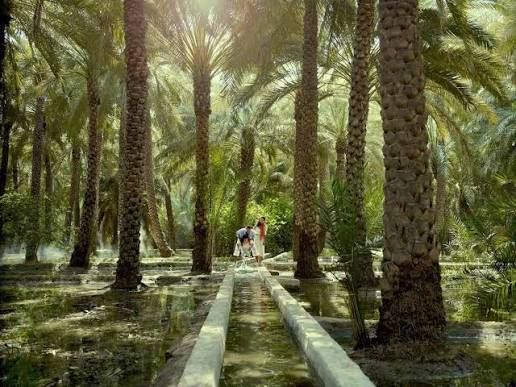
The garden city inland, about an hour and a half from the capital near the Omani border — an oasis city of date palms, mud-brick forts and UNESCO-listed archaeology, and the first home of Sheikh Zayed bin Sultan Al Nahyan. Forts, oases and an arts centre inside a restored tower house, spread across a city you drive between. A full day, comfortably.

Galleries

No published galleries in this district yet.

Museums

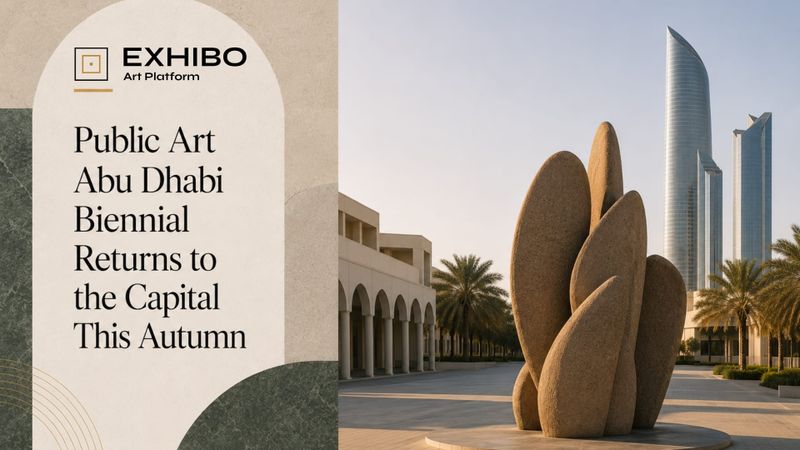
Public Art Abu Dhabi Biennial Returns to the Capital This Autumn

Public Art Abu Dhabi Biennial Returns to the Capital This Autumn

The second edition of the emirate-wide public art event opens in Al Ain in October and Abu Dhabi in November, led by former MACBA director Elvira Dyangani Ose under the theme "Home: A Glossary for a Communal Sense of Place."

The second edition of the Public Art Abu Dhabi Biennial opens in Al Ain on 23 October 2026 and in the capital on 15 November, running into February 2027. Curated by former MACBA director Elvira Dyangani Ose under the theme "Home: A Glossary for a Communal Sense of Place," the free, citywide programme builds on the acclaimed inaugural edition, several of whose works have since become permanent public installations.

A host pours Arabic coffee from a dallah into a small handle-less finjan cup in a majlis
Editorial

The Coffee Ritual That Ran the Desert

A cup of coffee in the desert was a contract, a test, a truce, and a promise of protection — a whole social order in the tilt of a small white cup.

Among the Bedouin of Arabia, serving coffee was never just hospitality — it was a code. The order of the cups, the amount poured, the shake of the wrist that says enough: a whole unwritten language for turning a dangerous stranger into a guest, and sometimes an ally. The story of Arabic coffee as the social law of the desert — and how it lives on in the region's museums and art.

Aerial view of central Abu Dhabi showing its wide arterial roads and rectangular superblocks, towers lining the perimeters with lower buildings
Editorial

Why Abu Dhabi Has So Much Empty Space

The wide roads and open blocks of the capital look like the luxury of a place with land to spare. They are closer to the opposite — a set of deliberate decisions about planning, land and time, made on an island that was never as limitless as it feels.

The easy explanation is desert plus oil money: room to spread and the means to spread into it. But space is not what a city has — it is what a city decides to do with what it has. Abu Dhabi's emptiness turns out to be almost entirely decided: a modernist grid, a founder who wanted straight roads so the capital could be reached quickly, a land system with no yearly tax and no deadline, a vast greening programme. The room was the plan.

The deep rust-red mega-dunes of the Liwa crescent in the Empty Quarter, rising in smooth ridges under clear sky, with a thin line of green date palms at their base
Editorial

Why Liwa Is Red

The red of the world's tallest dunes isn't a fact about the sand — it's a record of everywhere the sand has been. A drowned sea, an ice-age wind and a buried green Arabia, all pressed into a single colour.

Everyone knows why Liwa is red: iron in the sand. It's true the way "the Gulf is white to reflect heat" is true — the first sentence of a much longer story. The red is a microscopically thin coat of rust on grains of clear quartz, and where those grains came from is almost impossible to picture from the dunes: the floor of a sea that no longer exists, lifted grain by grain and stacked three hundred metres high.