Tehran

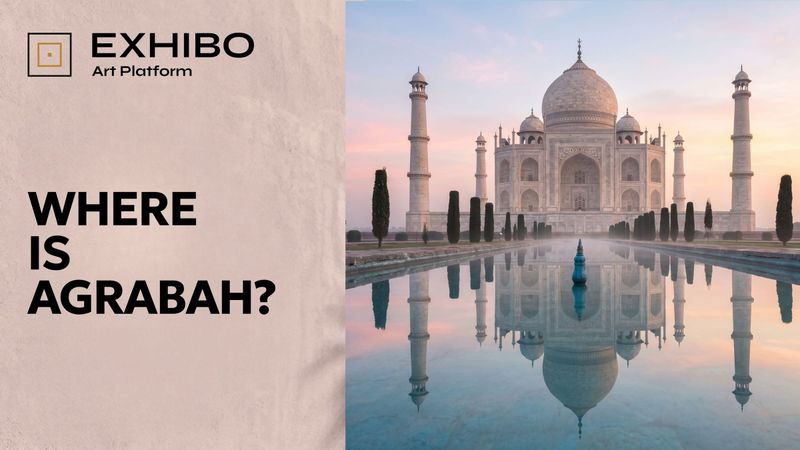
The white marble dome and framing minarets of the Taj Mahal in Agra, mirrored in the still water of its reflecting pool at dawn.
Editorial

Where Is Agrabah? The City Disney Assembled From Real Places

Agrabah was going to be Baghdad. A war made it fictional — and then Disney built it back out of real places, from a tomb in Agra to a valley in Jordan that usually plays Mars.

The Sultan's palace where Princess Jasmine feels trapped has the silhouette of the Taj Mahal — which is not a palace at all, but a tomb. That is how Agrabah works. Disney's fairy-tale city was going to be Baghdad, until the Gulf War made the name impossible; the studio invented a place that could not be found on a map, then quietly rebuilt it out of real ones — Isfahan and Agra, Marrakesh and Mandalay, a Jordanian desert that has played both Arabia and Mars.
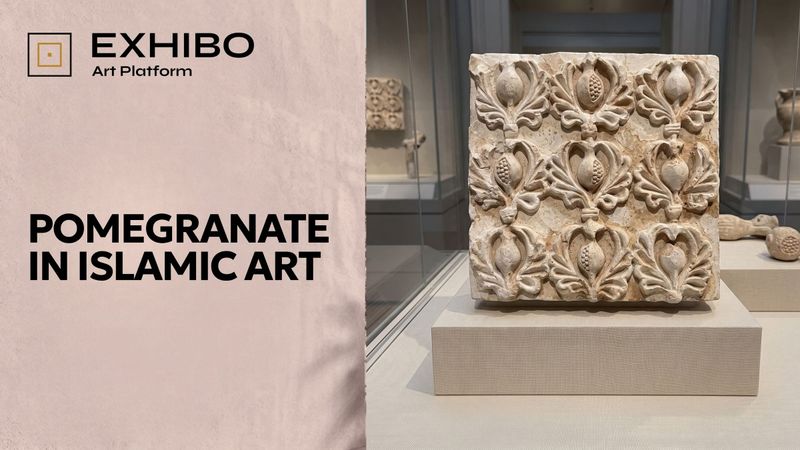
Sixth-century Sasanian moulded stucco panel showing a repeating pomegranate-in-palmette design, excavated near Ctesiphon, in the Metropolitan Museum of Art.
Editorial

The Fruit We Are Sure We Recognize

How the pomegranate became one of the most confidently named motifs in Islamic ornament — and one of the least confidently identified — across a thousand years of tile, silk and stucco, with meanings we mostly attached later.

A slab of sixth-century plaster in the Met shows a fruit you recognise at a glance: a pomegranate, and surely it means paradise. Hold that certainty up to the light and it dissolves. Across a thousand years of tile, silk and stucco, the pomegranate is the shape we name most confidently and identify least — blurring into the artichoke and the palmette, its meanings attached by later viewers, its very name partly a nineteenth-century invention

A deep cobalt-blue Ilkhanid ceramic bowl decorated with white, red, and cut gold-leaf ornament, its glaze imitating the color of lapis lazuli.
Editorial

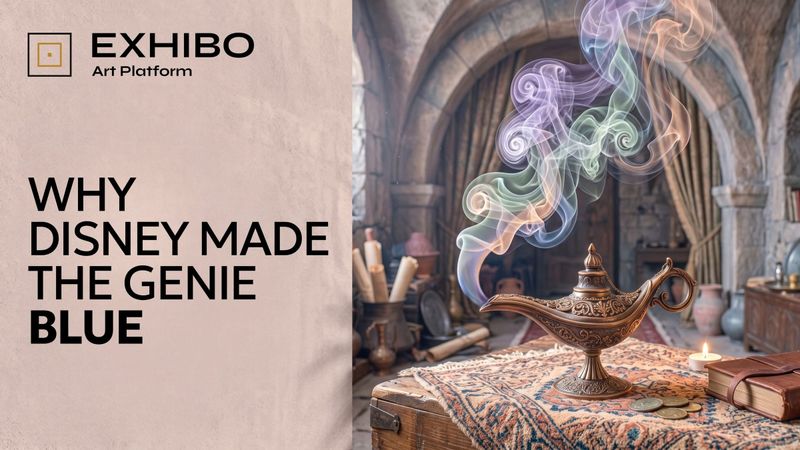
Why Disney Made the Genie Blue

The long material and colonial history behind the most recognizable blue body in popular culture.

Almost everyone remembers that Disney's genie is blue. Fewer ask why. The answer runs backward through five thousand years — Egyptian blue standing in for lapis, cobalt on a Mongol palace, the eye that guards against envy, the last color most languages learned to name, and a layout artist photographing Isfahan just before a war — to a color that was rarely, in this part of the world, quite what it claimed to be.

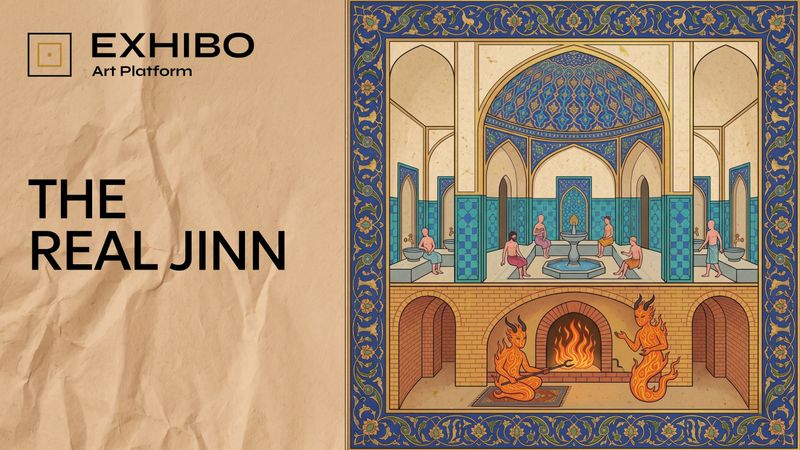
A cross-section of a medieval bathhouse: bathers above, and below them two horned fire spirits tending the furnace that heats the water.
Editorial

The Real Jinn: How the Middle East Imagined Them Before Disney

Seven kings, one for each day of the week. A portrait of Fever. Two spirits keeping a bathhouse warm. What the manuscripts actually show — and what the lamp replaced.

Folio 35v of a manuscript in Oxford shows the public baths at Tiberias in cutaway. Upstairs, people washing. Downstairs, two jinn tending the furnace, mid-conversation. It is not what most of the world expects — and it is much closer to what the unseen was actually understood to be for. A long read across twelve centuries of manuscripts, fieldwork, survey data and horror cinema.