Slimania, Bachia and Mouradia Madrasas, Tunis
Courtyard colleges of the 17th and 18th centuries, built for students of the Zitouna in the souks around it.
Colleges of the Zitouna
For centuries the Zitouna Mosque was the great teaching mosque of Tunisia. Students who came to study there needed rooms, so rulers and notables built madrasas in the streets around it. A madrasa was a residential college: a courtyard with a small prayer hall and cells for the students on one or two floors. Three of the finest stand within a few steps of the mosque.
Madrasa El Bachia
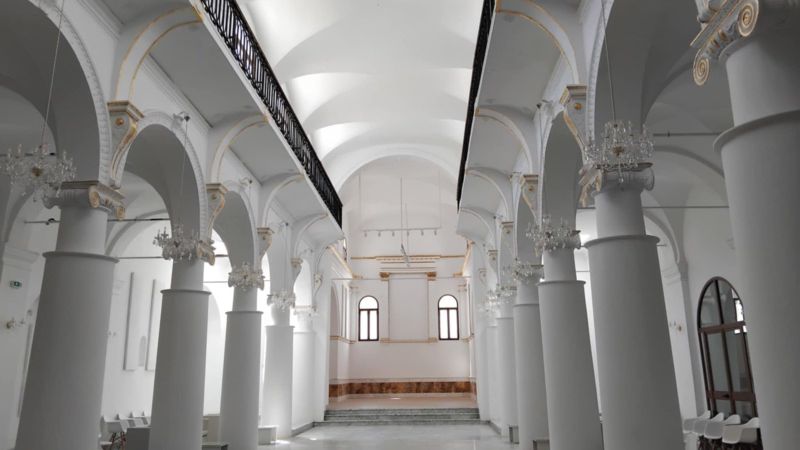
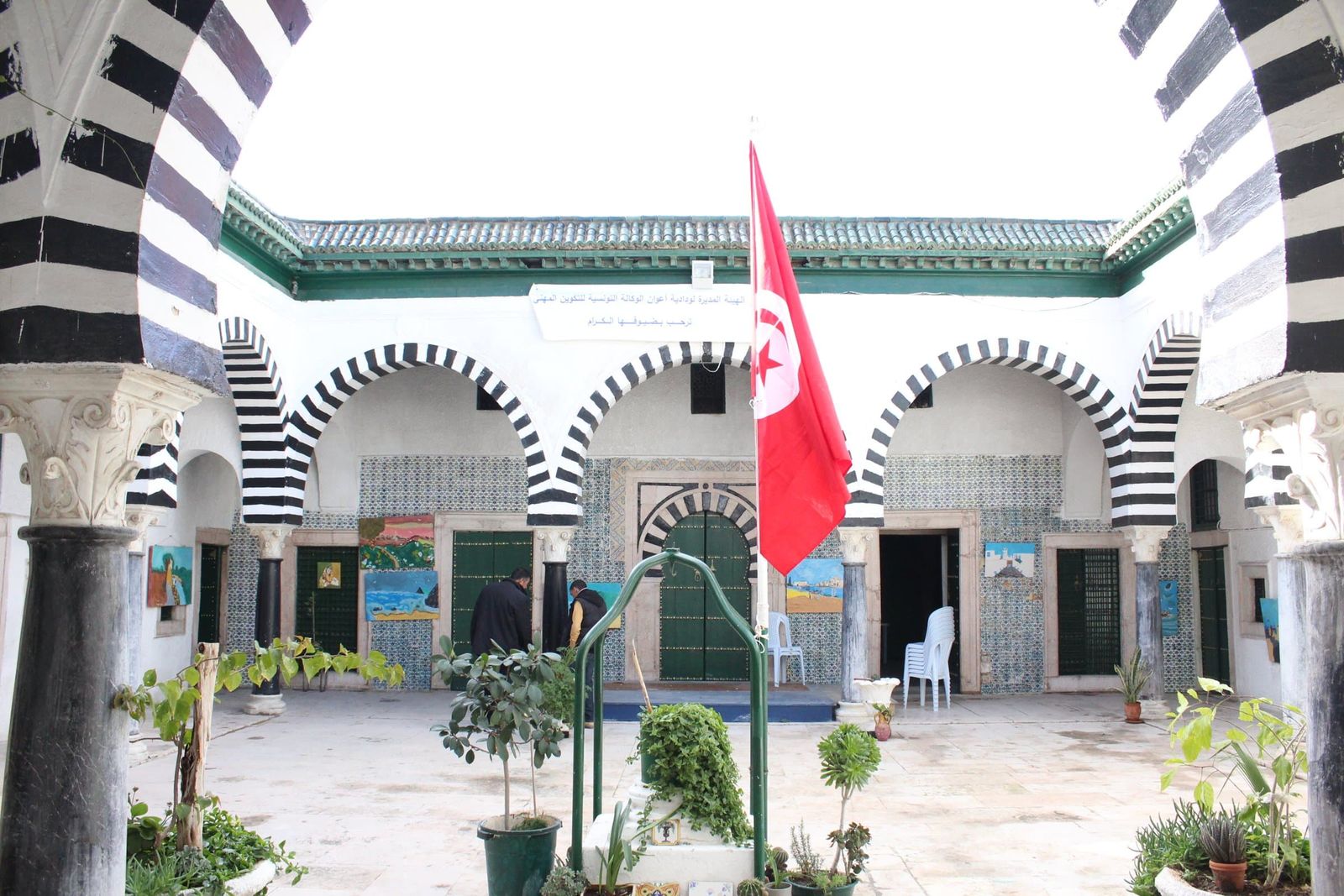
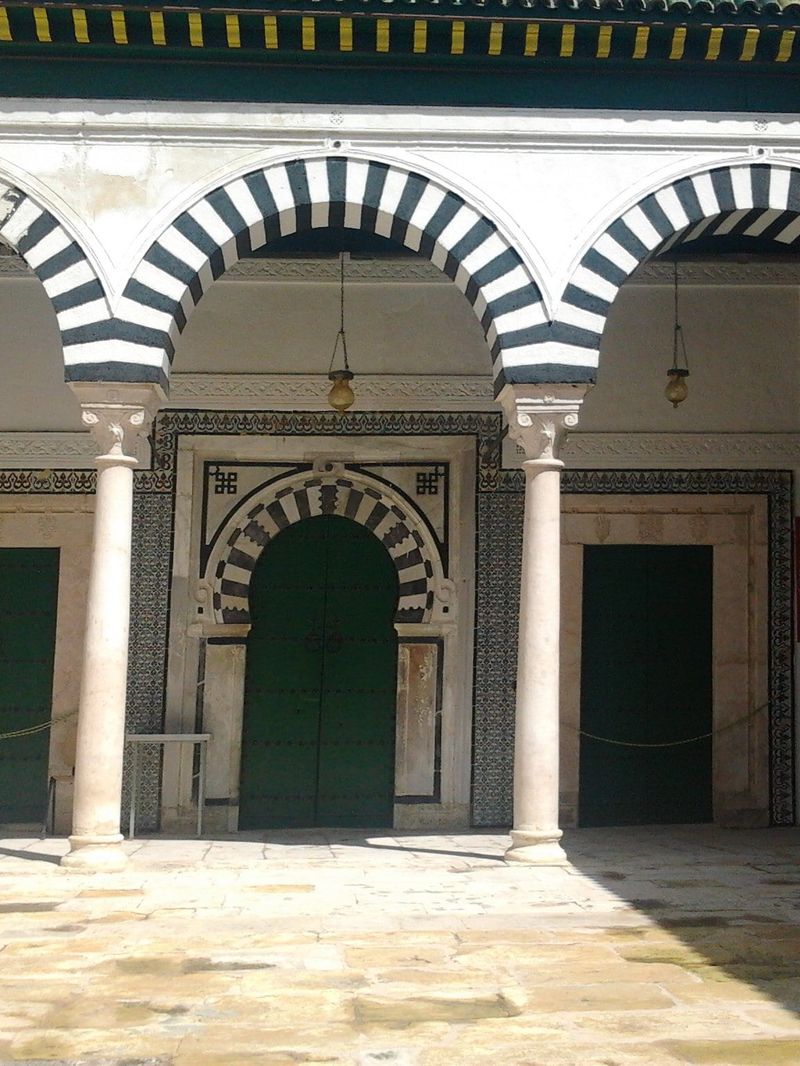
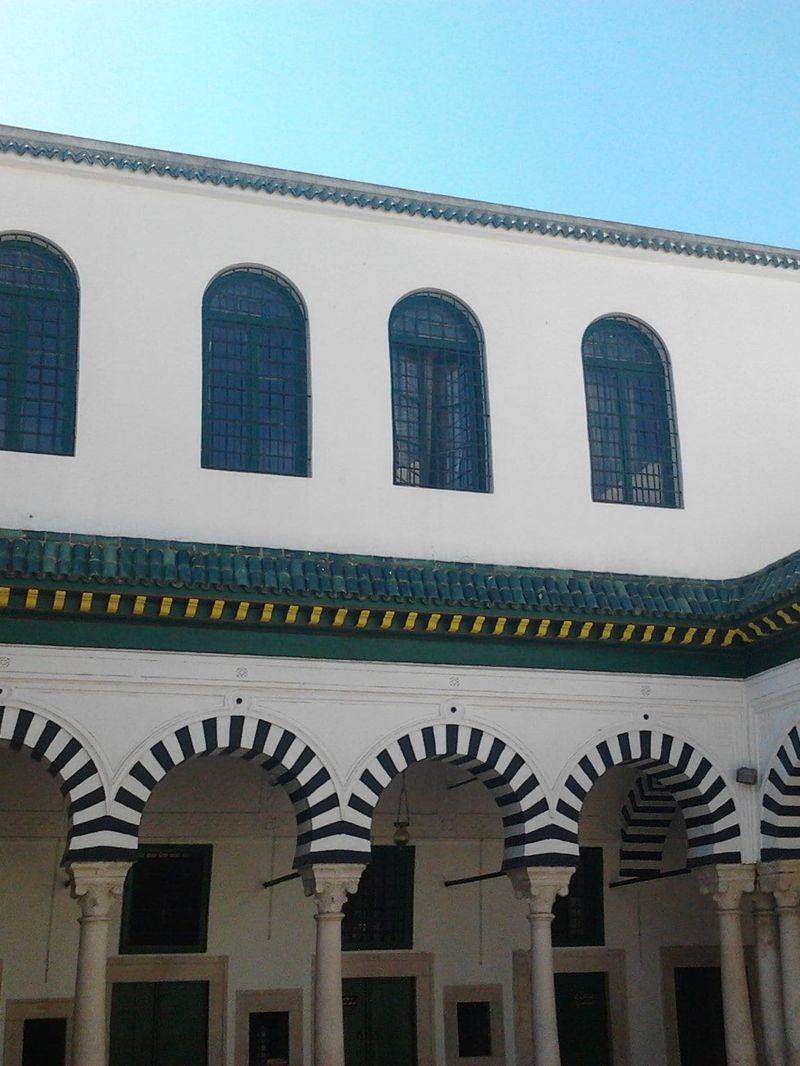
The Bachia was founded in 1752 by Ali I Pasha, the Husainid ruler of Tunis. It stands in Souk El Kotbiya, the old market of booksellers. Its courtyard is ringed by arcades with arches in bands of black and white stone on slender columns. Above them a gallery leads to the students' rooms. It was built for students of the Hanafi school.
Madrasa Slimania
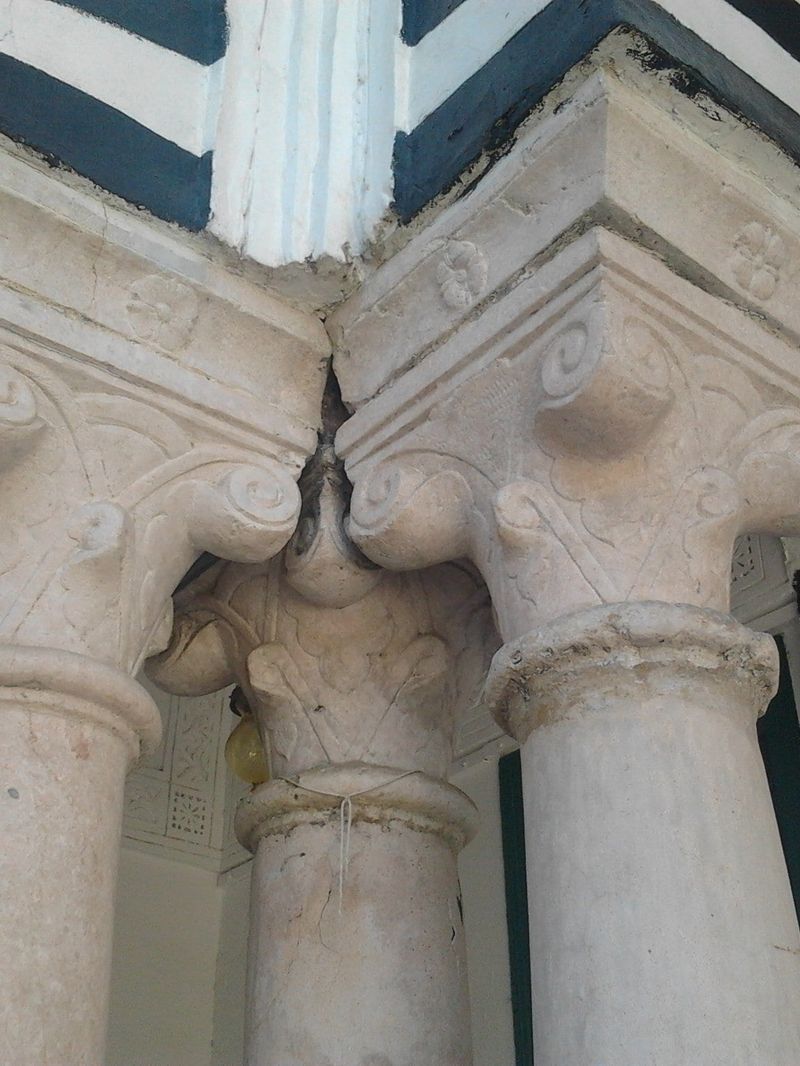
The Slimania stands nearby in Souk El Kachachine. It was built in 1754 by the same ruler in memory of his son Suleiman, who is said to have been poisoned. It has a square courtyard with arcades on marble columns and walls dressed with tiles and carved stone. It was restored in the 1980s.
Madrasa Mouradia
The Mouradia is older. It is attributed to the Muradid bey Murad II in the second half of the 17th century. It is built on the same plan around an arcaded courtyard.
The madrasas no longer house students. Their courtyards can often be seen through the open door.
Exhibo editorial
The souks around the Zitouna are loud and narrow. Then a door stands open and behind it there is a square of light: a courtyard of black and white arches, a tree, silence. These are the madrasas. Almost nobody steps inside.
Imagine them full. Young men from Kairouan, Djerba and the villages of the Sahel, each with a cell the size of a cupboard, copying texts by lamplight and arguing in the galleries. The Zitouna was the university; these were its dormitories.
Gallery
How to find it
All three are a short walk from the Zitouna Mosque. The Bachia is in Souk El Kotbiya, which runs along the north-west side of the mosque. The Slimania is a few steps away in Souk El Kachachine. The Mouradia stands in the souks to the west. When a door is open, ask before stepping inside.
Similar places
All places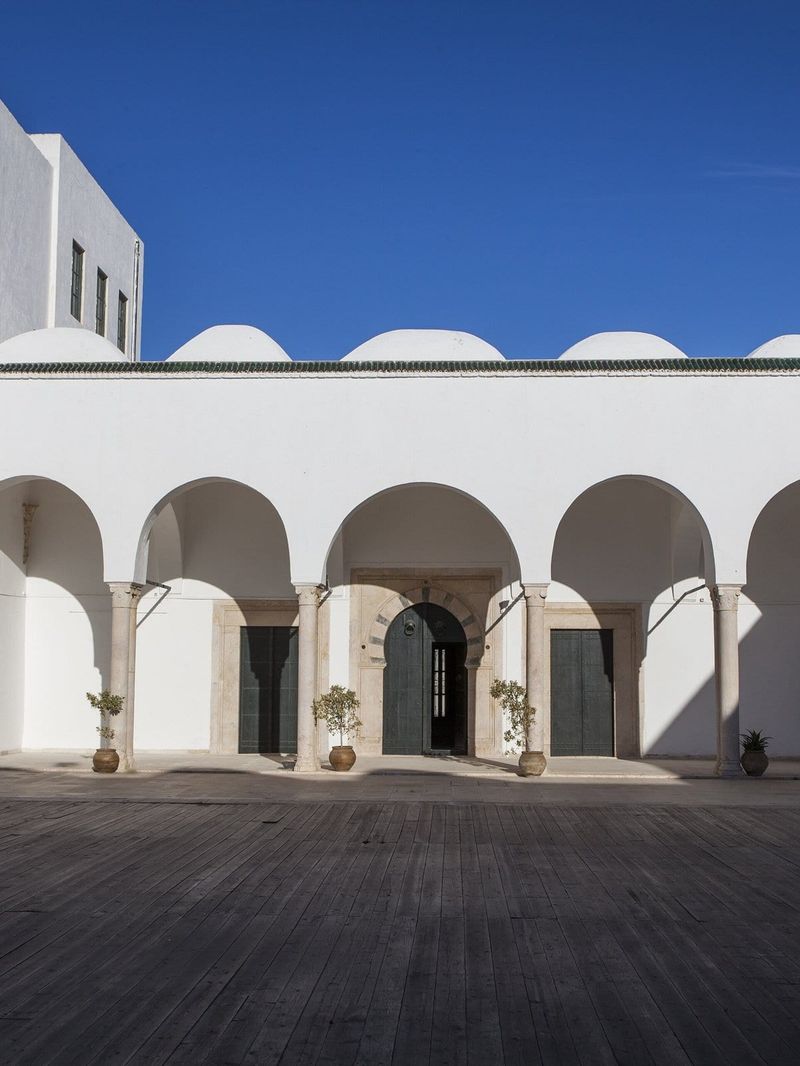
News by Exhibo
Editorial coverage on Exhibo
Why North African Cities Turn Inward: The Story of the Courtyard
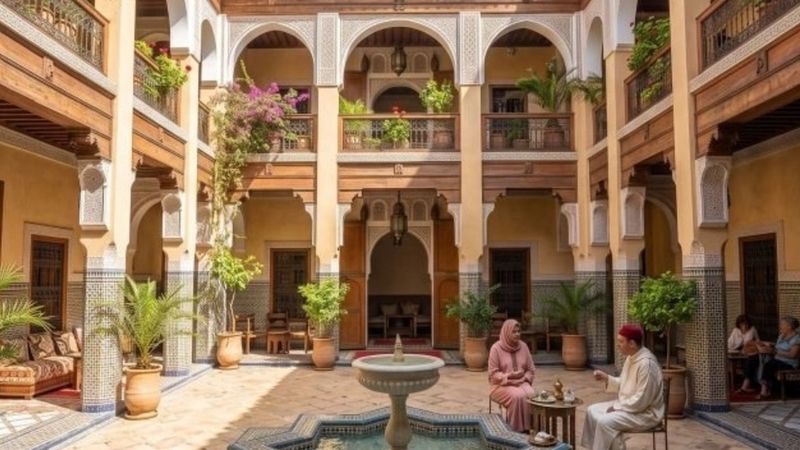
A courtyard plan far older than Islam turned North African houses — and the medinas built from them — to face inward. Climate and religion only half-explain why, and what finally displaced the courtyard says the rest.
The blank walls and inward courtyards of Fez, Tunis, Algiers and Cairo are usually explained by heat or religion. Both are true; neither is the whole story. The clue is in what eventually pushed the courtyard out of the modern city.
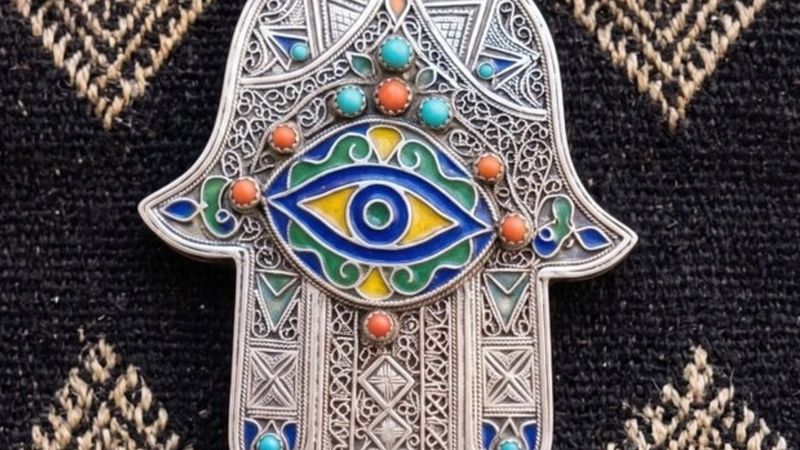
The Hand That Everyone Named After Their Own
The Khamsa across North Africa — Marrakech, Tunis, Algiers — and why the oldest thing about it is the shape, not the story.
Everyone calls it something different — the Hand of Fatima, the Hand of Miriam, the Hand of Mary. One five-fingered shape, several holy names, each written onto it by a community that made it its own. From a carved hand over the Alhambra's gate to Kabyle silver, synagogue lamps and a boy on a Marseille motorway, this is the story of a symbol older than the names it carries — and shared by more people than any one of them.

Becoming the Ocean: BIM'26 Opens Within Jaou Tunis
Sixteen newly commissioned works confront the collapse of inherited orders at the Biennale de l'Image en Mouvement
Curated by Lina Lazaar and Andrea Bellini, the eighth edition of the Biennale de l'Image en Mouvement unfolds at the Caserne El Attarine in Tunis, asking what it means to think from interdependence rather than separation.