UAE Pavilion Kinetic Wings
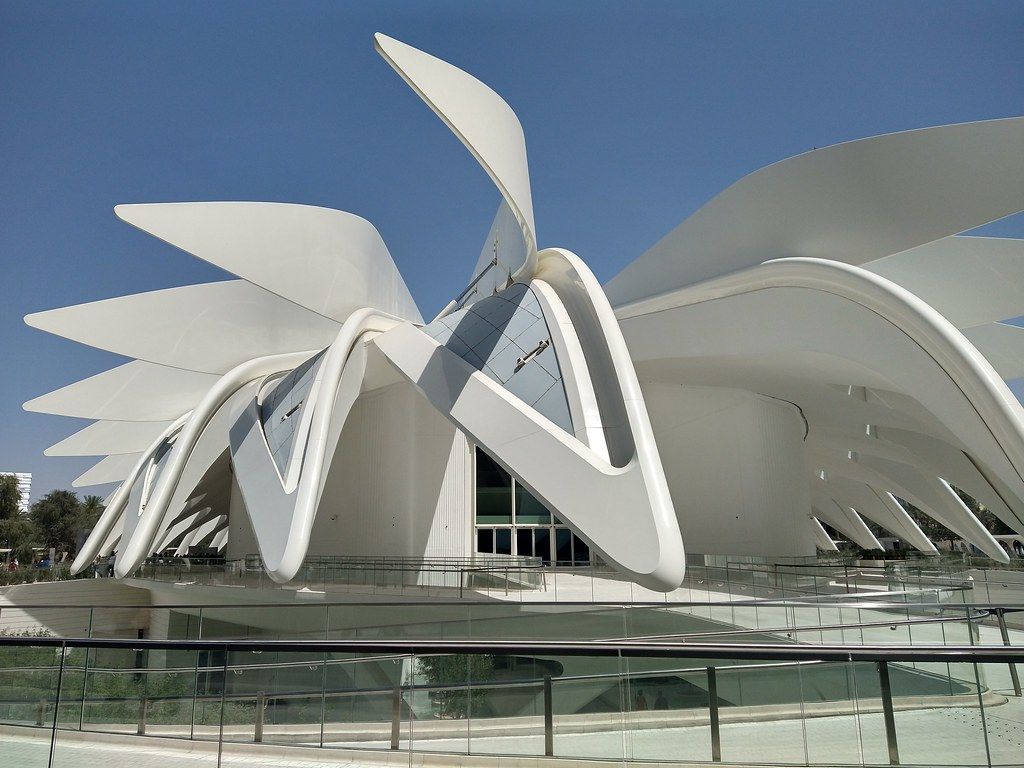
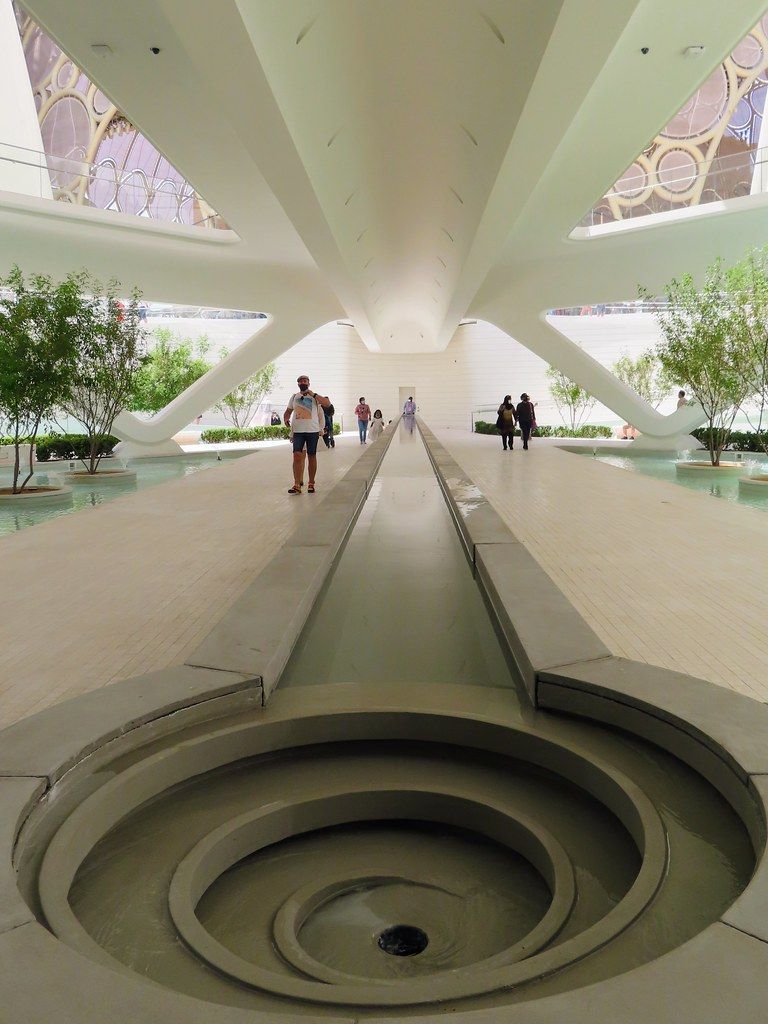
Santiago Calatrava's falcon in flight: 28 carbon-fibre wings that open on hydraulics in about three minutes to reveal solar panels beneath.
The UAE Pavilion is the host nation's pavilion at Expo City Dubai, formerly the anchor of Expo 2020, designed by the Spanish architect and engineer Santiago Calatrava and now a permanent legacy building in the Opportunity District (Al Forsan). Selected through a seven-month international design competition, it is shaped like a falcon in flight, the national bird and official symbol of the UAE, with elevations that also draw on the traditional Bedouin tent.
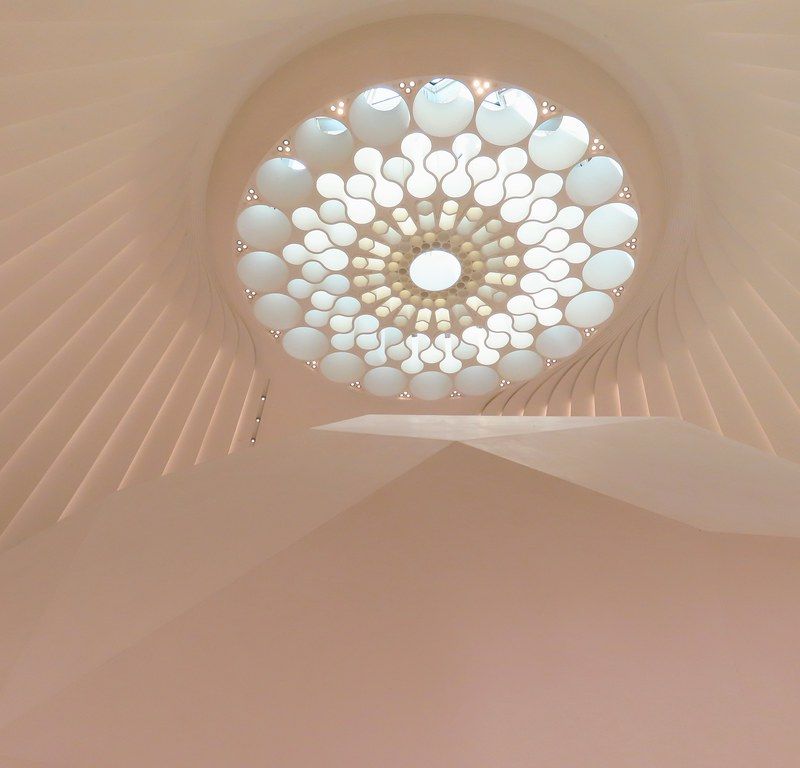
The four-storey, roughly 27.8-metre-tall building (around 15,000 square metres) is defined by its kinetic roof: 28 movable 'wings', locally produced in carbon and glass fibre, ranging from about 30 to 65 metres long and weighing between 5 and 18 tonnes each. Driven by 46 specialised hydraulic actuators, the wings open in a single synchronised motion in about three minutes, each rotating to between 110 and 125 degrees. When open, they reveal a grid of photovoltaic panels that harvest solar energy for the power grid; when closed, they shelter those panels from rain and the region's sandstorms. An oculus skylight, with a hanging ceiling feature mirroring the Expo 2020 logo, draws daylight into the interior.
Inside, a multi-sensory visitor experience guides guests through the story of the UAE, 'the Land of Dreamers Who Do', across themed zones, from Emirati heritage and the falaj irrigation tradition to the country's future. The pavilion's moving wings, opening and closing like a bird taking flight, made it one of the most photographed structures of the Expo and a permanent landmark of Expo City.
Exhibo editorial
Calatrava has spent a career making buildings that look like they're about to move; here he actually let one. The UAE Pavilion is a falcon rendered in carbon fibre and its 28 wings genuinely open, a three-minute hydraulic unfurling, the whole roof lifting to somewhere between 110 and 125 degrees, like the bird spreading before flight.
The move isn't just theatre. Under the wings sits a field of solar panels; open, they harvest the sun and closed, they hide from the sandstorms. It's Calatrava's signature drama put to actual work. Time your visit for one of the opening cycles if you can, a static photo of this building misses the entire point. Then go inside, where the falcon's story becomes the country's.
Gallery
How to find it
The UAE Pavilion stands in the Opportunity District (Al Forsan) of Expo City Dubai, near the central Al Wasl Plaza. The falcon form is visible across the site; approach on foot to see the 28 carbon-fibre wings, and check the pavilion's schedule for wing-opening times, when the roof unfurls over about three minutes to reveal the solar panels. The multi-sensory exhibition is inside; the pavilion typically opens from late morning into the evening.
Similar places
All places
News by Exhibo
Editorial coverage on Exhibo
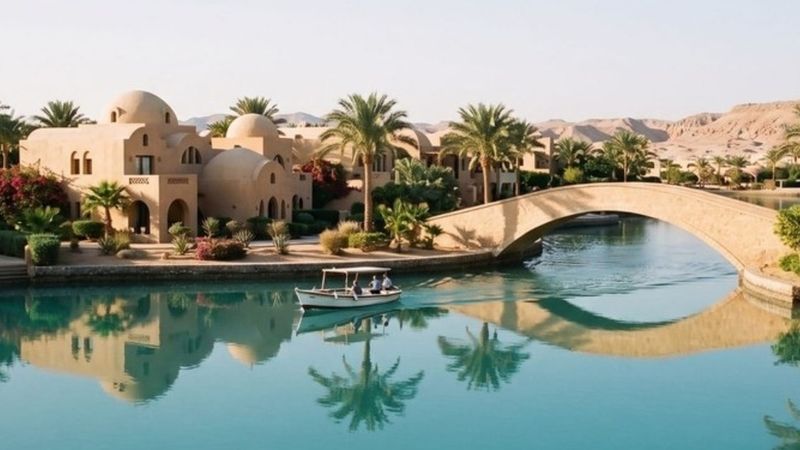
Why the Middle East Keeps Building Venice
From the Red Sea to the Gulf, canal towns keep getting called Venice. The water was usually about something else — and Venice was never quite Venice either.
The Middle East is full of “Venices”. Most began as a way to manufacture shoreline; the name usually arrived later, in English, from the people selling it.
Elie Khouri's New Foundation Takes Shape in Dubai
A private villa in Jumeirah 1 becomes the home for Ekaf
Collector Elie Khouri transforms a historic Jumeirah 1 residence into a contemporary art venue opening in 2028.
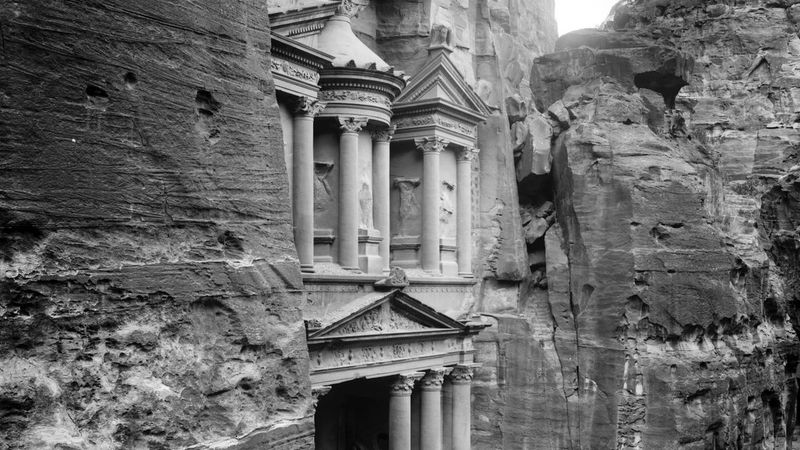
Filmed, but Not Recorded: The Arab World’s Missing Film Locations
Wikidata knows Gladiator was filmed in Morocco. It doesn’t know where.
Ouarzazate is the second most filmed place in the Middle East and North Africa, yet 25 of its 27 productions are recorded only in Wikipedia prose. We compared filming records worldwide and found that in the Arab world, Wikidata usually knows the country but not the place.