The first pyramid
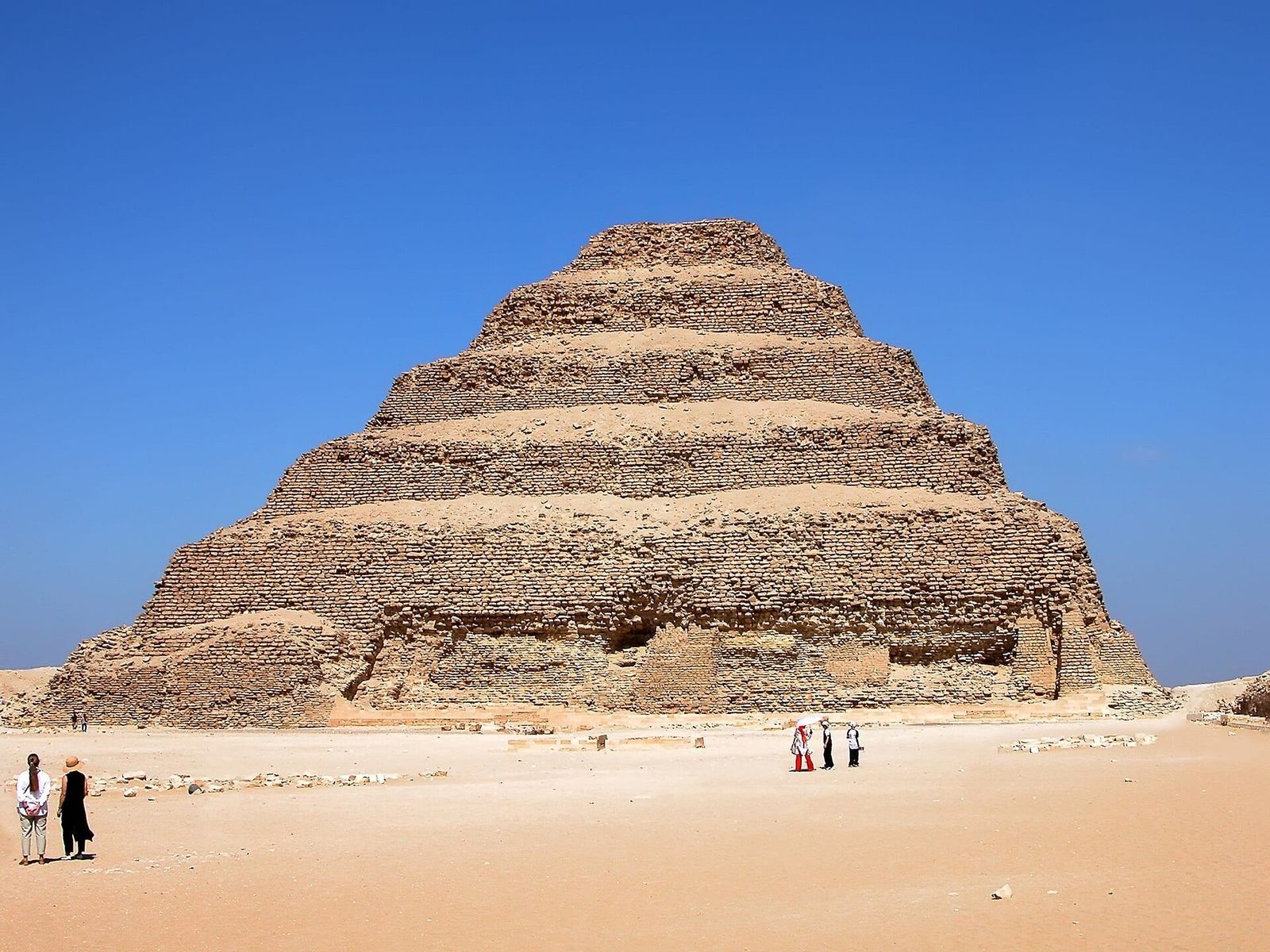
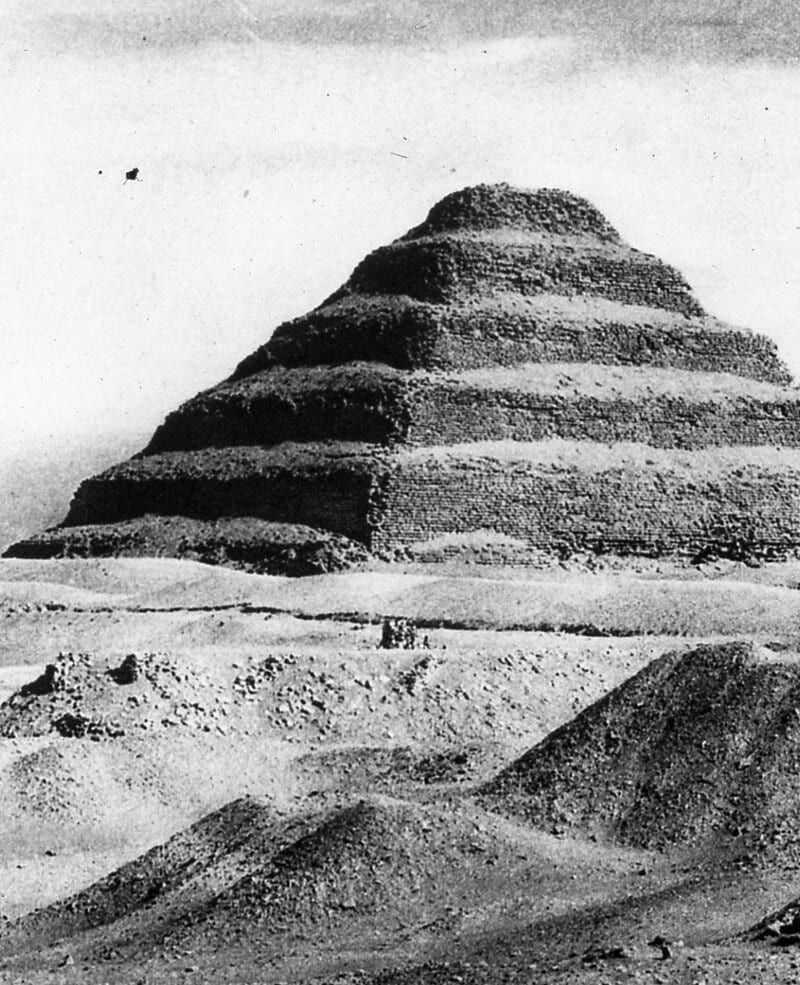
The Step Pyramid of Djoser, at Saqqara, is the oldest pyramid in Egypt and the earliest large-scale cut-stone building in the world. It was built around 2680 BC for Djoser (also known by his Horus name Netjerikhet), a king of the Third Dynasty, under the direction of his architect and chancellor Imhotep, later revered as a sage and even a god of medicine. Imhotep began with a traditional flat-topped mastaba tomb and enlarged it in several stages until it became a pyramid of six steps, rising to about 60 metres above the plateau: a staircase to the heavens and the prototype for every pyramid that followed.
The funerary complex
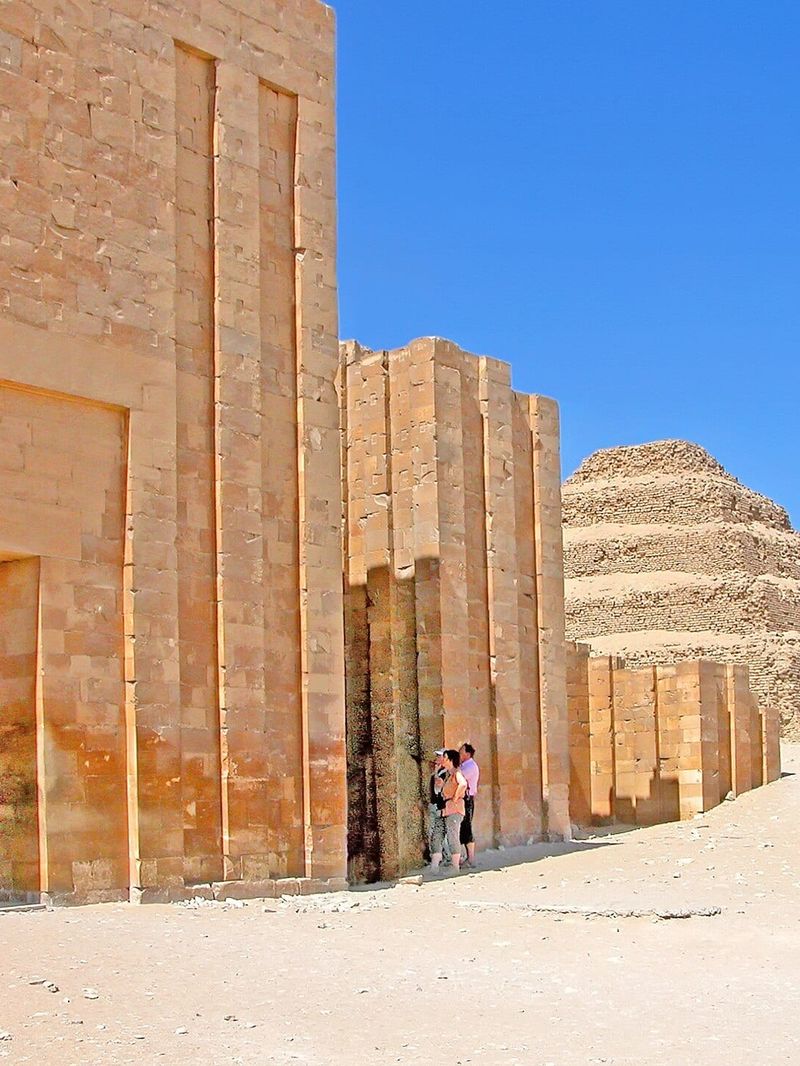
The pyramid stands at the centre of a vast walled enclosure. Its limestone wall, decorated with recessed panelling and false gates, has a single true entrance leading into a colonnade of ribbed columns, stone translations of bundles of reeds and wooden posts, as if the architects were learning to build in a new material. Within the enclosure are the Great South Court, the Heb-Sed court with its rows of dummy chapels for the king's jubilee festival, a south tomb, temples and a serdab, a closed chamber in which a statue of the king gazed out through two eyeholes (the original is in the Egyptian Museum in Cairo; a cast stands in its place).
Beneath the pyramid
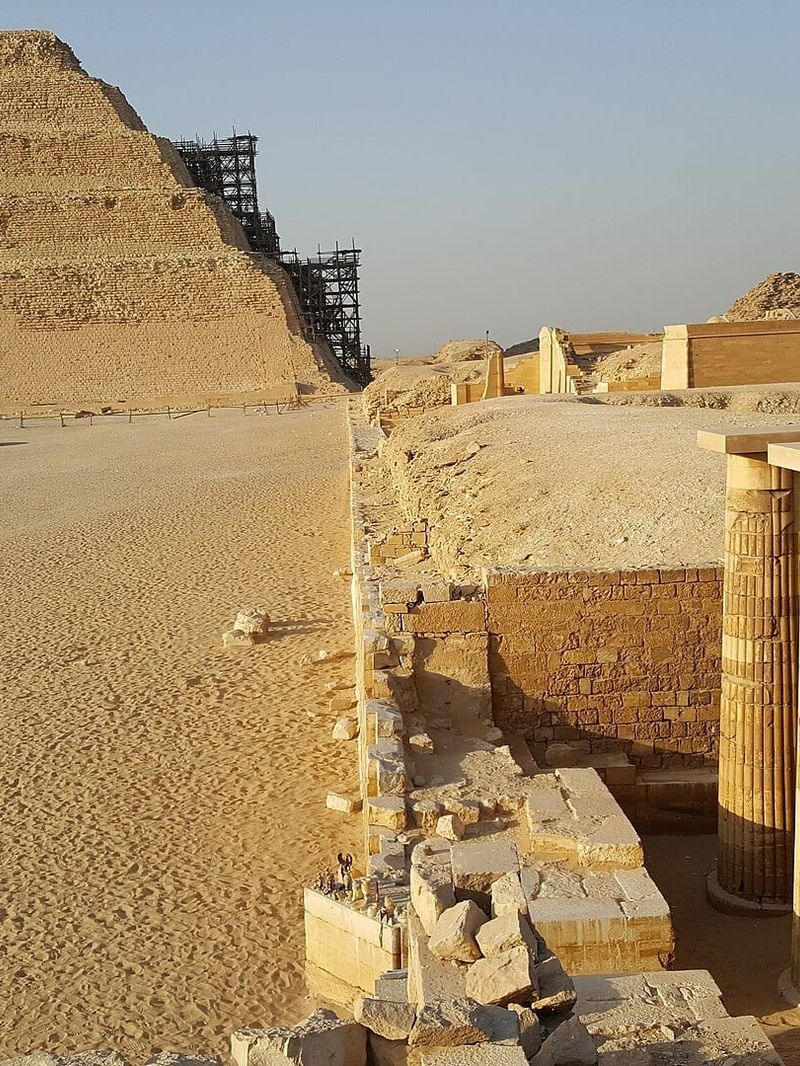
Under the pyramid lies a maze of shafts and corridors, some 5.5 kilometres in total, with Djoser's granite burial chamber at the bottom of a great central shaft and galleries lined with blue faience tiles. The pyramid was badly damaged by the 1992 earthquake. A restoration project begun in 2006 stabilised the structure and its interior; after interruptions, it was completed and the pyramid reopened to visitors in March 2020, with its corridors, burial chamber and south and east entrances accessible, new lighting and an entrance for visitors with disabilities.
Saqqara
The pyramid dominates the necropolis of Saqqara, the main burial ground of the ancient capital Memphis for more than three thousand years, part of the UNESCO World Heritage Site of Memphis and its Necropolis. Nearby are the Pyramid of Unas, the first to be inscribed with the Pyramid Texts, the mastabas of Old Kingdom officials, the Serapeum and the Imhotep Museum.
Exhibo editorial
Giza is the summit, but Saqqara is where the climb began. Stand in front of the Step Pyramid and you are looking at the moment humans first decided to build something enormous and permanent in stone. You can still see them thinking it through: the steps, the columns carved like bundled reeds, the walls imitating wooden panels.
Walk in through the colonnade into the great court and the desert silence is total. Very few places on earth let you stand this close to a turning point in history with so few people around. Come early to beat the heat and give the whole site a long half-day: the mastabas and the Serapeum are next door.
Gallery
How to find it
Saqqara lies about 25 km south of central Cairo. From the site entrance the road climbs to the car park beside the enclosure wall. Enter through the colonnade in the south-east corner, which leads into the great south court in front of the pyramid.
Similar places
All places
News by Exhibo
Editorial coverage on Exhibo
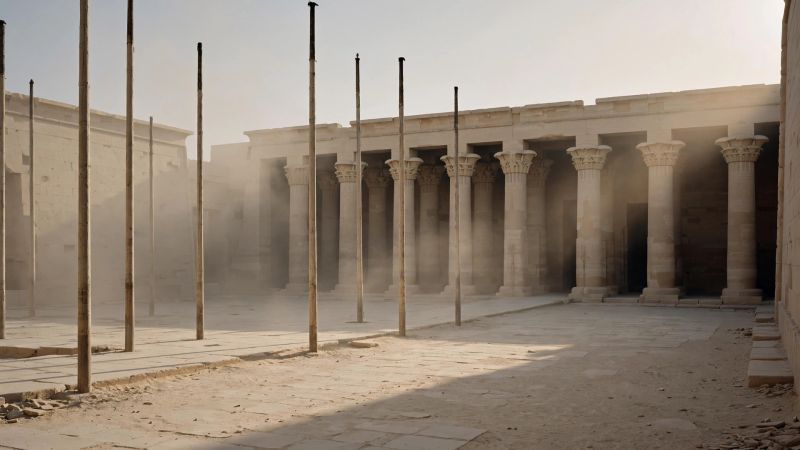
Ancient Egyptian Art
Images built to work for gods, kings and the dead: canon, craft and change along the Nile across nearly three millennia.
Ancient Egyptian art was rarely made for the museum wall alone. This period survey explains why statues and reliefs functioned as cult tools, how a stable visual canon held for centuries, where Old, Middle and New Kingdom styles diverge, and which collections still make those differences visible today.
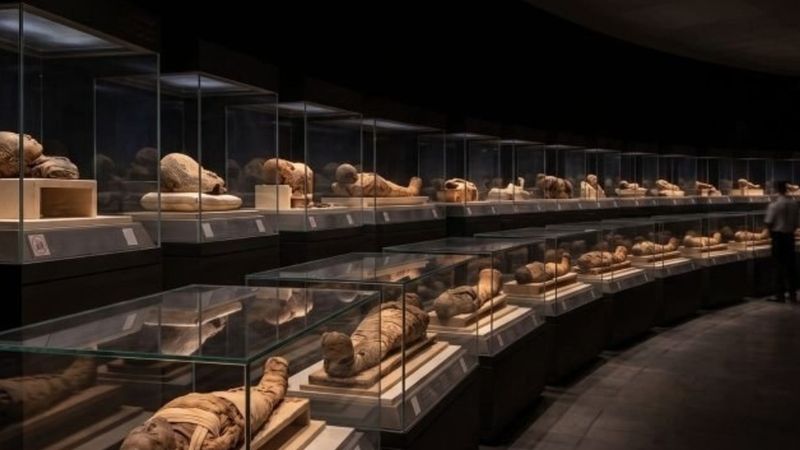
The Museum of Everything That Became a Tomb
Egypt built a museum to tell the story of an entire civilisation — seven thousand years of it, from flint tools to the present. The public knows it for one thing: the room where twenty dead kings lie in the dark.
In a black, hushed hall beneath the National Museum of Egyptian Civilization in Old Cairo lie the mummified bodies of Ramesses II, Hatshepsut, and eighteen other rulers of the New Kingdom — carried here in 2021 in a televised parade watched around the world.
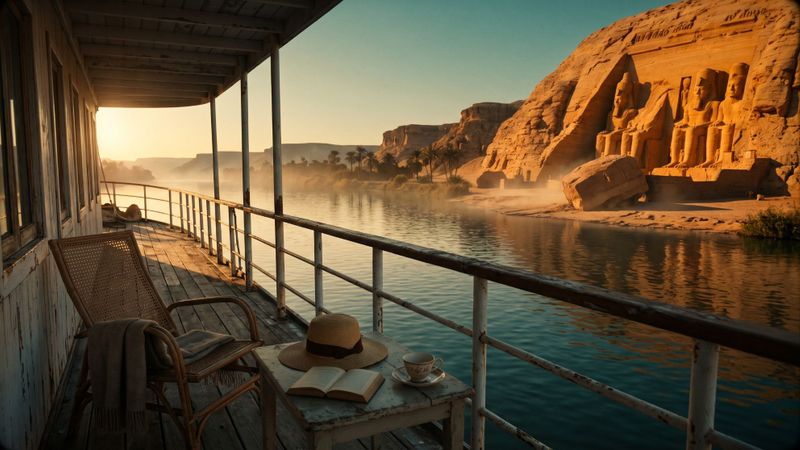
Agatha Christie's Egypt: Three Abu Simbels, a Pharaoh and a Murder on the Nile
Christie set one famous murder on the Nile and two lesser-known stories in ancient Egypt. The temples, letters and film sets behind all three.
The Abu Simbel of Death on the Nile has since moved up a hill. Christie's two other Egyptian stories lead to a pharaoh's dismantled temples at Karnak and a farmer's 4,000-year-old letters now in New York.