The houses of eternity of Egypt's officials
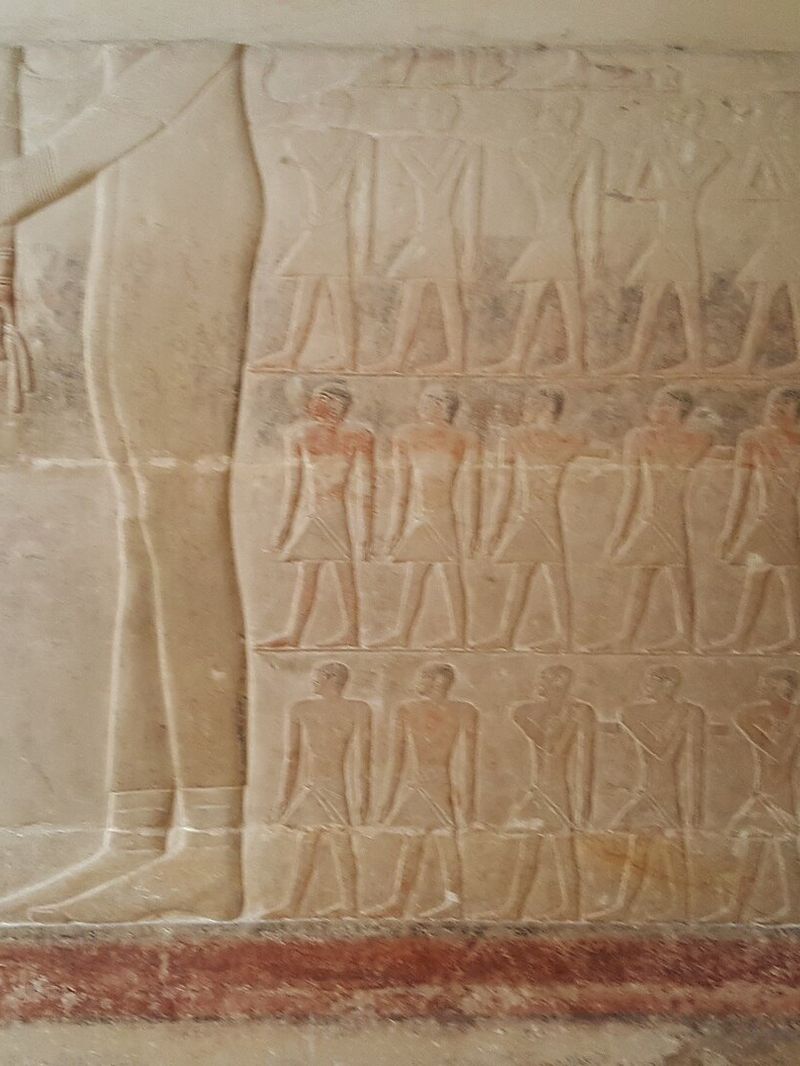
Around the pyramids of Saqqara lie hundreds of mastabas, flat-topped, rectangular tombs built for the officials, priests and nobles of the Old Kingdom. Their offering chapels were decorated with painted reliefs depicting the world the owner hoped to enjoy for eternity and they are the richest surviving record of everyday life in Egypt in the third millennium BC. Three of the finest stand close to the pyramid of the Sixth Dynasty king Teti and near the Step Pyramid.
Mereruka
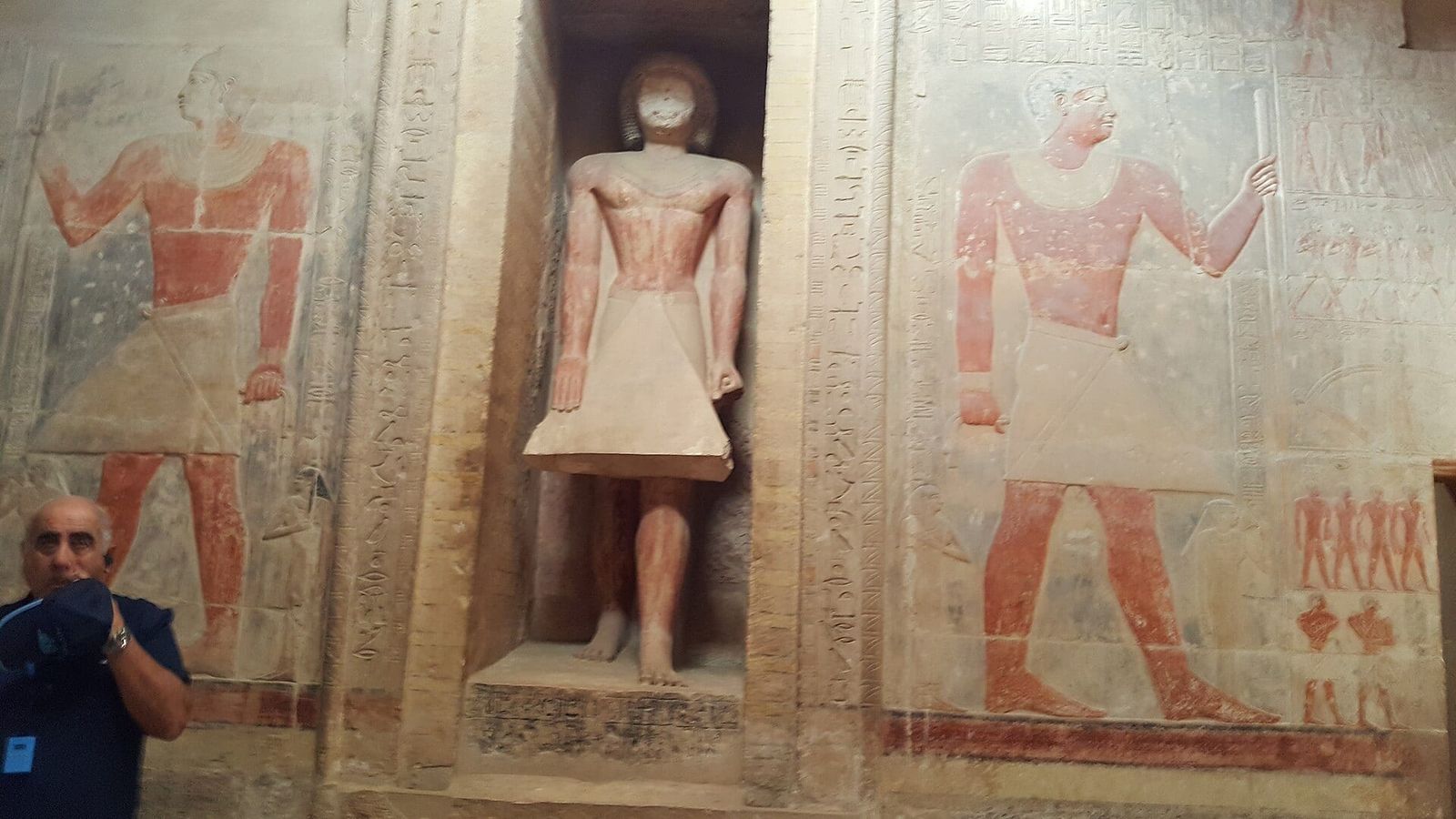
The Mastaba of Mereruka, vizier and son-in-law of King Teti in the Sixth Dynasty, is the largest and most elaborate private tomb of the Old Kingdom, a building of more than thirty rooms, with areas dedicated to his wife, a royal princess and to his son. Its reliefs include craftsmen, jewellers, metalworkers, fishing and hunting in the marshes, animal husbandry, dancers and musicians. In one niche, a life-size statue of Mereruka steps forward from the wall towards the offering table.
Kagemni
Nearby, the tomb of Kagemni, another vizier of Teti's reign, is known for the quality of its relief carving, including lively scenes of fishing, fowling and the feeding of animals.
Ptahhotep and Akhethotep
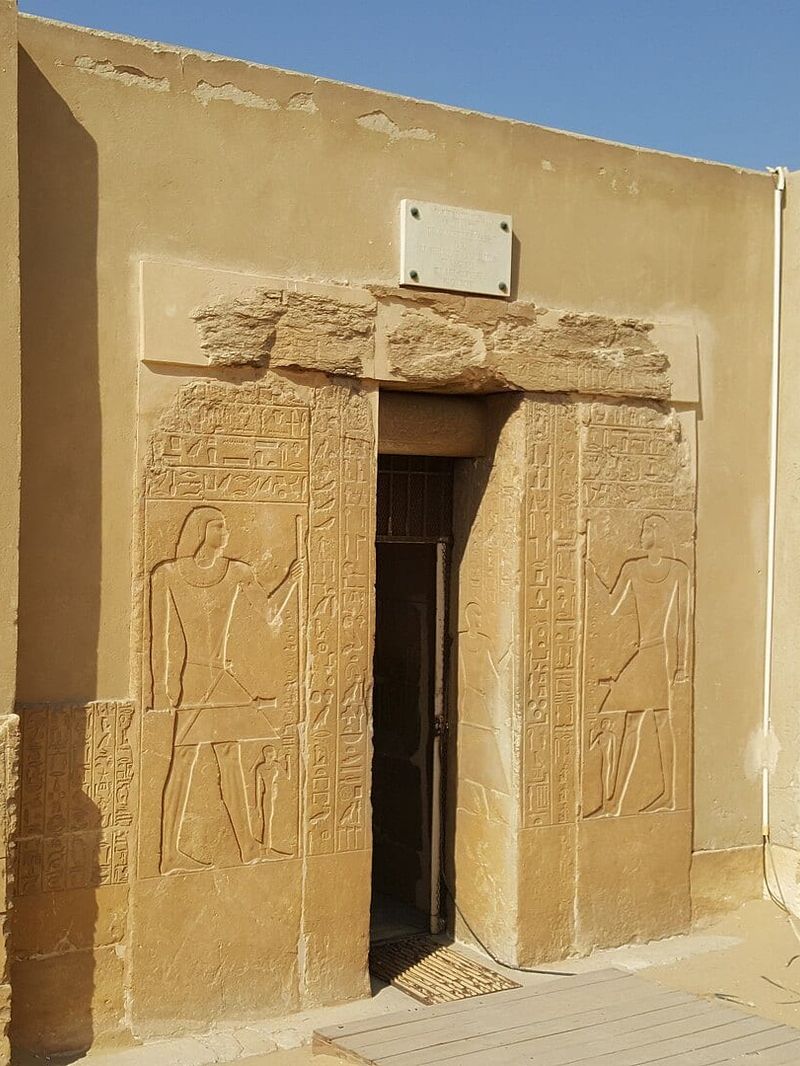
The joint mastaba of Ptahhotep and his father Akhethotep, officials of the Fifth Dynasty, contains some of the most refined reliefs of the Old Kingdom, still bright with colour: offering bearers, hunting in the desert, boatmen jousting with poles, children's games and the funerary banquet.
Visiting
The tombs are part of the Saqqara necropolis. Kagemni and Ptahhotep are usually included in the main site ticket; the Mastaba of Mereruka requires an additional ticket. Opening of individual tombs rotates for conservation.
Exhibo editorial
The pyramids tell you about kings; the mastabas tell you about everyone else. Step into the chapel of Ptahhotep and the walls are crowded with life: cattle driven across a river, boys at their games, boatmen fighting with poles. The carving is fine enough to catch each figure mid-movement.
Each tomb is a short visit, but together they are the most human thing at Saqqara. Take your time with the details and remember that every scene was meant to keep its owner company forever.
Gallery
How to find it
In the Saqqara necropolis, north-east of the Step Pyramid next to the pyramid of Teti. Drive from the site entrance towards the Teti pyramid, where the mastabas of Mereruka and Kagemni stand side by side. Ptahhotep lies west of the Step Pyramid enclosure.
Similar places
All places
News by Exhibo
Editorial coverage on Exhibo
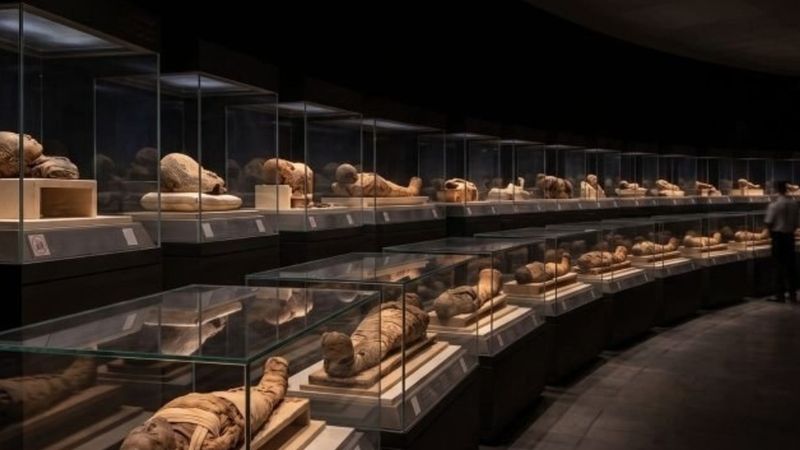
The Museum of Everything That Became a Tomb
Egypt built a museum to tell the story of an entire civilisation — seven thousand years of it, from flint tools to the present. The public knows it for one thing: the room where twenty dead kings lie in the dark.
In a black, hushed hall beneath the National Museum of Egyptian Civilization in Old Cairo lie the mummified bodies of Ramesses II, Hatshepsut, and eighteen other rulers of the New Kingdom — carried here in 2021 in a televised parade watched around the world.
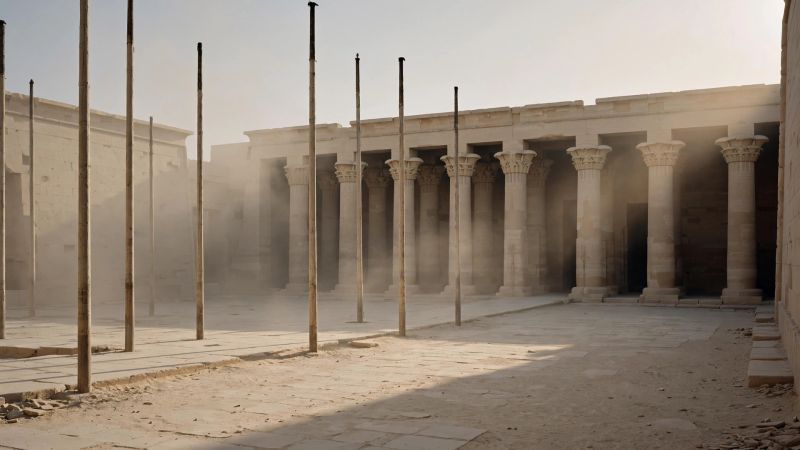
Ancient Egyptian Art
Images built to work for gods, kings and the dead: canon, craft and change along the Nile across nearly three millennia.
Ancient Egyptian art was rarely made for the museum wall alone. This period survey explains why statues and reliefs functioned as cult tools, how a stable visual canon held for centuries, where Old, Middle and New Kingdom styles diverge, and which collections still make those differences visible today.
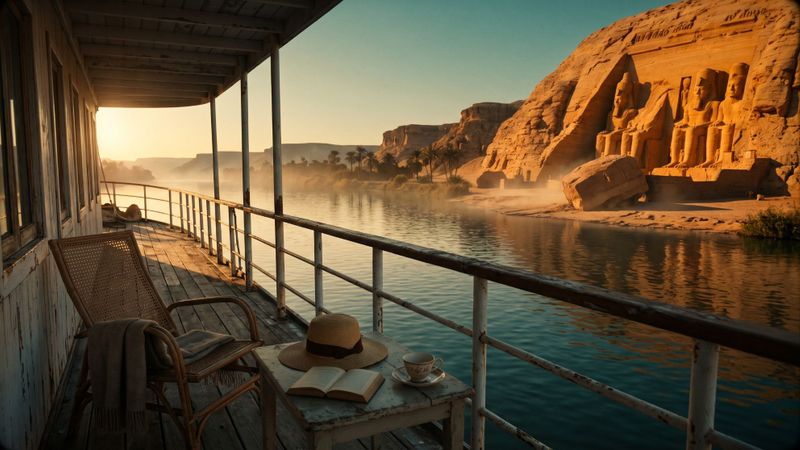
Agatha Christie's Egypt: Three Abu Simbels, a Pharaoh and a Murder on the Nile
Christie set one famous murder on the Nile and two lesser-known stories in ancient Egypt. The temples, letters and film sets behind all three.
The Abu Simbel of Death on the Nile has since moved up a hill. Christie's two other Egyptian stories lead to a pharaoh's dismantled temples at Karnak and a farmer's 4,000-year-old letters now in New York.