Al-Mutanabbi Street
Baghdad's book street, running from an arch of poetry to the Tigris, crowded with stalls every Friday.
The book street of Baghdad
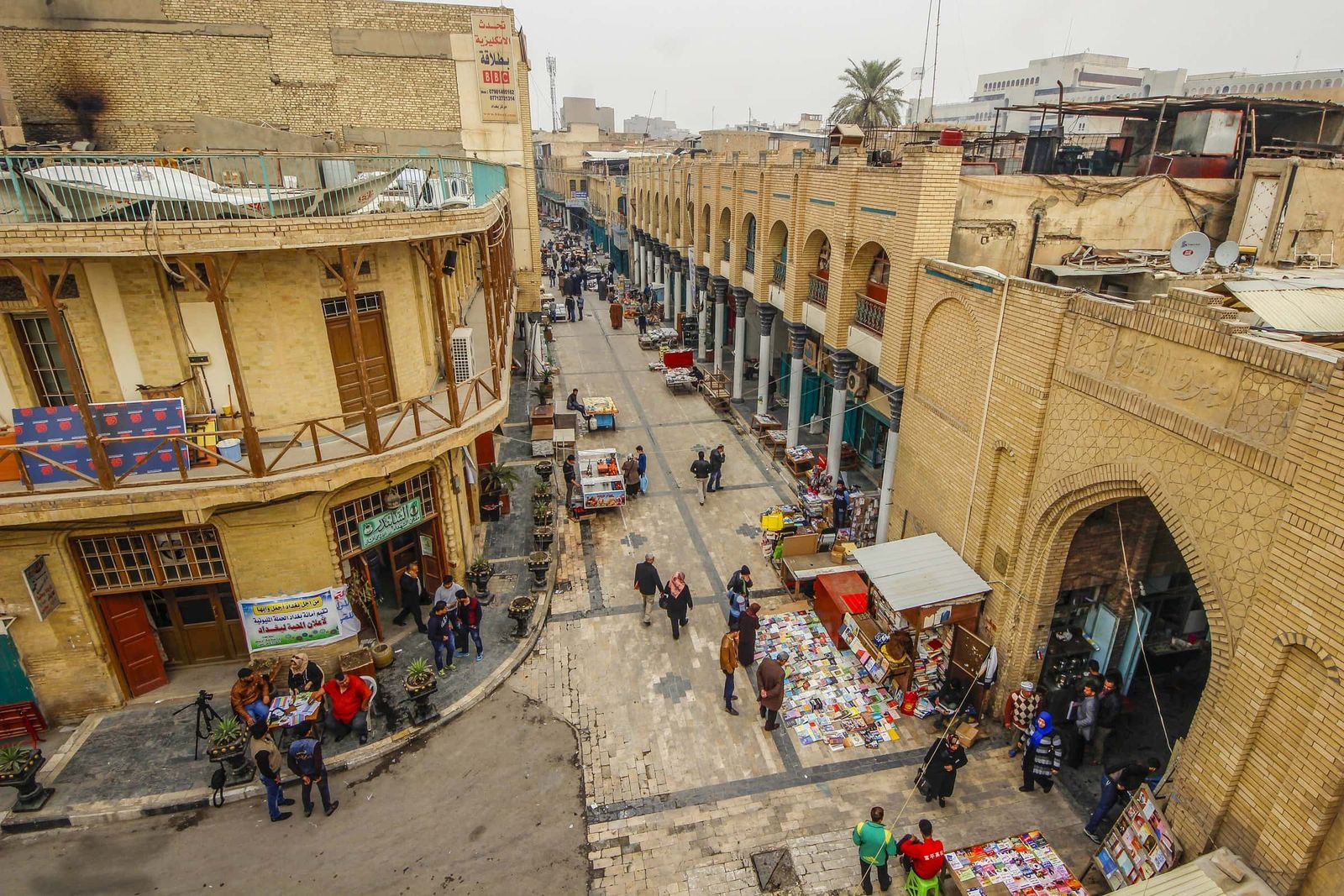
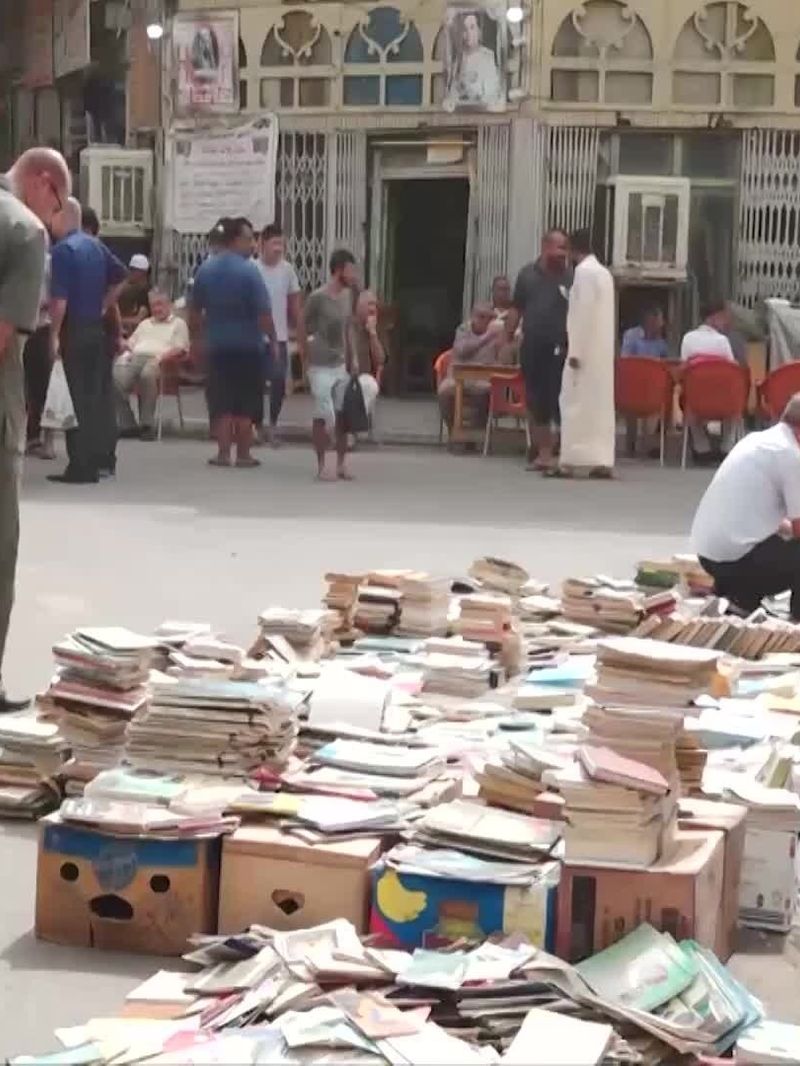
Al-Mutanabbi Street is the old heart of bookselling in Baghdad. It runs for just under a kilometre through Rusafa, on the east bank of the Tigris, from Al-Rashid Street down to the river. Bookshops, printers and stationers fill the ground floors of its yellow-brick buildings, several of them from the Ottoman period, with wooden balconies and colonnades above. Booksellers spread their stock across the paving outside: Arabic and English titles, school textbooks, old paperbacks, poetry, religious works and out-of-print volumes that are hard to find anywhere else.
The street bears the name of Abu al-Tayyib al-Mutanabbi, the great Arabic poet of the 10th century, born in Kufa in 915 and killed in 965. It took his name in 1932, under Iraq's first king, Faisal I. Its booksellers trace their trade much further back, to the markets of scribes, paper-sellers and copyists of Abbasid Baghdad. The Arab saying "Cairo writes, Beirut publishes, Baghdad reads" is usually told about this street.
From the arch to the river
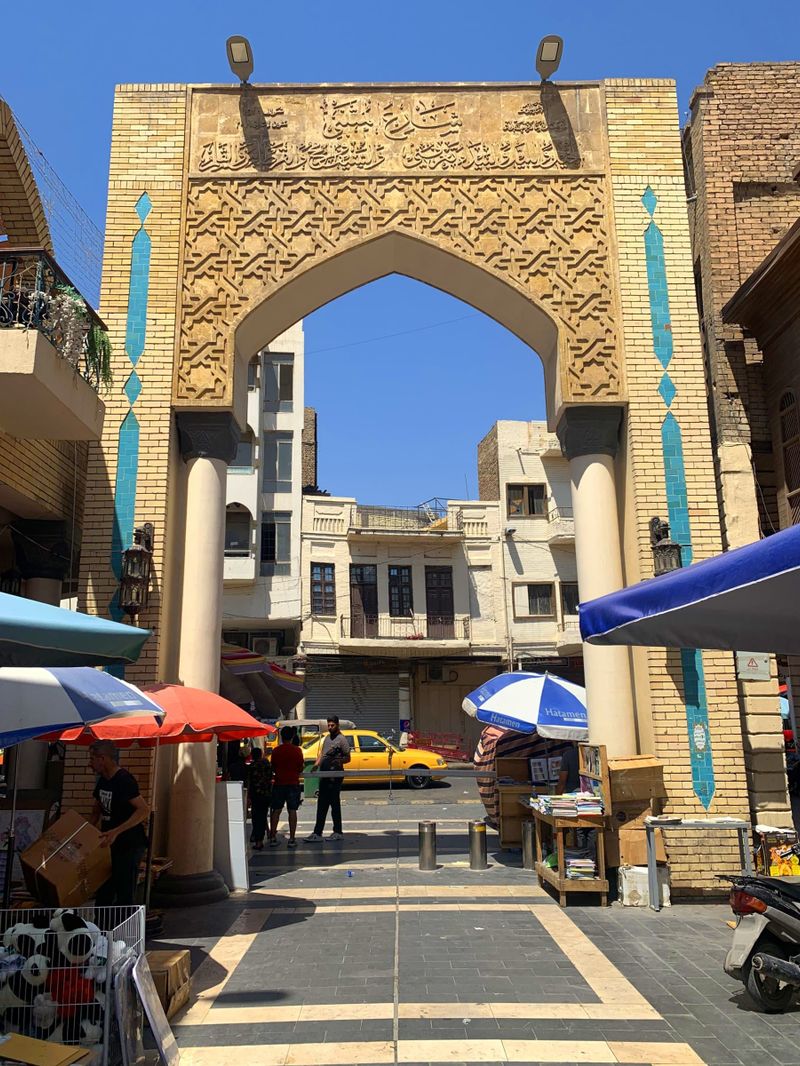
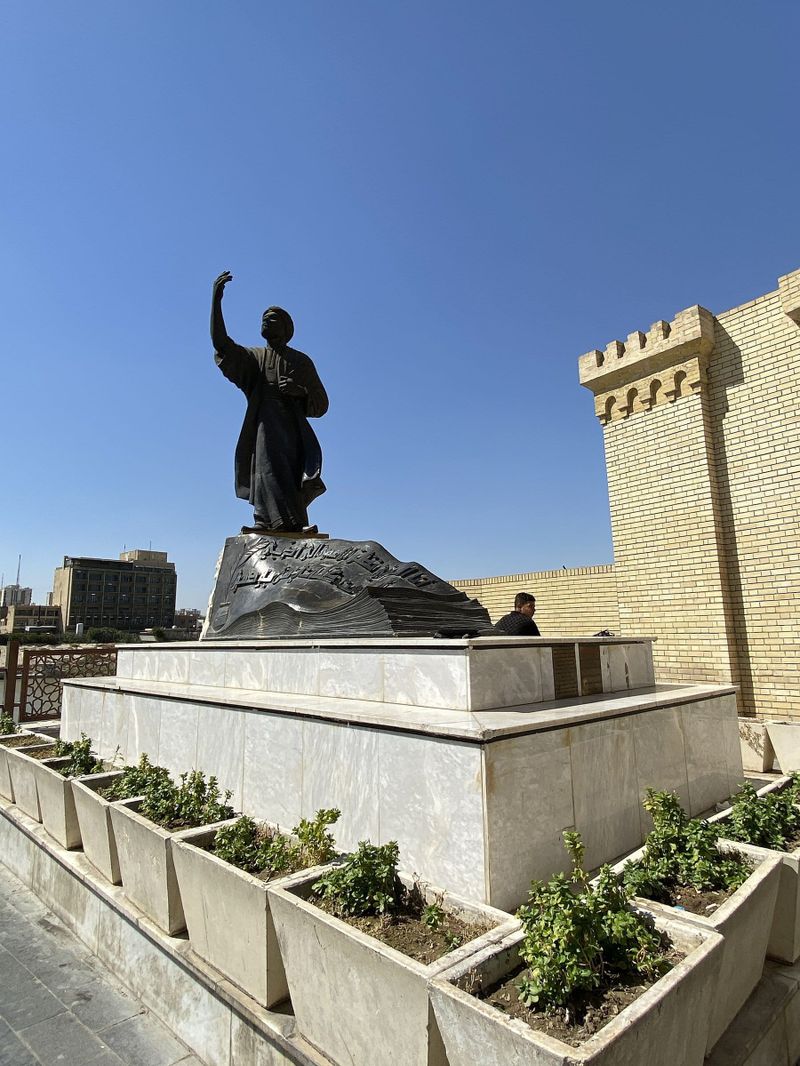
At the Rashid Street end stands a gateway arch decorated with verses by the poet. At the other end the street opens onto the Tigris. There a bronze statue of al-Mutanabbi by the Iraqi sculptor Mohammed Ghani Hikmat stands with one arm raised, facing the water.
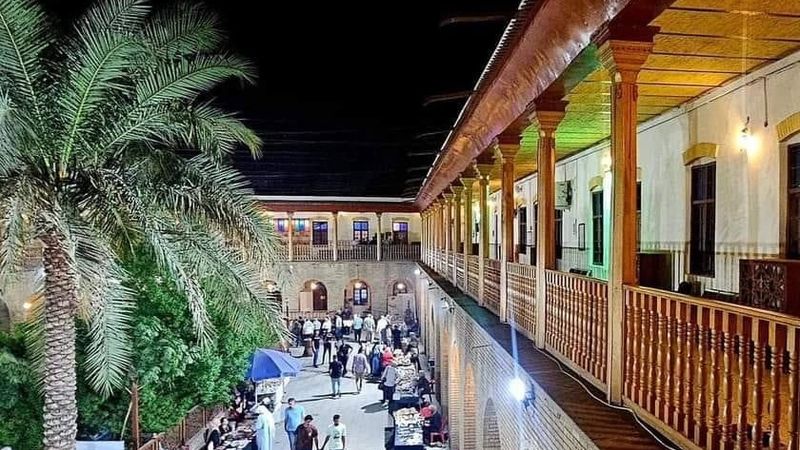
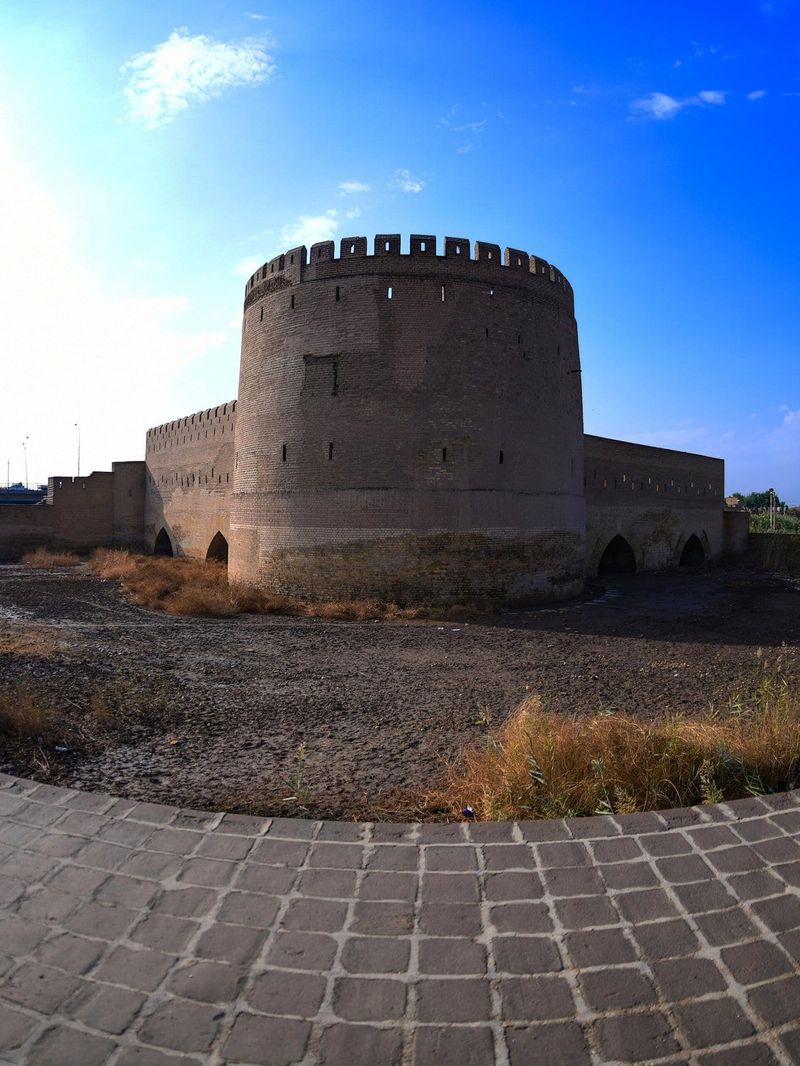
Beside it lies the Qishla, the Ottoman government complex built as army barracks. Its construction began in 1861 under the governor Namık Pasha and was completed by his successor Midhat Pasha. Its brick clock tower, about 23 metres high, rises over gardens along the river. Today the Qishla is a cultural space where musicians, poets and painters gather. On the same stretch is the Shabandar Café, an old meeting place of Baghdad writers, said to have opened in 1917.
Bombing and return
On 5 March 2007 a car bomb exploded in the street, killing around thirty people. Bookshops, stalls and the Shabandar Café were destroyed. The café's owner, Mohammed al-Khashali, lost several of his sons in the blast. The street was rebuilt and reopened in December 2008. Abroad, the San Francisco poet and bookseller Beau Beausoleil answered the bombing with "Al-Mutanabbi Street Starts Here", a project that gathered poems, artists' books and broadsides from around the world.
A new renovation began in August 2021, paid for by Iraqi private banks. The street reopened at the end of December that year. Cars were banned, the road was cobbled, the colonnades repaved and the façades painted, with benches and stalls for the booksellers. Friday is the street's big day, when students, writers and families come to browse the stalls and fill the cafés. A short walk away stands the Abbasid Al-Mustansiriya Madrasa.
Exhibo editorial
Come on a Friday morning. The books are already out on the pavement in long rows. Some of the men selling them have worked this pavement for decades. Novels lie beside old textbooks, religious works and slim books of poetry, priced for students.
The street has been bombed, rebuilt, emptied by war and cleaned up again. What brings it back each time is the people. They come here to read, to argue and to see old friends at the same café tables. Walk all the way down to the river at the end, where the poet stands with his hand raised over the Tigris.
Gallery
How to find it
Al-Mutanabbi Street opens off Al-Rashid Street in old Rusafa, on the east bank of the Tigris. Enter through the arch on Rashid Street and walk down towards the river; the Shabandar Café, the Qishla clock tower and the statue of al-Mutanabbi are at the far end. The street is pedestrianised, so take a taxi to Rashid Street and walk. It is a short walk from the Copper Market and from the Mustansiriya Madrasa near Al-Shuhada Bridge.
Similar places
All places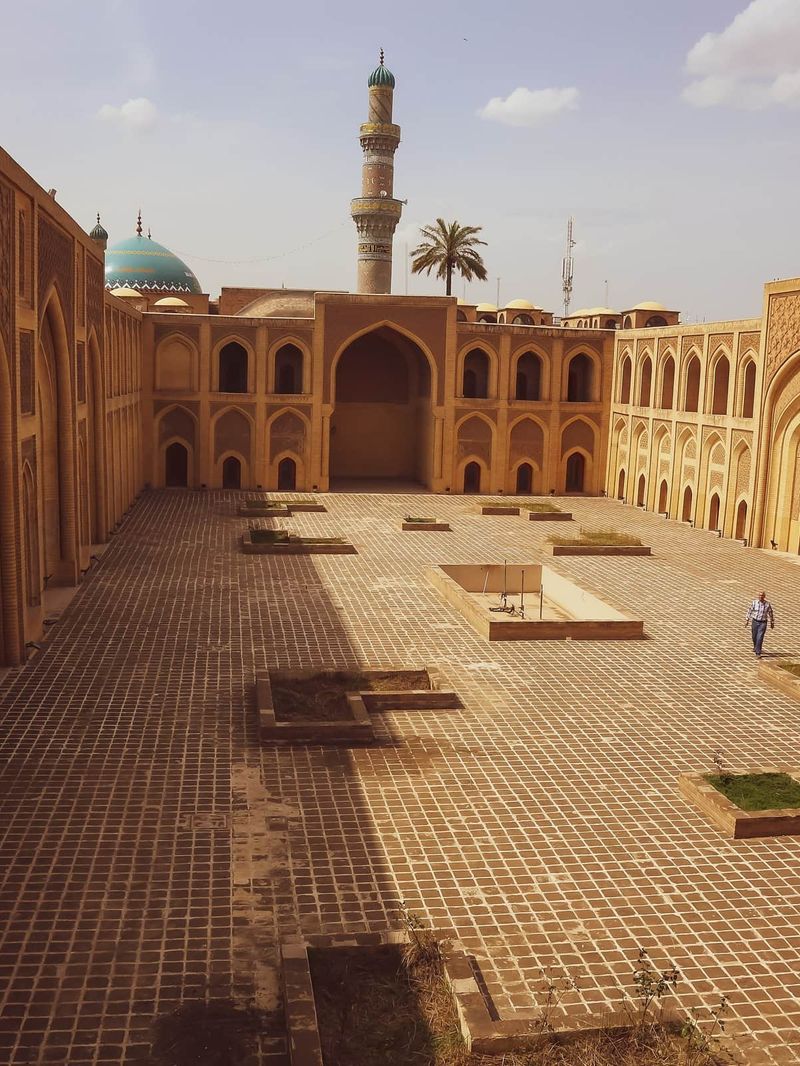
News by Exhibo
Editorial coverage on Exhibo
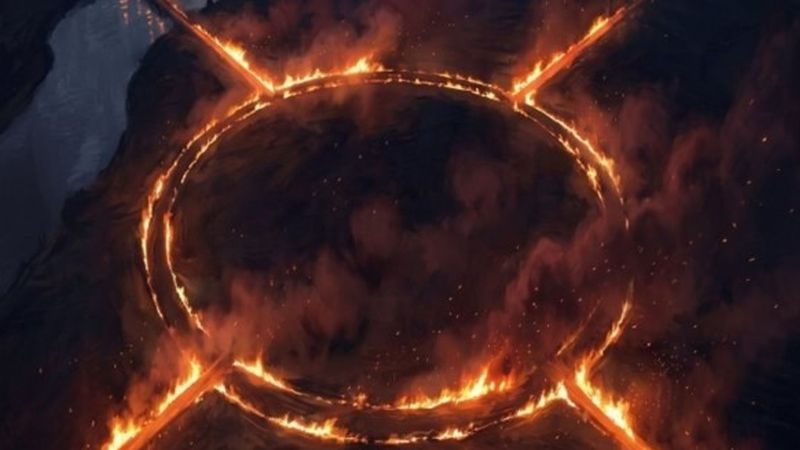
The City With No Ruins: What Is Left of Abbasid Baghdad
A caliph drew his capital in fire, the Mongols erased it, and a video game rebuilt it out of Isfahan and Samarkand. What actually survives of Abbasid Baghdad, where it is, and who else has tried to put it back.
Climb a viewpoint in Assassin's Creed Mirage and you see the Round City whole — double walls, four gates, the green dome at the centre. Nobody has ever seen that view. No excavated remains have been securely identified as any of it. This is what is actually left of ninth-century Baghdad, where you would have to go to stand in it, and why Ubisoft was the second team to rebuild a city that no longer exists.
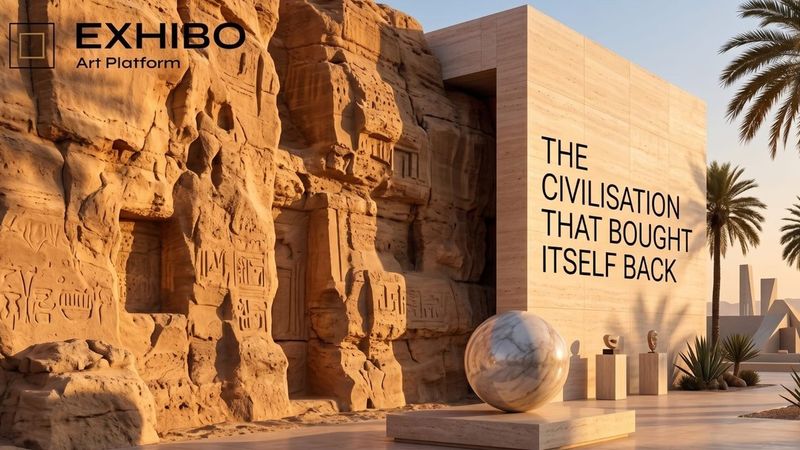
The Civilisation That Bought Itself Back: A Field Guide to Collecting Arab Art
A field guide to collecting Arab and Middle Eastern art — who buys, what it costs, why prices lag cultural significance, and where collectors are looking now.
How the Arab world went from selling its art history to the West to building the fastest-growing market for Middle Eastern art on earth — who buys, why, what it costs, and where the smart money is looking now
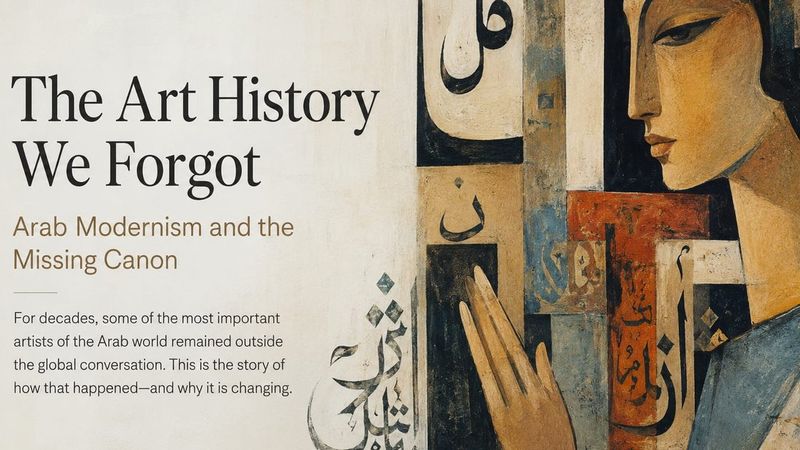
Arab Modernism 101: The Movement That Western Art History Forgot
An entire century of extraordinary painting, sculpture and radical thinking got written out of the global canon. Someone made that decision. And now the market — and the collectors who pay attention — are making a different one.
Great art does not become invisible by accident. Arab Modernism reveals how museums, markets and cultural institutions shape what the world sees — and what it overlooks. A story about artists, recognition and the blind spots that define art history.