Istanbul

Beyoğlu & İstiklal

4 galleries · 5 museums · 0 places

About this district

İstiklal Caddesi runs a straight kilometre and a half from Taksim down to the Tünel, and a few million people walk it on a good weekend. Most of them never look up. If they did, they would see that the art is stacked above the shopfronts — in blocks like the Mısır Apartmanı, an Art Nouveau building halfway down, galleries occupy the upper floors one per landing, reached by a lift off a crowded pavement. This is the busiest street in Turkey and one of its densest gallery corridors at the same time, and the two facts sit on top of each other without touching. The art is vertical here. You step off the street and the noise drops away.

Galleries

Museums

Places

No published places in this district yet.

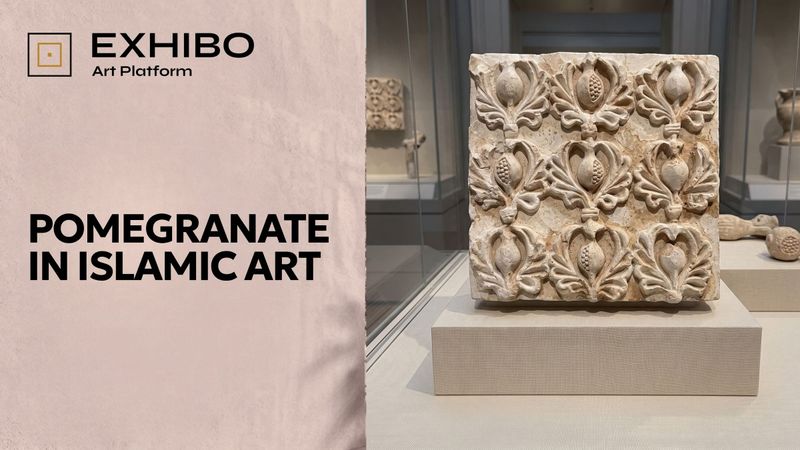
Sixth-century Sasanian moulded stucco panel showing a repeating pomegranate-in-palmette design, excavated near Ctesiphon, in the Metropolitan Museum of Art.
Editorial

The Fruit We Are Sure We Recognize

How the pomegranate became one of the most confidently named motifs in Islamic ornament — and one of the least confidently identified — across a thousand years of tile, silk and stucco, with meanings we mostly attached later.

A slab of sixth-century plaster in the Met shows a fruit you recognise at a glance: a pomegranate, and surely it means paradise. Hold that certainty up to the light and it dissolves. Across a thousand years of tile, silk and stucco, the pomegranate is the shape we name most confidently and identify least — blurring into the artichoke and the palmette, its meanings attached by later viewers, its very name partly a nineteenth-century invention

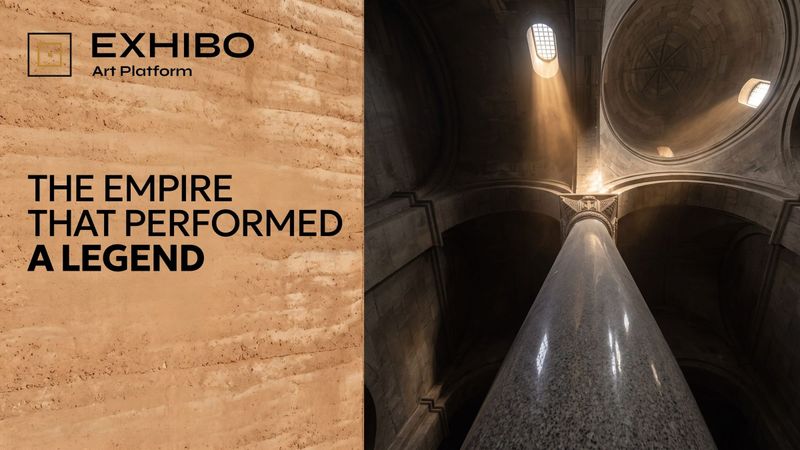
A massive granite column shaft under a stone arch, seen from below, with the dome springing above it.
Editorial

Seventy Thousand Solomons: The Empire That Performed a Legend

A demon catalogue in the conqueror's library, a sixteenth-century text where kingship is an office held seventy thousand times, and the columns a sultan dragged across three provinces to prove he held it.

Mehmed II kept a Greek catalogue of demons in his library at Topkapı. Seventy years later a sultan named for a prophet was rebuilding the walls of Jerusalem and hauling Roman columns out of Egypt and the Lebanon into a mosque above the Golden Horn. In between, Ottoman writers turned Solomon from a warning into a job — and the empire applied for it in stone.