
Istanbul · Turkey
Olivo Barbieri: Time Space Geometry
Aerial surveys and optical distortions reshape how we perceive landscape and history
Aerial Vistas and Distorted Realities
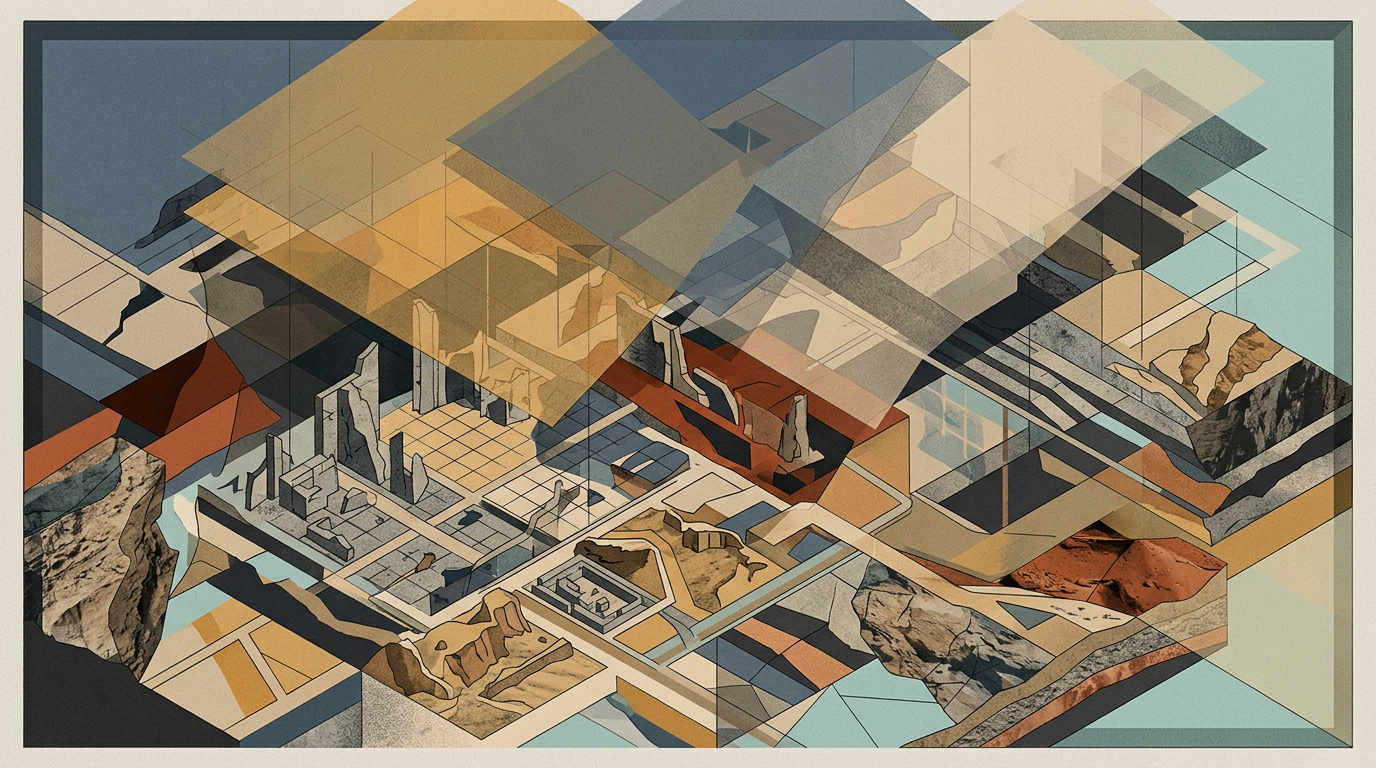
Borusan Contemporary at Perili Kiosk has opened Time Space Geometry, a survey that runs until mid-August 2027. Spanning from September 2026 through August 2027, this presentation marks the first dedicated solo showcase in Turkey for Olivo Barbieri. For over forty years, the Italian photographer has turned his lens skyward, capturing urban grids, geological formations, and heritage landmarks from elevated positions. By manipulating depth of field and employing specialised optical filters, Barbieri systematically destabilises our conventional reading of terrain. What we recognise as sprawling metropolises or rugged mountain ranges are rendered as scaled-down dioramas, their textures softened until they resemble architectural models or synthetic environments.
Compressing History and Geography
The current installation gathers material across five distinct project groups developed throughout his career. Alongside the eponymous body of work, visitors encounter selections from site specific_, The Waterfall Project, Alps – Geographies and People, and Capri. Each collection interrogates the boundary between organic topography and human intervention. The newly commissioned photographs, created exclusively for the institution's holdings, document nine archaeological centres across Anatolia. Sites such as Ephesus, Aphrodisias, Hierapolis, and Laodikeia are stripped of their temporal markers, allowing classical ruins to merge seamlessly with modern visual culture. Meanwhile, the site specific_ portfolio transforms metropolitan layouts in Rome, Los Angeles, Brasília, and Istanbul into flattened geometric studies. Natural spectacles feature prominently in The Waterfall Project, which examines how hydrological features are increasingly mediated by tourism and engineered infrastructure.
The Architecture of Perception
Barbieri's methodology deliberately fractures the illusion of objective documentation. His compositions refuse to anchor the viewer in a single vantage point, instead prompting reflection on how technological mediation alters collective memory. When a coastal ridge is reduced to a graphic plane, or when an amphitheatre dissolves into intersecting lines, the photograph ceases to function as mere record. It becomes an active participant in shaping spatial understanding. This conceptual framework resonates particularly strongly within Perili Kiosk, a historic structure layered with its own architectural narratives. The gallery space encourages a parallel investigation into how environments shift once translated through glass and light. Does an image preserve geography, or does it inevitably rewrite it?
Through sustained formal experimentation, the artist demonstrates that scale and orientation are never fixed. The elevated perspective generates both detachment and unexpected closeness, inviting audiences to examine how cultural conditioning dictates what we choose to see. As the exhibition unfolds across these varied geographical and thematic territories, it ultimately positions the act of observation as a complex journey through time, representation, and constructed reality.
Related reading
The Fruit We Are Sure We Recognize
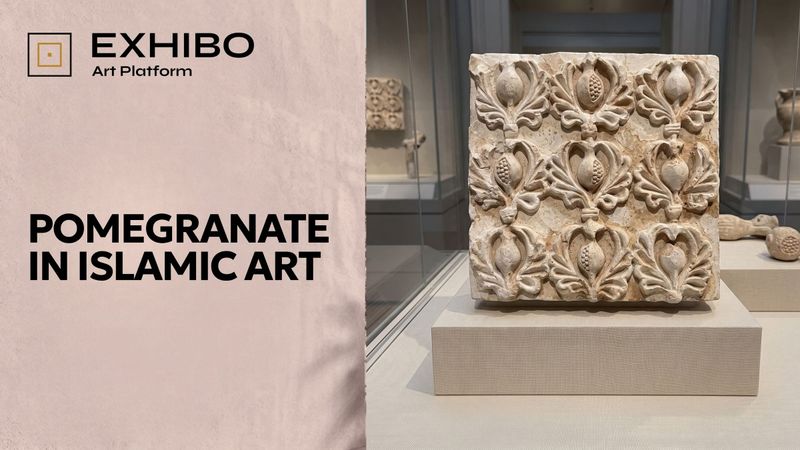
How the pomegranate became one of the most confidently named motifs in Islamic ornament — and one of the least confidently identified — across a thousand years of tile, silk and stucco, with meanings we mostly attached later.
A slab of sixth-century plaster in the Met shows a fruit you recognise at a glance: a pomegranate, and surely it means paradise. Hold that certainty up to the light and it dissolves. Across a thousand years of tile, silk and stucco, the pomegranate is the shape we name most confidently and identify least — blurring into the artichoke and the palmette, its meanings attached by later viewers, its very name partly a nineteenth-century invention
Seventy Thousand Solomons: The Empire That Performed a Legend
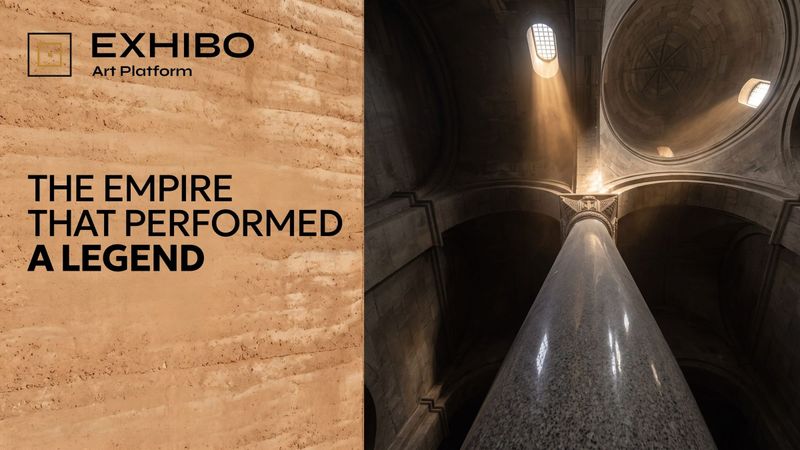
A demon catalogue in the conqueror's library, a sixteenth-century text where kingship is an office held seventy thousand times, and the columns a sultan dragged across three provinces to prove he held it.
Mehmed II kept a Greek catalogue of demons in his library at Topkapı. Seventy years later a sultan named for a prophet was rebuilding the walls of Jerusalem and hauling Roman columns out of Egypt and the Lebanon into a mosque above the Golden Horn. In between, Ottoman writers turned Solomon from a warning into a job — and the empire applied for it in stone.
Where Is Agrabah? The City Disney Assembled From Real Places
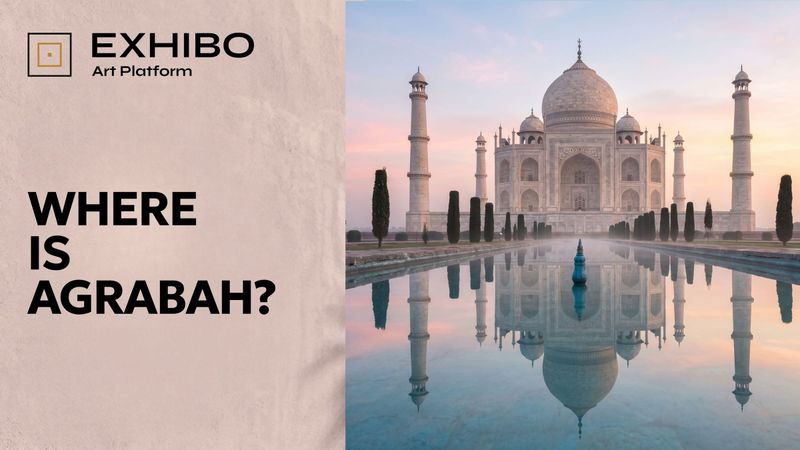
Agrabah was going to be Baghdad. A war made it fictional — and then Disney built it back out of real places, from a tomb in Agra to a valley in Jordan that usually plays Mars.
The Sultan's palace where Princess Jasmine feels trapped has the silhouette of the Taj Mahal — which is not a palace at all, but a tomb. That is how Agrabah works. Disney's fairy-tale city was going to be Baghdad, until the Gulf War made the name impossible; the studio invented a place that could not be found on a map, then quietly rebuilt it out of real ones — Isfahan and Agra, Marrakesh and Mandalay, a Jordanian desert that has played both Arabia and Mars.