Amman

Rainbow Street & Jabal Amman

11 galleries · 0 museums · 0 places

About this district

The hill next door to Weibdeh, and its more public-facing face. Jabal Amman runs along its main artery, Rainbow Street, a pedestrian-friendly stretch of converted 1920s–30s stone houses now holding galleries, cafés, shops and restaurants. It's busier and more visited than Weibdeh — the tourist current runs strong here — but step off the main street onto the side lanes and Khirfan Street and the galleries are still there, quieter. The character is leisure-and-culture rather than pure institution.

Galleries

Museums

No published museums in this district yet.

Places

No published places in this district yet.

Petra Beyond Indiana Jones — blog article
Editorial

Petra Beyond Indiana Jones

The 1989 film gave Petra a façade and invented everything behind it. The real story is in the water systems, the aniconic sculpture, the painter who framed your photograph in 1839 and the families moved out so the world could come in.

Spielberg's crew filmed the Treasury's façade in Jordan, then built the Grail chamber on a soundstage in Hertfordshire — because the real interior of Al-Khazneh is a plain, undecorated room. It's a perfect miniature of how Petra is understood: one wall, photographed a million times a year, standing in for a city that is mostly still unexcavated.

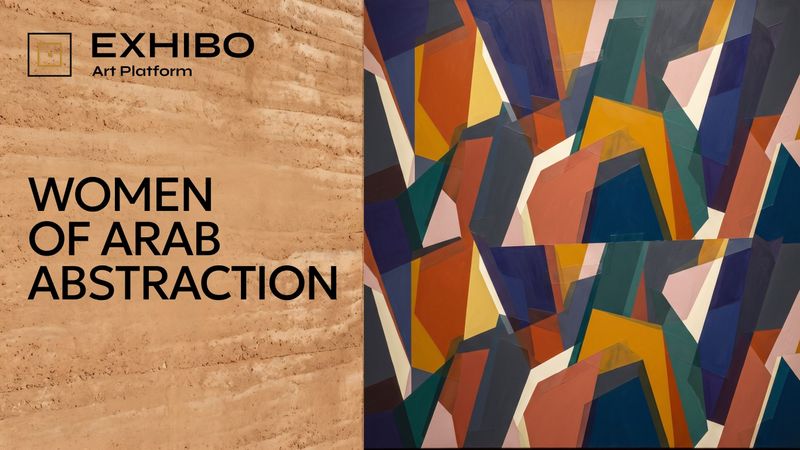
Abstract geometric composition of interlocking angular forms in layered planes of colour.
Editorial

Women of Arab Abstraction

The letter set loose, the line woven, the arabesque the West once threw away — and the women who built modern abstraction out of all three, then got written out of it.

Abstraction is usually told as a Western invention that arrived elsewhere late. Saloua Raouda Choucair, Etel Adnan, Madiha Umar and a room of others tell it differently — often as the only woman in the movement, building modern form from the geometry, craft and calligraphy their own culture already held.

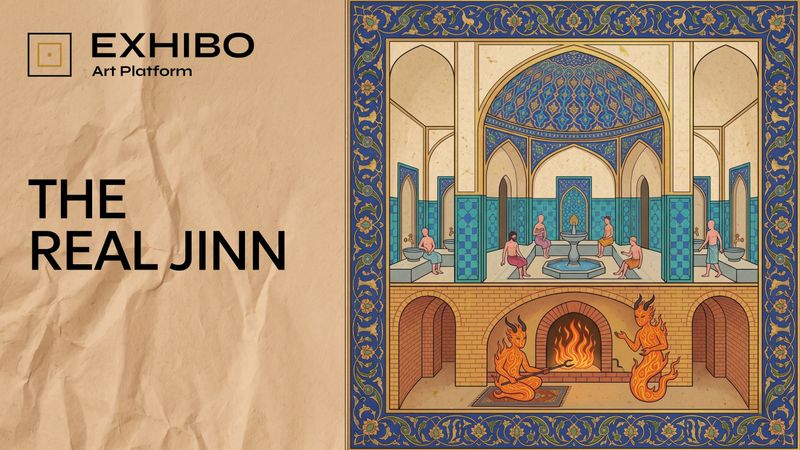
A cross-section of a medieval bathhouse: bathers above, and below them two horned fire spirits tending the furnace that heats the water.
Editorial

The Real Jinn: How the Middle East Imagined Them Before Disney

Seven kings, one for each day of the week. A portrait of Fever. Two spirits keeping a bathhouse warm. What the manuscripts actually show — and what the lamp replaced.

Folio 35v of a manuscript in Oxford shows the public baths at Tiberias in cutaway. Upstairs, people washing. Downstairs, two jinn tending the furnace, mid-conversation. It is not what most of the world expects — and it is much closer to what the unseen was actually understood to be for. A long read across twelve centuries of manuscripts, fieldwork, survey data and horror cinema.