
Abu Dhabi · United Arab Emirates
Frieze Abu Dhabi and the Architecture of Ambition
How a twenty-year fair evolved into a state-backed gateway for the Arab art market
Frieze Abu Dhabi opens its doors from nineteen to twenty-two November.
The timing feels calculated. It coincides with the debut of the Guggenheim Abu Dhabi as 2026 draws to a close. Three other institutions have already taken shape in the Saadiyat Cultural District over the previous eighteen months. You can spot the wider ambition in the second runs of the Public Art Biennial and Nomad Abu Dhabi fair. Plans for the Mina Zayed creative quarter known as Miza continue quietly in the background.
A shifting geography
This art fair has been turning corners for nearly two decades. It started as ArtParis Abu Dhabi in 2007 at the Emirates Palace hotel. Later it became Abu Dhabi Art and settled at Manarat Al Saadiyat. Early exhibitors like Gagosian, White Cube and Hauser & Wirth catered heavily to institutional buyers. They moved expensive Western works. Acquisition strategies shifted during the 2010s. Many large galleries packed up. The focus pivoted toward the Arab region and the Global South. Local players held firm. Green Art Gallery, Dubai's Third Line and Tunisia's Elmarsa stayed put. Their persistence helped improve Arab art onto international stages. Look at the Lawrie Shabibi stand. Mandy El-Sayegh, Shaikha Al Mazrou and Hamra Abbas now command global attention. Dala Nasser took the inaugural Frieze Abu Dhabi Artist Award. She recently showed solo exhibitions at Nottingham Contemporary and Kunsthalle Basel.
Prices remain comparatively low though. The sector lags behind other regions. Dyala Nusseibeh, who directed Abu Dhabi Art from 2016 before taking the reins here, notes that Emirati purchasers accounted for forty-five percent of Middle Eastern and North African art sales in 2025. Younger Gulf collectors are building private collections. Foreign residents join them. Most regional artists still sell locally. That pattern needs breaking. Strictly regional. Nusseibeh describes the current arrangement as a marriage between the fair giant and the Department of Culture and Tourism. It is an evolution rather than a hostile takeover.
Simon Fox leads Frieze. He points to market evolution. The company launched in Seoul last year. Its fifth edition there succeeded. Growth clusters elsewhere now. Abu Dhabi offers fresh collecting cohorts for Western galleries facing stagnation. Third Line secured a booth at No. 9 Cork Street during London alongside its local slot. Exposure flows both ways. Finance meets culture. Ownership structures complicate the picture though. Frieze sits inside Mari, founded by Ari Emanuel after a 2025 corporate split. Mubadala backed Silver Lake with two billion dollars in 2020. The sovereign fund also invested directly in Mari. Media group IMI followed suit. Emanuel cultivated ties with Khaldoon Al Mubarak throughout the 2010s. His brother Mohamed Khalifa Al Mubarak heads the DCT.
State backing cushions the first edition against regional instability. Misaligned museum openings might reduce visitor numbers initially. The broader strategy embraces high-end leisure. Mari controls elite tennis tournaments. ADQ placed one billion dollars into Sotheby's during 2024. Auctions now occupy the five-star St Regis hotel. Aldar developed the adjacent Saadiyat Grove Mall and commissions serious artwork there. Emanuel frames this as an experience system. Past speculation about celebrity crossovers never materialised when Endeavor acquired a stake in 2016. Creative control remains firmly with the fair team. DCT provides input without dictating the catalogue. Purely artistic. Measurable impact stays uncertain. Abu Dhabi positions itself for global elites. Investment firms arrived rapidly until Iranian missile strikes disrupted the Gulf earlier this year. The calendar drives business forward. Frieze occupies November. The Grand Prix follows in December alongside Collectors' Week and the museum launch. Success will hinge on whether participating artists eventually cross onto worldwide platforms. The Guggenheim aims to canonise Arab Modernism across the Maghreb, Egypt, Lebanon, Syria and Iraq. South Asian participation expands further. Experimenter, Galerie Isa, Jhaveri Contemporary, Nature Morte and Project 88 anchor strong commercial booths. Curator Tarini Malik grounds the non-commercial Global Futures section around the Arabian Sea. The fair closes on twenty-two November.
Galleries mentioned

Museums mentioned

Exhibitions mentioned
Related reading
Filmed, but Not Recorded: The Arab World’s Missing Film Locations
Wikidata knows Gladiator was filmed in Morocco. It doesn’t know where.
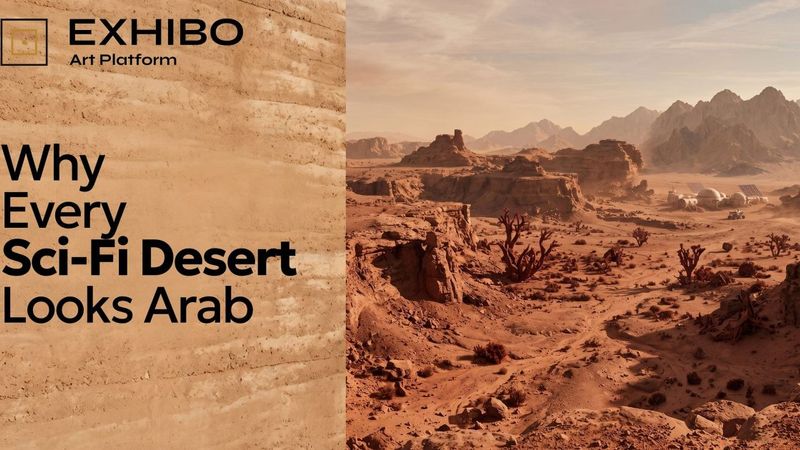
Why Every Sci-Fi Desert Looks Arab
From Arrakis to Tatooine, when a film wants a desert to feel ancient, prophetic and alien, it reaches for an Arab and Berber vocabulary — and reveals more about the West that built it than the region it borrows from.
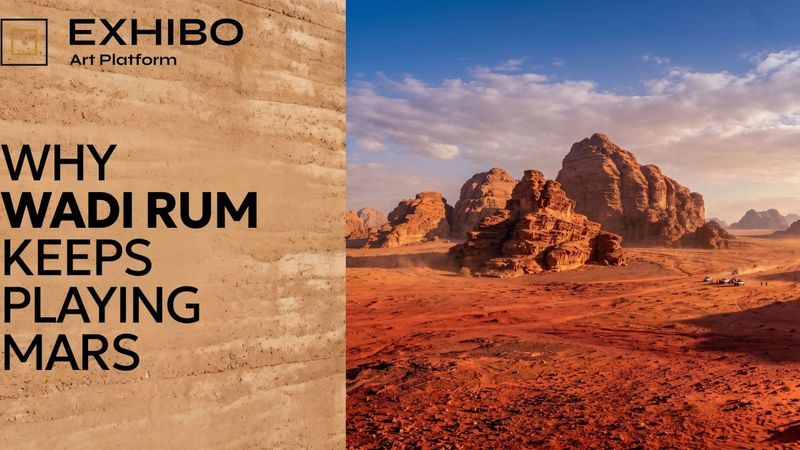
Why Wadi Rum Keeps Playing Mars: A Desert That Is Right About the Wrong Planet
A valley in southern Jordan has become cinema's favourite Mars — not because it is like the planet, but because it looks like the one we carry in our heads.