
Thuburbo Majus is the ruined Roman city near El Fahs, about sixty kilometres south-west of Tunis by road, in one of the most fertile plains of northern Tunisia. Manouba, the nearest Exhibo district, lies about fifty kilometres to the north. With Uthina and Carthage it is one of the great archaeological sites of the Tunis region.
The name is Berber in origin. The Punic past shows in the town's later cults, where Saturn took over the worship of Baal Hammon and Caelestis that of Astarte. Under Augustus it became the centre of a district. In 128, under Hadrian, it was raised to the rank of municipium. It reached its height between the mid second and mid third centuries, when trade between the inland farms and the coastal cities made it rich. Commodus made it a Roman colony in 188. The town declined from the late third century, was revived under Constantine and his successors. It later held a bishopric before fading away in the Vandal period.
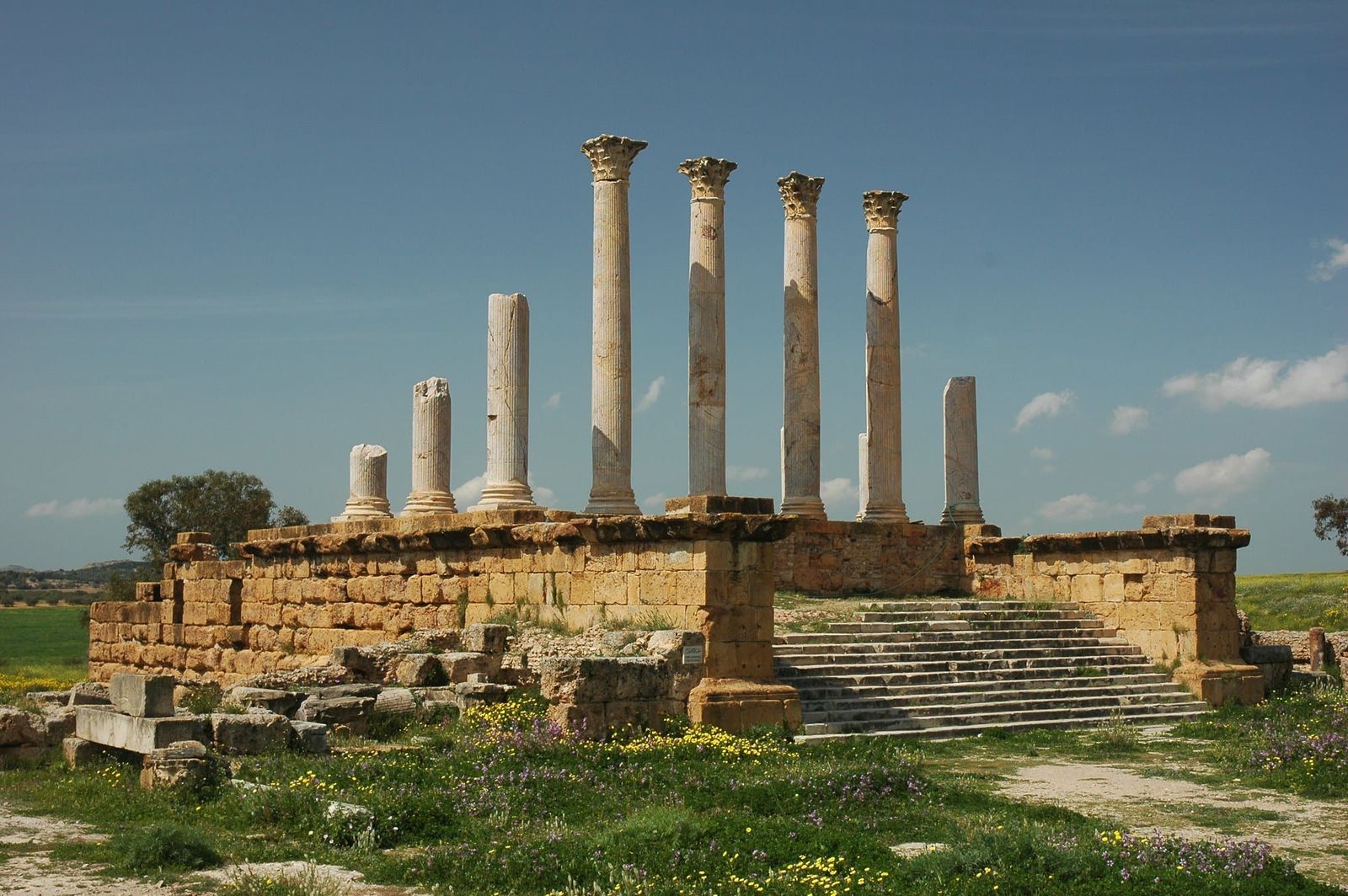
The capitol dominates the site. Dated to 168, it rises on a high podium above the forum. Four of the six Corinthian columns of its facade, each about eight and a half metres tall, still stand. Below it lies the square forum, about forty-five metres on each side, built in the second century and restored in the fourth, with porticoes on three sides and the remains of the curia nearby. The Temple of Mercury, dedicated in 211, has an unusual circular courtyard ringed by eight columns.
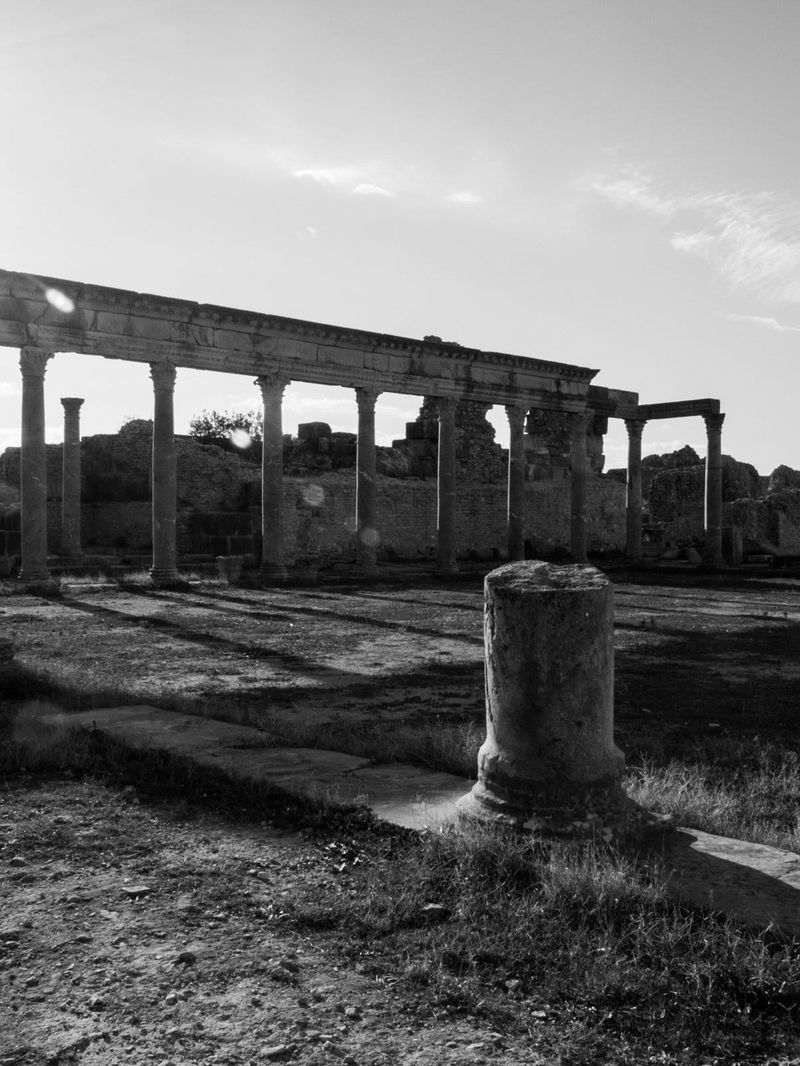
Further on are the summer and winter baths, both richly decorated. Then comes the palaestra given to the city by the Petronii family in 225 for exercise, with a colonnade of grey marble columns still standing. Sanctuaries of Saturn and Caelestis, a temple later turned into a Christian basilica and an amphitheatre set against the slope complete the city. The French scholar Charles Tissot identified the site in 1857. Much of its forty hectares remains unexcavated. Many of its mosaics and the fragments of a colossal statue of Jupiter are now in the Bardo National Museum.
Exhibo editorial
Thuburbo Majus is the kind of ruin that makes you understand why the Romans wanted North Africa. Stand on the steps of the capitol and look out: wheat fields to the horizon, low hills, a wide sky. The city lived off this land for centuries and it is still being farmed around the edges.
Visit in spring if you can, when the site is green and full of wild flowers and the columns of the Petronii palaestra rise out of the grass. There are rarely crowds. You can wander the paved streets between baths, temples and houses with the strange feeling of having a Roman town almost to yourself.
Gallery
How to find it
Thuburbo Majus is about three kilometres north of El Fahs, on the road from Tunis to El Fahs and Kairouan. It is about an hour's drive from central Tunis. The entrance and ticket office are by the road. A car or taxi is the practical way to visit; the site is large, so allow at least two hours.
Similar places
All places
News by Exhibo
Editorial coverage on Exhibo
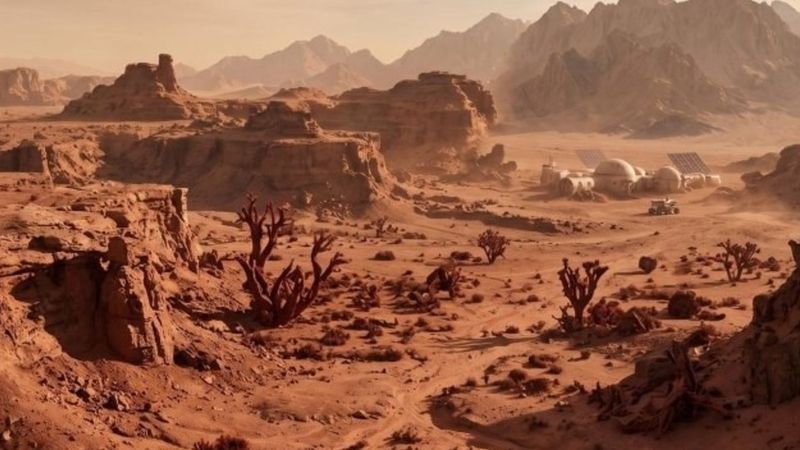
Why Every Sci-Fi Desert Looks Arab
From Arrakis to Tatooine, when a film wants a desert to feel ancient, prophetic and alien, it reaches for an Arab and Berber vocabulary — and reveals more about the West that built it than the region it borrows from.
The wrapped faces, the trilling women, the barely-displaced Arabic: cinema's alien deserts keep sounding Arab. But the vocabulary was assembled in the West — from Orientalist painting to Lawrence to Dune — and it says more about who is looking than about anyone being looked at.
The Real Aladdin: The Story That Belonged to No Country
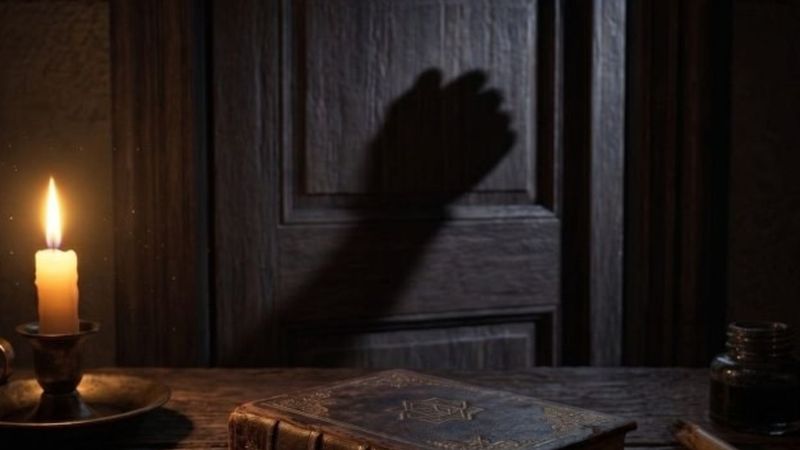
Aladdin has no Arabic manuscript older than its French translation. Behind the gap stands a young man from Aleppo, catalogued for a century as anonymous.
The most famous "Arabian" tale in the world is missing from the oldest Arabic manuscript of the Thousand and One Nights — because before a French translator wrote it down in Paris, there was no manuscript of it to be missing from.
The Fruit We Are Sure We Recognize
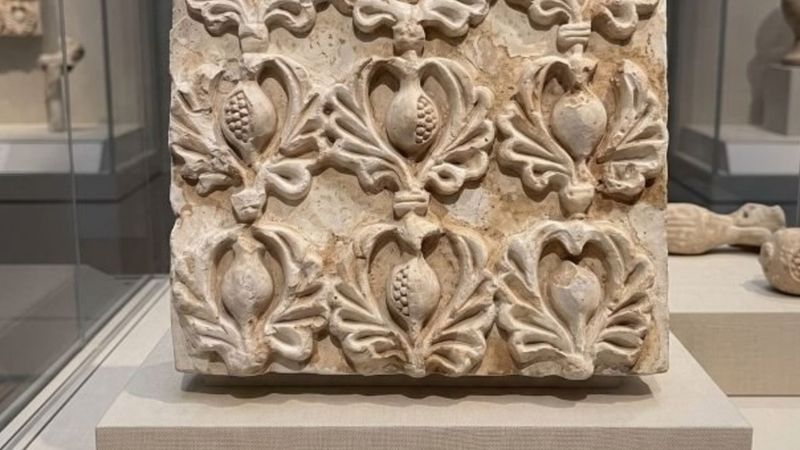
How the pomegranate became one of the most confidently named motifs in Islamic ornament — and one of the least confidently identified — across a thousand years of tile, silk and stucco, with meanings we mostly attached later.
A slab of sixth-century plaster in the Met shows a fruit you recognise at a glance: a pomegranate, and surely it means paradise. Hold that certainty up to the light and it dissolves. Across a thousand years of tile, silk and stucco, the pomegranate is the shape we name most confidently and identify least — blurring into the artichoke and the palmette, its meanings attached by later viewers, its very name partly a nineteenth-century invention