Parc du Belvédère, Tunis
The great hillside park of Tunis, laid out in 1892, with a koubba from a beylical palace at the top and the whole city below.
The Parc du Belvédère is the largest park in Tunis, covering around a hundred hectares of wooded hillside north of the city centre. It was created in 1892 on the initiative of the municipality and designed as a landscape park in the English manner by Joseph Lafourcade, then chief gardener of the City of Paris. Planting went on through the 1890s. The park opened to the public at the turn of the twentieth century.
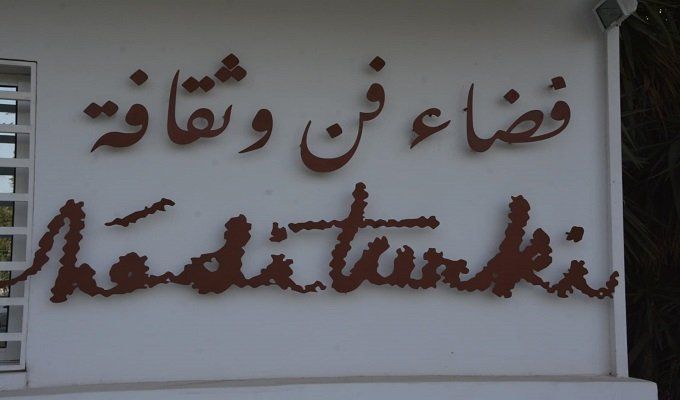
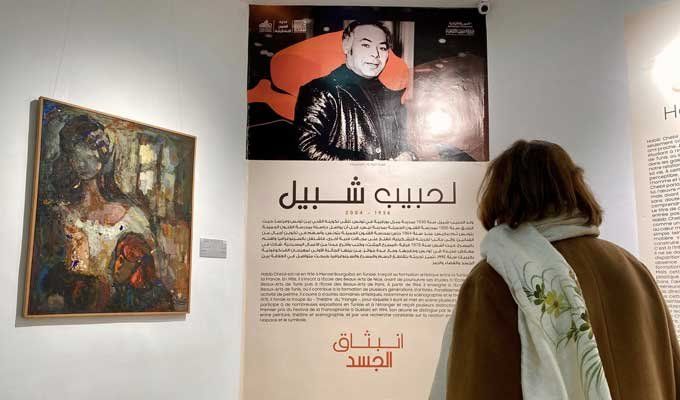
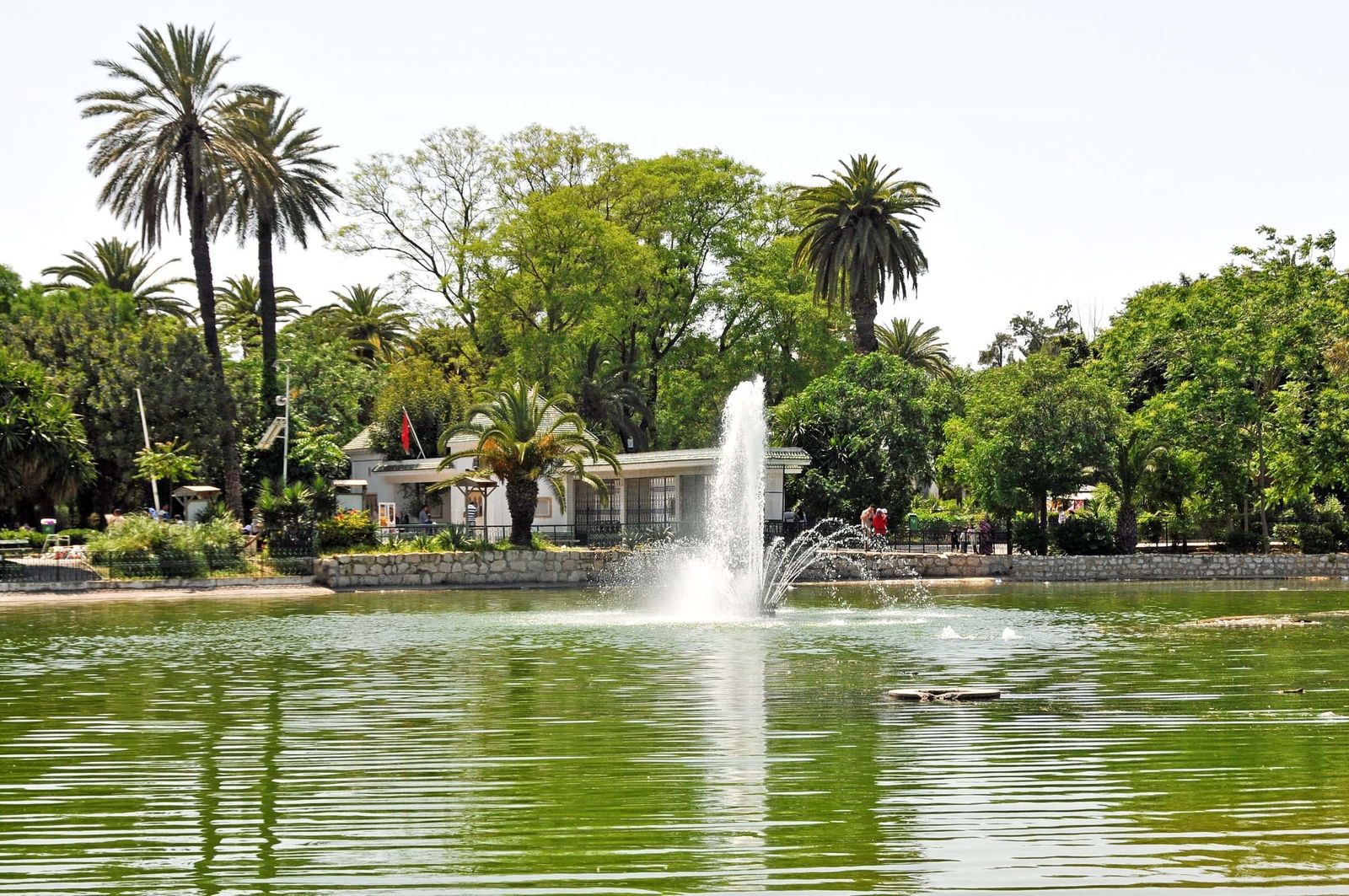
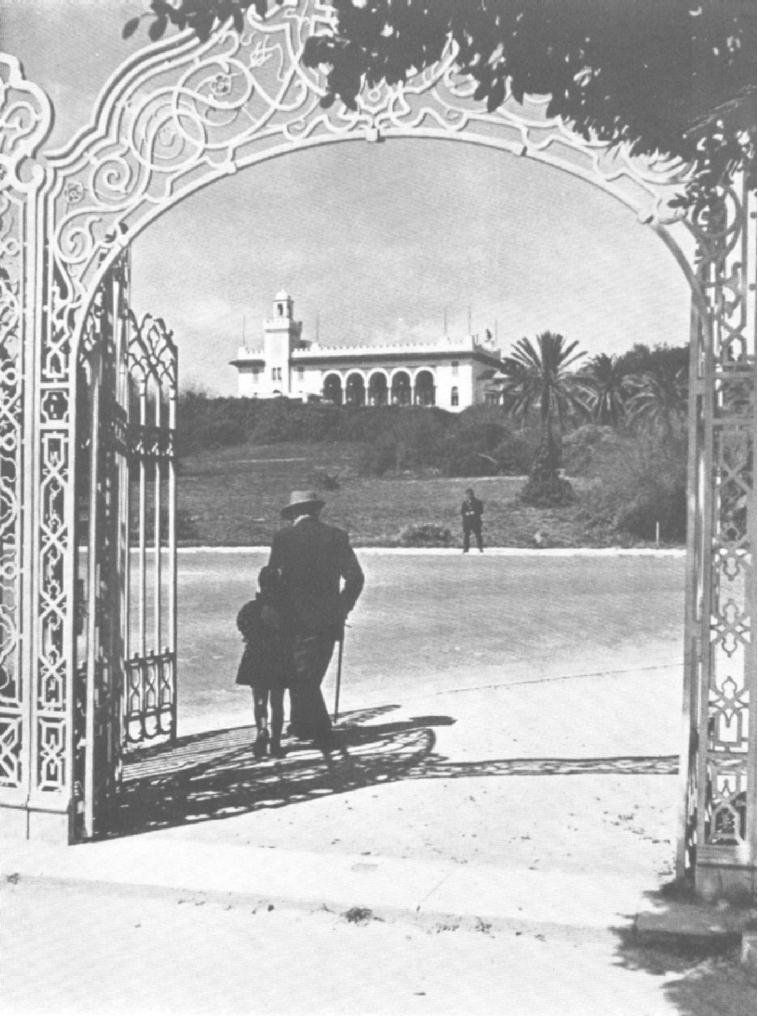
Lafourcade laid it out as a network of winding drives and paths through pines, palms, ficus, eucalyptus and olive trees, rising towards a plateau about eighty metres above the city. At the lower end lie an ornamental lake with fountains and swans, lawns and a café. Near the main entrance stands the former casino, a neo-Moorish pavilion of the early 1900s, which now houses the Maison des Arts du Belvédère.
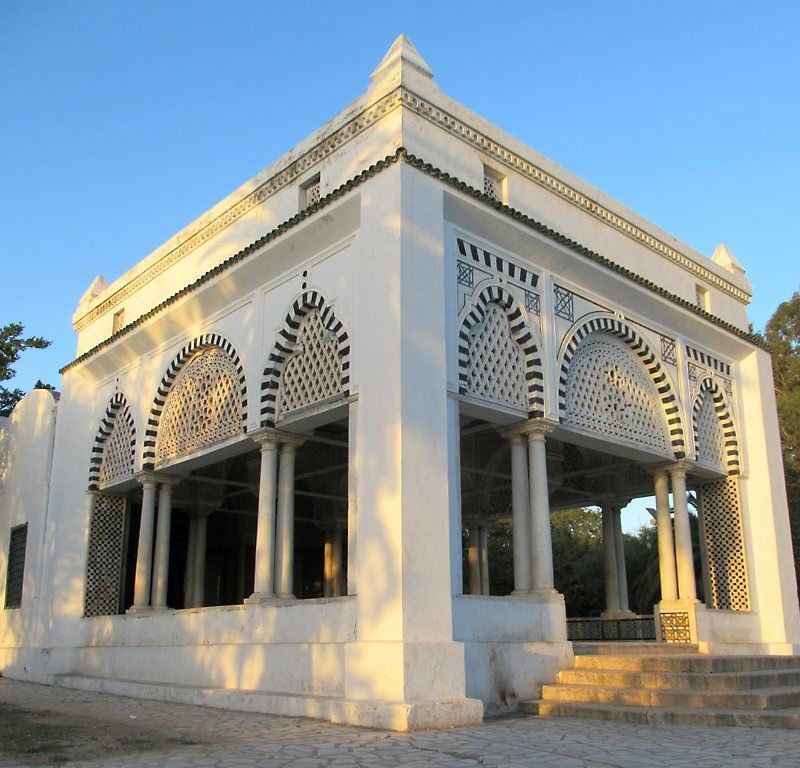
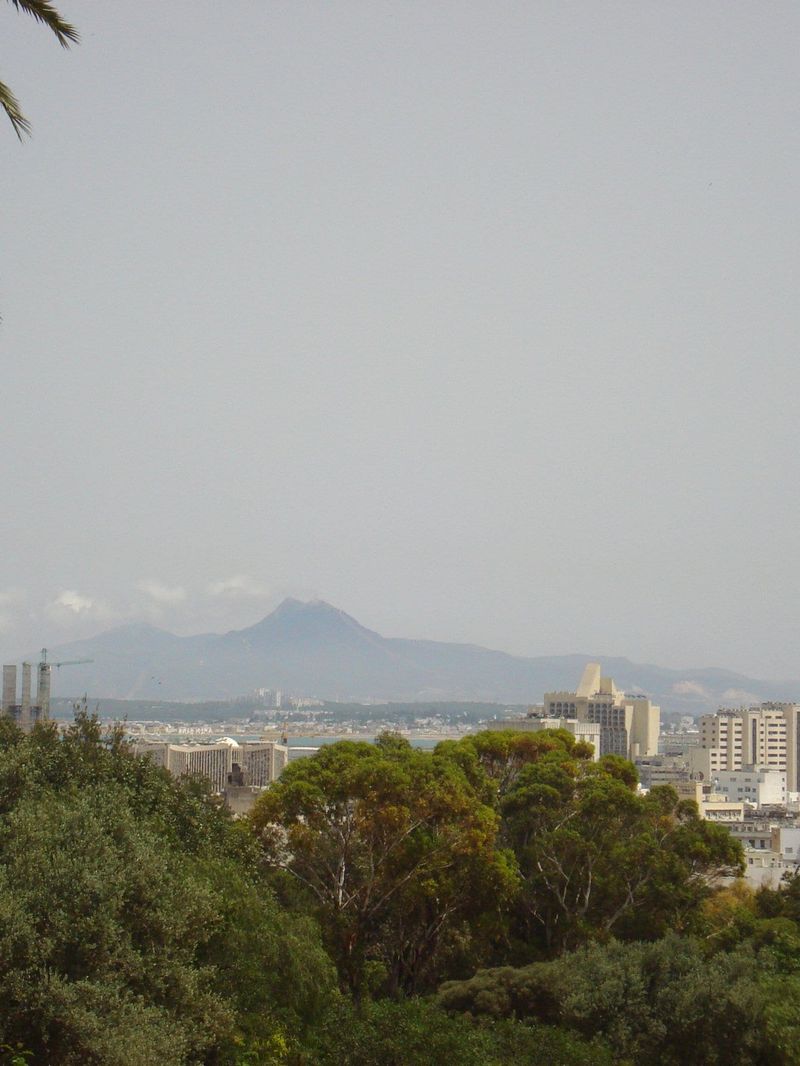
The finest building in the park is the Koubba at the top of the hill. This pavilion of the beylical era, with a square hall, sculpted plaster arches and a cluster of small domes around a larger ribbed one, originally stood in the grounds of a palace at La Manouba, west of Tunis. Under the protectorate it was dismantled, carried to the Belvédère and rebuilt on the summit. From its terrace the view takes in the rooftops of Tunis, the lake and gulf beyond. On clear days the twin peaks of Djebel Bou Kornine.
A zoo was laid out in the park in the 1960s and remains one of its main draws for families, with lions, elephants, flamingos and a long list of African species. In 1989 residents founded the Association des Amis du Belvédère to defend the park against encroachment and to press for its restoration. For the people of Tunis it is still the place for a Sunday walk, a picnic under the pines or an early morning run.
Exhibo editorial
Every city needs a hill to climb out of itself. The Belvédère is that hill for Tunis. Twenty minutes from the traffic of Avenue Habib Bourguiba the noise falls away into pine needles, joggers and families spreading blankets under trees planted by a Parisian gardener well over a century ago.
Walk up rather than drive. The paths zigzag through shade until the Koubba appears at the top, white and delicate, a beylical pavilion that has been taken apart once and put back together far from home. It looks oddly content up there. Stand on its terrace in the late afternoon and the whole city spreads out below, with Bou Kornine floating on the horizon.
Gallery
How to find it
The main entrance is at the southern foot of the hill, near the Institut Pasteur, about ten minutes by taxi north of Avenue Habib Bourguiba. The Koubba is at the top of the hill, a walk of around twenty minutes uphill through the park. The zoo has its own gate inside the park.
Similar places
All places
News by Exhibo
Editorial coverage on Exhibo
Why Every Sci-Fi Desert Looks Arab
From Arrakis to Tatooine, when a film wants a desert to feel ancient, prophetic and alien, it reaches for an Arab and Berber vocabulary — and reveals more about the West that built it than the region it borrows from.
The wrapped faces, the trilling women, the barely-displaced Arabic: cinema's alien deserts keep sounding Arab. But the vocabulary was assembled in the West — from Orientalist painting to Lawrence to Dune — and it says more about who is looking than about anyone being looked at.
The Real Aladdin: The Story That Belonged to No Country
Aladdin has no Arabic manuscript older than its French translation. Behind the gap stands a young man from Aleppo, catalogued for a century as anonymous.
The most famous "Arabian" tale in the world is missing from the oldest Arabic manuscript of the Thousand and One Nights — because before a French translator wrote it down in Paris, there was no manuscript of it to be missing from.
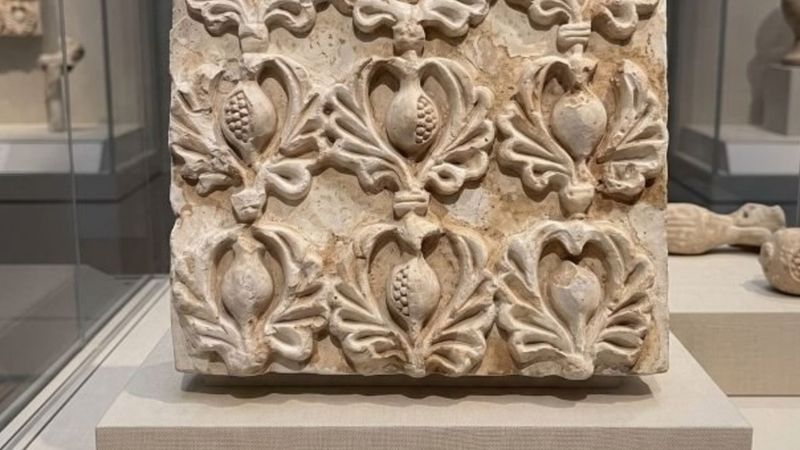
The Fruit We Are Sure We Recognize
How the pomegranate became one of the most confidently named motifs in Islamic ornament — and one of the least confidently identified — across a thousand years of tile, silk and stucco, with meanings we mostly attached later.
A slab of sixth-century plaster in the Met shows a fruit you recognise at a glance: a pomegranate, and surely it means paradise. Hold that certainty up to the light and it dissolves. Across a thousand years of tile, silk and stucco, the pomegranate is the shape we name most confidently and identify least — blurring into the artichoke and the palmette, its meanings attached by later viewers, its very name partly a nineteenth-century invention