Walls for a capital
Marrakech was founded by the Almoravids in 1070 to 1072 and soon became the capital of an empire that reached from the Sahara to Andalusia. By the 1120s the city faced a rising threat from the Almohads in the Atlas mountains. In 1126 the Almoravid ruler Ali ibn Yusuf began to enclose the city with walls to protect the capital, its treasury and its rulers. The first circuit went up with remarkable speed.
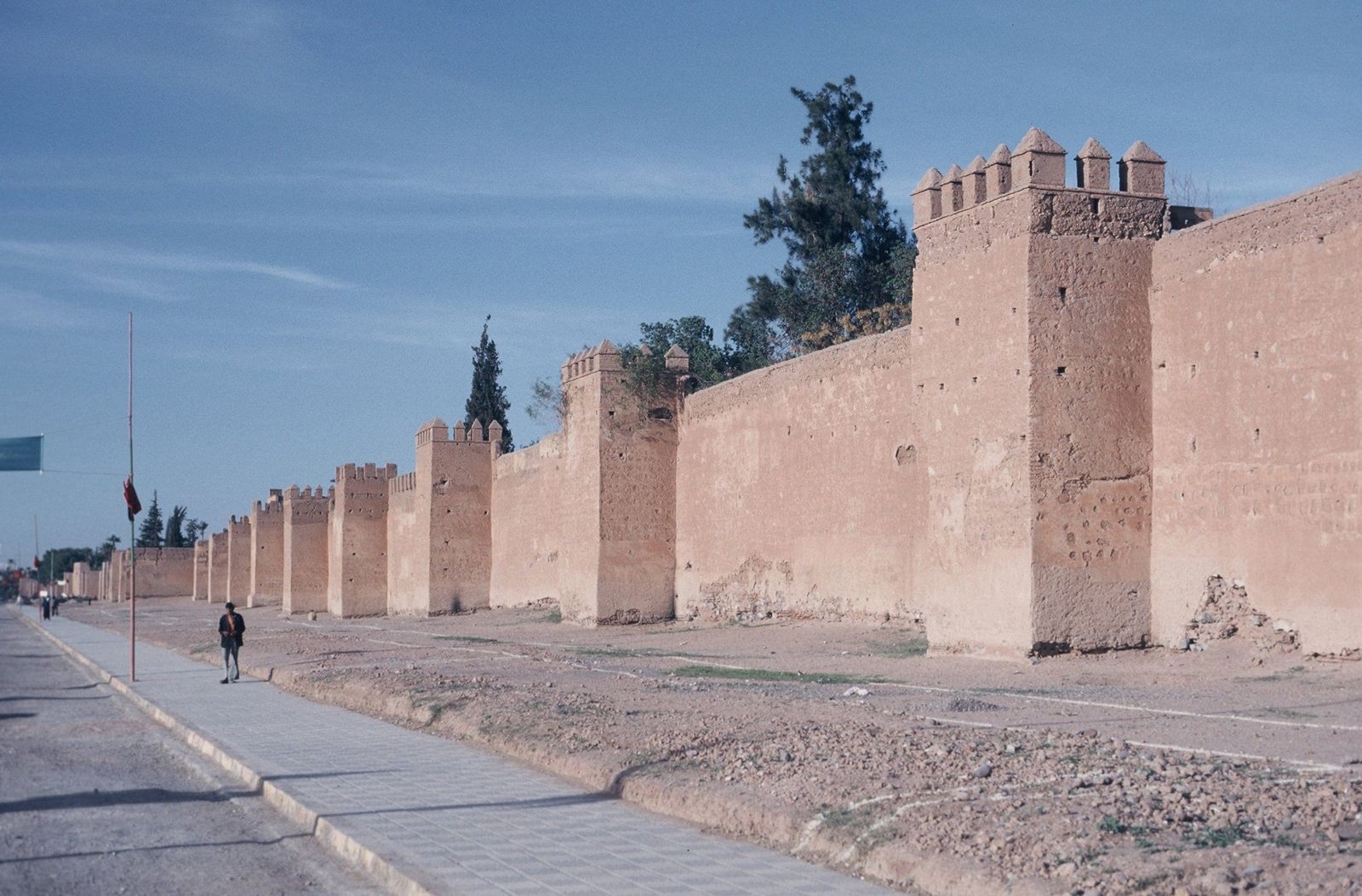
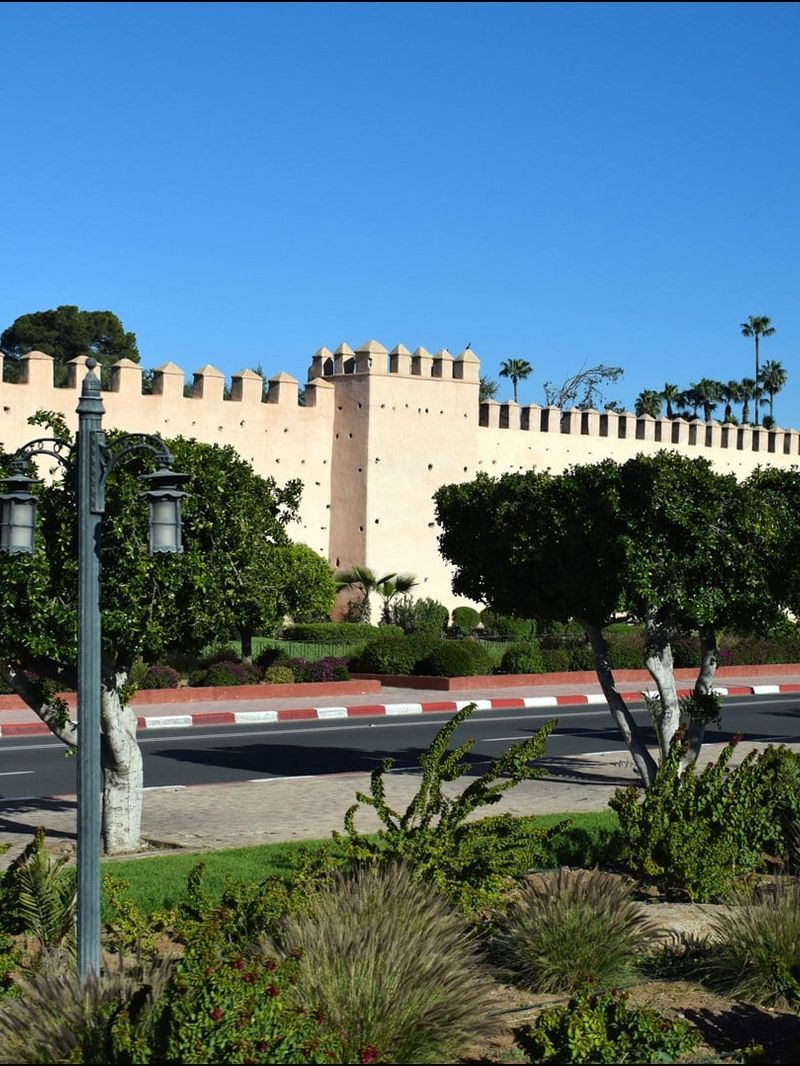
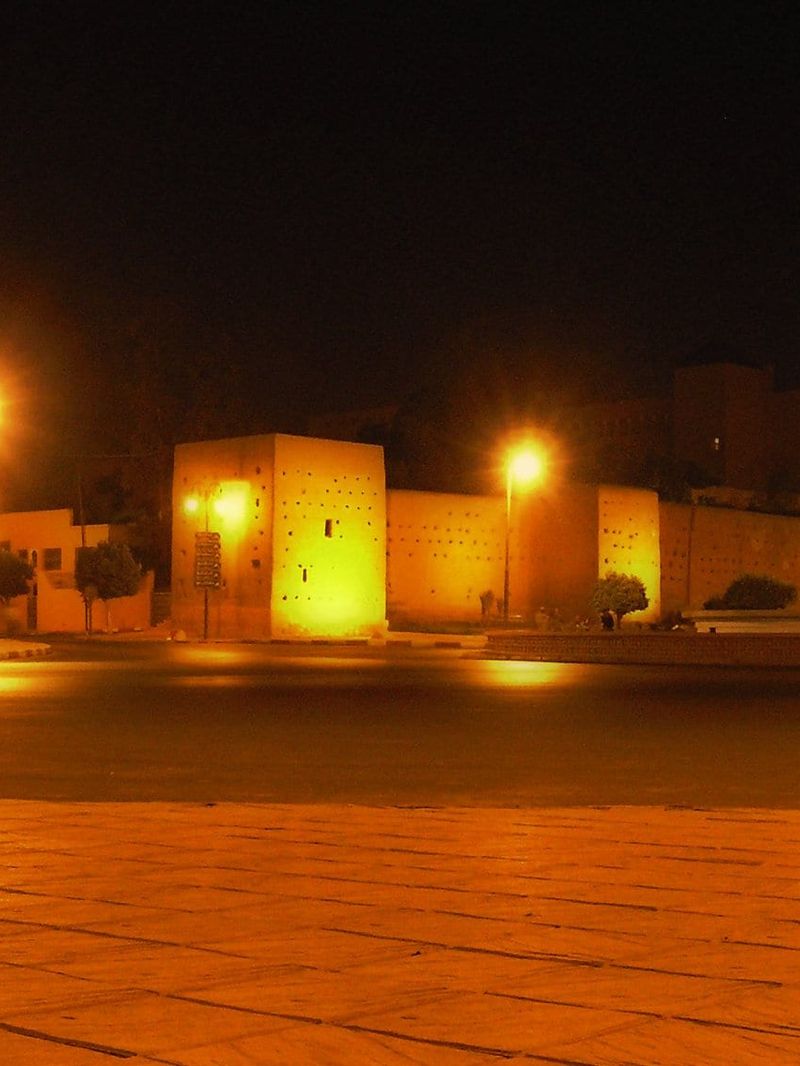
Stone was scarce and slow to work, so the walls were built of pisé, known locally as tabiya: moist earth packed hard between wooden boards, layer upon layer. The red soil of the Haouz plain suited the technique. The small square holes that dot the walls are where the beams of the formwork once sat. Rammed earth gives Marrakech its famous colour and its nickname, the Red City.
Towers, walkways and gates
The plan is an irregular polygon that follows the sprawl of the early city. The walls run for roughly ten kilometres around the medina. They stand some 8 to 10 metres high. About two hundred square towers project from the outer face.
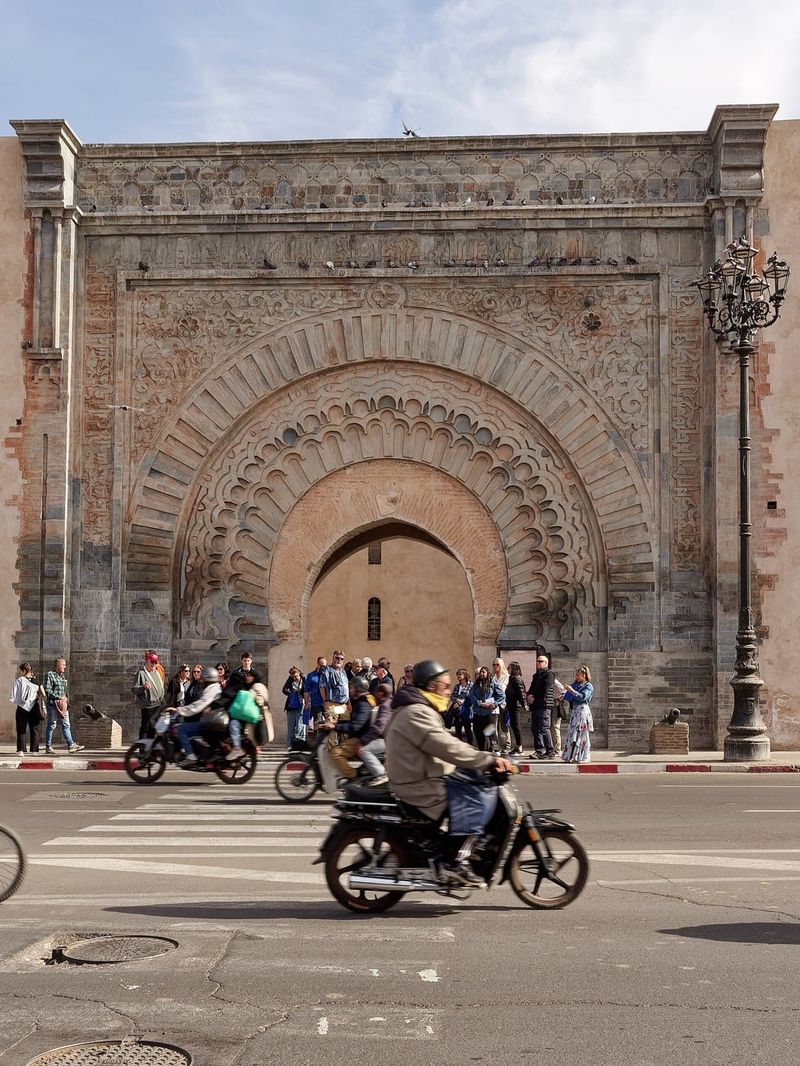
The first walls had a dozen main gates. Many of their names survive in the life of the city today: Bab Doukkala in the west, Bab el-Khemis in the north, Bab Debbagh by the tanneries, Bab Aghmat in the south-east. The Almohads took Marrakech in 1147 and made it their own capital. They built a royal citadel, the kasbah, on the south side of the medina. Its public entrance is Bab Agnaou, the finest gate in the city. Unlike the earthen walls it is built of carved stone. Bands of ornament and a Kufic inscription frame its horseshoe arch.
Later walls
The city kept growing and so did its defences. In the 19th century Sultan Moulay Abd al-Rahman enclosed the vast Agdal gardens south of the kasbah with new walls. Much of the medina is still surrounded by its 12th-century walls today. The ramparts and monumental gates are named by UNESCO among the masterpieces of the Medina of Marrakesh, inscribed on the World Heritage List in 1985. Inside the walls the minaret of the Koutoubia Mosque still rises above the roofs, as it has since the Almohads.
Exhibo editorial
The walls are easy to stop seeing. Taxis run beside them all day. Mopeds pour through the gates. Yet this is one of the longest continuous city enclosures still standing, raised in a hurry by a dynasty that knew its enemies were coming down from the mountains.
Walk a stretch of it in the last hour of daylight. The pink deepens to rust, then almost to red. The rows of beam holes turn into lines of shadow. At Bab Agnaou the earth gives way to carved stone. Here you see what the Almohads wanted their capital to say at the door.
Gallery
How to find it
The walls ring the whole medina, so you meet them wherever you enter the old city. For Bab Agnaou walk south from Jemaa el-Fna past the Koutoubia gardens and along Rue de la Kasbah, about 15 minutes; the gate opens into the kasbah quarter beside the Kasbah Mosque. Good stretches to walk along the outside are between Bab Doukkala and Bab el-Khemis in the north-west. Another runs along Avenue Mohammed V near the Koutoubia. A horse-drawn calèche tour of the ramparts starts from Place de la Liberté and the Koutoubia area.
Similar places
All places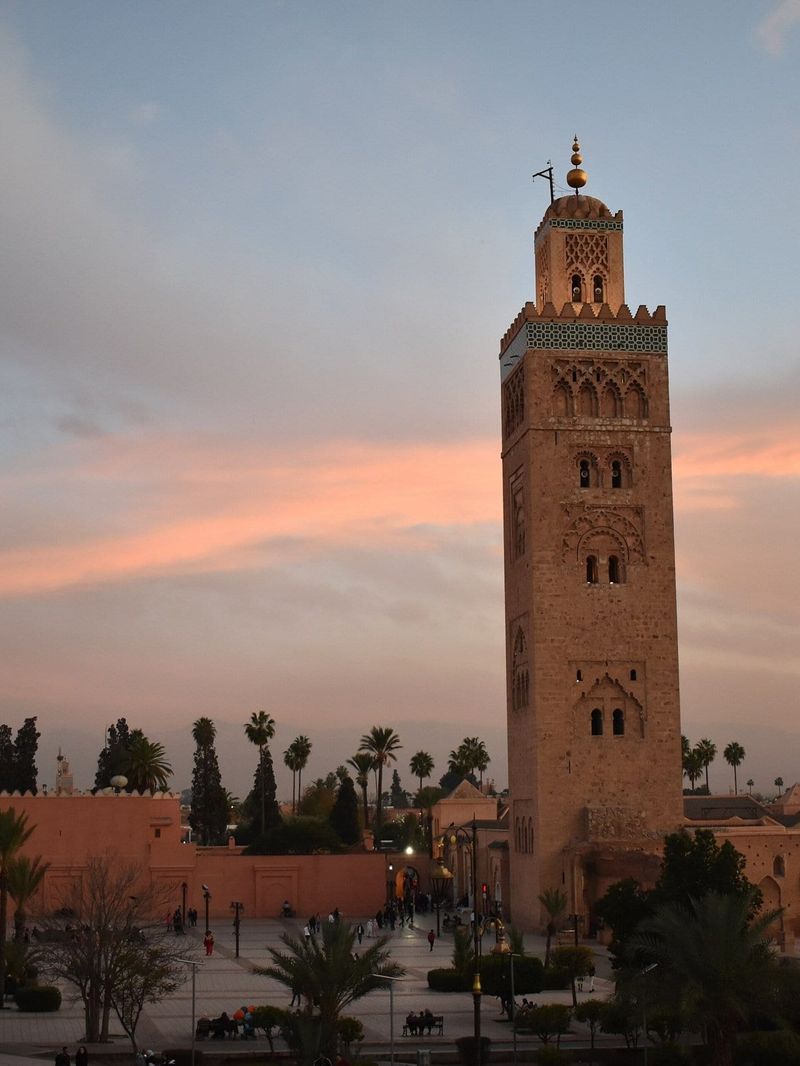
News by Exhibo
Editorial coverage on Exhibo
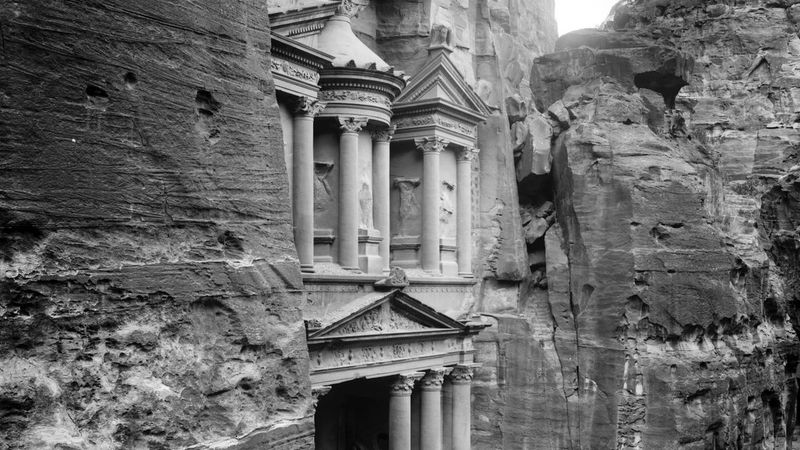
Filmed, but Not Recorded: The Arab World’s Missing Film Locations
Wikidata knows Gladiator was filmed in Morocco. It doesn’t know where.
Ouarzazate is the second most filmed place in the Middle East and North Africa, yet 25 of its 27 productions are recorded only in Wikipedia prose. We compared filming records worldwide and found that in the Arab world, Wikidata usually knows the country but not the place.
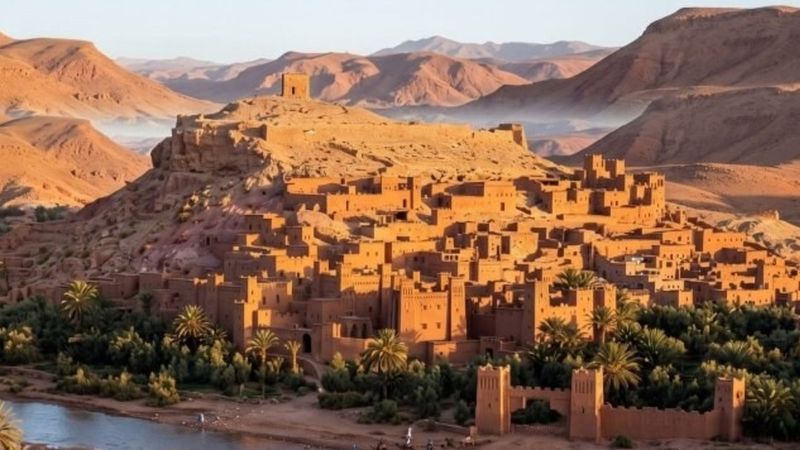
Gladiator and Game of Thrones: Inside Aït Benhaddou
The earthen ksar that has played Rome, Jerusalem and Yunkai survives only because people keep rebuilding it. What cinema films as eternity is, wall by wall, a work of constant repair.
Aït Benhaddou is cinema's favourite image of the ancient past, from Gladiator to Game of Thrones. But its earthen walls last only as long as someone keeps repairing them, so the set for eternity is the freshest mud in Morocco.
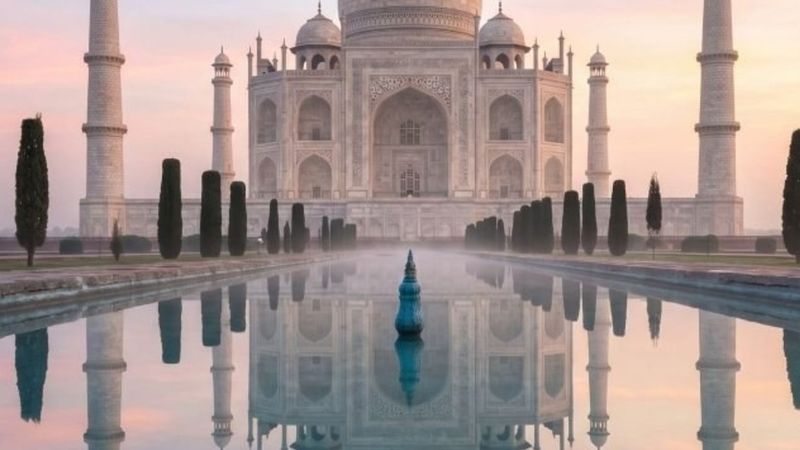
Where Is Agrabah? The City Disney Assembled From Real Places
Agrabah was going to be Baghdad. A war made it fictional — and then Disney built it back out of real places, from a tomb in Agra to a valley in Jordan that usually plays Mars.
The Sultan's palace where Princess Jasmine feels trapped has the silhouette of the Taj Mahal — which is not a palace at all, but a tomb. That is how Agrabah works. Disney's fairy-tale city was going to be Baghdad, until the Gulf War made the name impossible; the studio invented a place that could not be found on a map, then quietly rebuilt it out of real ones — Isfahan and Agra, Marrakesh and Mandalay, a Jordanian desert that has played both Arabia and Mars.