
Al Seef Promenade
Nearly two kilometres of Dubai Creek waterfront split in two — a re-aged heritage village on one side, glass-and-steel pavilions on the other.
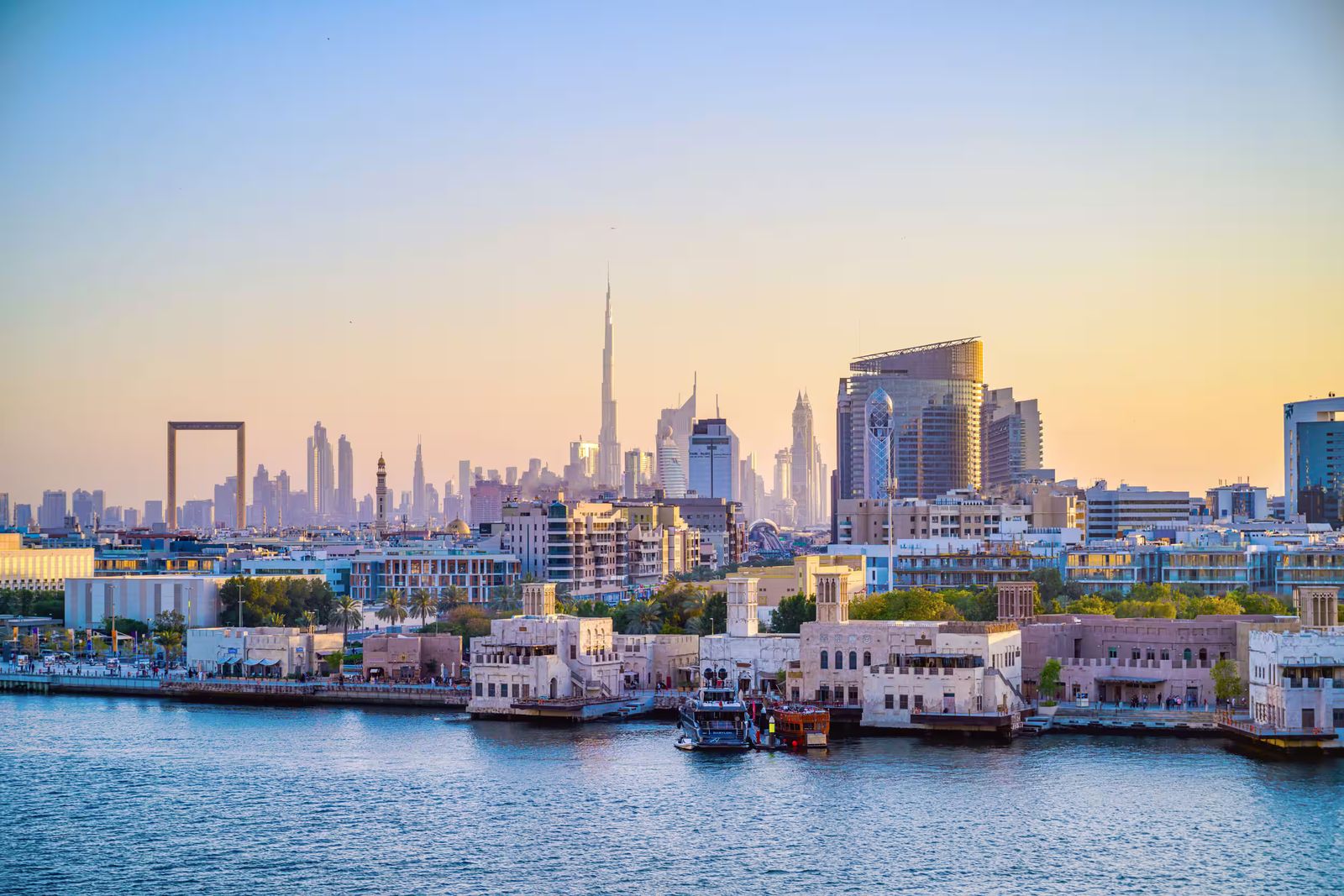
Al Seef is a 1.8-kilometre pedestrian waterfront along Dubai Creek, developed by Meraas beside the historic Al Fahidi neighbourhood in Bur Dubai and opened on 28 September 2017. Built on the stretch of water historically associated with fishing and pearling, it was conceived under a 'where old meets new' master plan that deliberately splits the promenade into two contrasting architectural districts.
The Heritage District, designed by GAJ (Godwin Austen Johnson), recreates the buildings of old Dubai — sand-coloured coral-stone walls, wooden balconies, carved doors and barjeel wind towers, threaded with narrow sikka alleys, a souk, craft shops, an amphitheatre and a heritage hotel. Crucially, these are new buildings made to look old: the architects used ageing techniques and carefully calculated 'degradation percentages' so the structures appear to have weathered decades of creek-side life. The Contemporary District, designed by 10 Design (led by Gordon Affleck and Paul Rodgers), runs along roughly 670 metres of waterfront as a series of clean glass-and-steel standalone pavilions with open terraces, retail, dining, a marina and hospitality.
Unlike Dubai's enclosed, air-conditioned malls, Al Seef is human-scale and open-air: low-rise buildings, narrow lanes and waterfront promenades that encourage strolling, with traditional dhows and modern boats moving along the Creek alongside. The result is a single walk that transitions from a re-imagined 1890s trading port into contemporary waterfront design.
Exhibo editorial
Al Seef is really two walks stitched together at the water's edge, and the seam is the interesting part. Start in the heritage half and you're in a convincing 1890s creek town — coral walls, wind towers, narrow sikka — except every 'old' building was finished in 2017 and deliberately aged to look weathered, right down to a calculated percentage of decay. It's a fake, and an unusually honest one.
Keep walking and the whole thing dissolves into glass-and-steel pavilions and a marina, the same Creek lapping at both. What holds it together is the water and the dhows still working it. Meraas resisted the urge to enclose and air-condition; you're outside, at human scale, which in Dubai is its own small rebellion. Walk the full 1.8km to feel the century pass under your feet.
How to find it
Al Seef runs for 1.8km along the Bur Dubai bank of Dubai Creek, immediately beside the Al Fahidi Historical Neighbourhood. Al Fahidi metro station (Green Line) is the closest; from there walk toward the Creek. Start at the heritage district near Al Fahidi (wind towers, souk, sikka lanes) and walk the promenade toward the contemporary district's glass pavilions and marina, with the Creek and its dhows alongside the whole way. Water taxis also stop here.
Similar places
All places
News by Exhibo
Editorial coverage on Exhibo
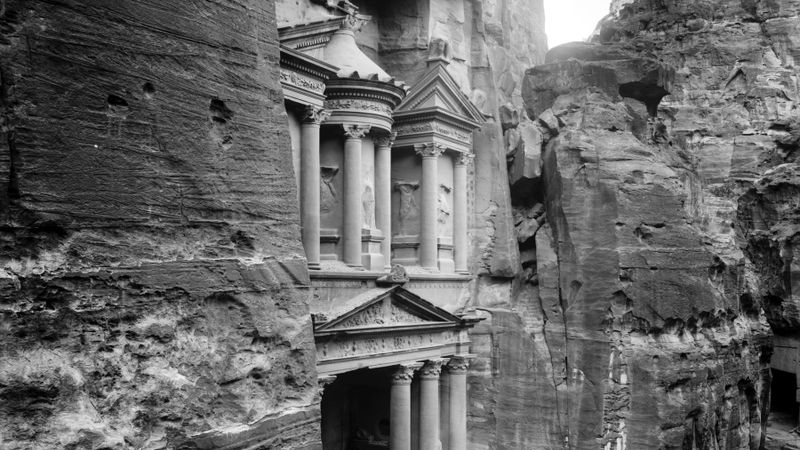
Filmed, but Not Recorded: The Arab World’s Missing Film Locations
Wikidata knows Gladiator was filmed in Morocco. It doesn’t know where.
Ouarzazate is the second most filmed place in the Middle East and North Africa, yet 25 of its 27 productions are recorded only in Wikipedia prose. We compared filming records worldwide and found that in the Arab world, Wikidata usually knows the country but not the place.
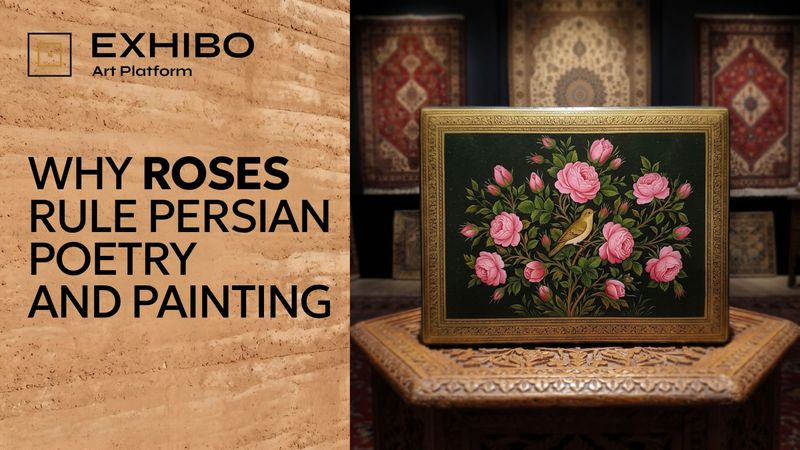
The Flower That Was Never Only Beautiful
The rose rules Persian poetry and painting — but under the sweetness sits a thorn, a bleeding bird, and a national emblem quietly assembled out of Chinese, European and Persian parts. A history of gol o bolbol, from a medieval still to a Dubai gallery.
Gol o bolbol — the rose and the nightingale — is among the most beautiful images in a thousand years of Persian art, and in modern Persian it also means sweet, empty talk. Under the tile, the picture is darker: a bird singing in blood for a flower that will not answer and will not last.
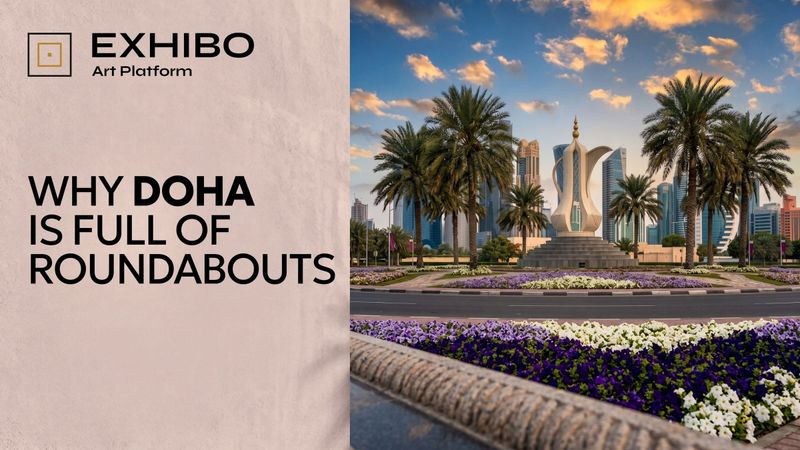
Why Doha Is Full of Roundabouts
An old circle at a crossroads, sharpened by British road engineering, became the way an Arabian city found its way and remembered itself — and it took the bulldozers to reveal it.
In a city where a landmark was more useful than an address, Doha's roundabouts became its navigation, its landscaping and its national image all at once. Now they're being torn out for signalled junctions — and the affection for them arrived, as one scholar put it, only posthumously.