Al Jaddaf Dhow Building Yard
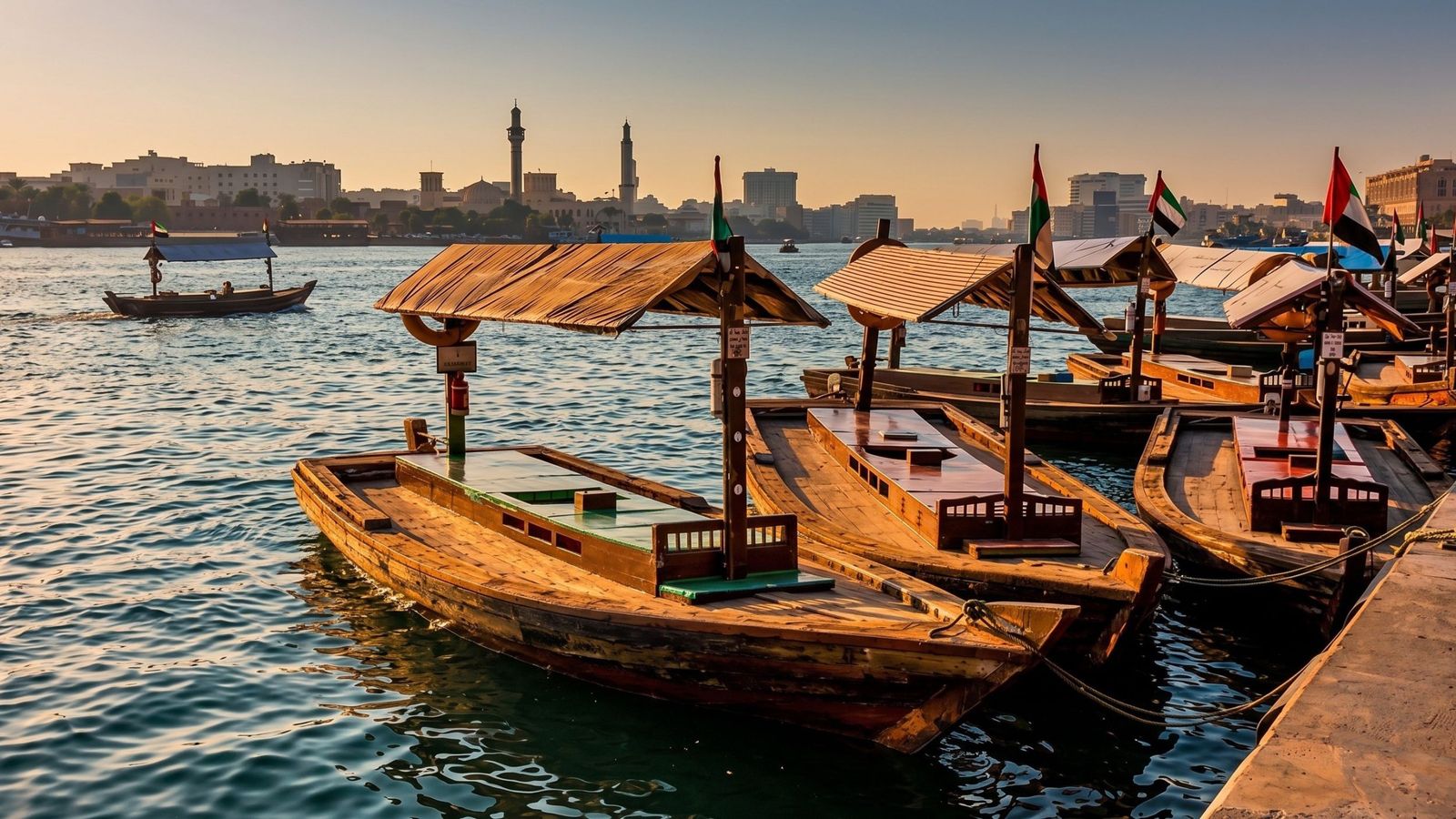
Dubai's last working dhow yard on the Creek, where craftsmen still build wooden ships by hand as they have for a century.
The Al Jaddaf dhow building yard, on the banks of Dubai Creek, is the city's historic and still-working centre for constructing and repairing traditional wooden dhows. Al Jaddaf — the name relates to rowing and oarsmen — emerged as Dubai's primary boat-building hub in the early 1900s, when dhows with their distinctive lateen sails powered the pre-oil economy: pearl-diving expeditions, fishing, and maritime trade in dates, spices and textiles across the Arabian Gulf and Indian Ocean. The yard now known as the Dubai Ship Docking Yard settled at its present Al Jaddaf site around 1990.
The craft here is essentially unchanged over generations. Master shipwrights work largely by eye and hand, bending and shaping imported teak planks — prized for its resistance to saltwater — and assembling the keel, stem, ribs and rudder, using traditional methods that historically included sewing planks with coir rope and caulking seams. It remains one of the very few places in Dubai where this intangible maritime heritage is still practised as a living trade rather than a museum display. Renowned builders associated with the yard include Majid Obaid Al Falasi, whose family constructed what was then the world's largest wooden dhow — the 92-metre 'Obaid' — blending traditional carpentry with modern engineering.
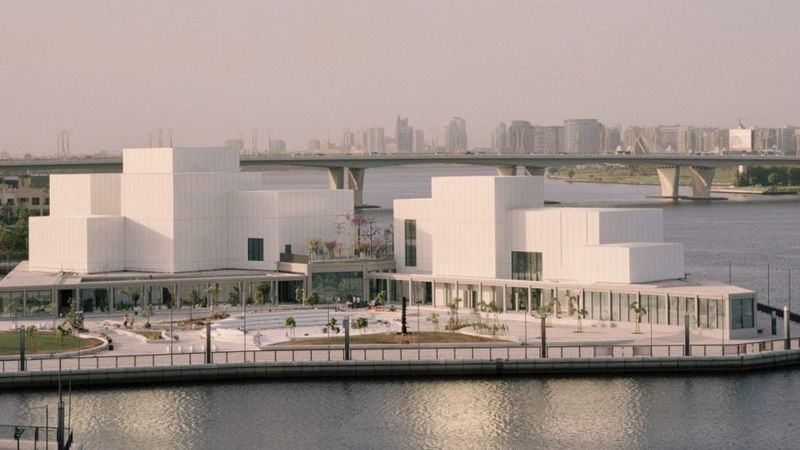
A working industrial site rather than a formal attraction, the yard sits close to Jameel Arts Centre and the Mohammed Bin Rashid Library, so the raw craft of old Dubai and its newest cultural landmarks share the same stretch of Creek. The dhow's silhouette continues to echo through Dubai's contemporary architecture, from the Burj Al Arab's sail to Dubai Opera.
Exhibo editorial
A few minutes from a billion-dirham library shaped like a book stand, men are building ships the way their grandfathers did — by eye, by hand, in teak, on the same Creek that made Dubai before the oil. The Al Jaddaf yard isn't staged for visitors; it's a working boatyard, hulls in every state of completion propped along the water, the smell of cut wood and the sound of mallets doing the explaining.
That's what makes it worth seeking out. Everywhere else in the city, old Dubai has been restored, re-aged or turned into a promenade; here it just carries on, unbothered, because someone still orders wooden dhows and someone still knows how to build them. It's a working site, so visit respectfully and ask before wandering in — but stand at the fence and watch a keel take shape, and you're watching the actual thing the rest of the city keeps rebuilding as a memory.
How to find it
The dhow building yard is on the Al Jaddaf bank of Dubai Creek, near the Dubai Ship Docking Yard and within reach of Jameel Arts Centre and the Mohammed Bin Rashid Library; Al Jaddaf metro (Green Line) is closest. It is a working industrial boatyard behind gates, not a formal attraction, so views are best from the Creek side and the surrounding waterfront; if approaching the yard itself, ask permission and visit respectfully, as craftsmen are at work.
Similar places
All places
News by Exhibo
Editorial coverage on Exhibo
Inside Alserkal Avenue: A Guide to Dubai's Art District
How a row of Al Quoz warehouses became the most serious address in Gulf contemporary art — and how to navigate its galleries, foundations and programme.
Alserkal Avenue sits in Al Quoz Industrial Area 1 — a grid of concrete warehouses and marble workshops wedged between Sheikh Zayed Road and Al Khail Road — and it is, improbably, the most culturally credible square kilometre in the Gulf.
Somewhere Between a Marble Factory and a Masterpiece
On the art world's transparency problem, the extraordinary markets the world is only beginning to discover, and why we decided to build a map.
February 2026, Doha. Msheireb Downtown — the old business district that Qatar has been quietly transforming into something between a cultural quarter and an ur…
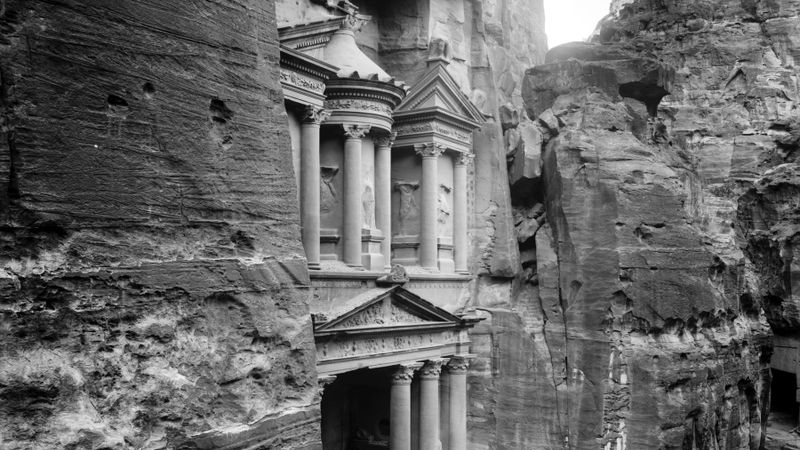
Filmed, but Not Recorded: The Arab World’s Missing Film Locations
Wikidata knows Gladiator was filmed in Morocco. It doesn’t know where.
Ouarzazate is the second most filmed place in the Middle East and North Africa, yet 25 of its 27 productions are recorded only in Wikipedia prose. We compared filming records worldwide and found that in the Arab world, Wikidata usually knows the country but not the place.