
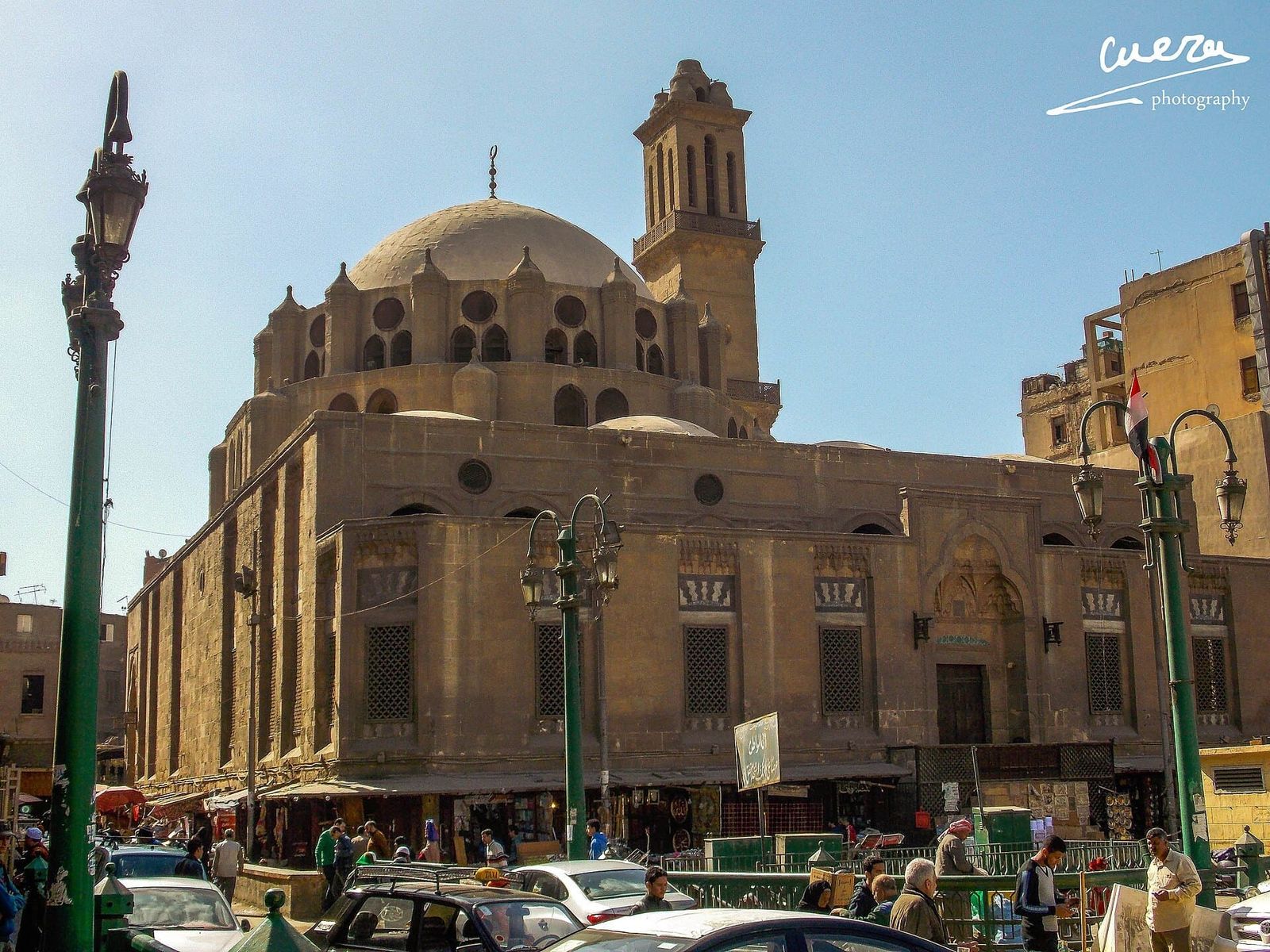
Mosque-Madrasa of Muhammad Bey Abu al-Dahab
An Ottoman mosque of 1774 facing Al-Azhar, whose complex also houses the Naguib Mahfouz Museum.
An Ottoman-era foundation opposite Al-Azhar
The Mosque-Madrasa of Muhammad Bey Abu al-Dahab stands directly opposite the Mosque of Al-Azhar, on the corner of Al-Azhar Street and al-Muizz Street. It was built in 1774 by Muhammad Bey Abu al-Dahab, a Mamluk commander of the late eighteenth century who served and then overthrew his master Ali Bey al-Kabir to become ruler of Egypt under nominal Ottoman sovereignty. His nickname, Abu al-Dahab, "father of gold", is said to come from his habit of scattering gold coins to the crowds.
Architecture
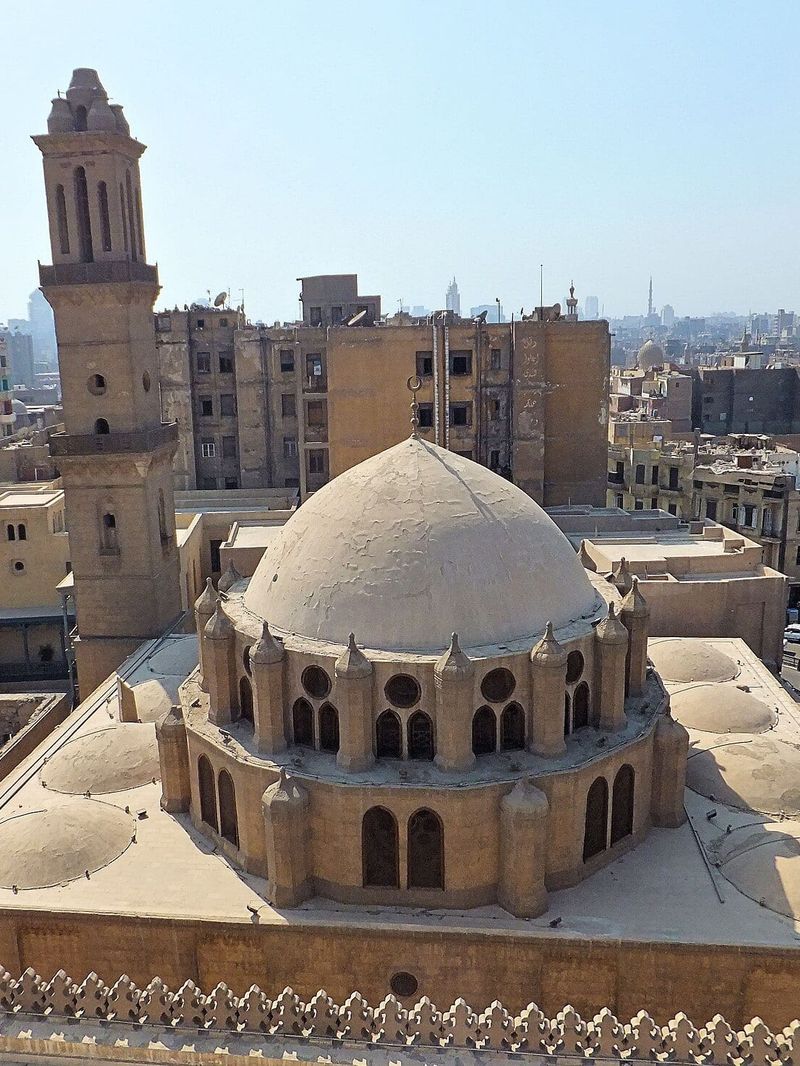
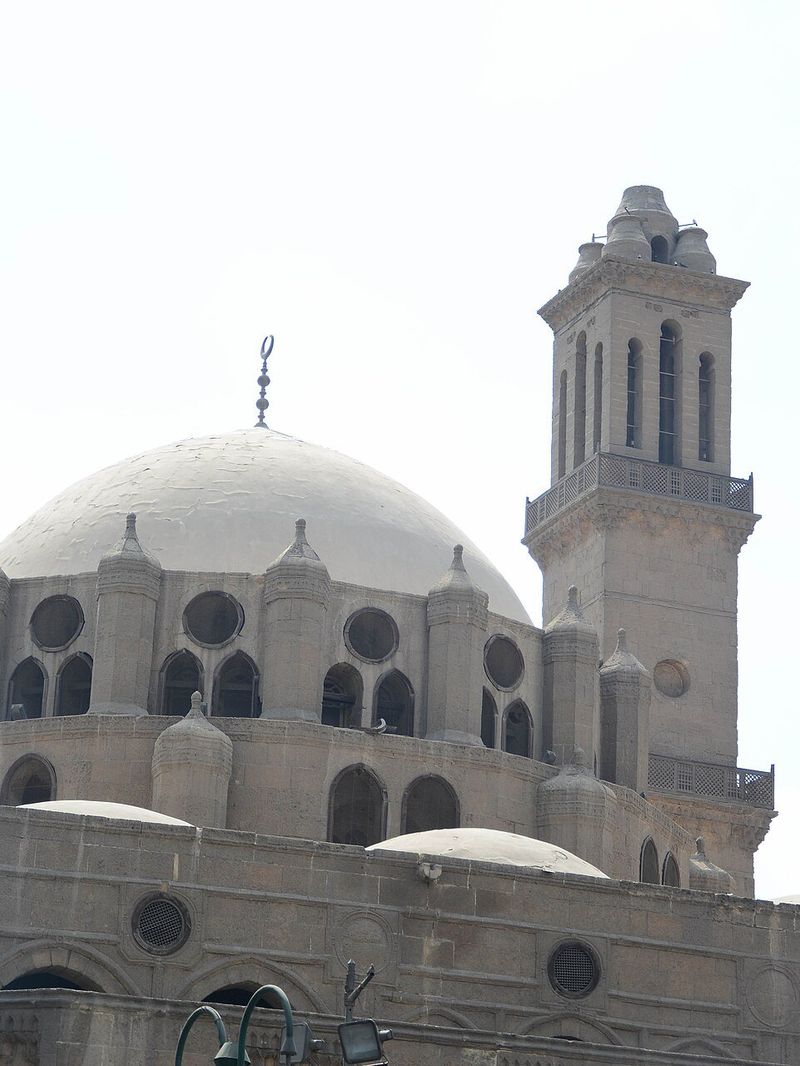
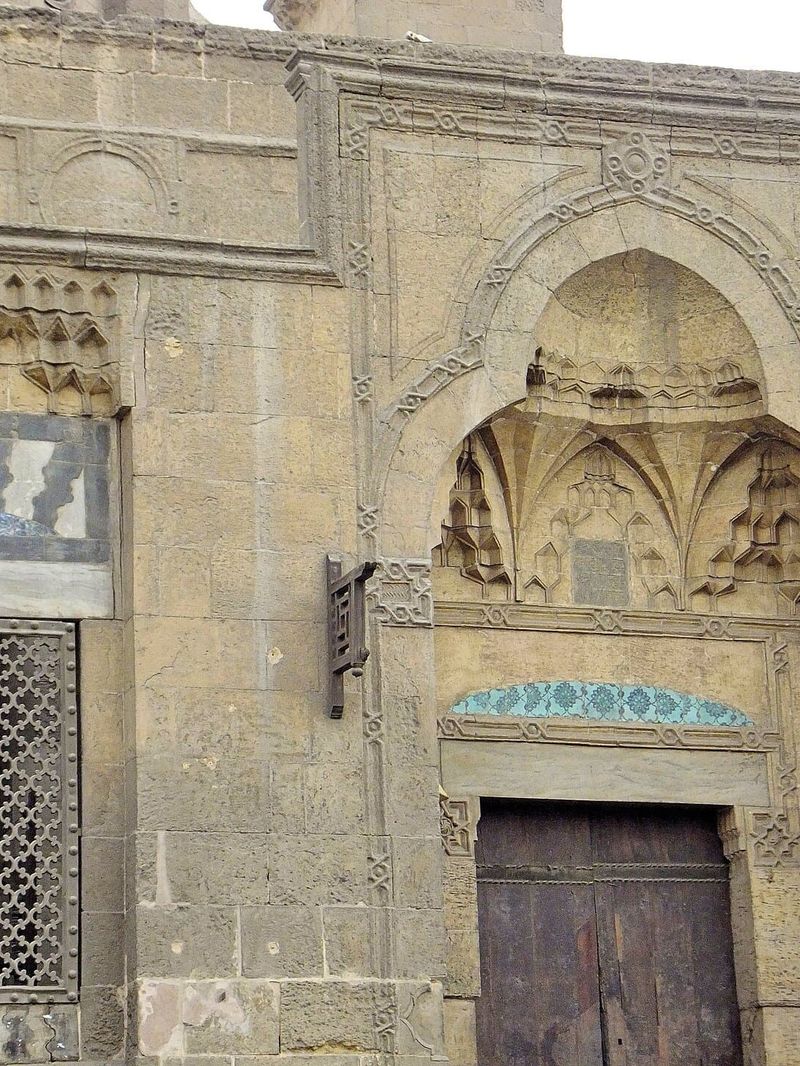
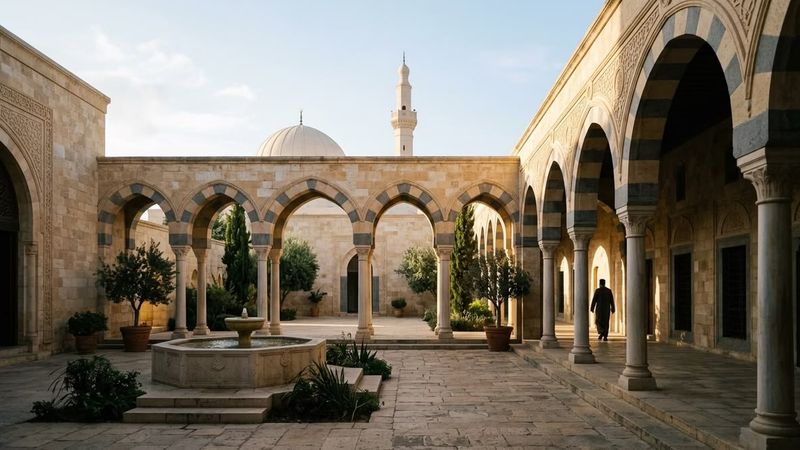
The mosque is one of the most important buildings of the Ottoman period in Cairo. Its plan, a square prayer hall covered by a large central dome and surrounded on three sides by an arcaded portico, follows the model of Ottoman imperial mosques rather than local Mamluk tradition, while its minaret and decoration recall local forms, a deliberate dialogue between the two architectural languages. The complex was conceived as a foundation serving Al-Azhar's students, with a madrasa, a library, a sabil and a takiyya for Sufis.
The Naguib Mahfouz Museum
The takiyya of the complex was restored and opened in July 2019 as the Naguib Mahfouz Museum, devoted to the Nobel Prize-winning novelist who grew up in this neighbourhood and set many of his novels in its streets. The mosque is part of the UNESCO World Heritage Site of Historic Cairo.
Exhibo editorial
Most people photograph Al-Azhar and turn their backs on this building. That means they miss one of the handsomest domes in Cairo, right behind them. Abu al-Dahab's mosque is an eighteenth-century answer to Istanbul: a great dome on a square hall, arcades around three sides, built by a soldier who seized power and wanted Cairo to remember him.
It pairs perfectly with the Naguib Mahfouz Museum in the same complex. Come in the morning, see the mosque's interior and the museum, then step outside into the noise of Al-Azhar Square: exactly the world Mahfouz wrote about.
Gallery
How to find it
On Al-Azhar Square, directly opposite the Al-Azhar Mosque across the street. The Naguib Mahfouz Museum is in the takiyya of the same complex.
Similar places
All places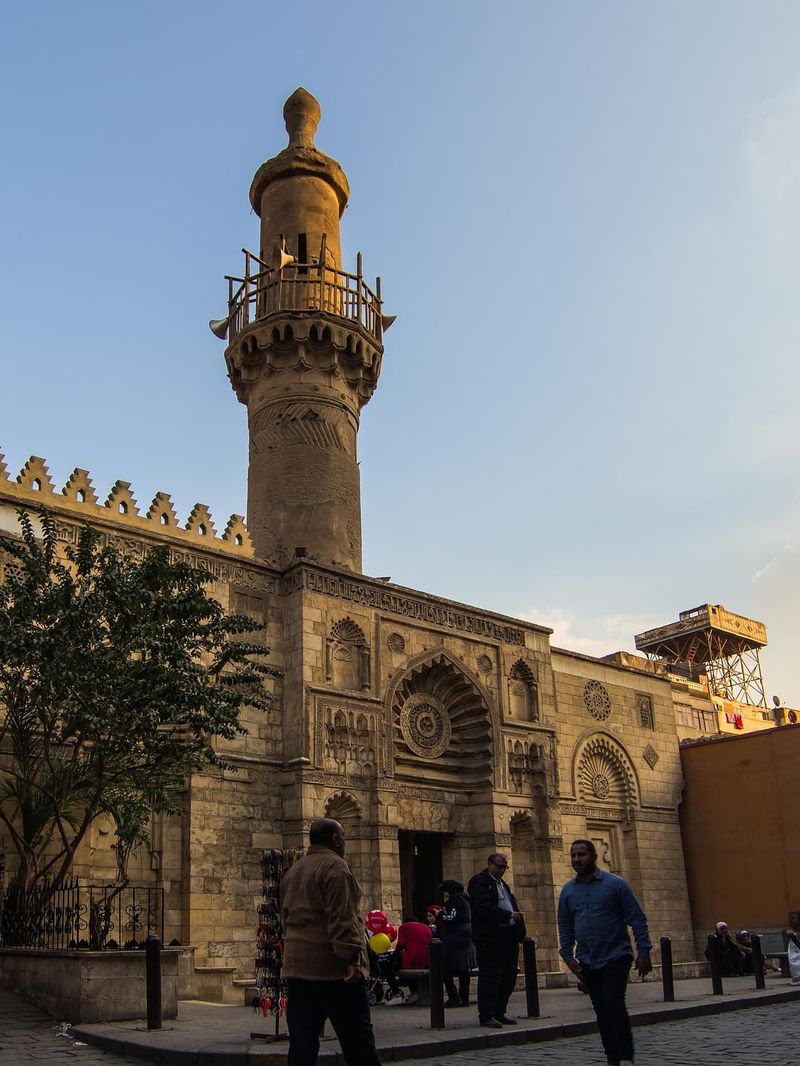
News by Exhibo
Editorial coverage on Exhibo

Where Is Agrabah? The City Disney Assembled From Real Places
Agrabah was going to be Baghdad. A war made it fictional — and then Disney built it back out of real places, from a tomb in Agra to a valley in Jordan that usually plays Mars.
The Sultan's palace where Princess Jasmine feels trapped has the silhouette of the Taj Mahal — which is not a palace at all, but a tomb. That is how Agrabah works. Disney's fairy-tale city was going to be Baghdad, until the Gulf War made the name impossible; the studio invented a place that could not be found on a map, then quietly rebuilt it out of real ones — Isfahan and Agra, Marrakesh and Mandalay, a Jordanian desert that has played both Arabia and Mars.
Islamic Decorative Arts: Ceramics, Metalwork, Glass and Textiles
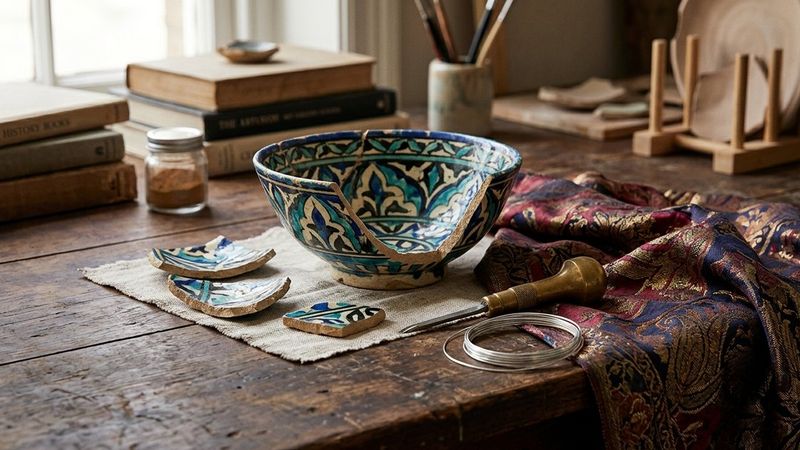
From Kashan luster bowls to Mamluk mosque lamps and Safavid silks: a museum survey of four luxury media with named works in London, New York and Doha
Islamic decorative arts are the portable luxury crafts of Muslim-ruled lands: pottery and tile, inlaid brass, enamelled glass, woven silk and knotted carpet. This survey follows workshop conditions, techniques and trade from Abbasid Iraq to Ottoman Istanbul, with four close readings and a media comparison table, while Iznik depth, arabesque theory and building programmes sit in sibling articles on the series hub.
Islamic Architecture, Explained
Mosque types, domes, minarets and courtyard plans from Umayyad Jerusalem to Ottoman Istanbul, with five regional schools read through buildings you can visit
Islamic architecture is the building tradition of Muslim-ruled lands from the seventh century onward: hypostyle mosques, courtyard sahn, minaret towers and dome engineering shaped by prayer law, climate and regional craft. This guide maps Umayyad, Mamluk, Safavid, Mughal and Ottoman schools through named monuments, with muqarnas vaulting and decorative arts deferred to sibling pages in the series.