
Mevlevi Dervish Lodge and Sama'khana (Mawlawiyya)
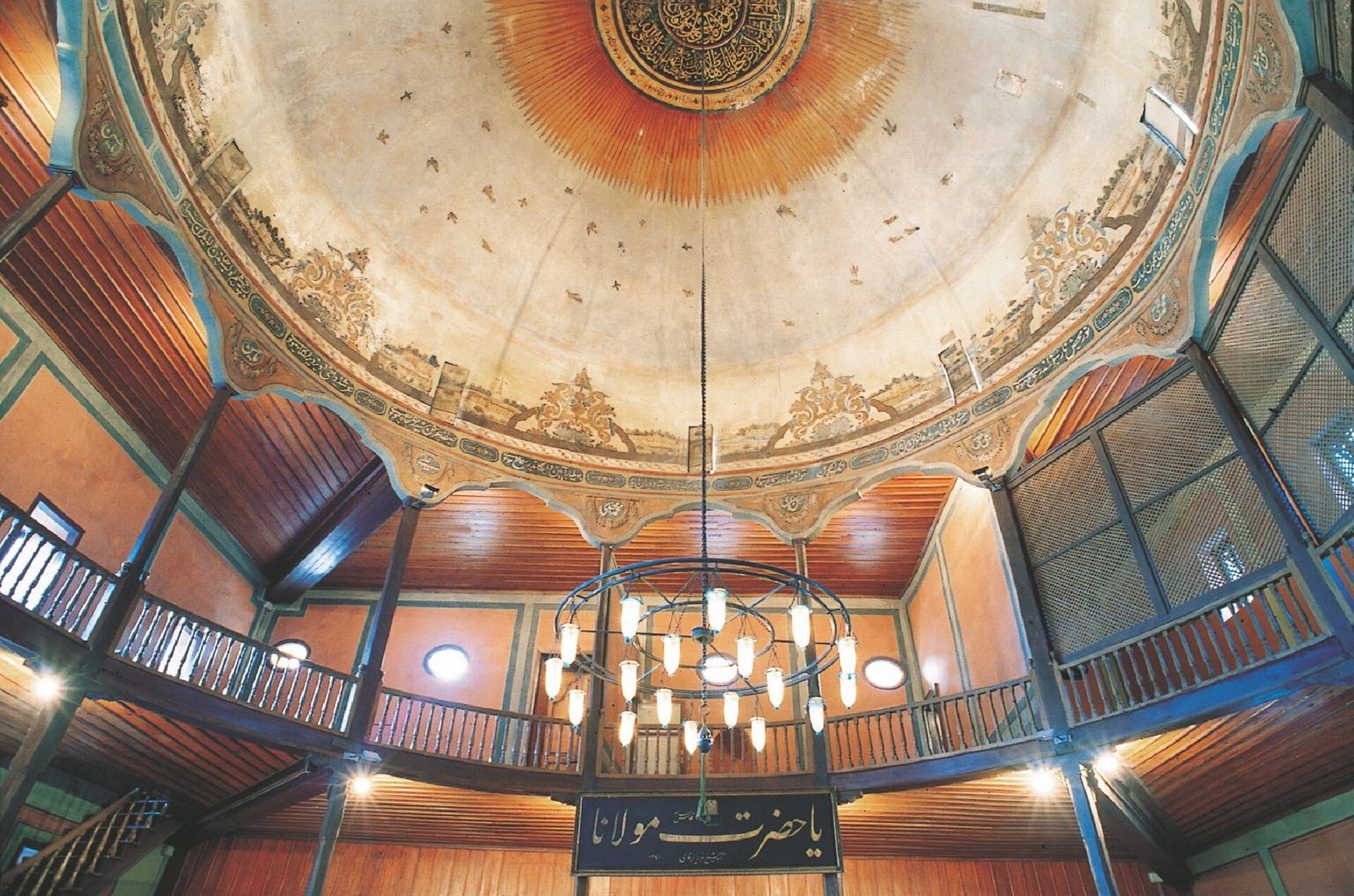
Cairo's whirling dervish theatre, an 1810 wooden sama'khana built over a fourteenth-century madrasa, restored by Italian architects.
A Mamluk madrasa and a Sufi lodge
The Mevlevi complex, known in Arabic as al-Mawlawiyya, stands on Suyufiya Street in the old city, close to the mosques of Sultan Hassan and al-Rifa'i. Its oldest part is the madrasa and mausoleum of the Mamluk emir Sunqur Sa'di, completed in 1321. In the Ottoman period, after Egypt became part of the empire in 1517, the Mevlevi order of Sufis, the followers of the thirteenth-century mystic poet Jalal al-Din Rumi, famous for their whirling ceremony, established themselves in Cairo and from 1607 the site became their lodge (takiyya), which remained active until 1945.
The sama'khana
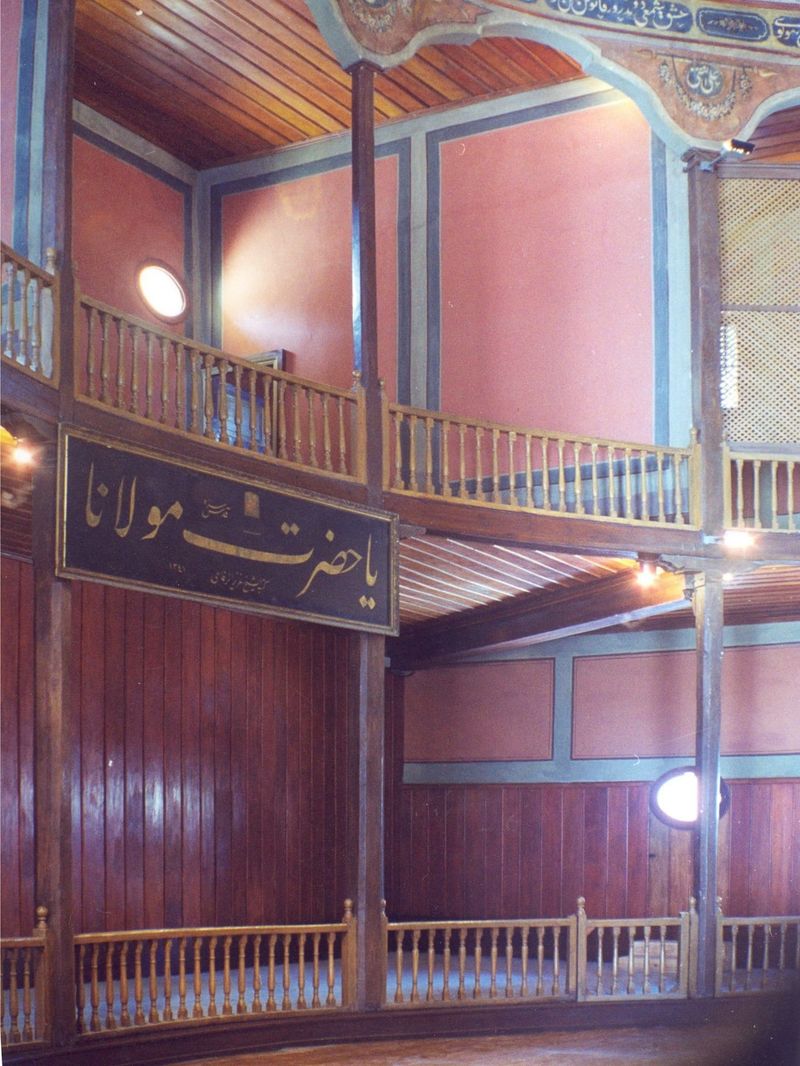
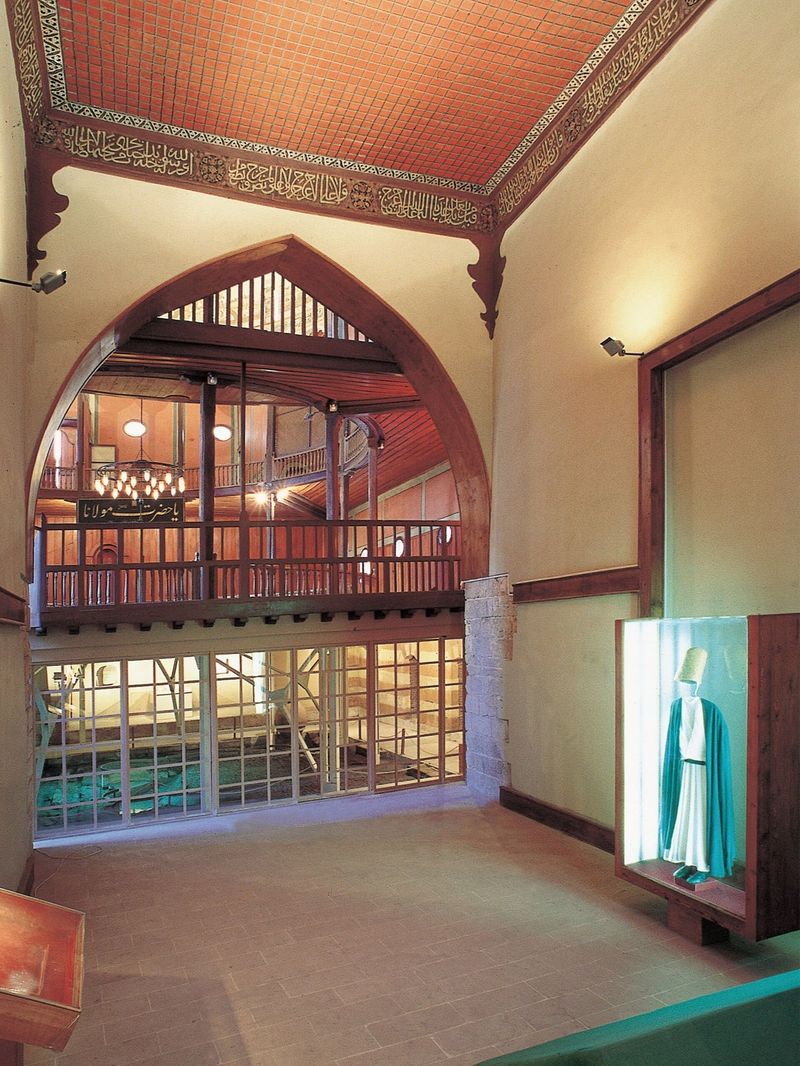
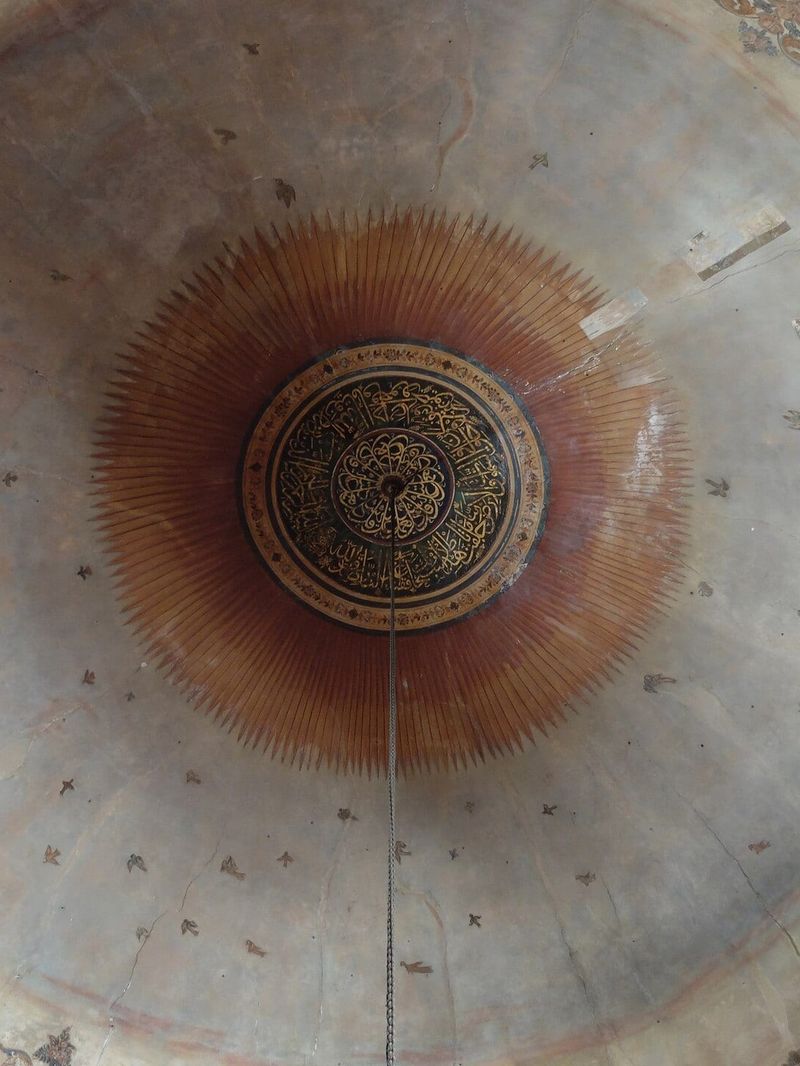
The heart of the complex is the sama'khana, the "hall of listening", built in 1810 over the former courtyard of the madrasa: a theatre-like wooden structure with a circular floor for the sama ceremony, in which the dervishes turned to music and chanted poetry, surrounded by a balustrade and two levels of galleries for musicians and spectators. Its painted decoration dates from 1857. It is one of the latest Mevlevi halls built in the Ottoman world and one of the few to survive outside Turkey, its geometry carefully designed to express the cosmic harmony the ceremony evoked.
Restoration
When the Italian architect Giuseppe Fanfoni of the Italian-Egyptian Centre for Restoration and Archaeology arrived in 1979, the sama'khana was completely abandoned. Over the following decades, in cooperation with the Egyptian antiquities authorities, his team excavated and restored the madrasa, the mausoleum, the lodge and the hall, uncovering earlier layers beneath. The complex opened as a small museum in 1988 and displays the restored structures together with finds from the excavations.
Exhibo editorial
From the street, there is little to suggest what's inside. Then you step into the sama'khana: a round wooden floor polished by a century and a half of turning feet, slender columns, a balustrade, galleries rising above, painted ceilings in faded blues and reds. It is like walking into an empty theatre just after the performance has ended.
Stand at the edge of the floor for a moment and imagine the reed flute, the drums, the white skirts opening as the dervishes turned. Then go and see the tanoura at the Wikala of al-Ghuri in the evening. It is not the same ritual, but it is the closest thing in Cairo to hearing this room come alive again.
Gallery
How to find it
On al-Suyufiyya Street, a few minutes' walk north-west of the Sultan Hassan Mosque. The entrance is through the Madrasa of Sunqur Sa'di, which leads to the sama'khana.
Similar places
All places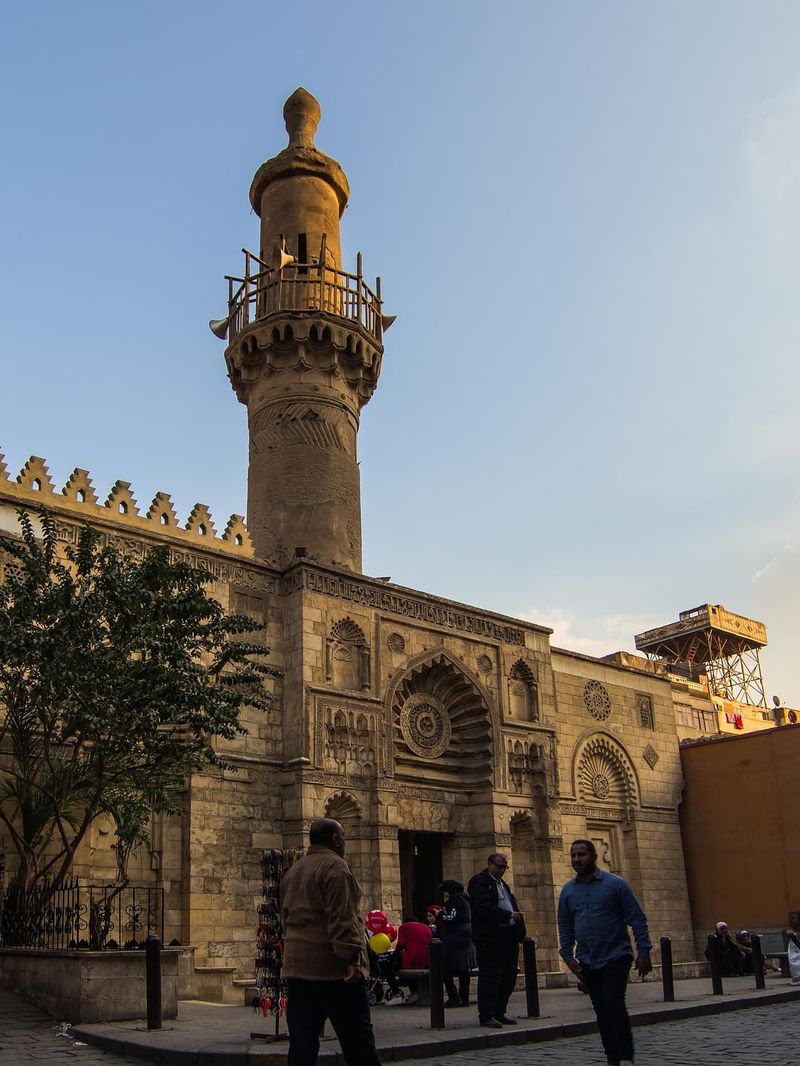
News by Exhibo
Editorial coverage on Exhibo

Where Is Agrabah? The City Disney Assembled From Real Places
Agrabah was going to be Baghdad. A war made it fictional — and then Disney built it back out of real places, from a tomb in Agra to a valley in Jordan that usually plays Mars.
The Sultan's palace where Princess Jasmine feels trapped has the silhouette of the Taj Mahal — which is not a palace at all, but a tomb. That is how Agrabah works. Disney's fairy-tale city was going to be Baghdad, until the Gulf War made the name impossible; the studio invented a place that could not be found on a map, then quietly rebuilt it out of real ones — Isfahan and Agra, Marrakesh and Mandalay, a Jordanian desert that has played both Arabia and Mars.
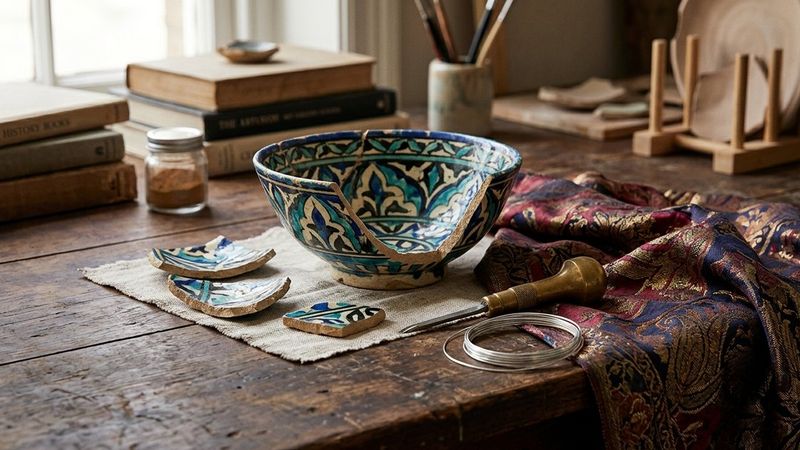
Islamic Decorative Arts: Ceramics, Metalwork, Glass and Textiles
From Kashan luster bowls to Mamluk mosque lamps and Safavid silks: a museum survey of four luxury media with named works in London, New York and Doha
Islamic decorative arts are the portable luxury crafts of Muslim-ruled lands: pottery and tile, inlaid brass, enamelled glass, woven silk and knotted carpet. This survey follows workshop conditions, techniques and trade from Abbasid Iraq to Ottoman Istanbul, with four close readings and a media comparison table, while Iznik depth, arabesque theory and building programmes sit in sibling articles on the series hub.
Islamic Architecture, Explained
Mosque types, domes, minarets and courtyard plans from Umayyad Jerusalem to Ottoman Istanbul, with five regional schools read through buildings you can visit
Islamic architecture is the building tradition of Muslim-ruled lands from the seventh century onward: hypostyle mosques, courtyard sahn, minaret towers and dome engineering shaped by prayer law, climate and regional craft. This guide maps Umayyad, Mamluk, Safavid, Mughal and Ottoman schools through named monuments, with muqarnas vaulting and decorative arts deferred to sibling pages in the series.