Khedival Downtown Cairo (Wust el-Balad)
Cairo's 'Paris on the Nile', Belle Époque boulevards, Art Deco façades, historic cafés and the city's independent art scene.
Ismail's new city
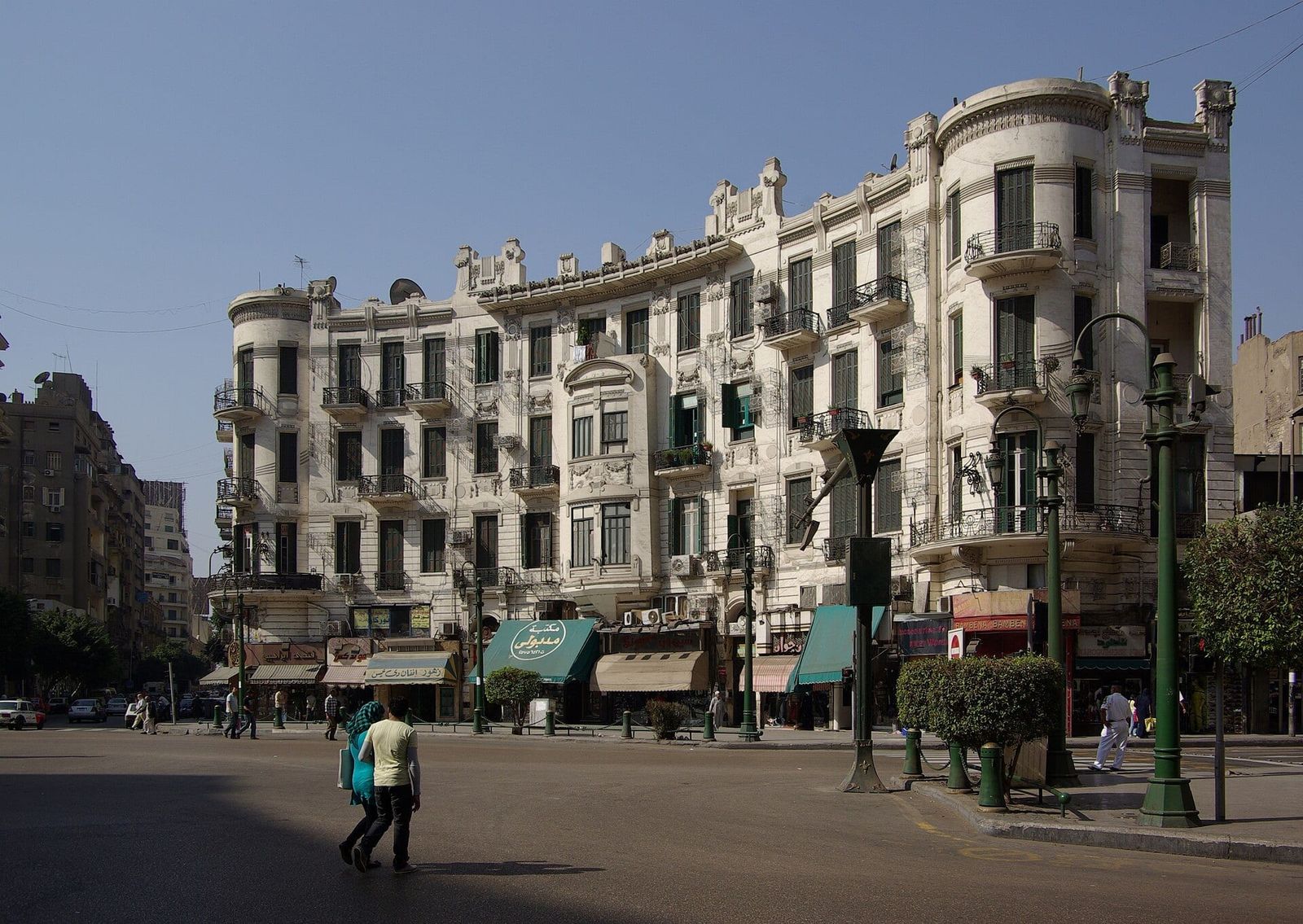
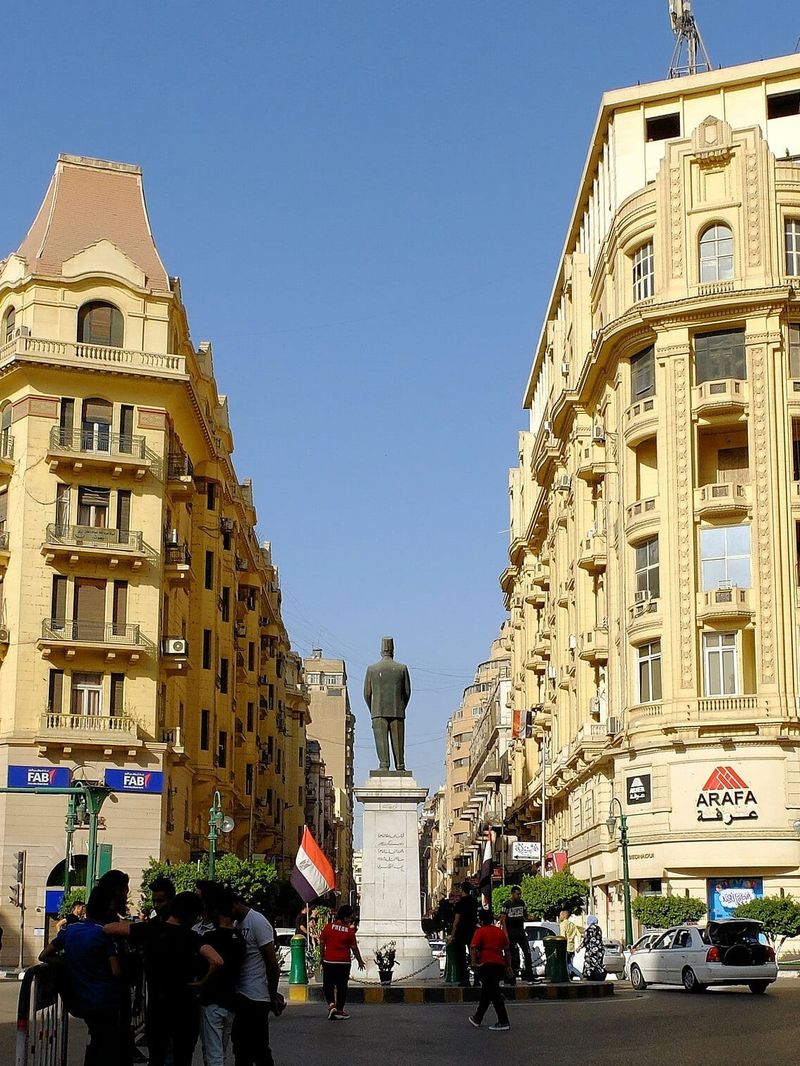
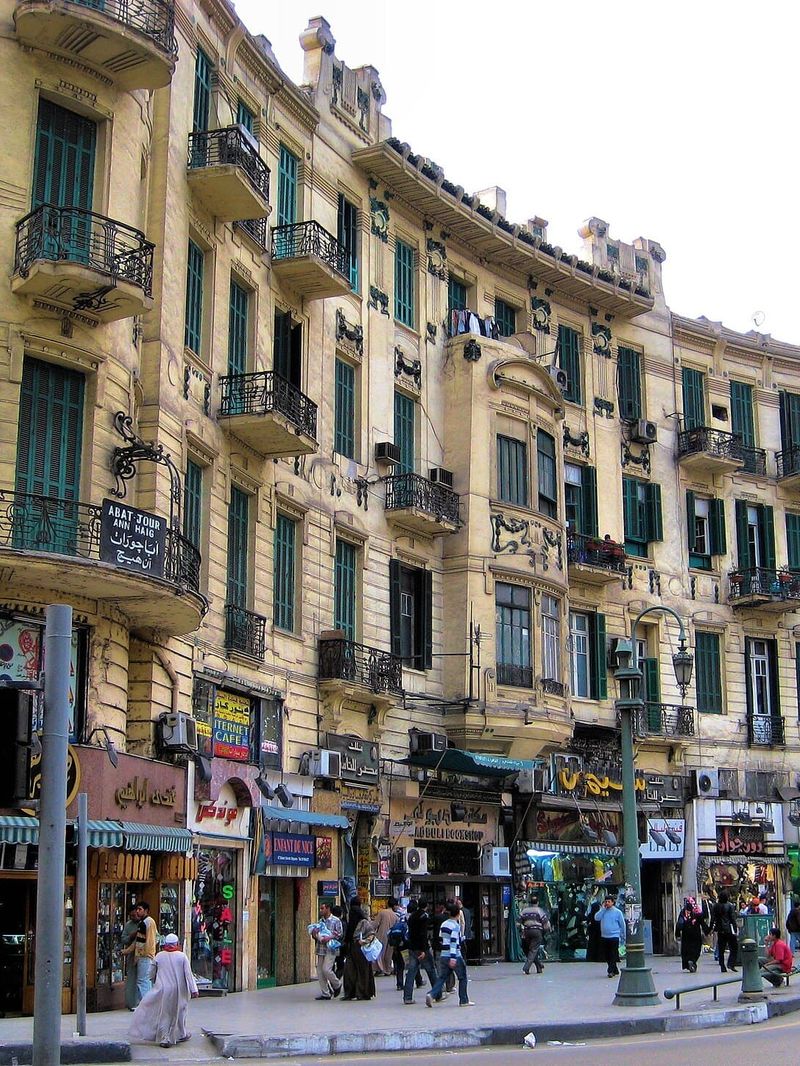
Downtown Cairo, Wust el-Balad, "the centre of the country", was laid out from the 1860s under Khedive Ismail, who wanted a modern European-style capital to rival Paris. On the land between the old medieval city and the Nile, his planners drew wide boulevards, squares and roundabouts lined with apartment buildings, banks, hotels, theatres and department stores. Over the following decades, Egyptian, European and Levantine architects filled the district with buildings in neo-classical, neo-Baroque, Art Nouveau, neo-Islamic and, later, Art Deco and early modernist styles, creating one of the richest ensembles of late nineteenth- and early twentieth-century architecture outside Europe.
Landmarks
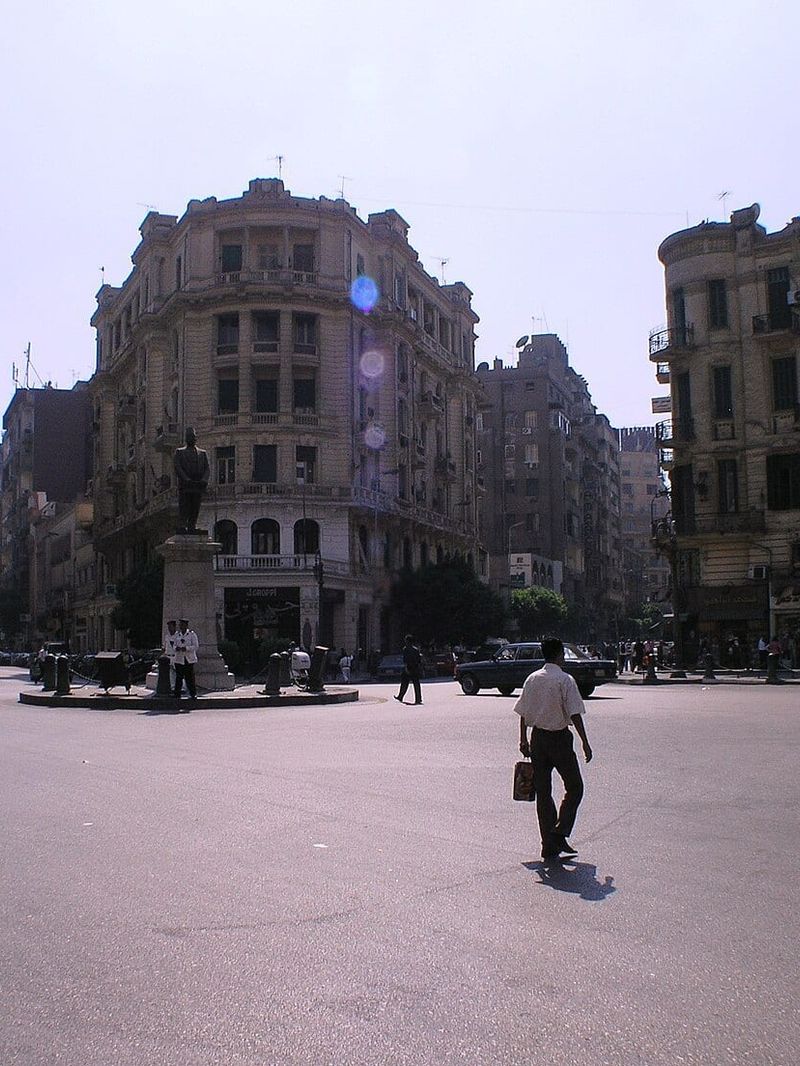
Around Talaat Harb Square and along Talaat Harb, Qasr el-Nil, Emad el-Din and Adly streets stand many of the district's best-known buildings: the Baehler buildings, the Art Deco Immobilia Building, once Cairo's tallest residential block, the restored Cinema Radio, the Sha'ar Hashamayim synagogue and historic cafés and patisseries such as Groppi, opened in the early twentieth century and Café Riche, a meeting place for writers, artists and politicians since 1908. Emad el-Din Street was the heart of Cairo's theatre and cinema life in the first half of the twentieth century. Nearby, Tahrir Square, the Egyptian Museum and the old AUC campus mark the district's western edge.
Decline and revival
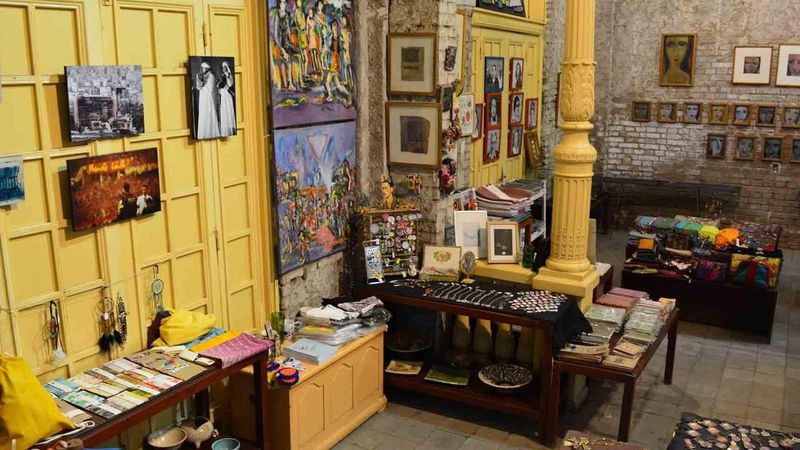
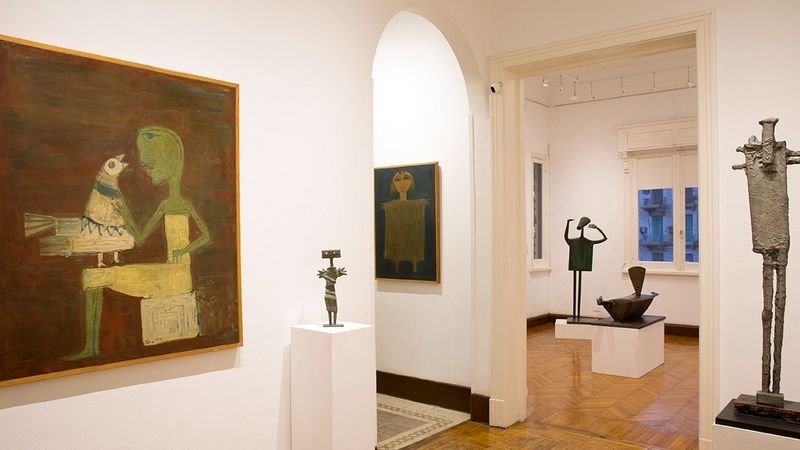
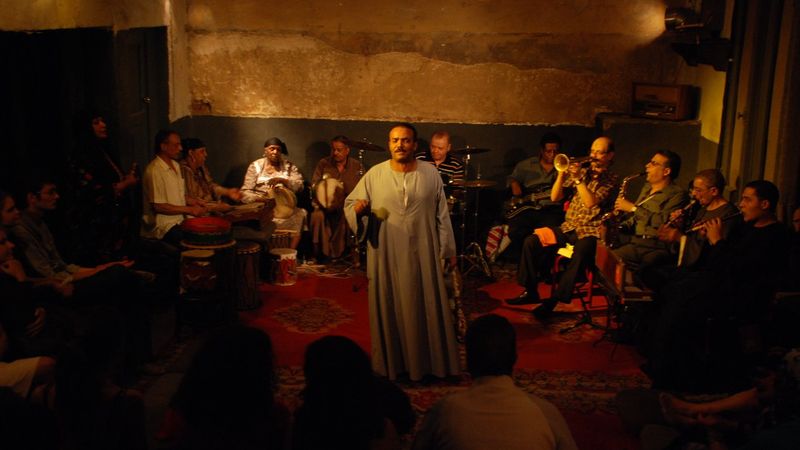
After the 1950s much of downtown's cosmopolitan population left and many buildings fell into neglect. Since the 2000s, private initiatives such as Al Ismaelia for Real Estate Investment, together with state programmes, have restored façades and buildings and converted them into apartments, offices, galleries and cultural venues. Downtown is also home to much of Cairo's independent art scene, including Townhouse and Access Art Space, the Contemporary Image Collective and Karim Francis Gallery and to festivals and performance spaces that use its old cinemas and passages.
Exhibo editorial
Look up. At street level, downtown is honking taxis, shoe shops, juice bars and crowds; one storey up, the city you're walking through turns into a dream of Paris and Vienna: caryatids, wrought-iron balconies, cupolas, Art Deco lettering. It is all slightly dusty, with, many beautifully restored, a few on the verge of collapse.
The best way to see it is on foot, slowly, with stops: coffee at a historic café, a look into the old passages, a gallery opening in a former apartment, a late dinner as the streets fill again after dark. Downtown is where Cairo's twentieth century happened and where much of its art scene still lives.
Gallery
How to find it
Start at Talaat Harb Square, between the Sadat and Mohamed Naguib metro stations. Walk along Talaat Harb and Qasr al-Nil streets and the passages between them.
Similar places
All places
News by Exhibo
Editorial coverage on Exhibo
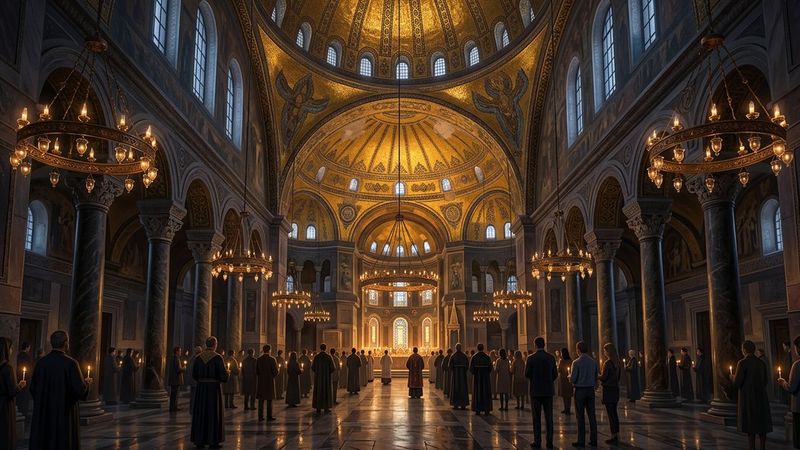
Byzantine Art, Explained
Constantinople to Ravenna: gold mosaics, icons and court craft that shaped Christian imagery for nearly a millennium.
Byzantine art was the Christian visual culture of the Eastern Roman Empire. This guide explains how mosaics and icons worked in liturgy and empire, follows the tradition from Constantinople across the Mediterranean, and points to works that still define the style after empire, conquest and modern museum display.
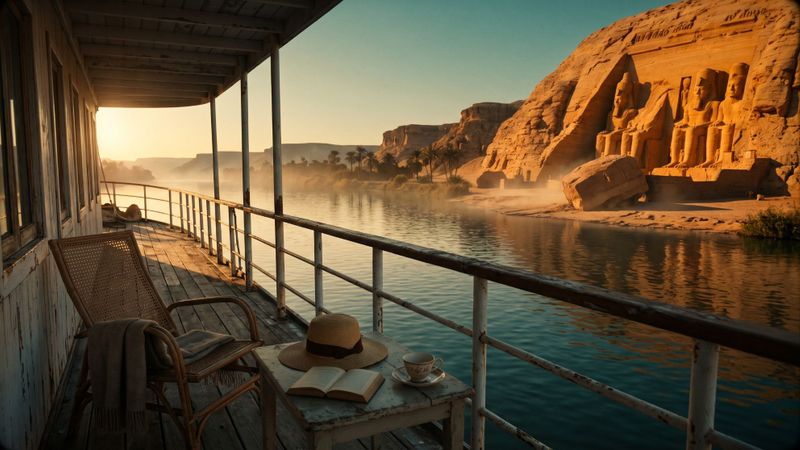
Agatha Christie's Egypt: Three Abu Simbels, a Pharaoh and a Murder on the Nile
Christie set one famous murder on the Nile and two lesser-known stories in ancient Egypt. The temples, letters and film sets behind all three.
The Abu Simbel of Death on the Nile has since moved up a hill. Christie's two other Egyptian stories lead to a pharaoh's dismantled temples at Karnak and a farmer's 4,000-year-old letters now in New York.
The Real Oasis of The Alchemist: Al-Fayoum and the Dream Coelho Borrowed
Paulo Coelho sent his shepherd to a real place in Egypt. What Santiago would have found there and where the story of the treasure at home came from.
Santiago's oasis is real. Al-Fayoum lies 100 km from Cairo, with Roman-era painted portraits, a temple on the caravan road and a dream story centuries older than Coelho.