
Khan el-Khalili
Cairo's great medieval bazaar since 1382, a maze of caravanserais, workshops, coffee houses and Mamluk gateways.
A caravanserai that became a district
Khan el-Khalili is the historic bazaar of Cairo, a dense quarter of lanes and courtyards between Al-Azhar Square, the Mosque of al-Husayn and al-Muizz Street. Its origin was a single large caravanserai built in 1382 by the emir Jaharkas al-Khalili, master of the stables to Sultan Barquq, on the site of a Fatimid royal mausoleum. Around it, merchants' khans, storehouses and shops multiplied and in the early sixteenth century Sultan al-Ghuri rebuilt large parts of the area, adding monumental gateways such as Bab al-Badistan, whose carved stone arches still mark the entrances to the market. Over the centuries the whole neighbourhood took the name of the original khan.
The market today
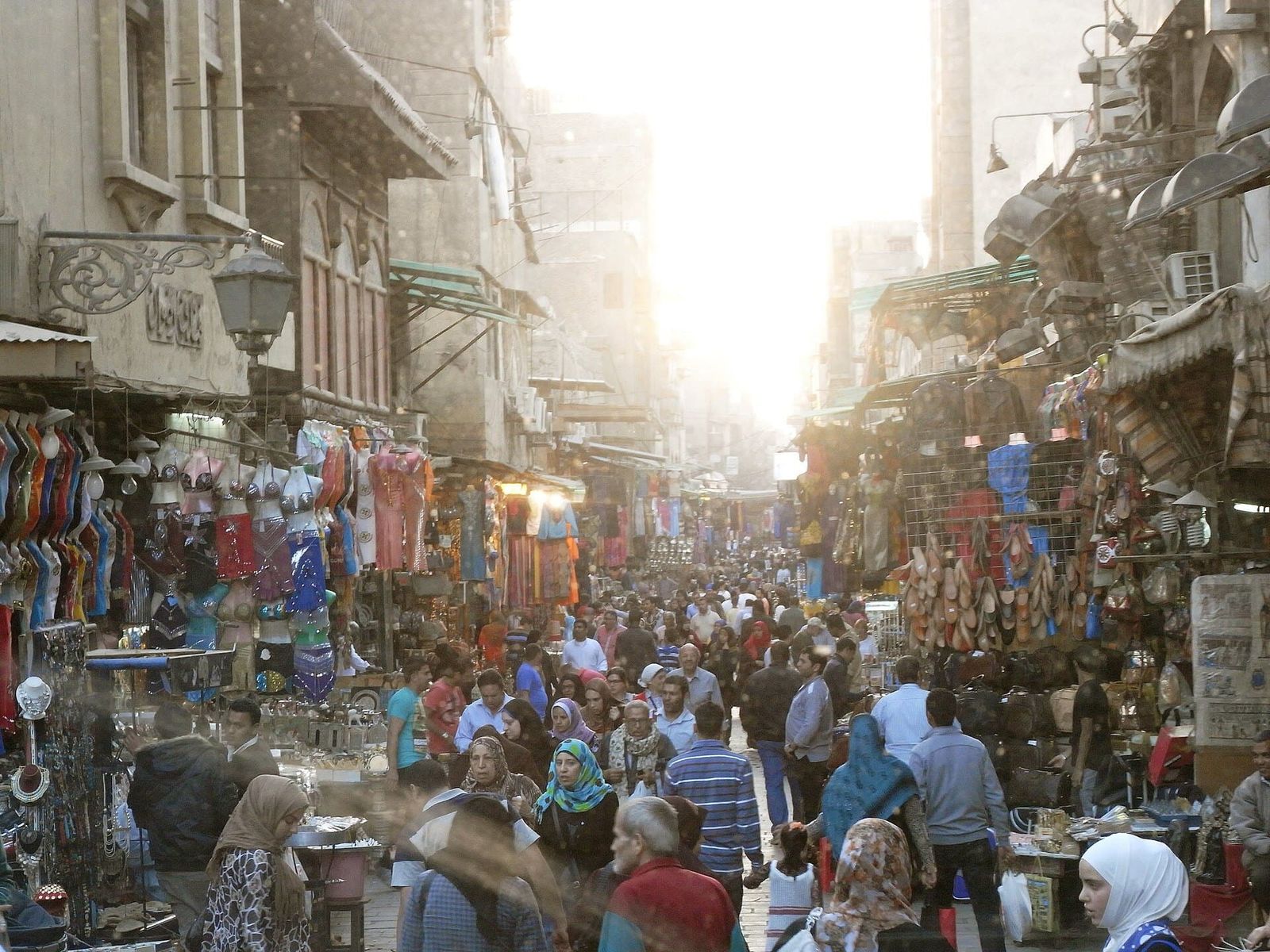
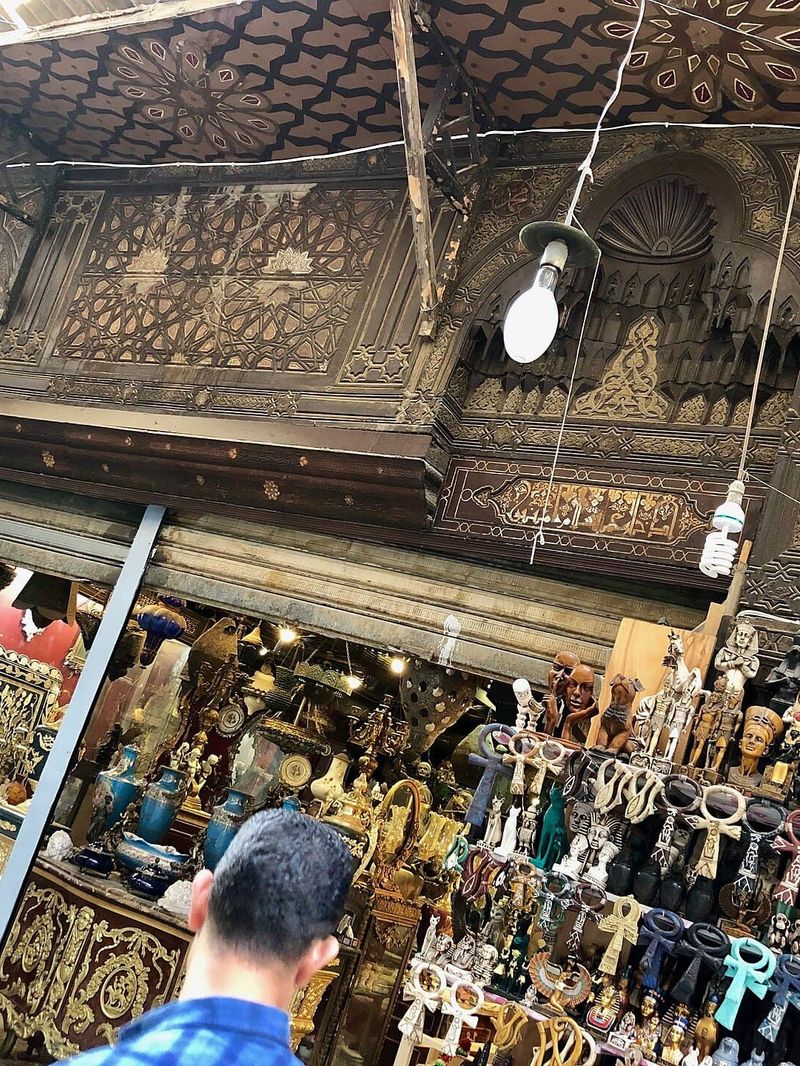
Khan el-Khalili has been the commercial heart of Cairo for more than six centuries. Its lanes are organised loosely by trade: gold and silversmiths, coppersmiths and brass-workers, lamp makers, perfume and spice sellers, textile and carpet merchants and makers of inlaid boxes, mashrabiya woodwork and glass. Alongside souvenirs aimed at visitors, many workshops still produce traditional crafts and the adjacent streets of the Muski and the Sagha (goldsmiths' market) serve Cairenes as much as tourists.
Coffee houses and literature
The bazaar's coffee houses are an institution in their own right. The most famous, El Fishawy, set in a narrow lane decorated with mirrors and wooden arabesques, is said to have served coffee and tea without interruption since the late eighteenth century. The novelist Naguib Mahfouz, who grew up nearby, was a regular visitor and named one of his novels after the quarter. Khan el-Khalili lies within the UNESCO World Heritage Site of Historic Cairo and is busiest in the evenings and during Ramadan nights.
Exhibo editorial
Khan el-Khalili has been called a tourist trap for as long as there have been tourists. It is one. It is also, unmistakably, the real thing. The patter of the sellers is a performance. The workshops and the Mamluk gateways you walk through without noticing are not.
The trick is to slow down and let yourself get a little lost. Leave the main lane, follow the side passages and stop for tea at El Fishawy under the mirrors, where Mahfouz once sat. Come after dark, when the lamps are lit and Cairo comes out to stroll; the bazaar was built for evenings like this.
Gallery
How to find it
Start at Al-Husayn Square, across the road from the Al-Azhar Mosque. The main lane of the bazaar runs north-west from the square towards the stone gateway of Bab al-Badistan. El Fishawy is in a narrow lane just off the square.
Similar places
All places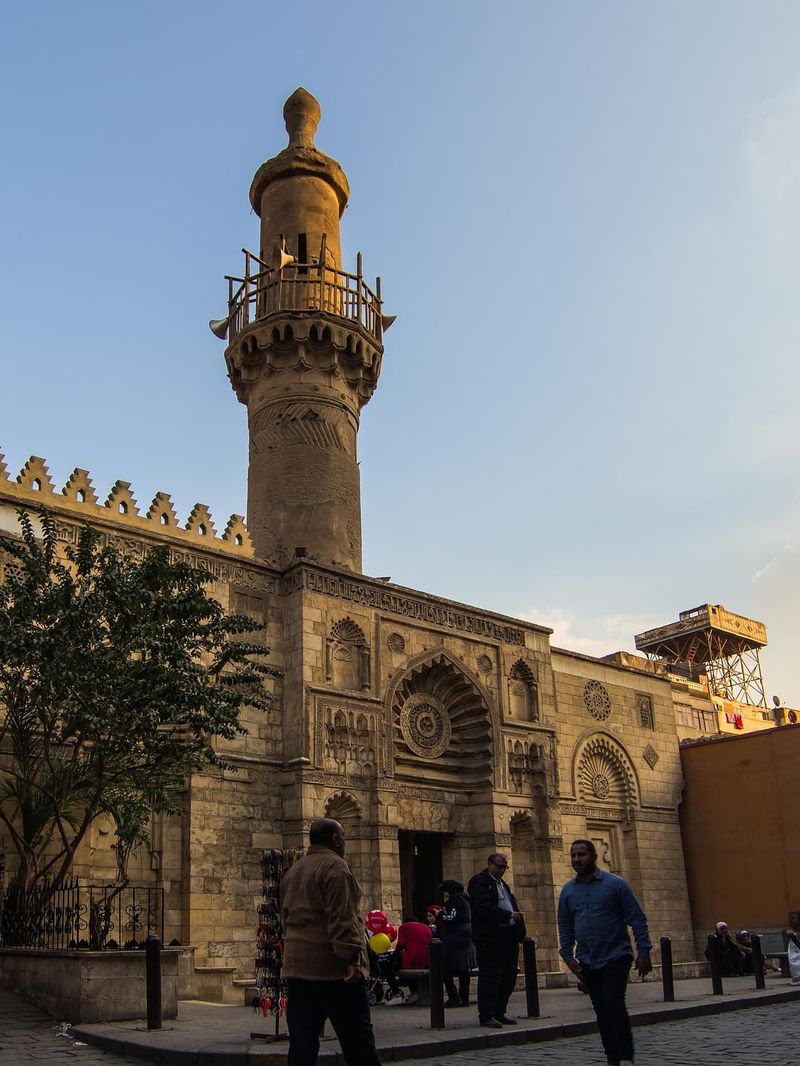
News by Exhibo
Editorial coverage on Exhibo
Where Is Agrabah? The City Disney Assembled From Real Places
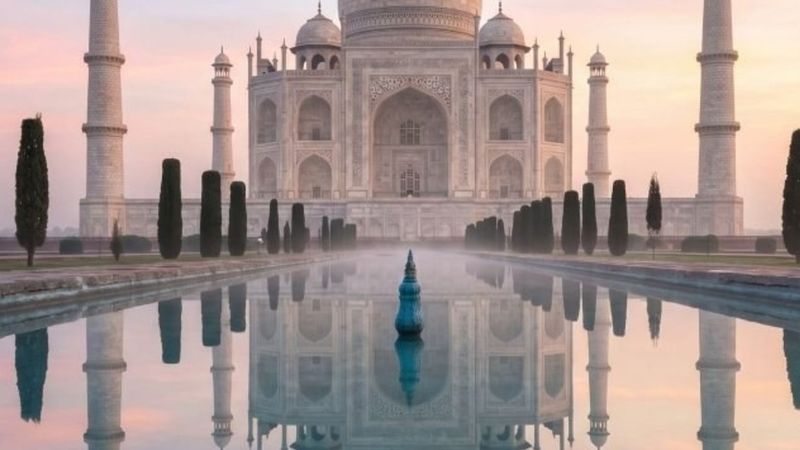
Agrabah was going to be Baghdad. A war made it fictional — and then Disney built it back out of real places, from a tomb in Agra to a valley in Jordan that usually plays Mars.
The Sultan's palace where Princess Jasmine feels trapped has the silhouette of the Taj Mahal — which is not a palace at all, but a tomb. That is how Agrabah works. Disney's fairy-tale city was going to be Baghdad, until the Gulf War made the name impossible; the studio invented a place that could not be found on a map, then quietly rebuilt it out of real ones — Isfahan and Agra, Marrakesh and Mandalay, a Jordanian desert that has played both Arabia and Mars.
Islamic Decorative Arts: Ceramics, Metalwork, Glass and Textiles
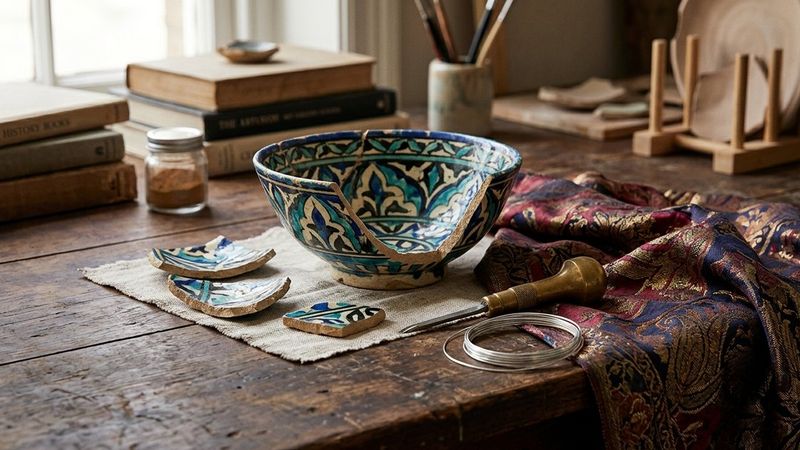
From Kashan luster bowls to Mamluk mosque lamps and Safavid silks: a museum survey of four luxury media with named works in London, New York and Doha
Islamic decorative arts are the portable luxury crafts of Muslim-ruled lands: pottery and tile, inlaid brass, enamelled glass, woven silk and knotted carpet. This survey follows workshop conditions, techniques and trade from Abbasid Iraq to Ottoman Istanbul, with four close readings and a media comparison table, while Iznik depth, arabesque theory and building programmes sit in sibling articles on the series hub.
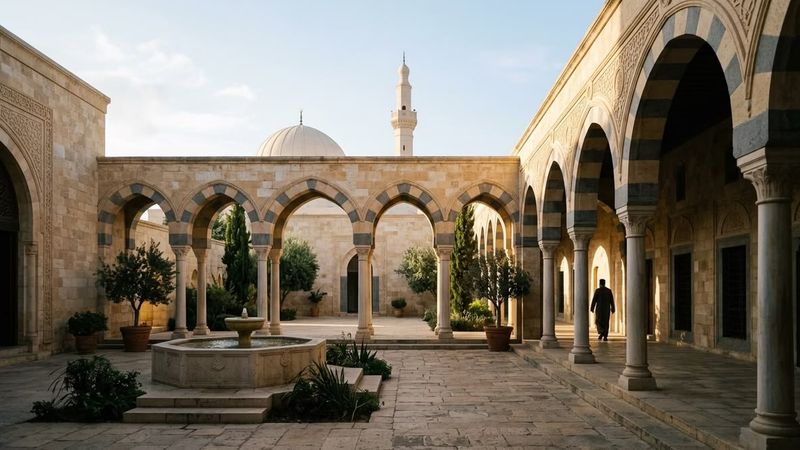
Islamic Architecture, Explained
Mosque types, domes, minarets and courtyard plans from Umayyad Jerusalem to Ottoman Istanbul, with five regional schools read through buildings you can visit
Islamic architecture is the building tradition of Muslim-ruled lands from the seventh century onward: hypostyle mosques, courtyard sahn, minaret towers and dome engineering shaped by prayer law, climate and regional craft. This guide maps Umayyad, Mamluk, Safavid, Mughal and Ottoman schools through named monuments, with muqarnas vaulting and decorative arts deferred to sibling pages in the series.