A station of the Holy Family
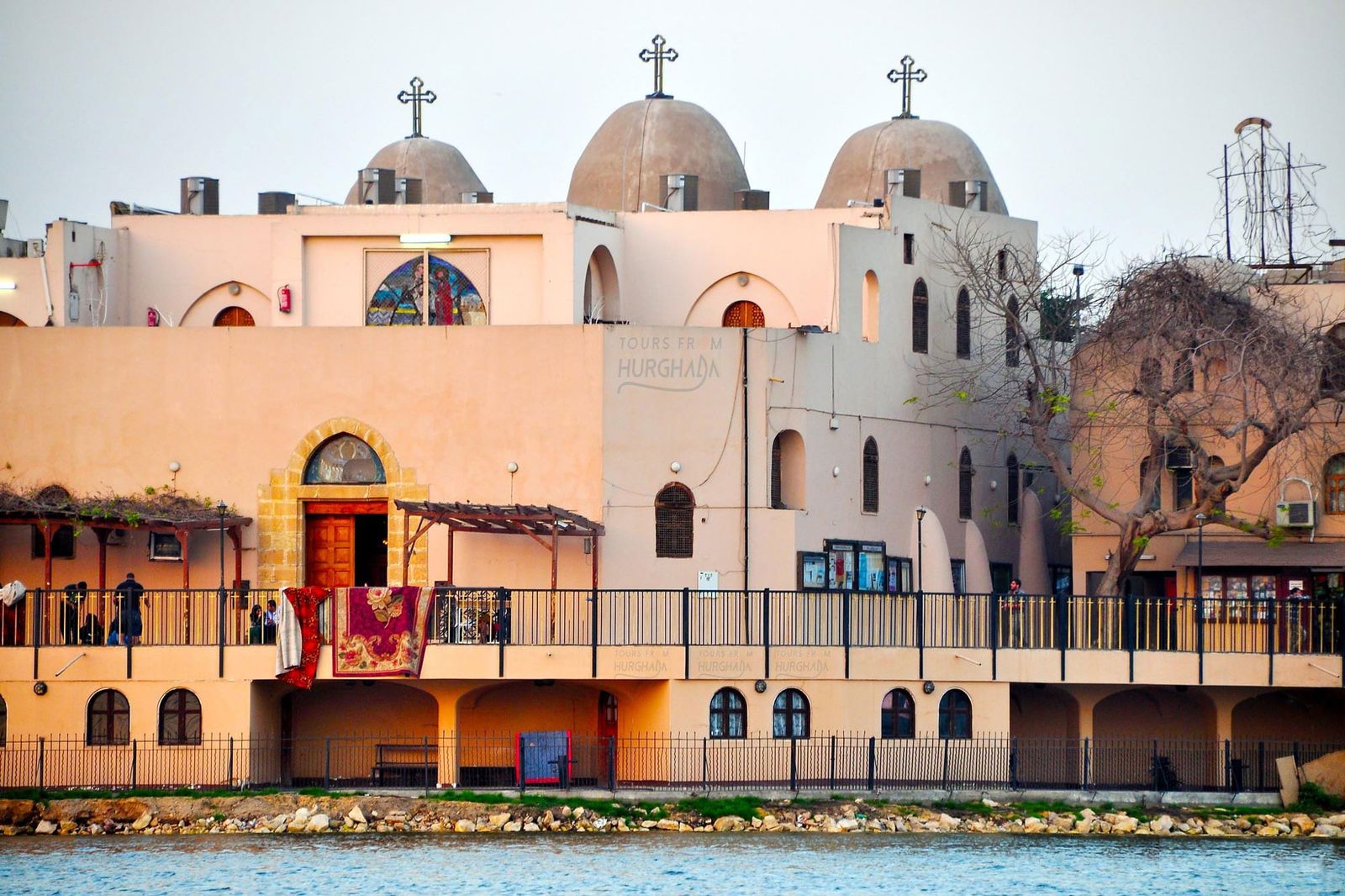
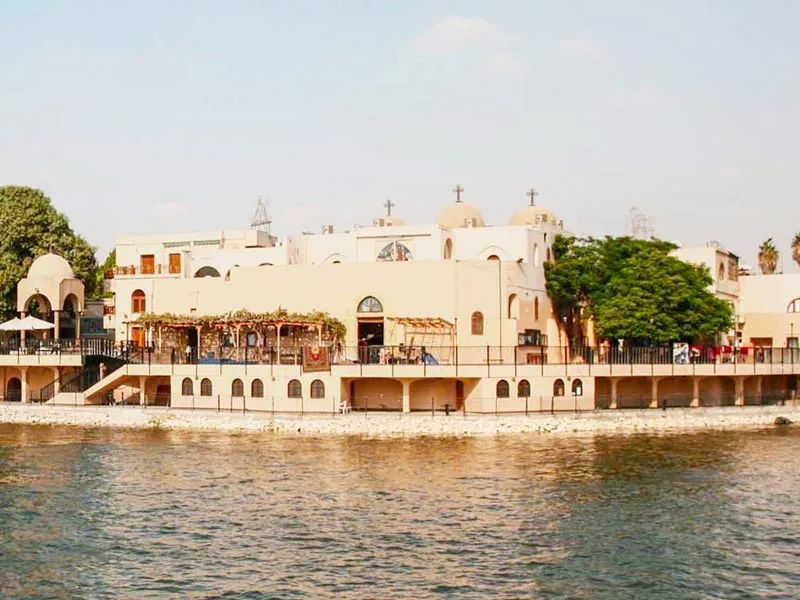
The Church of the Virgin Mary — al-Adra — in Maadi stands directly on the east bank of the Nile in the southern Cairo district of Maadi. According to Coptic tradition, it marks the place where the Holy Family, on their flight into Egypt, boarded a boat to sail south along the Nile towards Upper Egypt, and a flight of steps inside the church grounds leads down towards the river, which pilgrims associate with their departure. The church, of medieval origin and rebuilt several times, is one of the official stations on the route of the Holy Family in Egypt promoted by the Coptic Church and the Egyptian authorities.
The floating Bible
The church is also known for a more recent story. According to the church, in March 1976 a Bible was found floating on the water near the steps, open at the page of the Book of Isaiah containing the verse "Blessed be Egypt my people" (Isaiah 19:25). The book is displayed in the church and has become a cherished part of its devotion.
Today
The church is an active parish and a place of pilgrimage, especially on 1 June, when the Coptic Church celebrates the entry of the Holy Family into Egypt. Its riverside setting, with views over the Nile, makes it one of the most peaceful church sites in Cairo.
Exhibo editorial
Maadi is a leafy, residential district of villas and embassies, and this small church on the river feels like a secret at the end of it. Behind the walls, a garden, a few steps leading down towards the water, and the Nile sliding past — the spot, tradition says, where a family on the run took a boat south.
Visit in the late afternoon, sit for a while by the river and look at the open Bible in its glass case. Whether you take the stories as faith or as folklore, few places in Cairo connect the city so directly to the river that made it.
Gallery
How to find it
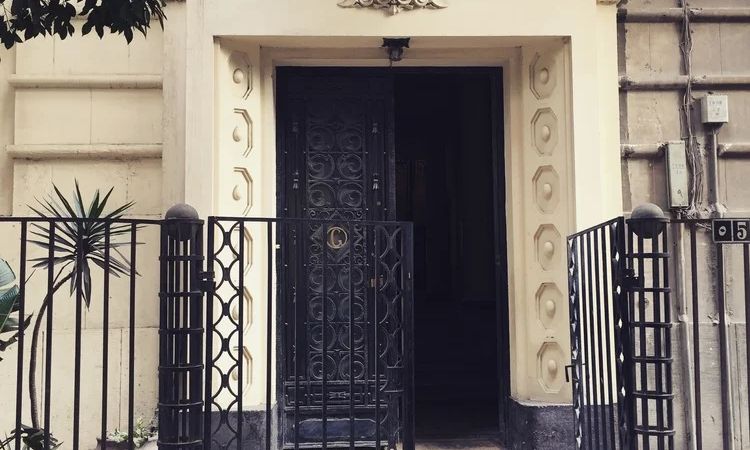
The church stands on the Corniche el-Nil in Maadi, between the road and the river; taxis and ride-hailing drivers know it as Kenisat al-Adra al-Maadi. Enter through the gate on the corniche side; the steps towards the river are in the church grounds.
Similar places
All places
News by Exhibo
Editorial coverage on Exhibo
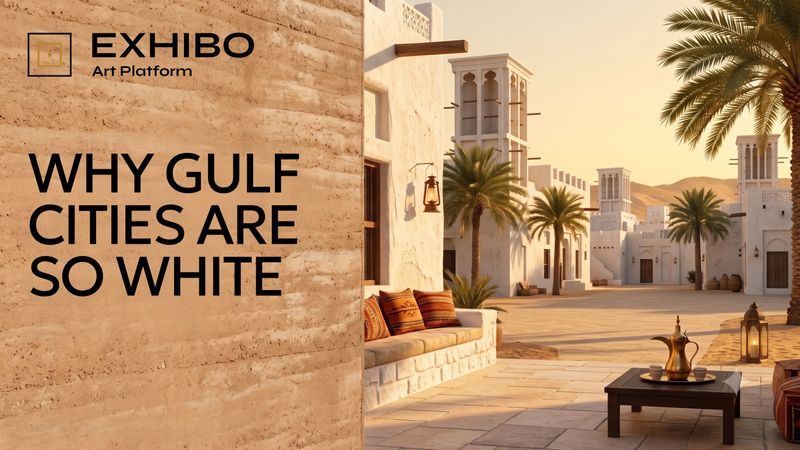
Why Gulf Cities Are So White
The dazzling white of Gulf cities looks like simple physics — sunlight, reflected. The real story runs through coral, lime, faith, oil and the way traditions acquire their reasons after the fact.
Everyone knows why Gulf cities are white: white reflects the sun. It isn't wrong — it's just one strand of a much thicker rope. Follow it back through coral walls and lime skins, a sustainability code that never mentions colour, and a desert that was never really dark and the tidy explanation starts to look like something we tell ourselves afterward.
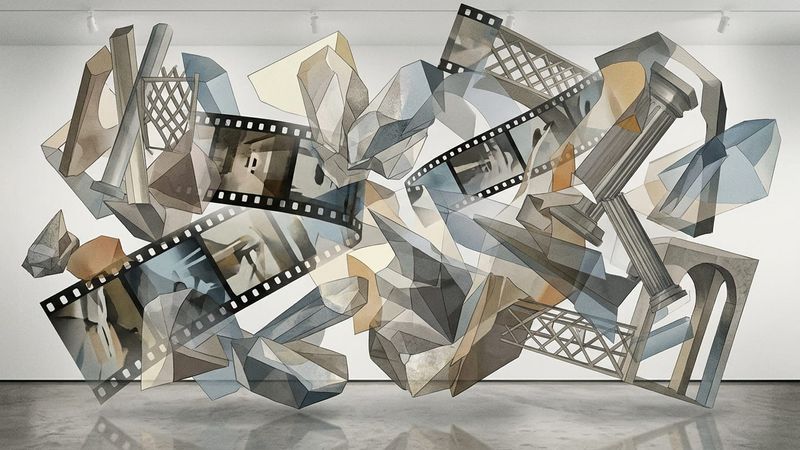
Cukrarna's Summer Triptych: Lee, Collins, and Unquiet Resonances
Three exhibitions at Ljubljana's Cukrarna Gallery probe instability, collaboration, and contested histories
Ljubljana's Cukrarna Gallery presents three concurrent exhibitions—Yein Lee's Accomplice, Phil Collins' Nothing Is Inevitable Until It Happens, and untranquil now—through late 2026 and early 2027.
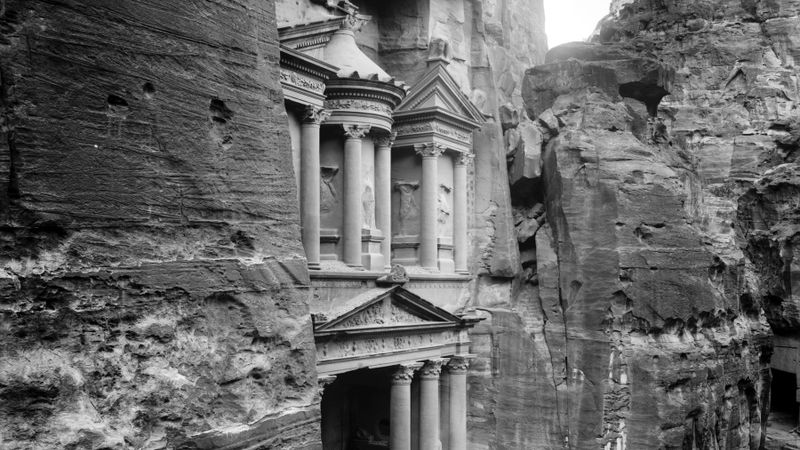
Filmed, but Not Recorded: The Arab World’s Missing Film Locations
Wikidata knows Gladiator was filmed in Morocco. It doesn’t know where.
Ouarzazate is the second most filmed place in the Middle East and North Africa, yet 25 of its 27 productions are recorded only in Wikipedia prose. We compared filming records worldwide and found that in the Arab world, Wikidata usually knows the country but not the place.