Saadiyat Cultural DistrictAbu Dhabi
Special Olympics Gardens
Six permanent commissions in a garden outside Manarat Al Saadiyat — including a mirrored bridge you can walk across.
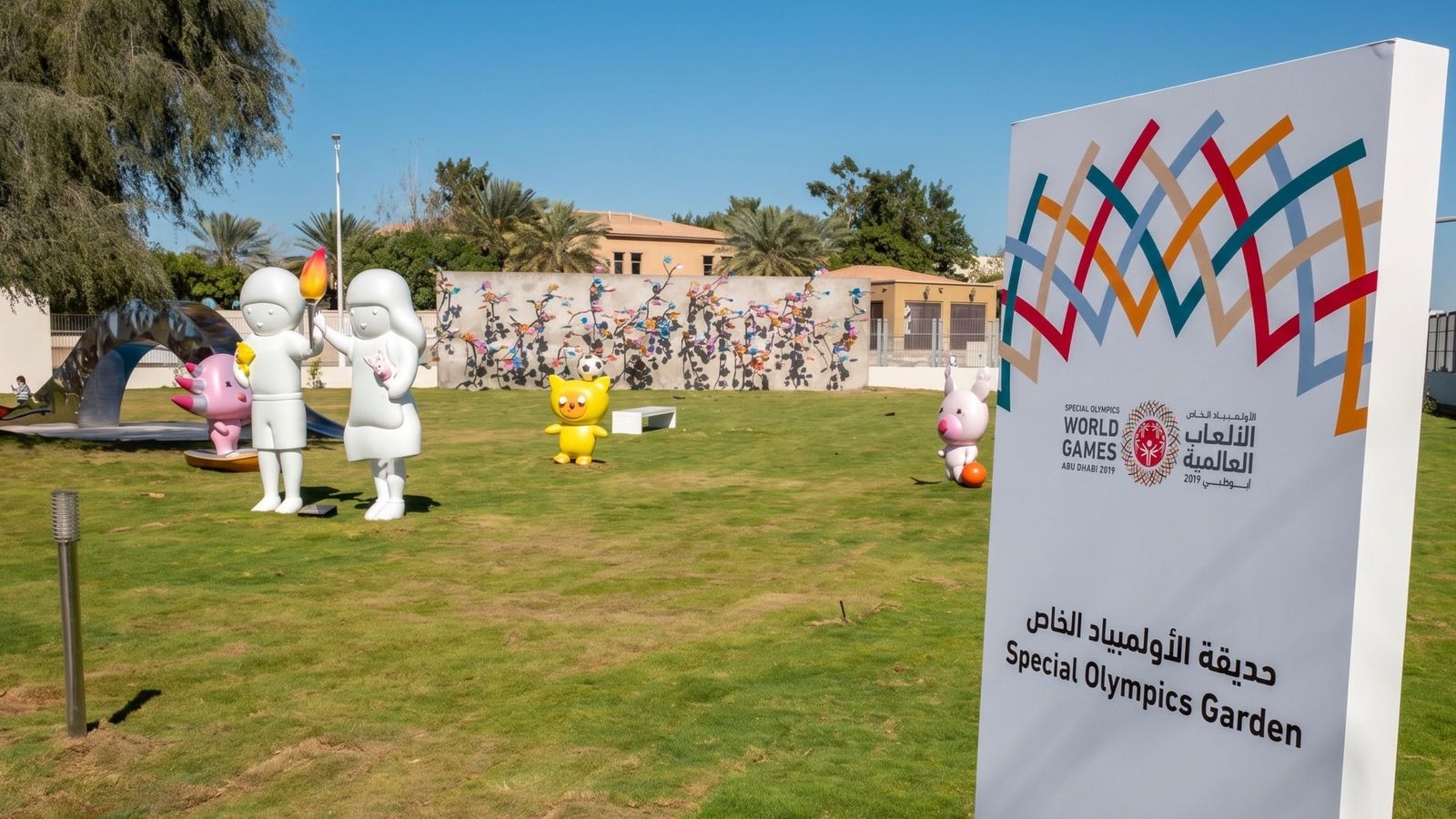
The Special Olympics Gardens sit outside Manarat Al Saadiyat in the Saadiyat Cultural District, and hold six major permanent public artworks by internationally recognised artists. The garden was commissioned around the Special Olympics World Games Abu Dhabi 2019 — the first time the Games were held in the Middle East, staged across the city from 14 to 21 March 2019 with some 7,000 athletes from around 190 nations — and the works were retained afterwards as a permanent outdoor collection.
The commissions span sculpture, mural and installation. Lebanese artist Nadim Karam contributed Grasping the World, a monumental steel sculpture. Turkish artist Mehmet Ali Uysal made Affinity, a working mirrored bridge spanning a stainless-steel lake, which visitors cross on foot. Korean artist Noh Juno's sculpture shows two figures holding the Flame of Hope, the emblem carried through every Special Olympics. Cameroonian artist Pascale Marthine Tayou installed a mixed-media plastic tree. Etel Adnan — the Lebanese-American poet and painter, one of the most significant Arab artists of her generation — contributed a mural. Egyptian artist Wael Shawky contributed wooden carvings.
The grouping is unusual for the emirate: rather than a single commissioned centrepiece, it is a compact, walkable outdoor collection of six works by artists of substantial international standing, sited in a landscaped garden immediately outside a major arts venue and free to enter.
The gardens are open daily, generally from morning to evening, and access is free. Manarat Al Saadiyat itself, with its own exhibition programme, is directly adjacent, as is the Foster + Partners UAE Pavilion.
Exhibo editorial
Sporting events leave behind stadiums that nobody needs. This one left six artworks in a garden, which is a considerably better deal, and the fact that it happened at all is down to a decision to spend some of a Games budget on things that would still be worth visiting in 2026.
Go for the bridge. Uysal's Affinity is mirrored and spans a lake of stainless steel, so walking it means walking on a surface that is showing you the sky and yourself simultaneously, over water that is not water — the kind of work that sounds like a gimmick in description and is quietly disorienting in person. Then there is an Etel Adnan on the same lawn, which is the sort of thing that would be the headline anywhere else and here is simply one of six. It takes twenty minutes, it costs nothing, and almost nobody walking into Manarat next door bothers to look.
How to find it
In the landscaped garden immediately outside Manarat Al Saadiyat in the Saadiyat Cultural District, off Sheikh Khalifa Bin Zayed Al Nahyan Highway. Park at Manarat Al Saadiyat and walk the garden rather than heading straight inside — the six works are spread across the grounds, not clustered. Uysal's mirrored bridge over the steel lake is walkable, so cross it. The Foster + Partners UAE Pavilion is directly opposite and the Louvre Abu Dhabi a short drive away. Free entry, open daily; go in the cooler months or late in the day, as the garden has limited shade.
Similar places
All places
News by Exhibo
Editorial coverage on Exhibo
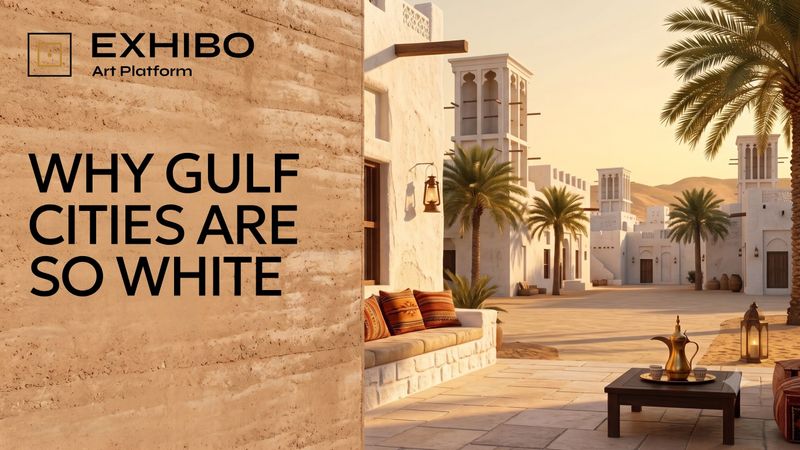
Why Gulf Cities Are So White
The dazzling white of Gulf cities looks like simple physics — sunlight, reflected. The real story runs through coral, lime, faith, oil and the way traditions acquire their reasons after the fact.
Everyone knows why Gulf cities are white: white reflects the sun. It isn't wrong — it's just one strand of a much thicker rope. Follow it back through coral walls and lime skins, a sustainability code that never mentions colour, and a desert that was never really dark and the tidy explanation starts to look like something we tell ourselves afterward.
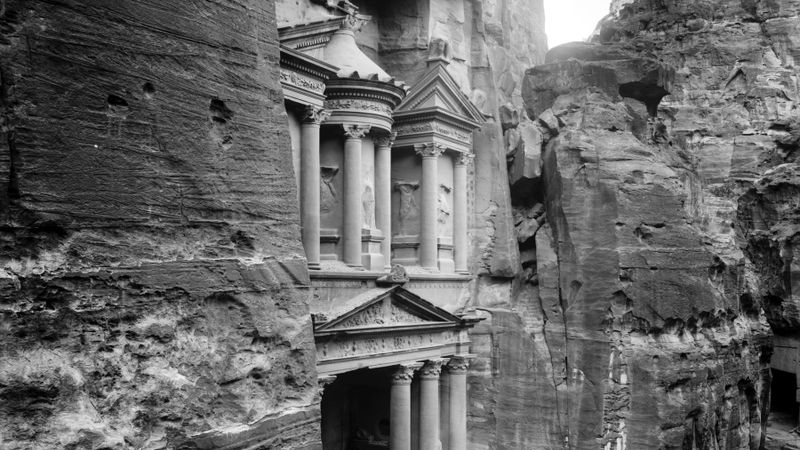
Filmed, but Not Recorded: The Arab World’s Missing Film Locations
Wikidata knows Gladiator was filmed in Morocco. It doesn’t know where.
Ouarzazate is the second most filmed place in the Middle East and North Africa, yet 25 of its 27 productions are recorded only in Wikipedia prose. We compared filming records worldwide and found that in the Arab world, Wikidata usually knows the country but not the place.
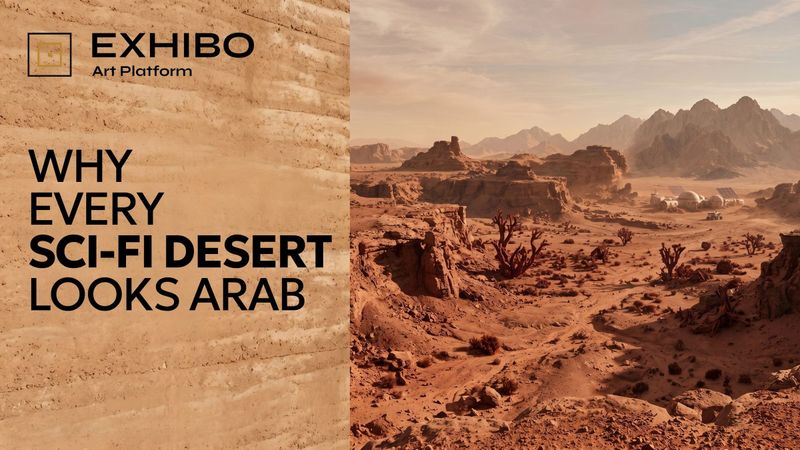
Why Every Sci-Fi Desert Looks Arab
From Arrakis to Tatooine, when a film wants a desert to feel ancient, prophetic and alien, it reaches for an Arab and Berber vocabulary — and reveals more about the West that built it than the region it borrows from.
The wrapped faces, the trilling women, the barely-displaced Arabic: cinema's alien deserts keep sounding Arab. But the vocabulary was assembled in the West — from Orientalist painting to Lawrence to Dune — and it says more about who is looking than about anyone being looked at.