
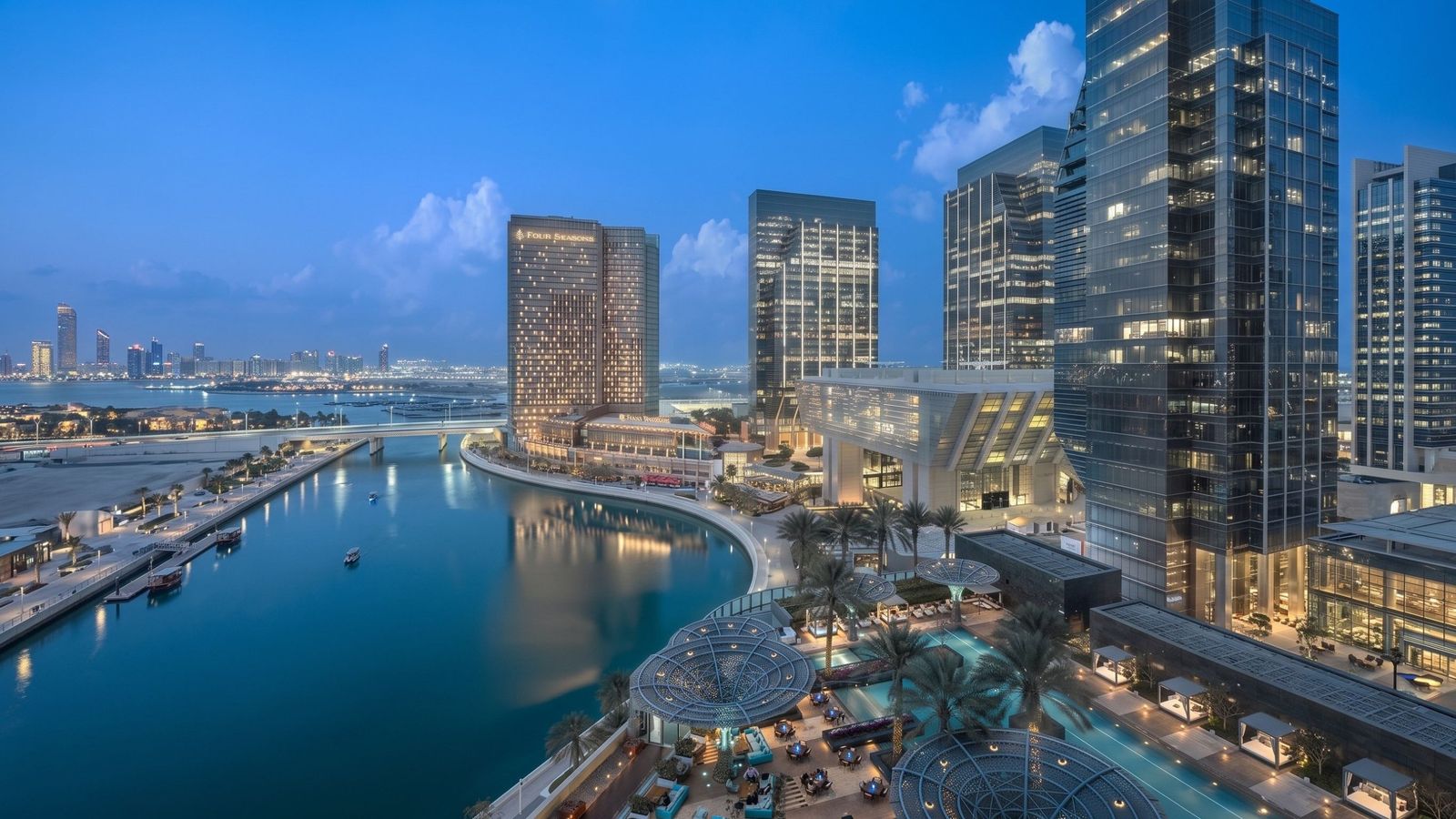
Al Maryah Island Waterfront Promenade
A financial district with a waterside walk around its edge — planned to ring the whole island at 5.4 kilometres.
The Waterfront Promenade wraps the edge of Al Maryah Island, the 114-hectare mixed-use development planned by Mubadala Real Estate and Infrastructure that holds Abu Dhabi's financial centre. It is the public counterpart to the island's corporate programme: a continuous waterside route linking cafés, bistros and restaurants, and a regular venue for community events.
The promenade currently runs from the Four Seasons Hotel Abu Dhabi at Al Maryah Island to Cleveland Clinic Abu Dhabi. A completed extension adds a further 2.06 kilometres of walkway, taking the route around the entire southern half of the island; the full plan is for the promenade eventually to encircle the whole perimeter, at a total of 5.4 kilometres.
The island's connectivity underpins the walk. Four road bridges of between 200 and 430 metres, built by BESIX, link Al Maryah to Hamdan and Electra Streets on Abu Dhabi island to the west and to Al Reem Island to the east; two of them are engineered to carry a future light rail. They carry marked green cycle paths, and residents commute across them by bicycle. To protect water quality and the marine ecosystem, the bridge team worked entirely by maritime engineering methods without temporary embankments into the water. Separately, an enclosed air-conditioned pedestrian link bridge designed by Obermeyer connects Al Maryah Tower to The Galleria mall.
The surrounding architecture is the promenade's main visual event: the ADGM Building raised on granite piers, the four core-supported office towers of ADGM Square, the Rosewood Abu Dhabi and The Galleria. The promenade is free, open air and accessible at any hour.
Exhibo editorial
Financial districts do not usually have a good walk in them. The type tends to produce plazas that are technically public and practically hostile — hard surfaces, security desks, nowhere to be at seven in the evening unless you work there.
Al Maryah avoided that by running the public route around the outside, on the water, so the towers are something you look at rather than something you are inside. Do the stretch between the Four Seasons and Cleveland Clinic after work on a winter evening and the island reads completely differently from how it does at nine in the morning: the glass is catching the last light off the channel, the restaurant terraces have filled, and the buildings that spent the day being a business district are just very large objects standing in water. The plan is for the loop eventually to close all the way round. It will be better when it does.
How to find it
Around the waterfront edge of Al Maryah Island, reached by four road bridges from Hamdan and Electra Streets on Abu Dhabi island or from Al Reem Island to the east. From The Galleria, exit towards the water and pick up the promenade — the walked section runs between the Four Seasons Hotel and Cleveland Clinic Abu Dhabi, passing ADGM Square with the raised glass exchange building on its granite piers. Marked green cycle paths run on the bridges. An enclosed air-conditioned link bridge connects Al Maryah Tower to The Galleria if the heat is a problem. Free and open at any hour; best in the two hours before sunset.
Similar places
All places
News by Exhibo
Editorial coverage on Exhibo
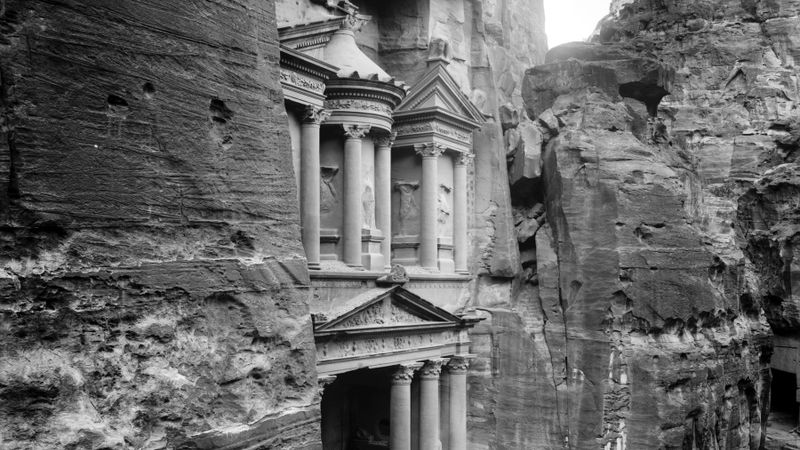
Filmed, but Not Recorded: The Arab World’s Missing Film Locations
Wikidata knows Gladiator was filmed in Morocco. It doesn’t know where.
Ouarzazate is the second most filmed place in the Middle East and North Africa, yet 25 of its 27 productions are recorded only in Wikipedia prose. We compared filming records worldwide and found that in the Arab world, Wikidata usually knows the country but not the place.
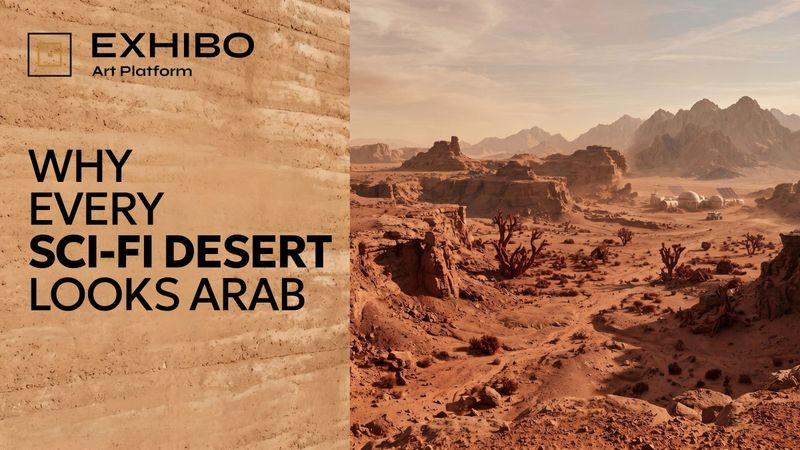
Why Every Sci-Fi Desert Looks Arab
From Arrakis to Tatooine, when a film wants a desert to feel ancient, prophetic and alien, it reaches for an Arab and Berber vocabulary — and reveals more about the West that built it than the region it borrows from.
The wrapped faces, the trilling women, the barely-displaced Arabic: cinema's alien deserts keep sounding Arab. But the vocabulary was assembled in the West — from Orientalist painting to Lawrence to Dune — and it says more about who is looking than about anyone being looked at.
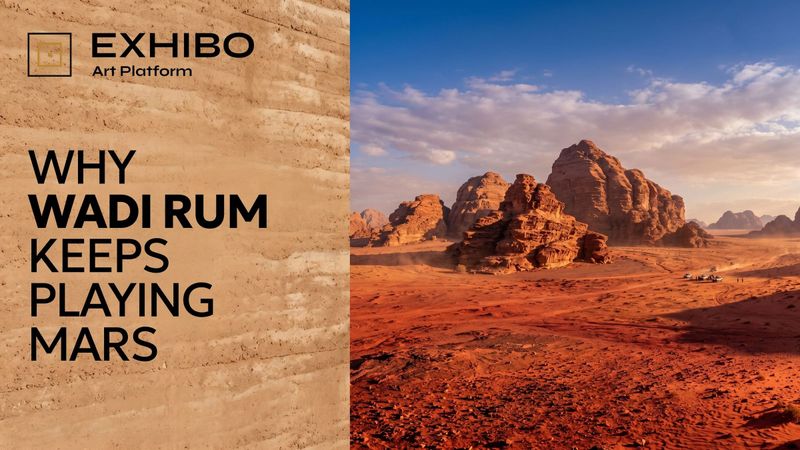
Why Wadi Rum Keeps Playing Mars: A Desert That Is Right About the Wrong Planet
A valley in southern Jordan has become cinema's favourite Mars — not because it is like the planet, but because it looks like the one we carry in our heads.
Put Wadi Rum beside a rover photograph and you can't tell which is Mars. But the desert shares almost nothing with the real planet except its colour — and lately, the illusion has grown powerful enough that real space missions have come to Jordan to rehearse.