Directory listing — not yet managed by the museum. Spotted something wrong? Suggest an edit →

Musée d'Orsay

About

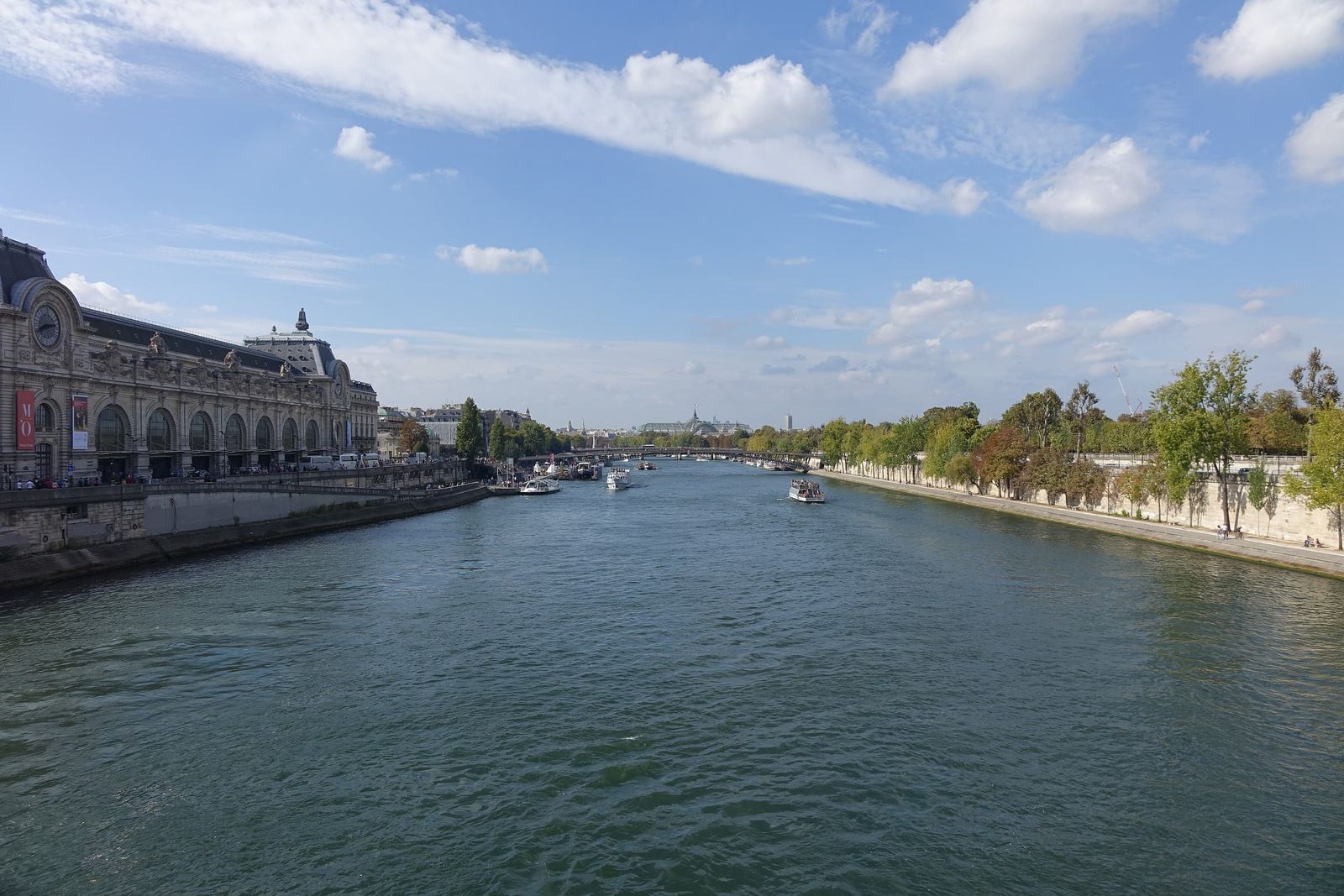
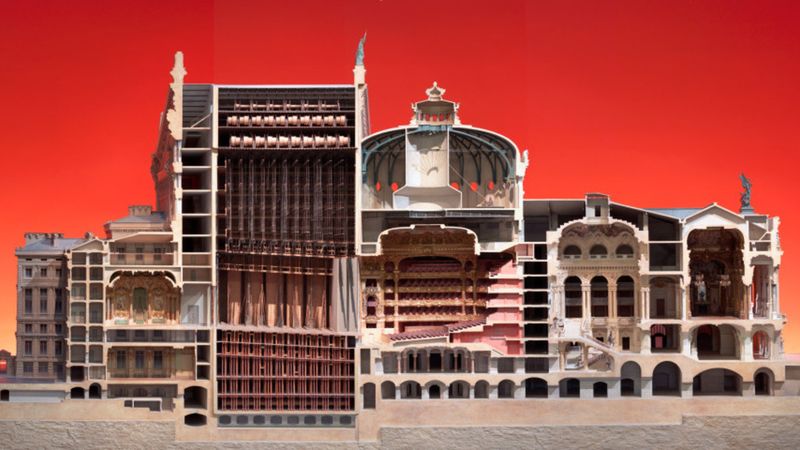
Housed in the former Gare d’Orsay, a Beaux-Arts railway station built on the Left Bank of the Seine for the 1900 Exposition Universelle, the Musée d’Orsay is a French national museum that opened in 1986. Its collections concentrate on French art from 1848 to 1914 – painting, sculpture, decorative arts, architecture and photography – and include the world’s largest holdings of Impressionist and Post-Impressionist masterpieces, with major works by Manet, Monet, Degas, Renoir, Cézanne, Seurat, Gauguin and Van Gogh. It ranks among the most visited museums in Europe.

Visit

Hours, tickets, and directions for Musée d'Orsay.

Address

Esplanade Valéry Giscard d'Estaing, 75007 Paris, France

News by Exhibo

Editorial coverage on Exhibo

All articles →
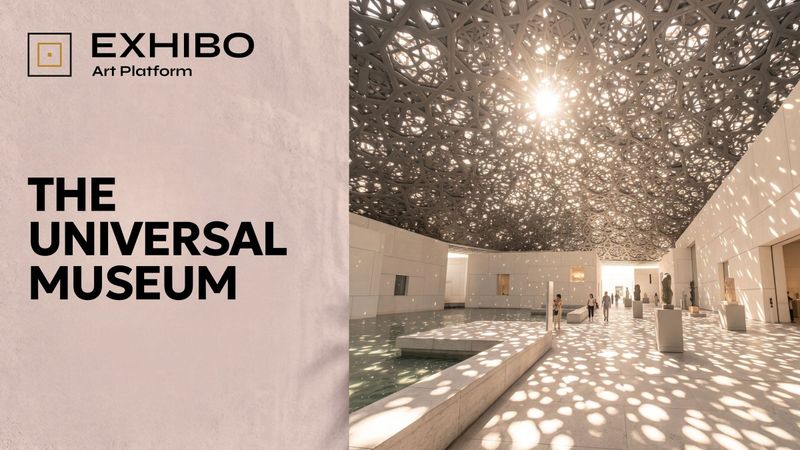
Sunlight falls in scattered points through the perforated dome of the Louvre Abu Dhabi, Jean Nouvel's "rain of light," onto the pale stone of the museum's interior.
Editorial

The Universal Museum, Rebuilt on Arab Soil

How Abu Dhabi took one of the West's most contested ideas — the museum that claims to hold all of humanity — and moved the question of who gets to frame the world

A portolan chart in the floor, three ewers without a hierarchy, and a $450-million Leonardo no one has seen since it was bought. The Louvre Abu Dhabi is a French–Emirati experiment in what the universal museum becomes when it is rebuilt from a different centre — and whether that moves the centre, or merely moves the Louvre, is the question the building leaves open.

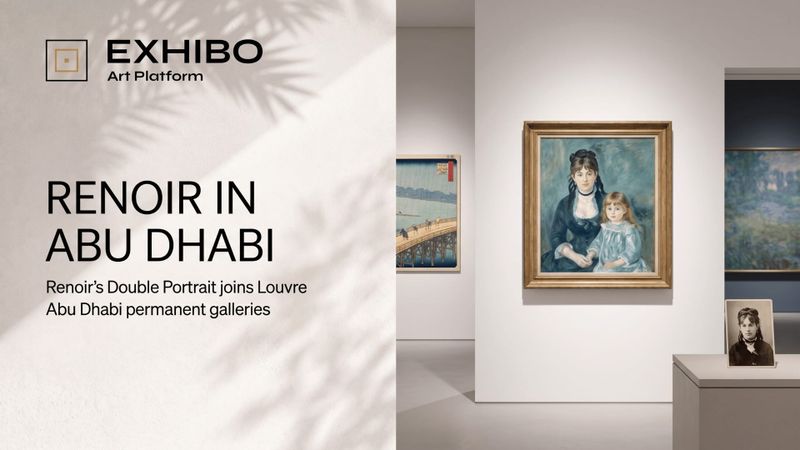
Renoir's Double Portrait of Berthe Morisot Joins the Permanent Galleries at Louvre Abu Dhabi

Renoir's Double Portrait of Berthe Morisot Joins the Permanent Galleries at Louvre Abu Dhabi

The 1894 painting, the latest addition to the Abu Dhabi Masterpieces Collection, will be on view for a year alongside Monet, Japanese prints and photography that trace Impressionism's cross-cultural roots.

Pierre-Auguste Renoir's 1894 double portrait of Berthe Morisot and her daughter, Julie Manet, is now on display in the permanent galleries of Louvre Abu Dhabi for one year — the latest addition to the Abu Dhabi Masterpieces Collection, placed in dialogue with Monet, Japanese prints and period photography.

People

Artists

Artists associated with the museum's collection and programme.

Mary Cassatt

Mary Cassatt

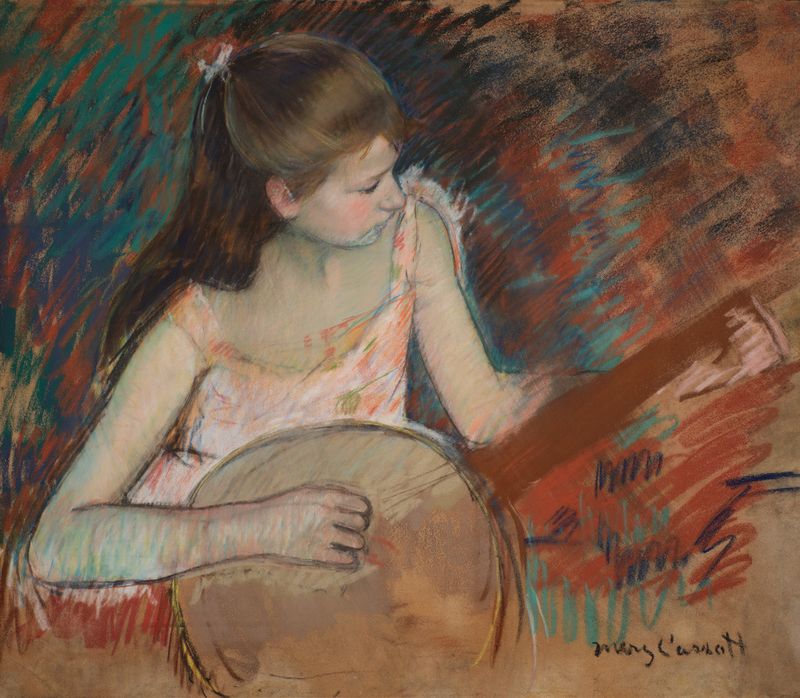
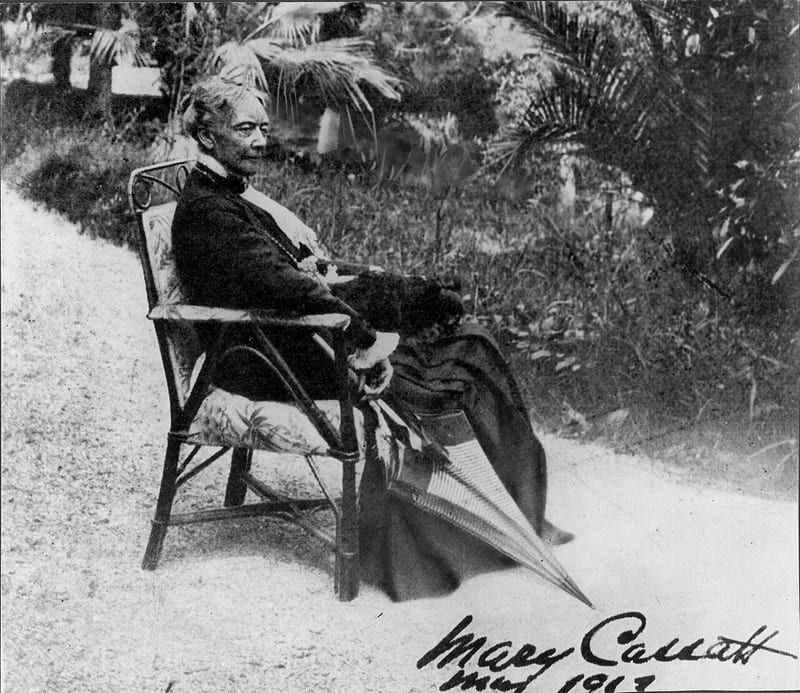
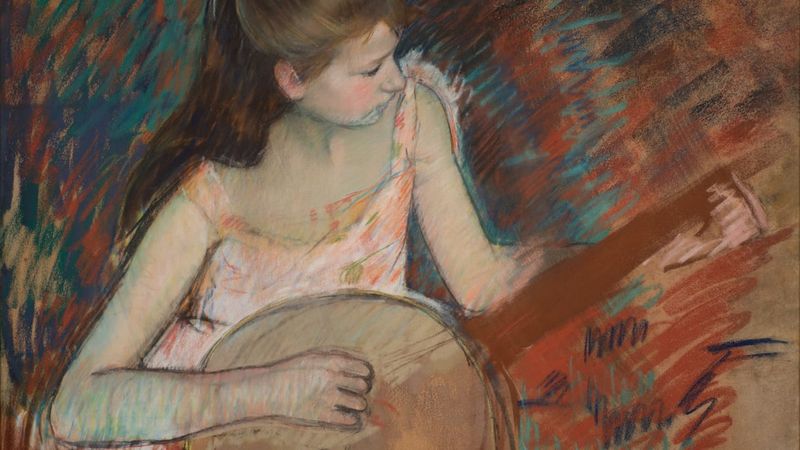
Mary Stevenson Cassatt (1844–1926) was an American painter and printmaker. Born in Allegheny, Pennsylvania (now part of Pittsburgh), she spent most of her adult life in France, where she befriended Edgar Degas and exhibited with the Impressionists. Her work often depicts the social and private lives of women, with particular emphasis on the intimate bond between mothers and children. The critic Gustave Geffroy counted her among the “three great ladies” of Impressionism, alongside Marie Bracquemond and Berthe Morisot, and she played an important role in introducing Impressionism to American collectors, notably through her friendship with the Havemeyer family.

Auguste Bartholdi

Auguste Bartholdi

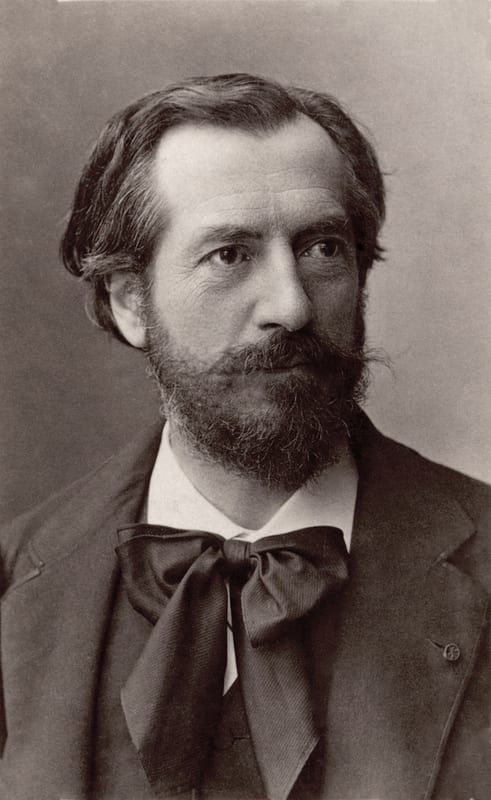
Frédéric Auguste Bartholdi (1834–1904) was a French sculptor and painter, best known for designing Liberty Enlightening the World – the Statue of Liberty – in New York. The statue, a gift from France to the United States, was erected in 1886 on Liberty Island at the entrance to New York harbour; its internal structure was begun by Viollet-le-Duc and completed by Gustave Eiffel. Bartholdi also created the monumental Lion of Belfort, commemorating the city’s resistance during the siege of 1870–71. His rare paintings are usually signed with the pseudonym “Amilcar Hasenfratz”.

Jenny Holzer

Jenny Holzer

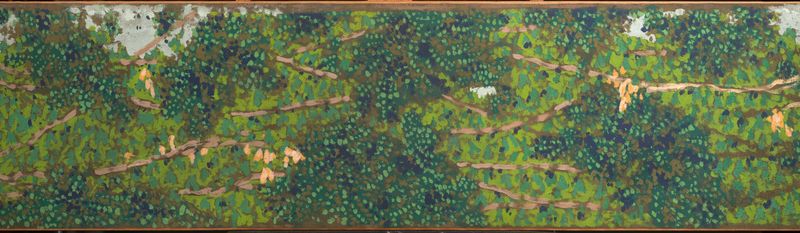
Jenny Holzer (born 1950) is an American neo-conceptual artist based in Hoosick and New York City. Her work centres on the delivery of words and ideas in public space, through large-scale installations, advertising billboards, projections on buildings and other structures, and electronic displays. Part of the feminist generation of artists who emerged around 1980, she was an active member of Colab and took part in The Times Square Show. Her honours include the Golden Lion at the Venice Biennale (1990), the rank of Officier des Arts et des Lettres (2016) and the U.S. State Department’s International Medal of Arts (2017).

Richard Peduzzi

Richard Peduzzi

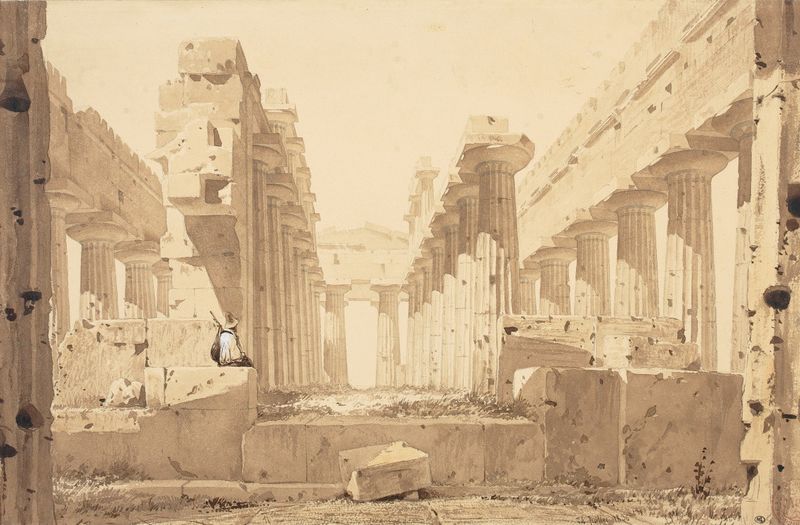
Richard Peduzzi (born 1943 in Argentan, Orne) is a French scenographer. From 1969 he designed the sets for Patrice Chéreau’s productions, including plays by Bernard-Marie Koltès, the centenary staging of Wagner’s Ring at the Bayreuth Festival conducted by Pierre Boulez, Berg’s Lulu and Offenbach’s The Tales of Hoffmann at the Paris Opéra, and Tristan und Isolde at La Scala (2007), as well as films such as La Reine Margot. His sets are often built from large vertical masses that symbolise the dangers threatening the characters. He directed the French Academy in Rome (Villa Medici) from 2002 to 2008.

Claude Monet

Claude Monet

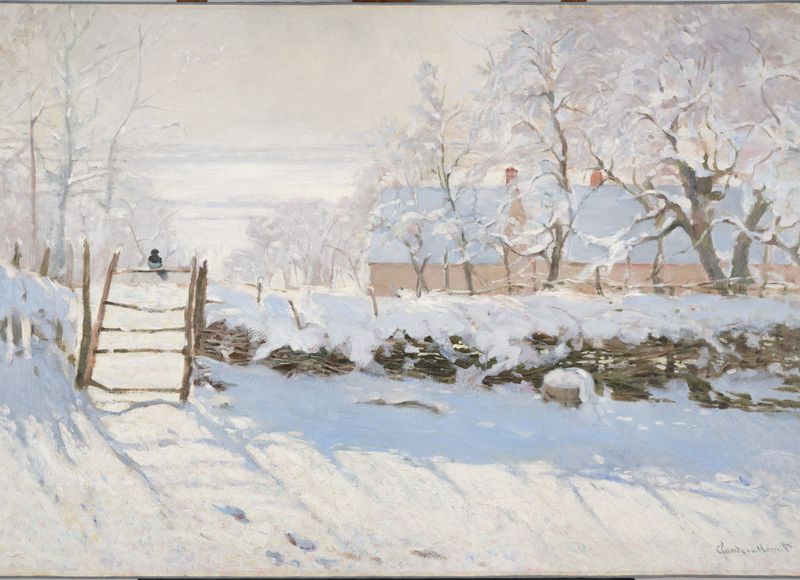
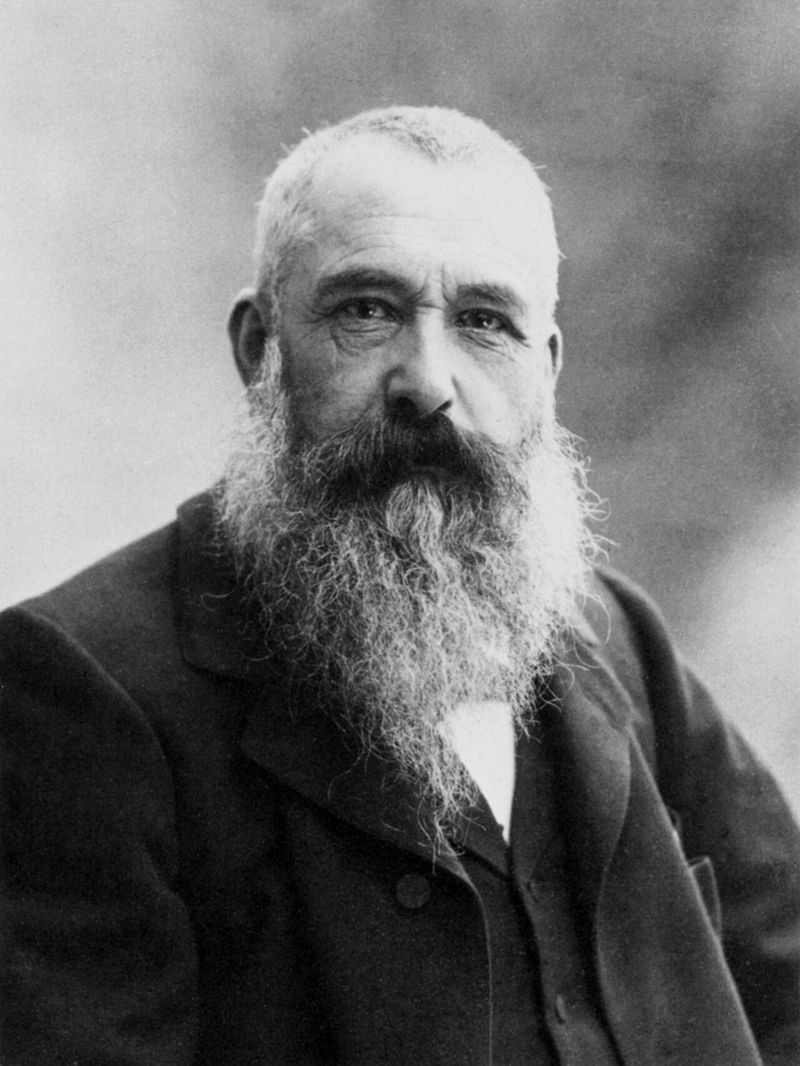
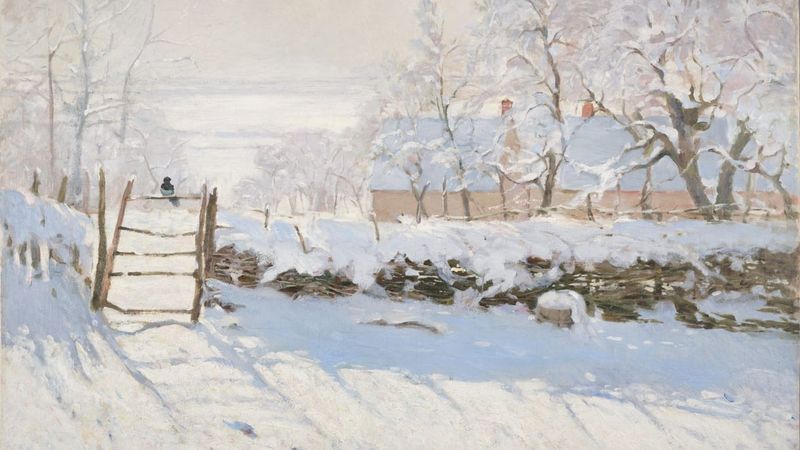
Oscar-Claude Monet (1840–1926) was a French painter and a founder of Impressionism, seen as a key precursor of modernism, especially in his efforts to paint nature as he perceived it. Throughout his long career he was the most consistent and prolific practitioner of Impressionism’s approach, particularly in plein-air landscape painting; the movement’s name derives from his painting Impression, Sunrise, shown at the first Impressionist exhibition in 1874. Raised in Le Havre, he studied at the Académie Suisse and under Charles Gleyre, where Auguste Renoir was a fellow student, and was encouraged early on by Eugène Boudin.

Marie Bracquemond

Marie Bracquemond

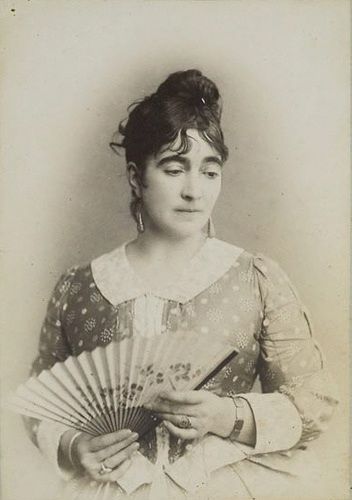
Marie Bracquemond (née Quivoron, 1840–1916) was a French Impressionist artist, one of the notable women of the movement alongside Mary Cassatt, Berthe Morisot and Eva Gonzalès. Largely self-taught, she began exhibiting at the Paris Salon as a teenager and received limited guidance from Ingres and advice from Paul Gauguin. With her husband, the printmaker Félix Bracquemond, she produced ceramic art for Haviland & Co. She took part in three of the eight Impressionist exhibitions (1879, 1880 and 1886); of at least 157 works she produced, only 31 have been located today.

Félix Bracquemond

Félix Bracquemond

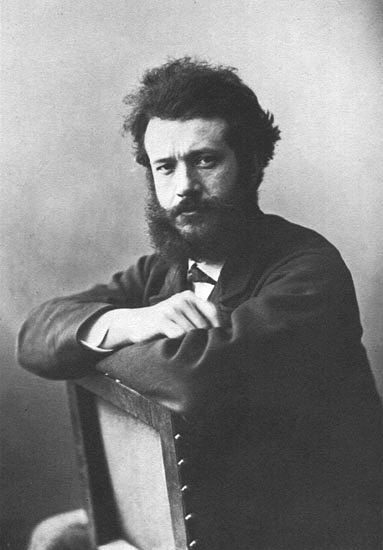
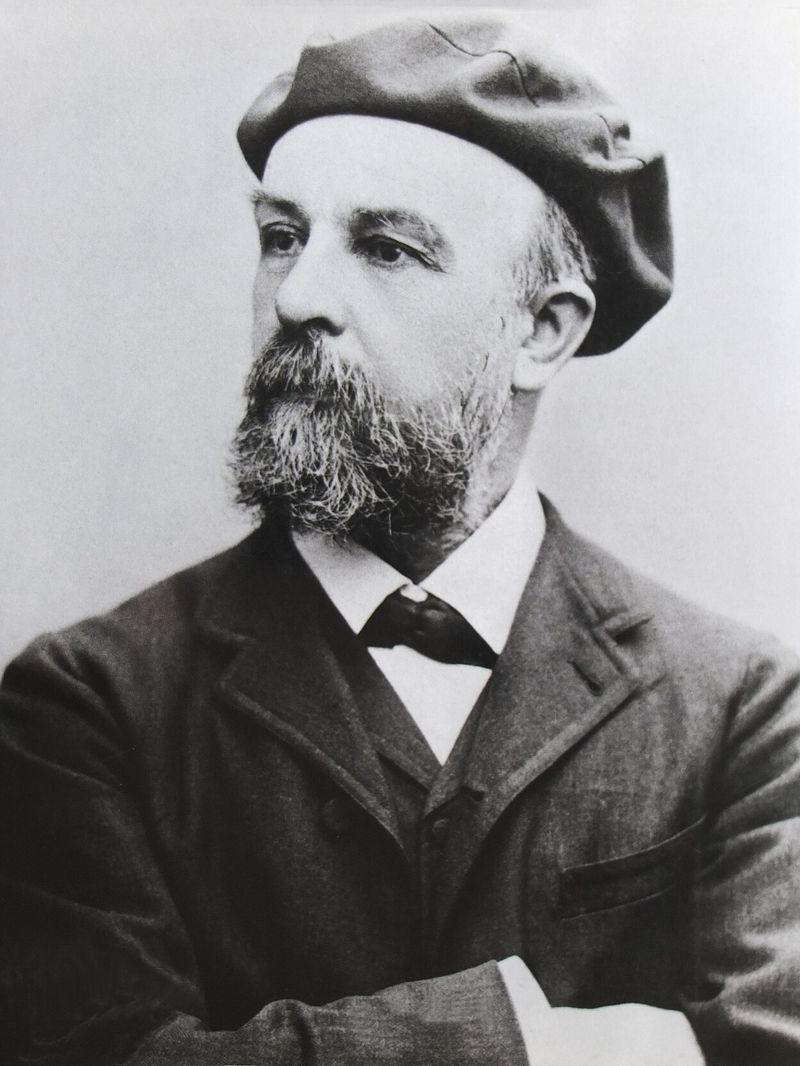
Félix Bracquemond (1833–1914) was a French painter, etcher and printmaker who played a key role in the revival of printmaking, encouraging artists such as Édouard Manet, Edgar Degas and Camille Pissarro to take up etching. Unusually for a leading artist of his time, he also designed pottery for several French manufacturers in an innovative style that marked the beginning of Japonisme in France. He was married to the Impressionist painter Marie Bracquemond.

Maurice Denis

Maurice Denis

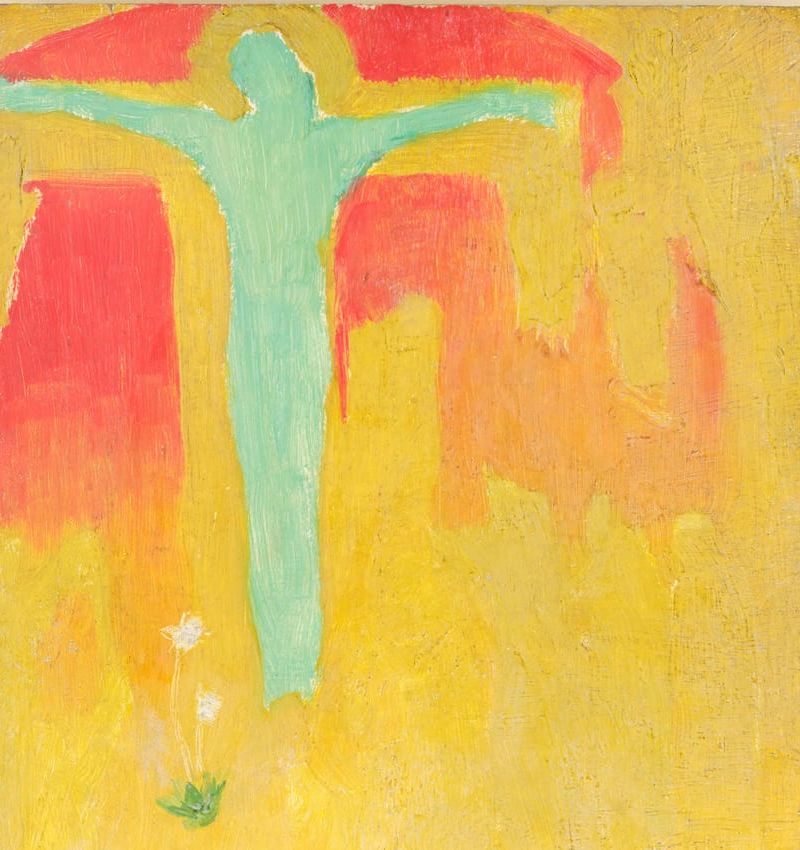
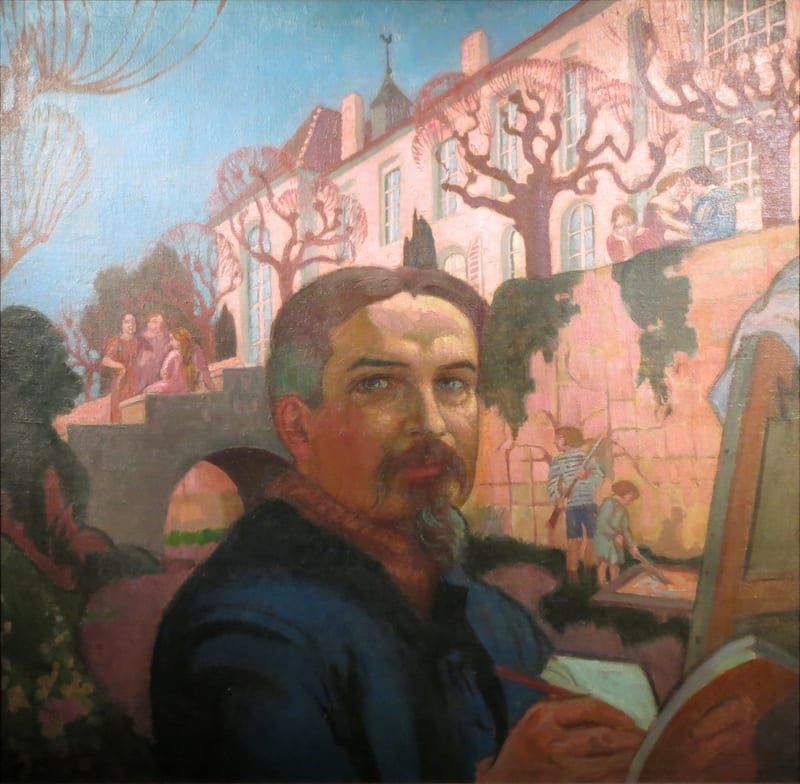
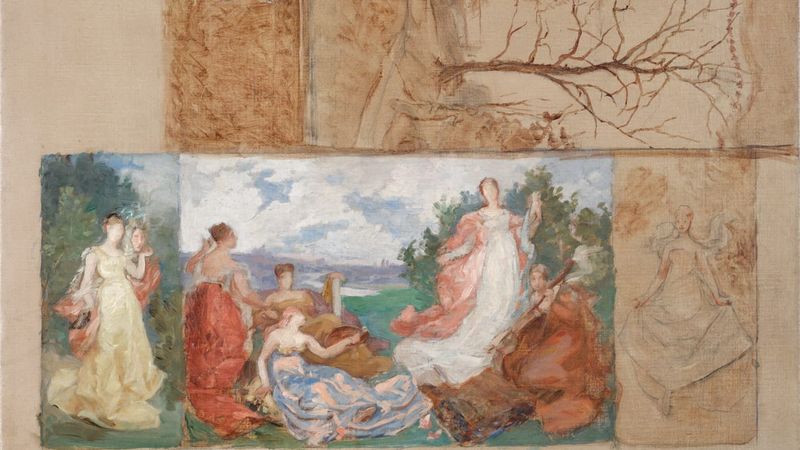
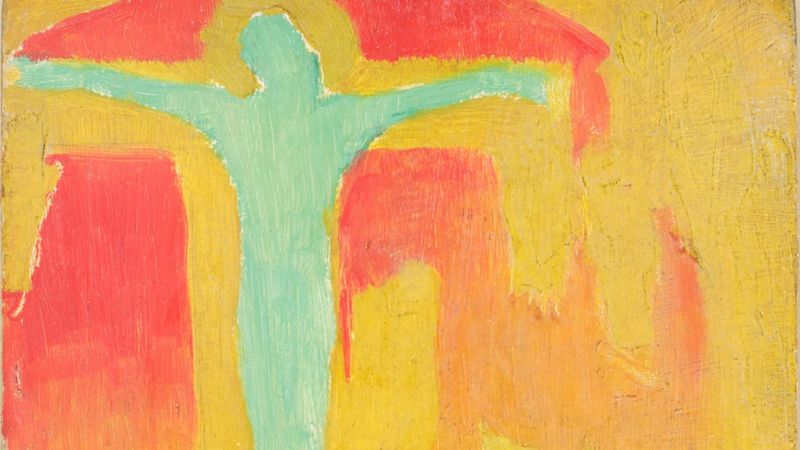
Maurice Denis (1870–1943) was a French painter, decorative artist and writer associated with the Nabis, Symbolism and later Neo-classicism. An important figure in the changing art world of the late 19th century, he wrote theories that contributed to the foundations of Cubism, Fauvism and abstraction. After the First World War he founded the Ateliers d’Art Sacré, decorated church interiors and worked for a revival of religious art.

Gustave Le Gray

Gustave Le Gray

Gustave Le Gray (1820–1884) was a French painter, draughtsman, sculptor, printmaker and photographer, often called the most important French photographer of the 19th century for his technical innovations, his teaching of other noted photographers and the extraordinary imagination he brought to picture-making. He was an important contributor to the development of the waxed-paper negative.

Édouard Vuillard

Édouard Vuillard

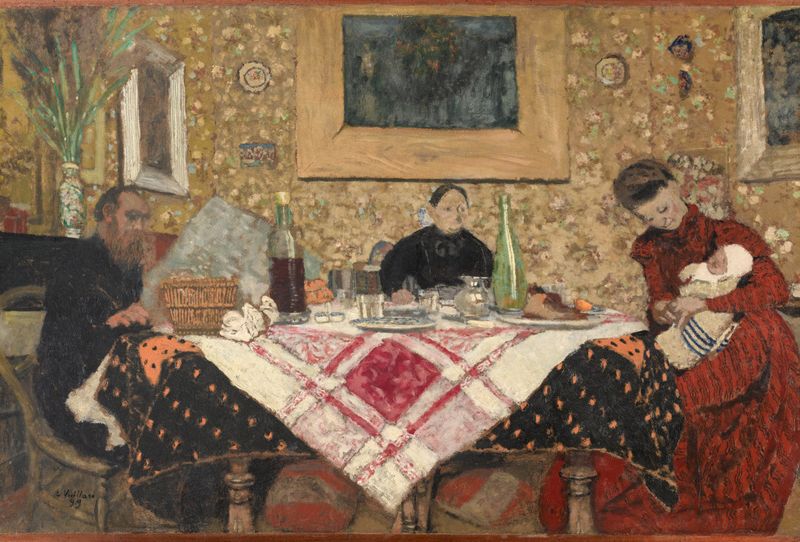
Édouard Vuillard (1868–1940) was a French painter, decorative artist and printmaker. From 1891 to 1900 he belonged to the avant-garde group Les Nabis, painting interiors that, influenced by Japanese prints, explored the spatial effects of flattened planes of colour, pattern and form. As a decorative artist he painted theatre sets and decorative panels and designed plates and stained glass. After the Nabis disbanded he adopted a more realistic style, and in the 1920s and 1930s painted portraits of figures from French industry and the arts in their familiar surroundings.

Alexander Harrison

Alexander Harrison

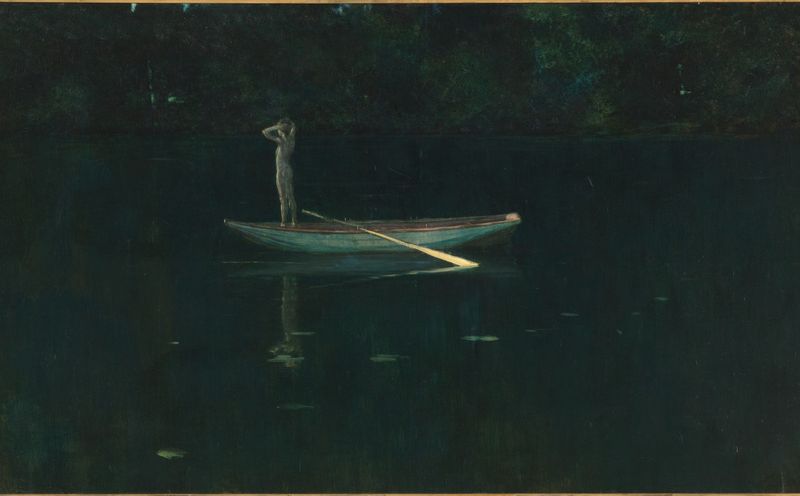
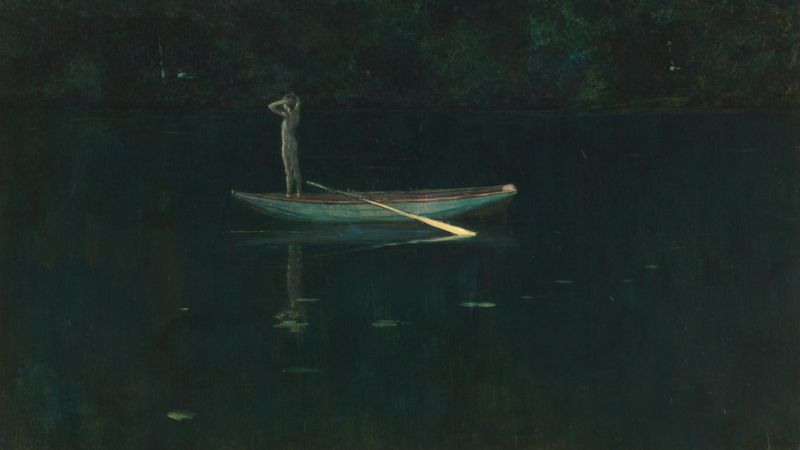
Thomas Alexander Harrison (1853–1930) was an American marine painter, born in Philadelphia, who spent most of his career in France and died in Paris.

Paul Delance

Paul Delance

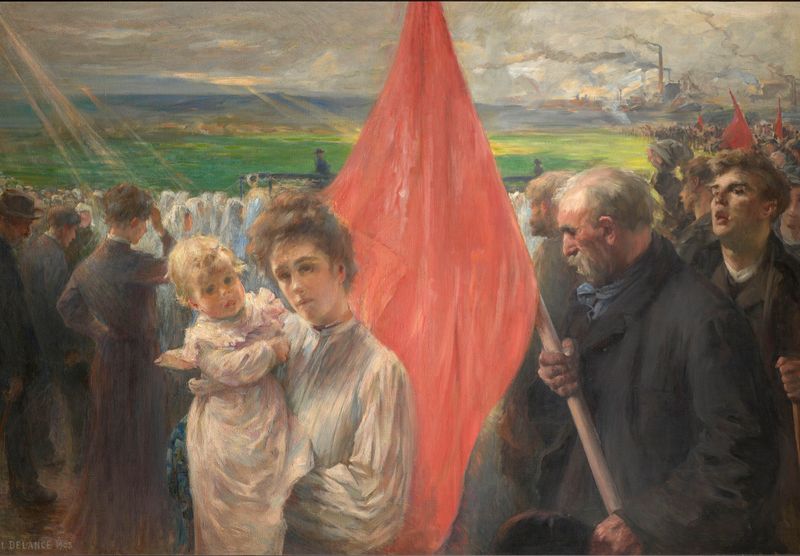
Paul-Louis Delance (1848–1924) was a French painter, born and died in Paris.

Eugène Viollet-le-Duc

Eugène Viollet-le-Duc

Eugène Viollet-le-Duc (1814–1879) was a French architect and writer, famous for restoring many of France’s most important medieval monuments, including Notre-Dame de Paris, the Basilica of Saint-Denis, Mont-Saint-Michel, the Sainte-Chapelle and the walls of Carcassonne. His writings on decoration and on the relationship between form and function profoundly influenced Art Nouveau architects such as Gaudí, Horta and Guimard, as well as early modernists including Frank Lloyd Wright, Mies van der Rohe and Le Corbusier, who regarded him as a father of modern architecture.

Edgar Degas

Edgar Degas

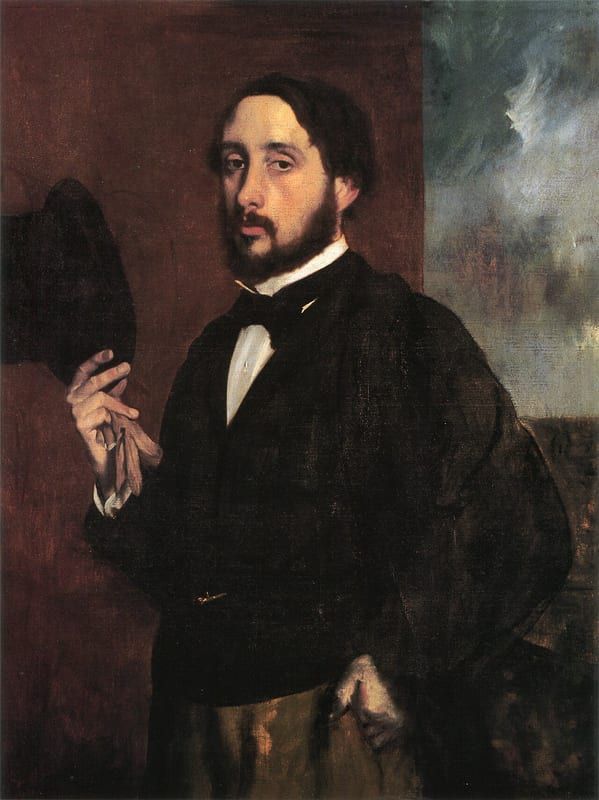
Edgar Degas (1834–1917) was a French artist famous for his pastels and oil paintings, who also made wax sculptures, prints and drawings. He is particularly identified with dance – more than half his works depict dancers – and also painted racehorses, jockeys, bathers and psychologically complex portraits. Although regarded as a founder of Impressionism, he rejected the term, preferring to be called a realist, and did not paint outdoors. Trained as a history painter, he turned in his thirties to contemporary subjects, becoming a classical painter of modern life.

Pierre Bonnard

Pierre Bonnard

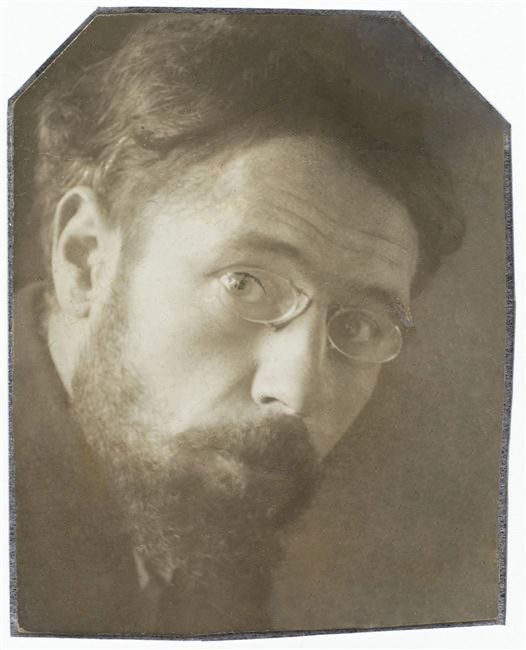
Pierre Bonnard (1867–1947) was a French painter, illustrator and printmaker known for the stylised decorative qualities of his paintings and his bold use of colour. A founding member of the Post-Impressionist group Les Nabis, he was strongly influenced early on by Paul Gauguin and by Hokusai and other Japanese printmakers. A leading figure in the transition from Impressionism to modernism, he painted landscapes, urban scenes, portraits and intimate domestic scenes.

Rosa Bonheur

Rosa Bonheur

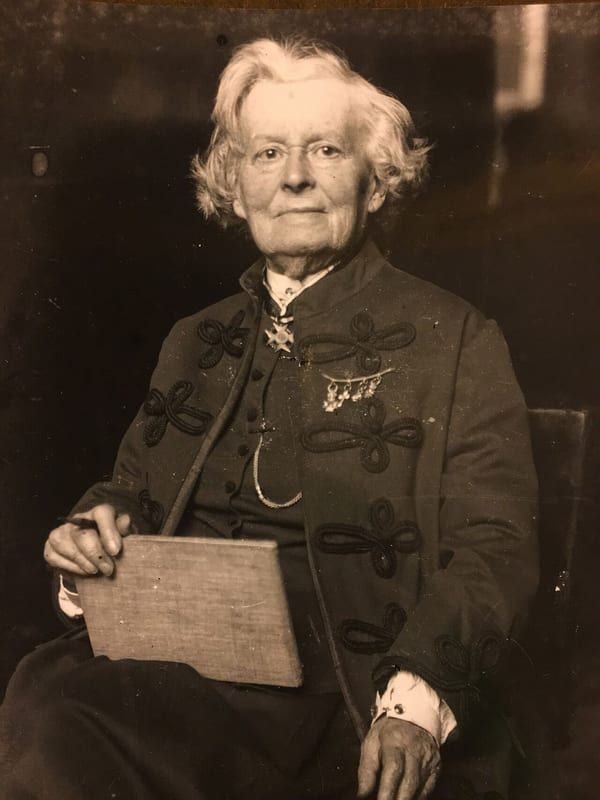
Rosa Bonheur (1822–1899) was a French painter, sculptor and animalier, widely considered the most famous woman painter of the 19th century. Her best-known works include Ploughing in the Nivernais, shown at the Salon of 1849 and now in the Musée d’Orsay, and The Horse Fair, exhibited at the Salon of 1853 and now in the Metropolitan Museum of Art. She also made realist sculpture. She lived for more than forty years with her partner Nathalie Micas and later with the American painter Anna Elizabeth Klumpke.

Camille Claudel

Camille Claudel

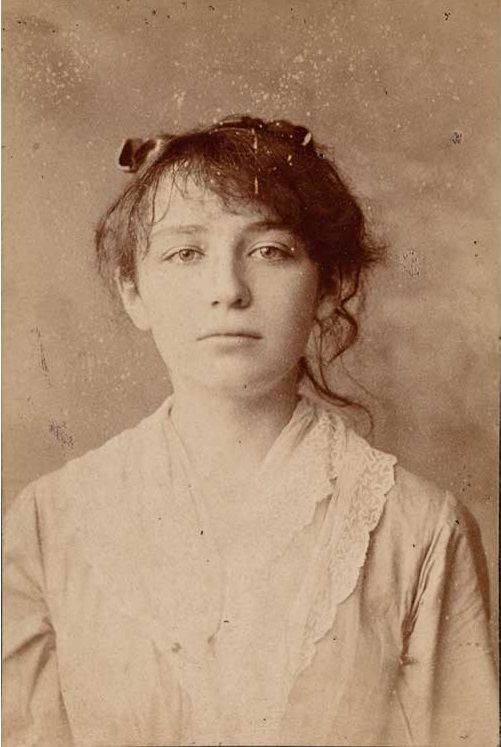
Camille Claudel (1864–1943) was a French sculptor known for her figurative works in bronze and marble, such as The Waltz and The Mature Age. A longtime associate of Auguste Rodin, she died in relative obscurity but gained renewed recognition later in the 20th century for the originality and quality of her work. The Musée Camille Claudel opened in Nogent-sur-Seine in 2017, and her sculptures are held by the Musée d’Orsay, the Musée Rodin and many other major museums.

Félix Nadar

Félix Nadar

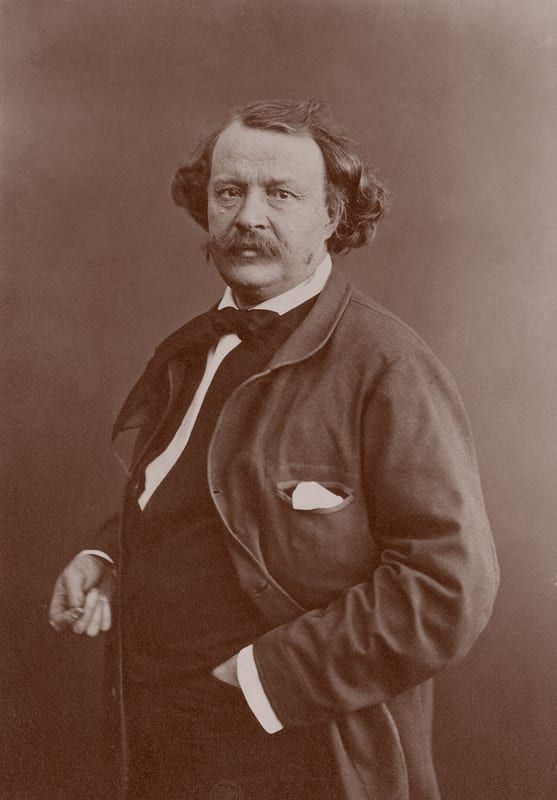
Nadar – the pseudonym of Gaspard-Félix Tournachon (1820–1910) – was a French photographer, caricaturist, journalist, novelist and balloonist. In 1858 he became the first person to take aerial photographs. His photographic portraits are held by many of the great national photography collections, and his studio hosted the first Impressionist exhibition in 1874. His son Paul Nadar continued the studio after his death.

Berthe Morisot

Berthe Morisot

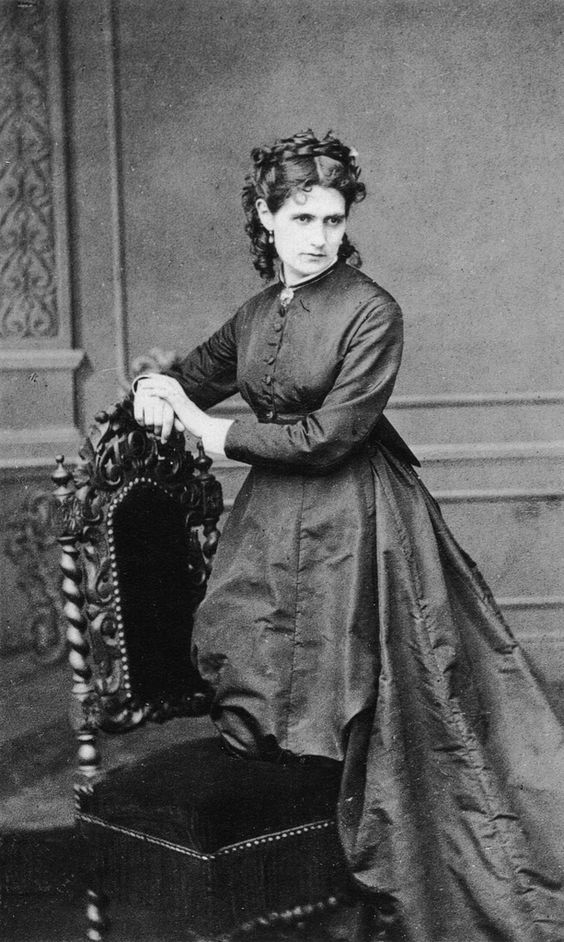
Berthe Morisot (1841–1895) was a French painter and printmaker and a member of the Impressionist circle in Paris. She first exhibited at the Salon in 1864 and, in 1874, joined the first Impressionist exhibition alongside Cézanne, Degas, Monet, Pissarro, Renoir and Sisley, going on to take part in all but one of the eight Impressionist exhibitions. She was married to Eugène Manet, brother of her friend Édouard Manet, and was described by Gustave Geffroy as one of the “three great ladies” of Impressionism, with Marie Bracquemond and Mary Cassatt.

Odilon Redon

Odilon Redon

Odilon Redon (1840–1916) was a French Symbolist draughtsman, printmaker and painter. Early in his career he worked almost exclusively in charcoal and lithography – his “noirs” – and gained recognition after Joris-Karl Huysmans mentioned his drawings in the 1884 novel À rebours. In the 1890s he turned to pastel and oil, abandoning the noirs after 1900. His dreamlike paintings of the early 20th century, inspired by Japanese art and leaning towards abstraction, are considered a precursor of Surrealism.