6 October 2026 — 31 January 2027
Mary Cassatt: Being Independent
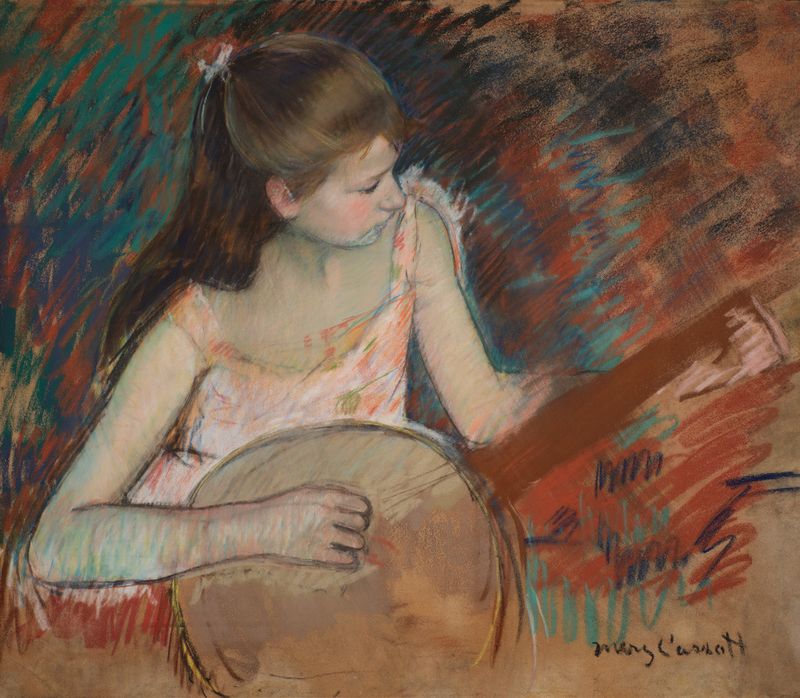
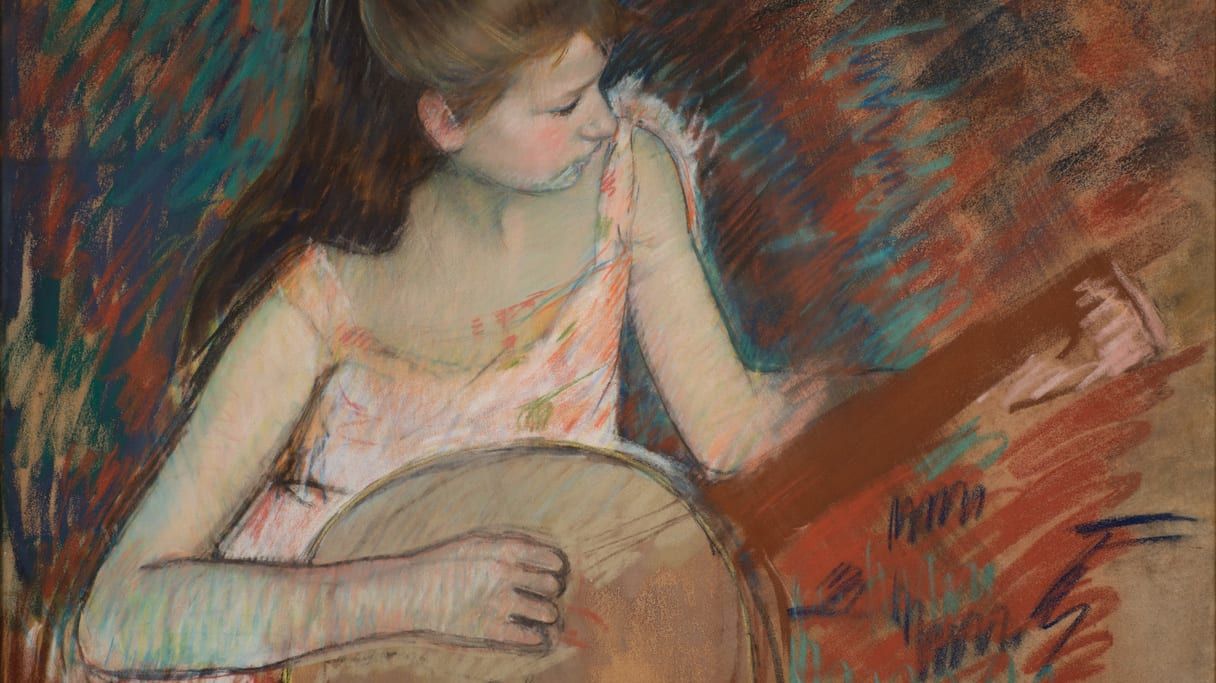
To mark the centenary of her death, the Musée d’Orsay is staging a major exhibition devoted to Mary Cassatt (1844–1926). It is a long-awaited moment in France, where the national museums have never before given a large-scale show to this committed member and mainstay of the Impressionist group. The anniversary is an opportunity to reassess the central position of an artist who, through talent and sheer determination, forged a singular identity in the art of the late 19th and early 20th centuries on both sides of the Atlantic. Cassatt called herself “American, American through and through”, yet she first rooted her art in the tradition of the old masters, studied on her travels in Europe, before becoming a key figure of Impressionism in France, where she lived for some sixty years. “I am independent! I can live alone and I love to work,” she declared. Following a chrono-thematic route, the exhibition offers a fresh portrait of the artist through the lens of independence – a value she prized and that guided her throughout her life. With nearly 80 paintings, pastels and prints spanning her entire career, “Mary Cassatt: Being Independent” draws on unpublished letters and previously unused sources to open new perspectives on her work. Rarely seen pieces from public and private European collections are shown alongside paintings and pastels from American collections that seldom travel outside the United States. A group of early works and portraits of those close to her shows how Cassatt’s social background, her travels and her knowledge of earlier art shaped her approach. Determined to be independent – initially at the request of her wealthy family – she soon set up her own studio and hired professional models. In a largely male world, and against a backdrop of latent nationalism, she quickly established herself as a professional painter. Among her most striking creations are her images of elegant young women making their way in society, receiving visitors at home or enjoying an evening at the theatre – women setting out to conquer the modern world and win their independence. These bold, lively pictures drew attention at the Impressionist exhibitions, in which Cassatt took part four times from 1879 at the invitation of her friend Edgar Degas. The show examines and reassesses her essential contribution to these avant-garde, self-declared “independent” exhibitions. Her activity on the art market was another pillar of her independence. She specialised in the much sought-after “mother and child” subject, in which she excelled and with which she remains associated, while also taking on portrait commissions. Several key works recall her decisive role as an adviser to American relatives, friends and acquaintances buying paintings – Impressionist works above all – and thus in the formation of art collections in the United States. By the early 1890s, financial independence allowed Cassatt to become a property owner. The château she bought in the Oise, set in extensive grounds, became the backdrop for many outdoor scenes of women and children – radiant, vividly coloured works. Her most important commission, Modern Woman, a monumental mural for the Woman’s Building at the 1893 World’s Columbian Exposition in Chicago, was a high point of her career and a milestone in her work. Long since lost, this vast decoration (4 x 18 metres), unprecedented in both scale and subject, is evoked through prints and pastels related to the mural and a film presenting its digital restoration. Her celebrated set of “Ten Color Prints” is also examined in the light of this highly experimental phase and of her progressive views on women’s education. Cassatt’s commitment to independence extended beyond her own career. A staunch supporter of women’s suffrage, she urged her contemporaries to “work for suffrage, for it is the women who will decide the question of life or death for a nation.” In 1915, with her friend Louisine Havemeyer, she organised an exhibition in New York in support of the suffrage cause. The exhibition ends with a small group of paintings shown on that occasion, revealing how both the art and the actions of this pioneering artist leaned towards activism. Curated by Caroline Corbeau-Parsons (Musée d’Orsay), Anne Robbins (Musée d’Orsay), Sarah Moulden (National Portrait Gallery) and Erica Hirshler (Museum of Fine Arts, Boston).
Tickets
Included with museum admission
Check the museum profile for general admission details.