Riyadh

Al Murabba & Al Futah

0 galleries · 2 museums · 0 places

About this district

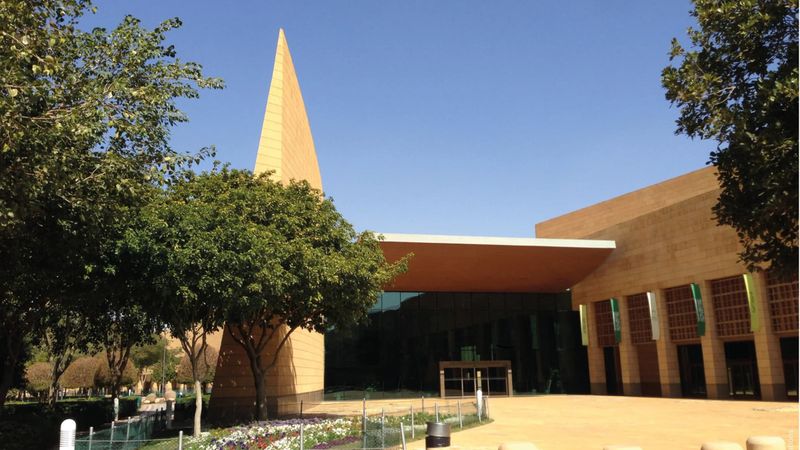
Two adjoining central districts that together hold the King Abdulaziz Historical Center — 440,000 square metres of museums, palaces, libraries and parks around the compound where King Abdulaziz lived and worked. The National Museum is here, and so are the Murabba Palace, the Red Palace, the Darah and six public gardens. Free to enter, and large enough to take a full day.

Galleries

No published galleries in this district yet.

Museums

Places

No published places in this district yet.

The Diriyah Contemporary Art Biennale: A Visitor and Context Guide

The Diriyah Contemporary Art Biennale: A Visitor and Context Guide

An in-depth look at the curators, scenography, and regional commissions shaping Saudi Arabia’s premier international contemporary art platform.

Explore the third edition of the Diriyah Contemporary Art Biennale, "In Interludes and Transitions". Our comprehensive visitor guide covers the co-curators' vision, Formafantasma's industrial scenography, major commissions, and practical tips for navigating the JAX District with Exhibo.
The Complete Art Guide to Riyadh
Editorial

The Riyadh Art Guide: JAX District and the Contemporary Scene

An insider's directory to navigating the capital's changing creative spaces, from transformed industrial warehouses to central gallery hubs.

Riyadh's contemporary art scene is expanding at an extraordinary pace. Discover the city's essential creative hubs, from the monumental converted warehouses of the JAX District to the bustling commercial galleries of Al Olaya, with Exhibo's comprehensive cultural guide.

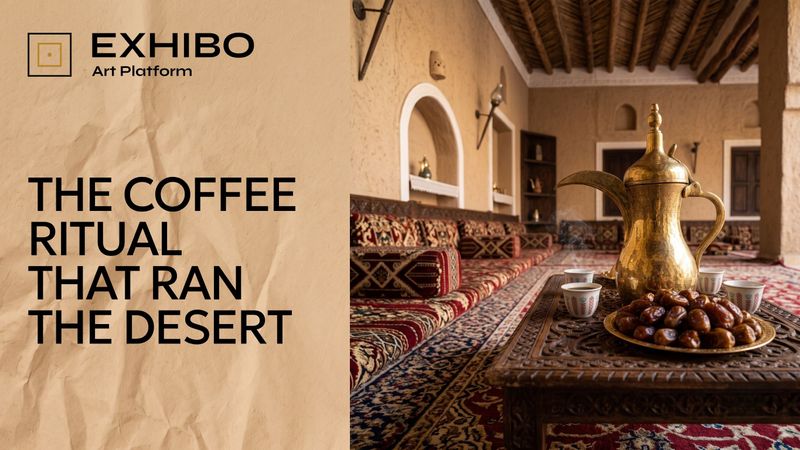
A host pours Arabic coffee from a dallah into a small handle-less finjan cup in a majlis
Editorial

The Coffee Ritual That Ran the Desert

A cup of coffee in the desert was a contract, a test, a truce, and a promise of protection — a whole social order in the tilt of a small white cup.

Among the Bedouin of Arabia, serving coffee was never just hospitality — it was a code. The order of the cups, the amount poured, the shake of the wrist that says enough: a whole unwritten language for turning a dangerous stranger into a guest, and sometimes an ally. The story of Arabic coffee as the social law of the desert — and how it lives on in the region's museums and art.

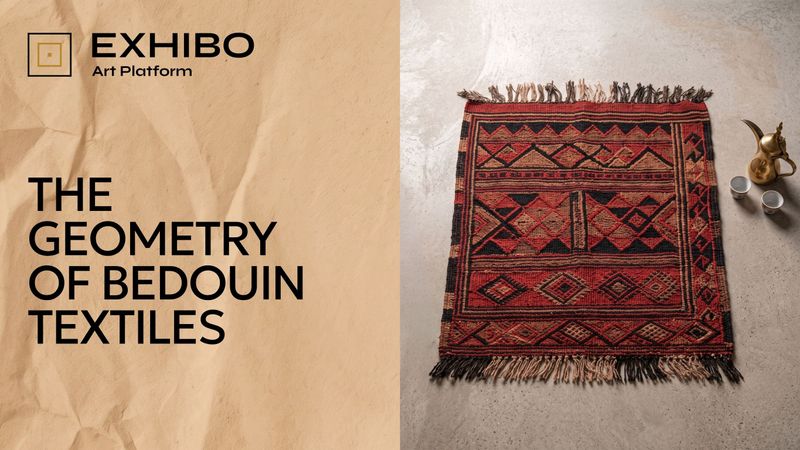
Handwoven Sadu textile with traditional Bedouin geometric patterns in red, black and brown
Editorial

Sadu Weaving: The Geometry of Bedouin Textiles

The geometry the Bedouin wove, and the women who carried it in memory because nothing was written down.

On a loom you stake into the sand, Bedouin women wove the interior world of the Gulf — tents, dividers, camel trappings — and threaded through the wool a geometry that carried tribe, family and meaning. A story of Sadu: the patterns and their names, the women who transmitted them without a single written word, and the quiet work of keeping the craft alive.

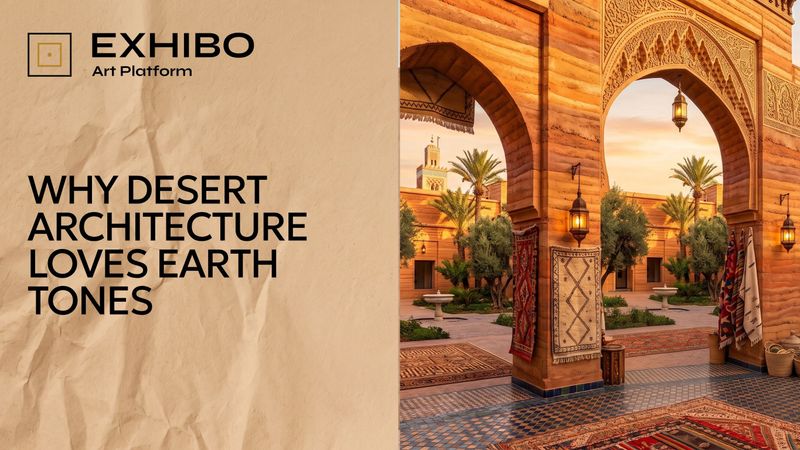
Rammed-earth wall in warm ochre and terracotta tones, its colour running through the full thickness of the material rather than painted on the surface
Editorial

Why Desert Architecture Loves Earth Tones

In the deserts of North Africa and Arabia, ochre and terracotta were never a palette choice — they were what the wall was made of.

In most cities, colour is something you apply. In the old desert towns it was something you excavated — the red of Marrakech, the brown of Shibam and the gold of Diriyah all pulled straight from the ground underfoot. From iron-oxide chemistry to Hassan Fathy to the rammed-earth revival in Saudi Arabia, this is the story of a colour that outlived the place it came from.