Marrakech

Palmeraie

0 galleries · 3 museums · 0 places

About this district

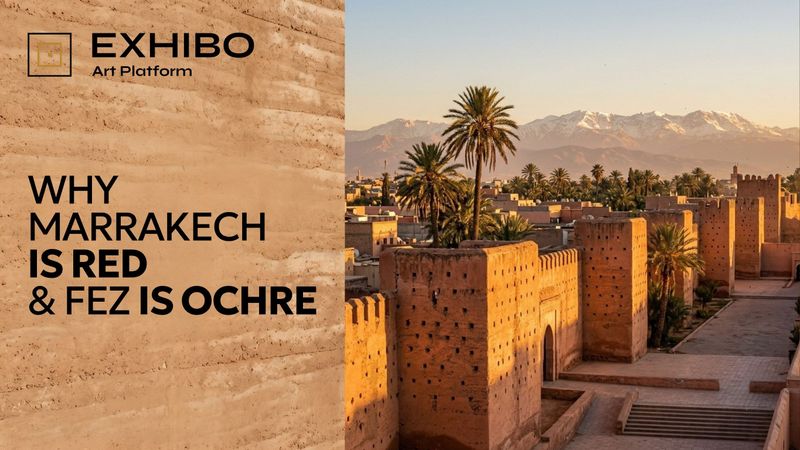
The Palmeraie is the palm grove north-east of Marrakech — a historic oasis of tens of thousands of date palms, now threaded with resorts, villas and gardens, reached along the road toward Fez. It reads as green and spacious, a resort belt half an hour from Jemaa el-Fna. For art, its weight sits just up the same road: Fondation Montresso, an artist residency and exhibition space set in an olive estate, which pulls the district onto the contemporary map. This is the leafy, low-slung, out-of-town Marrakech. The scale is horizontal. The pace slows the moment you arrive.

Galleries

No published galleries in this district yet.

Museums

Places

No published places in this district yet.

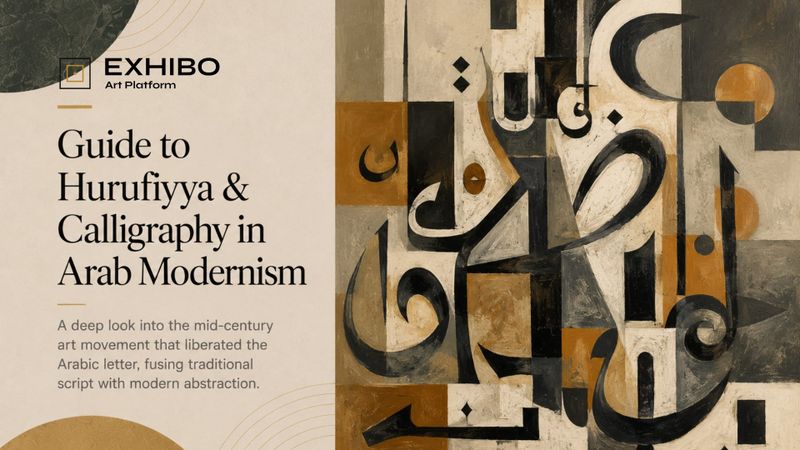
Editorial artwork inspired by Arab Modernism, featuring a stylised figure, Arabic calligraphy and abstract geometric elements symbolising the rediscovery of overlooked artists and cultural histories.
Editorial

Arab Modernism 101: The Movement That Western Art History Forgot

An entire century of extraordinary painting, sculpture and radical thinking got written out of the global canon. Someone made that decision. And now the market — and the collectors who pay attention — are making a different one.

Great art does not become invisible by accident. Arab Modernism reveals how museums, markets and cultural institutions shape what the world sees — and what it overlooks. A story about artists, recognition and the blind spots that define art history.

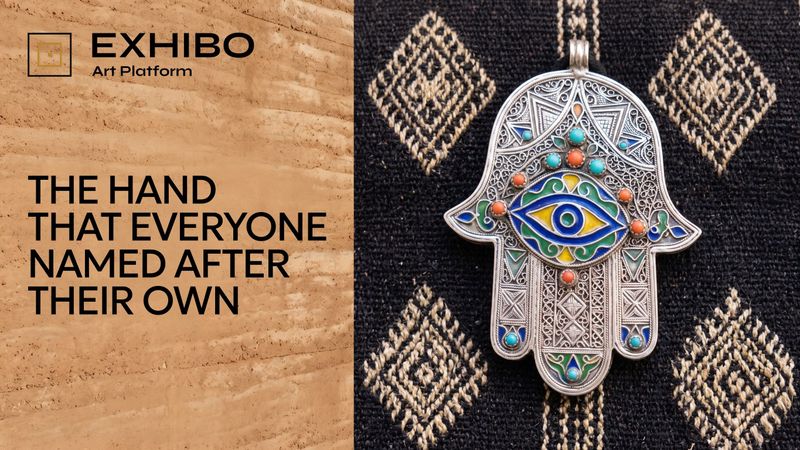
A geometric khamsa — an open five-fingered hand with an eye at its centre — in the Kabyle silver style of North Africa.
Editorial

The Hand That Everyone Named After Their Own

The Khamsa across North Africa — Marrakech, Tunis, Algiers — and why the oldest thing about it is the shape, not the story.

Everyone calls it something different — the Hand of Fatima, the Hand of Miriam, the Hand of Mary. One five-fingered shape, several holy names, each written onto it by a community that made it its own. From a carved hand over the Alhambra's gate to Kabyle silver, synagogue lamps and a boy on a Marseille motorway, this is the story of a symbol older than the names it carries — and shared by more people than any one of them.

The cobalt-blue studio wall of the Jardin Majorelle in Marrakech, set against green foliage and terracotta pots in bright sun.
Editorial

Majorelle Blue: How a Painter (Almost) Trademarked a Colour

How a French painter lent his surname to a blue that Morocco had been dyeing, firing and painting for centuries — and what that tells us about who gets to own a colour.

Everyone repeats the same tidy line: a painter fell in love with Marrakech, invented an electric blue, and trademarked it. Almost every clause is a simplification. The colour was already deep in Morocco's visual language — in indigo, in the cobalt of Fez, in the blue of zellige — long before Jacques Majorelle poured it over a single studio wall. What he actually did was rarer and stranger: not invent a colour, but compose a place, and attach a name to a hue no one can truly own.