Jeddah

Al Muhammadiyah

1 gallery · 0 museums · 0 places

About this district

Al Muhammadiyah is a northern coastal neighbourhood mixing apartments, embassies, and ground-floor galleries near the Corniche.

Galleries

Museums

No published museums in this district yet.

Places

No published places in this district yet.

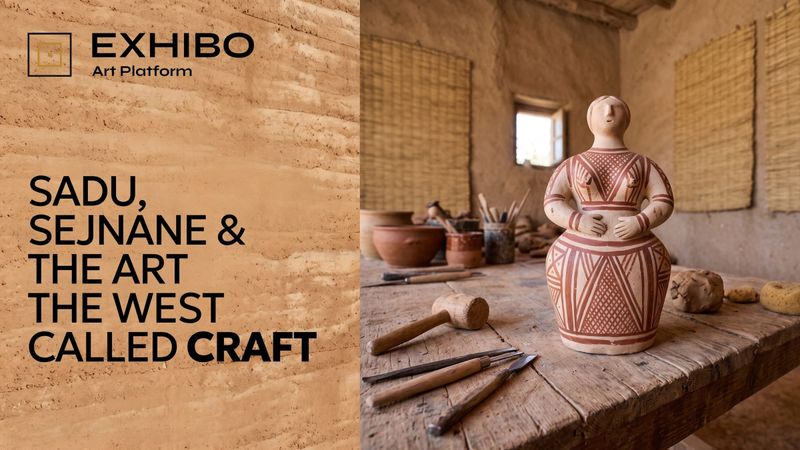
A hand-built terracotta figure painted with two-tone geometric patterns — triangles and crosshatch in red-brown on a pale ground — in the Sejnane style of northern Tunisia.
Editorial

Women Makers: Sadu, Sejnane and the Art the West Called Craft

How the women of Sejnane and the Sadu tents made a world of geometric art the museum system had no shelf for — and how it is finally being called by its name.

Two women's traditions — the clay of Sejnane in Tunisia, the woven tents of the Arabian Peninsula — share no bloodline, only a rhyme: the same spare geometry, held and passed down by women, in whatever material their world gave them. This is the story of the visual knowledge the West filed under "craft," the makers it kept downstairs, and the contemporary artists now carrying it back up into the room where "art" is defined.

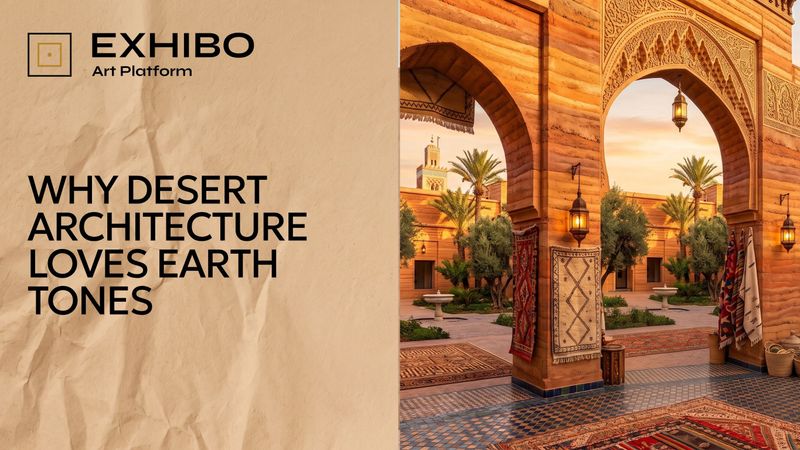
Rammed-earth wall in warm ochre and terracotta tones, its colour running through the full thickness of the material rather than painted on the surface
Editorial

Why Desert Architecture Loves Earth Tones

In the deserts of North Africa and Arabia, ochre and terracotta were never a palette choice — they were what the wall was made of.

In most cities, colour is something you apply. In the old desert towns it was something you excavated — the red of Marrakech, the brown of Shibam and the gold of Diriyah all pulled straight from the ground underfoot. From iron-oxide chemistry to Hassan Fathy to the rammed-earth revival in Saudi Arabia, this is the story of a colour that outlived the place it came from.