Istanbul

Nişantaşı, Teşvikiye & Şişli

9 galleries · 0 museums · 0 places

About this district

Nişantaşı is where Istanbul dresses up. The uptown grid — Abdi İpekçi, Teşvikiye, Vali Konağı — is the city's luxury-retail heart, international fashion houses and pastry shops and doctors' practices in handsome nineteenth-century apartment blocks, and the art here has always worn the same tailoring. Boutique-scaled galleries tuck into the side streets and upper floors around Teşvikiye and Şakayık, serving collectors who live within walking distance. The obelisk that gave the district its name — Nişantaşı, "the marker stone" — still stands at the crossroads. This is the polished, moneyed register of the city's art scene, and it reads as such.

Galleries

Museums

No published museums in this district yet.

Places

No published places in this district yet.

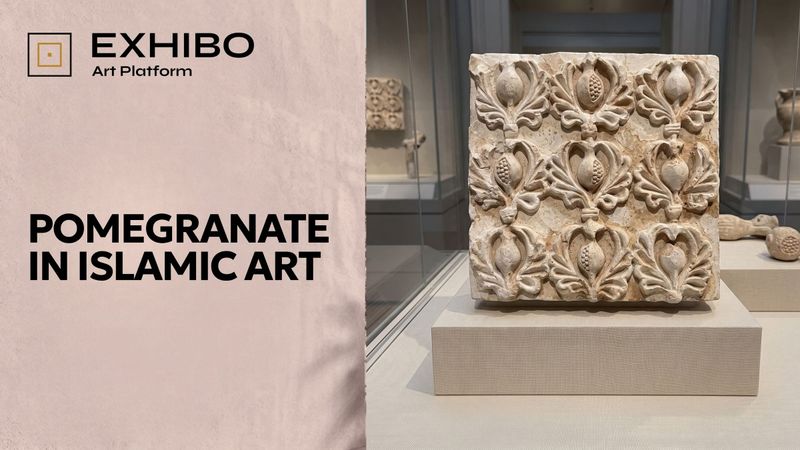
Sixth-century Sasanian moulded stucco panel showing a repeating pomegranate-in-palmette design, excavated near Ctesiphon, in the Metropolitan Museum of Art.
Editorial

The Fruit We Are Sure We Recognize

How the pomegranate became one of the most confidently named motifs in Islamic ornament — and one of the least confidently identified — across a thousand years of tile, silk and stucco, with meanings we mostly attached later.

A slab of sixth-century plaster in the Met shows a fruit you recognise at a glance: a pomegranate, and surely it means paradise. Hold that certainty up to the light and it dissolves. Across a thousand years of tile, silk and stucco, the pomegranate is the shape we name most confidently and identify least — blurring into the artichoke and the palmette, its meanings attached by later viewers, its very name partly a nineteenth-century invention

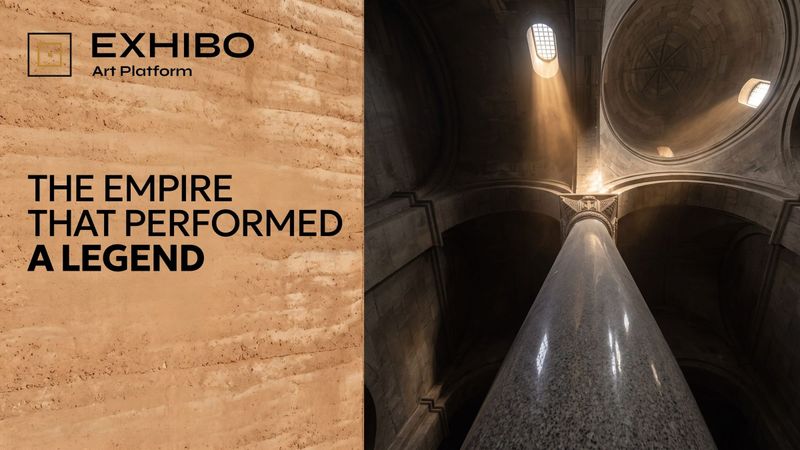
A massive granite column shaft under a stone arch, seen from below, with the dome springing above it.
Editorial

Seventy Thousand Solomons: The Empire That Performed a Legend

A demon catalogue in the conqueror's library, a sixteenth-century text where kingship is an office held seventy thousand times, and the columns a sultan dragged across three provinces to prove he held it.

Mehmed II kept a Greek catalogue of demons in his library at Topkapı. Seventy years later a sultan named for a prophet was rebuilding the walls of Jerusalem and hauling Roman columns out of Egypt and the Lebanon into a mosque above the Golden Horn. In between, Ottoman writers turned Solomon from a warning into a job — and the empire applied for it in stone.