Baghdad

Mansour

2 galleries · 0 museums · 0 places

About this district

An affluent, planned district of west Baghdad, developed from the 1950s as a model of the modern city — clubs, markets, shopping streets and cultural venues laid out on a generous scale. Mansour is where a certain Baghdadi middle-class cultural life concentrates, from the book fair to the commercial and social clubs, along arteries like 14th Ramadan Street and Princesses Street. The register here is contemporary-urban rather than heritage.

Galleries

Museums

No published museums in this district yet.

Places

No published places in this district yet.

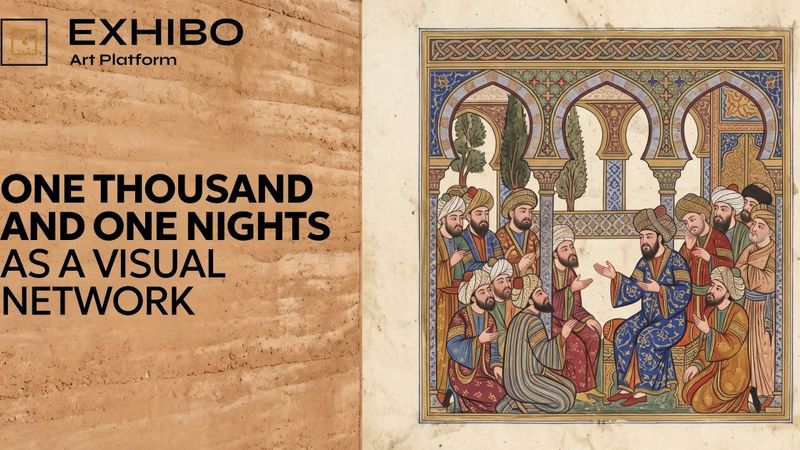
An illustrated miniature in the style of the medieval Baghdad school: robed figures gathered under arches, painted in flat jewel colours with gold outlining.
Editorial

One Thousand and One Nights as a Visual Network

The book that taught Europe to picture the East arrived with no pictures at all. Three centuries of illustrators — Dutch, Egyptian, Persian, French, German, Iraqi — each gave it a face, and every face was a self-portrait.

Open Galland's Thousand and One Nights, the edition that conquered Europe, and there is nothing to look at: no genie, no lamp, not one illustration. The most visually imagined book in the world began blind — and because its text was never fixed either, no picture of it could ever be a copy.

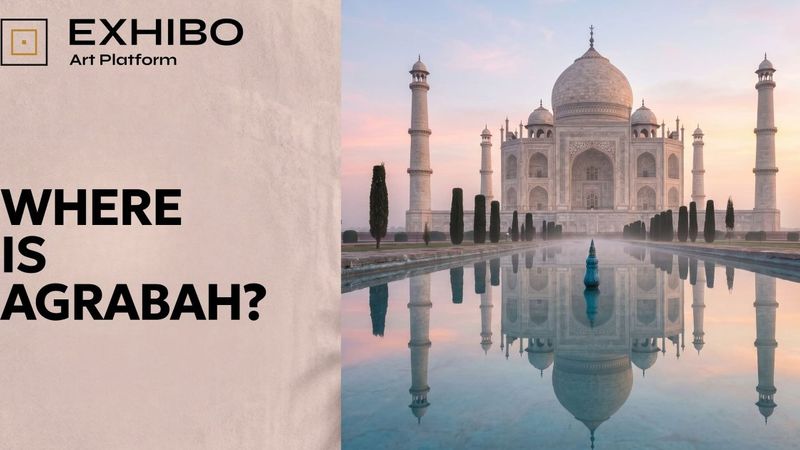
The white marble dome and framing minarets of the Taj Mahal in Agra, mirrored in the still water of its reflecting pool at dawn.
Editorial

Where Is Agrabah? The City Disney Assembled From Real Places

Agrabah was going to be Baghdad. A war made it fictional — and then Disney built it back out of real places, from a tomb in Agra to a valley in Jordan that usually plays Mars.

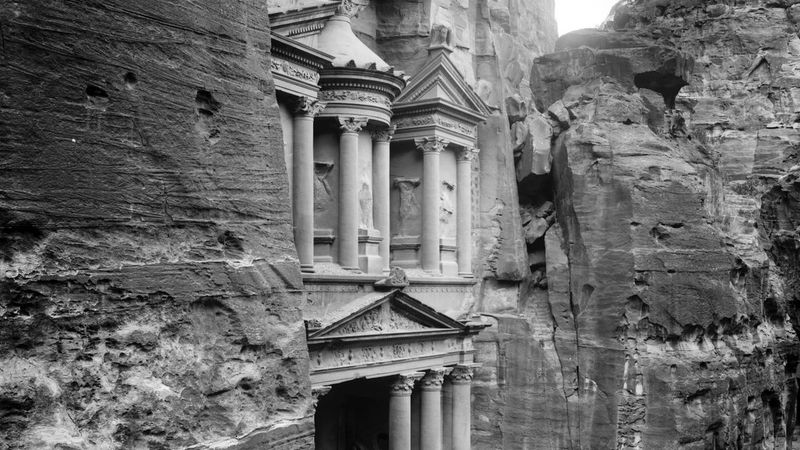
The Sultan's palace where Princess Jasmine feels trapped has the silhouette of the Taj Mahal — which is not a palace at all, but a tomb. That is how Agrabah works. Disney's fairy-tale city was going to be Baghdad, until the Gulf War made the name impossible; the studio invented a place that could not be found on a map, then quietly rebuilt it out of real ones — Isfahan and Agra, Marrakesh and Mandalay, a Jordanian desert that has played both Arabia and Mars.

A deep cobalt-blue Ilkhanid ceramic bowl decorated with white, red, and cut gold-leaf ornament, its glaze imitating the color of lapis lazuli.
Editorial

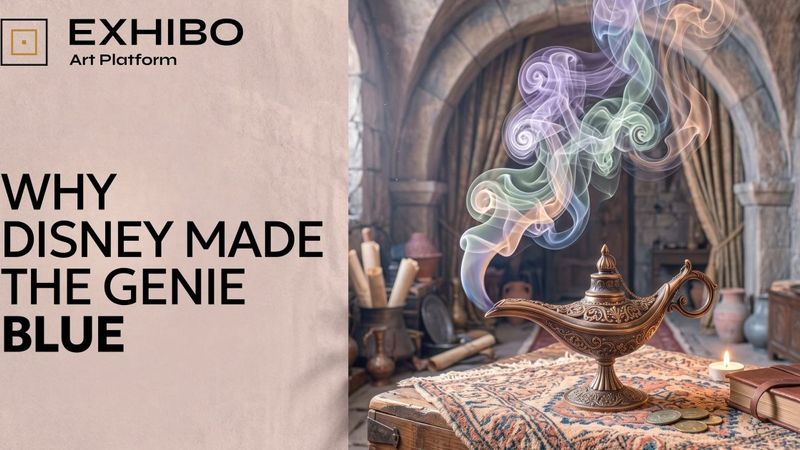
Why Disney Made the Genie Blue

The long material and colonial history behind the most recognizable blue body in popular culture.

Almost everyone remembers that Disney's genie is blue. Fewer ask why. The answer runs backward through five thousand years — Egyptian blue standing in for lapis, cobalt on a Mongol palace, the eye that guards against envy, the last color most languages learned to name, and a layout artist photographing Isfahan just before a war — to a color that was rarely, in this part of the world, quite what it claimed to be.