Abu Dhabi

Mina Zayed

2 galleries · 0 museums · 1 place

About this district

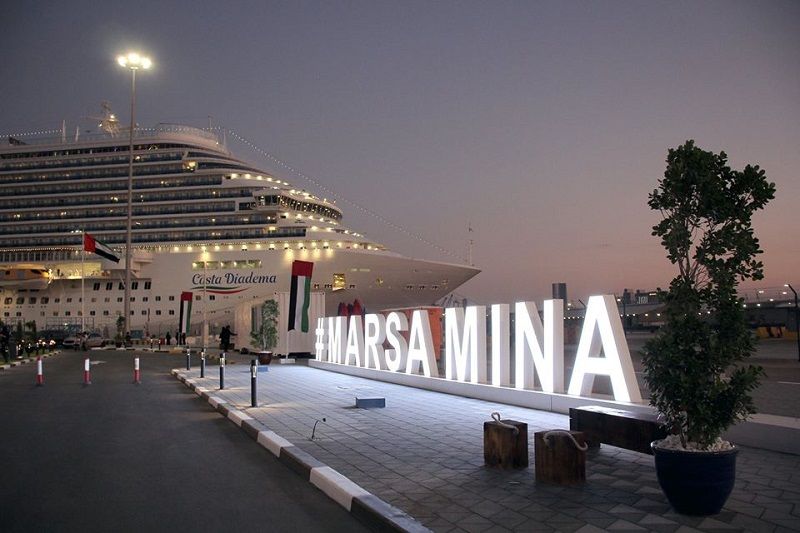
Abu Dhabi's port district on the northeastern tip of the island, where two industrial warehouses became 421 Arts Campus — a platform built around emerging artists, with galleries, studios, a library and a courtyard that fills up on opening nights. Around it: the fish market, the date market, the Iranian souq and the working harbour. Low-slung, unpolished, and busy in the early morning.

Galleries

Museums

No published museums in this district yet.

Human in the Loop: A New Sound-and-String Exhibition Opens in Abu Dhabi

Human in the Loop: A New Sound-and-String Exhibition Opens in Abu Dhabi

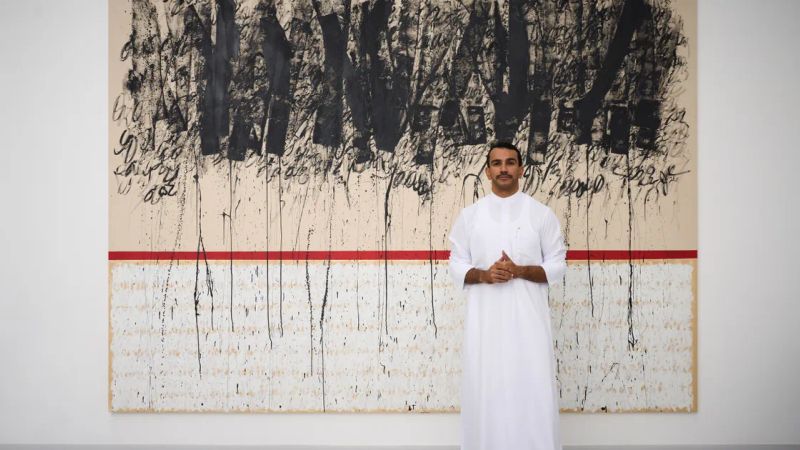
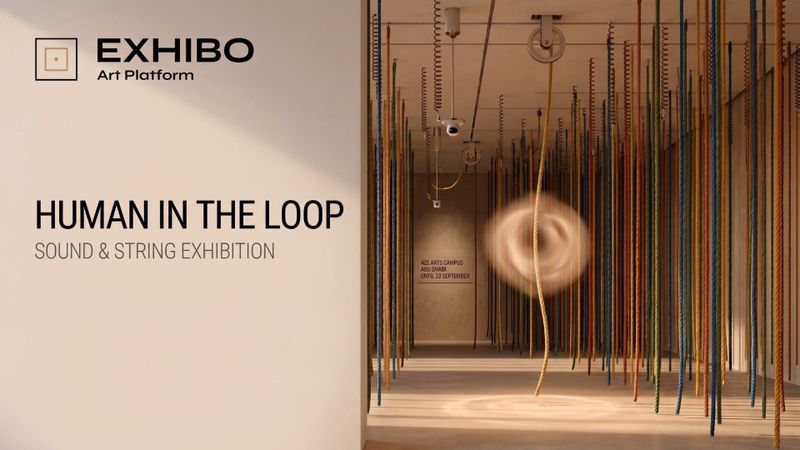
At 421 Arts Campus, Emirati robotics engineer Dr Ahmad AlAttar turns the gallery into a field of sound and strings you have to play — his first institutional solo show, on until 13 September.

A field of coloured ropes hangs from the ceiling at 421 Arts Campus, each one wired to respond to touch with sound. Human in the Loop, the first institutional solo show by Emirati robotics engineer and artist Dr Ahmad AlAttar, turns the gallery into a game of hide-and-seek with an unseen algorithm — on until 13 September.
UAE Galleries Keep Summer Alive With a Packed Exhibition Season
Editorial

UAE Galleries Keep Summer Alive With a Packed Exhibition Season

Galleries across Abu Dhabi, Dubai and Sharjah are keeping their doors open through the summer months — with seven exhibitions running well into September.

From Abu Dhabi's Cultural Foundation to Sharjah's arts district, galleries and cultural institutions across the UAE have mapped out an ambitious summer programme that runs well into September — defying the region's traditionally quieter months.

A host pours Arabic coffee from a dallah into a small handle-less finjan cup in a majlis
Editorial

The Coffee Ritual That Ran the Desert

A cup of coffee in the desert was a contract, a test, a truce, and a promise of protection — a whole social order in the tilt of a small white cup.

Among the Bedouin of Arabia, serving coffee was never just hospitality — it was a code. The order of the cups, the amount poured, the shake of the wrist that says enough: a whole unwritten language for turning a dangerous stranger into a guest, and sometimes an ally. The story of Arabic coffee as the social law of the desert — and how it lives on in the region's museums and art.

Aerial view of central Abu Dhabi showing its wide arterial roads and rectangular superblocks, towers lining the perimeters with lower buildings
Editorial

Why Abu Dhabi Has So Much Empty Space

The wide roads and open blocks of the capital look like the luxury of a place with land to spare. They are closer to the opposite — a set of deliberate decisions about planning, land and time, made on an island that was never as limitless as it feels.

The easy explanation is desert plus oil money: room to spread and the means to spread into it. But space is not what a city has — it is what a city decides to do with what it has. Abu Dhabi's emptiness turns out to be almost entirely decided: a modernist grid, a founder who wanted straight roads so the capital could be reached quickly, a land system with no yearly tax and no deadline, a vast greening programme. The room was the plan.