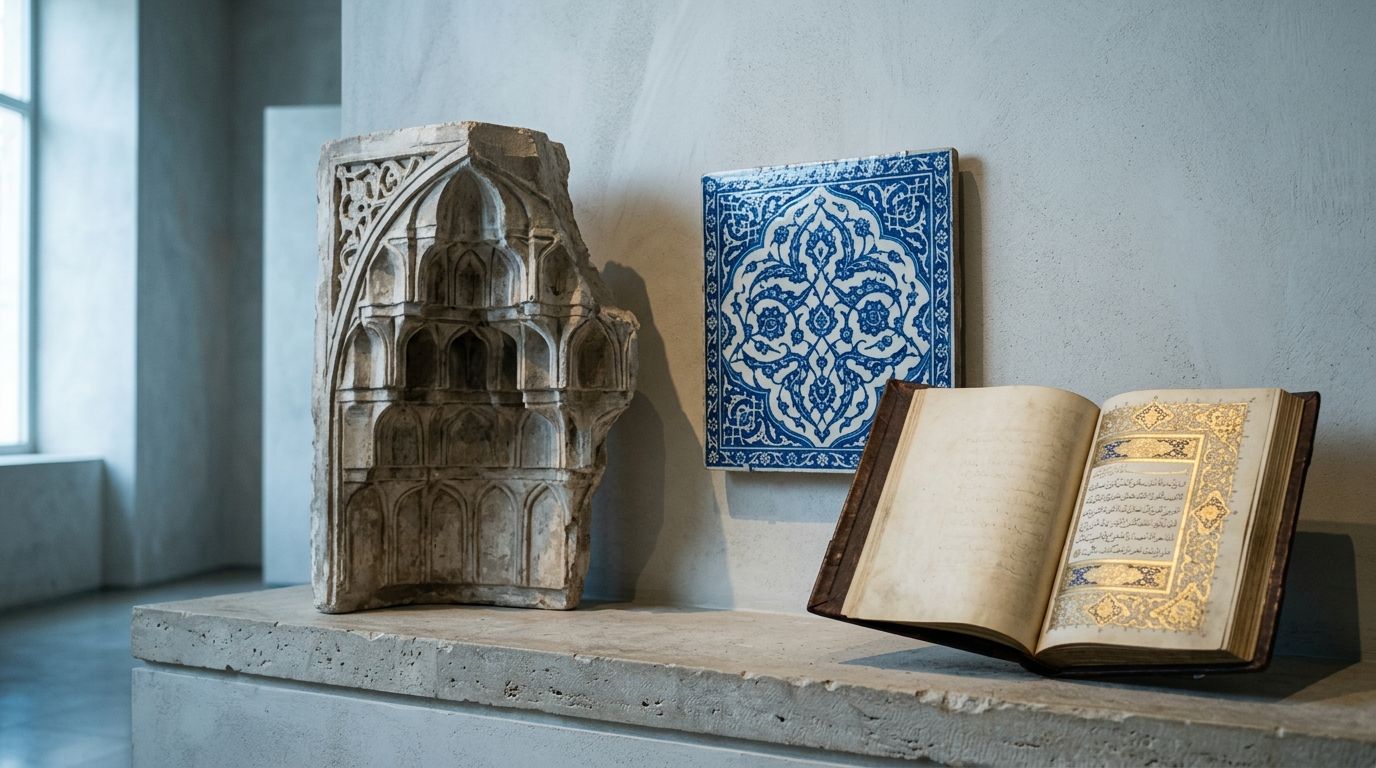
Islamic Art & Architecture
A vaulted ceiling built from thousands of small niches, a manuscript page with a court painted at the size of a thumbnail, a dome that resolves a square into a circle. Fourteen centuries of art across three continents, held together by a set of shared problems. The forms, and why they took those forms.
Shared problems, many regions
Islamic art is not one style and not only mosque architecture. From the seventh century onward, workshops across North Africa, the Middle East, Central Asia, South Asia and Southeast Asia answered related questions: how to honour scripture without turning a wall into an idol; how to turn geometry and vegetal pattern into court prestige; how to bind a book so that calligraphy and miniature painting carry equal weight. This series treats those problems as historical facts, not as a single decorative label.
What belongs here
The hub essay maps the field: periods, regions, arabesque and geometric pattern as workshop habits, and where figurative imagery appears despite common stereotypes. Sibling guides go deep on muqarnas vaulting, aniconism as a contested scholarly subject, Ottoman court workshops, Islamic architecture as a building tradition, Mughal and Persian miniature painting, manuscripts and the art of the book, and decorative arts in ceramics, metalwork, glass and textiles.
Contemporary Arab art, Hurufiyya, calligraphy-as-now and Gulf cultural districts belong to editorial essays and the MENA movements series. Western Orientalism as a genre belongs to World Art Traditions. Christian iconography in the West has its own guide in the genres series.
Fences readers should expect
No contemporary scene round-ups. No fair calendars or collecting pitches. Aniconism is cited through scholarship; the text does not flatten a long debate into a slogan. Architecture guides stay with buildings and urban form, not tourism districts. Indian art broadly stays with the Indian traditions essay; miniature painting depth lives here.
How to use these guides
Read with a named object or building in front of you. Tables compare regions, media or workshop types. Internal links point to this hub, to sibling guides in the series, and to Exhibo's museums directory when a collection holds a work named in the text. British spelling in the body.
The tone is scholarly without jargon padding. Named works beat invented panoramas. When dating, attribution or religious interpretation is contested, the text says so.
Articles in this series
- GuideIslamic Art
What Is Islamic Art?
From Umayyad Damascus to Safavid Isfahan: a museum map of calligraphy, tile, carpet and metalwork with named works you can still visit
Islamic art is the visual culture of Muslim-ruled lands from the seventh century onward, not one decorative style. This hub walks patronage, media and workshop habits from early caliphates through Ottoman and Safavid courts, with dated objects in New York, London and Doha, then points muqarnas, aniconism and living Arab art to their own pages on the site.
- GuideIslamic Art
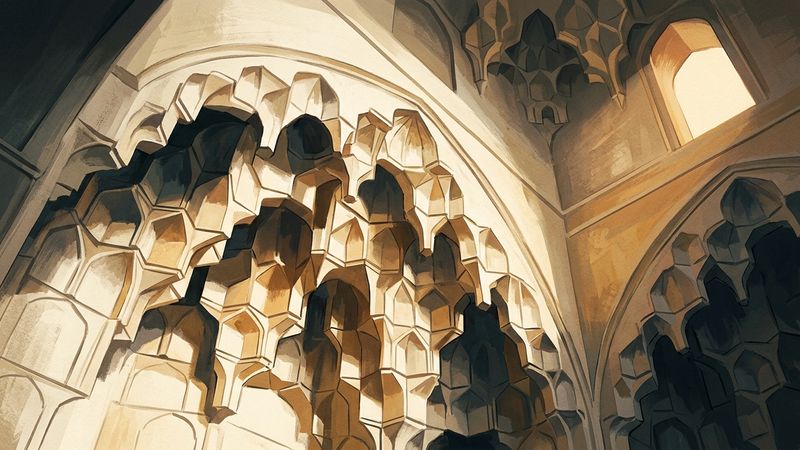
The Muqarnas, Explained
Stalactite vaulting from Nishapur stucco to Alhambra domes: geometry, construction, regional variants and four buildings you can still visit
Muqarnas is tiered niche vaulting that turns square rooms into round domes. This guide stays with the architectural form: cell geometry, workshop assembly, patronage and close readings from the Met, Córdoba, the Alhambra and Safavid Isfahan, with links to the wider Islamic art series.
- GuideIslamic Art
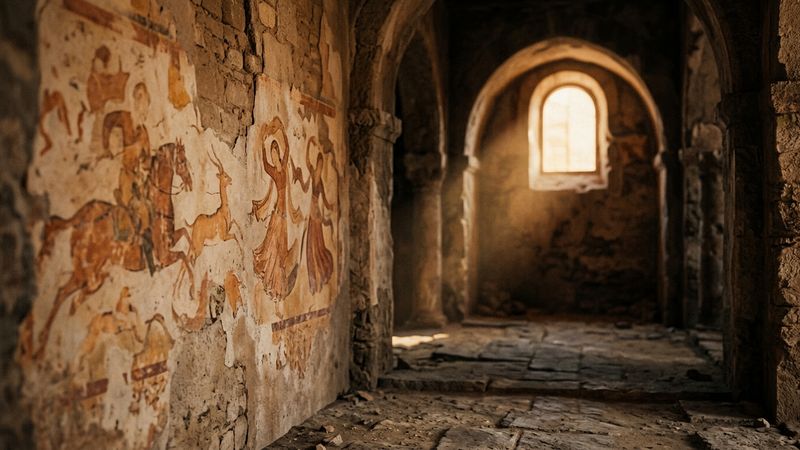
Aniconism: Why Figurative Imagery Is Rare in Islamic Art
Quranic silence, prophetic hadith, legal schools and court workshops: where figural art was avoided, tolerated, or painted at scale.
Aniconism names the avoidance of figural images in much Islamic religious art, but the history is not a single ban. This guide traces scripture, law, regional practice and museum examples from Umayyad palace painting to Persian manuscripts, without flattening a long scholarly debate into a slogan.
- GuideIslamic Art
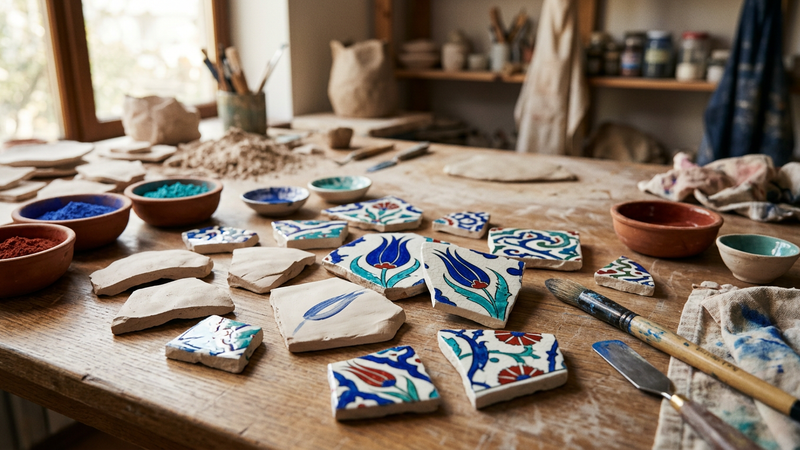
Ottoman Art and the Court Workshop
Court workshops, Iznik tiles, metalwork, textiles and imperial architecture from Bursa to Topkapı, with named museum works
Ottoman art names the luxury objects, tiles, metalwork, textiles and architectural programmes made under sultans from the fourteenth century to the early twentieth. The Ehl-i Hiref court corps and the nakkashane design office coordinated makers in Istanbul, Iznik and Bursa. This survey stays with workshop organisation and decorative media; miniature painting and manuscripts sit in sibling guides.
- GuideIslamic Art
Islamic Architecture, Explained
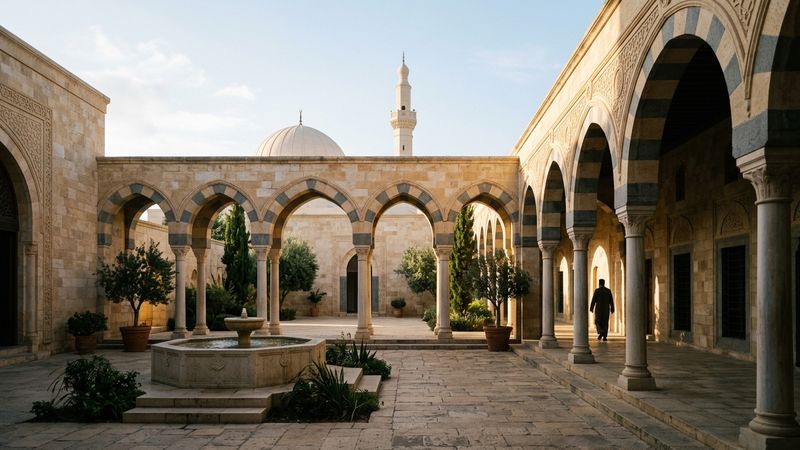
Mosque types, domes, minarets and courtyard plans from Umayyad Jerusalem to Ottoman Istanbul, with five regional schools read through buildings you can visit
Islamic architecture is the building tradition of Muslim-ruled lands from the seventh century onward: hypostyle mosques, courtyard sahn, minaret towers and dome engineering shaped by prayer law, climate and regional craft. This guide maps Umayyad, Mamluk, Safavid, Mughal and Ottoman schools through named monuments, with muqarnas vaulting and decorative arts deferred to sibling pages in the series.
- GuideIslamic Art
Mughal and Persian Miniature Painting
Safavid kitabkhana practice, Mughal imperial albums and four named folios in New York and London collections you can still study
Persian miniature painting is court book illustration in Iran and Mughal India: opaque colour on sized paper from royal kitabkhanas. The essay maps materials, patronage and masters from Timurid Herat to Safavid Isfahan and Akbar's Delhi, with four museum folios close-read and links to Indian art survey pages on the site.
- GuideIslamic Art
Islamic Manuscripts and the Art of the Book
Calligraphy, illumination, paper and court workshops from Hijazi parchment to Mamluk gold Qur'ans, with museum folios you can study
Islamic manuscripts are handwritten books from Muslim-ruled lands: Qur'ans, chronicles and poetry on parchment or paper, with gold illumination and leather bindings. This survey covers workshop craft and points miniature painting, Western illumination and living calligraphy to sibling pages on the site.
- GuideIslamic Art
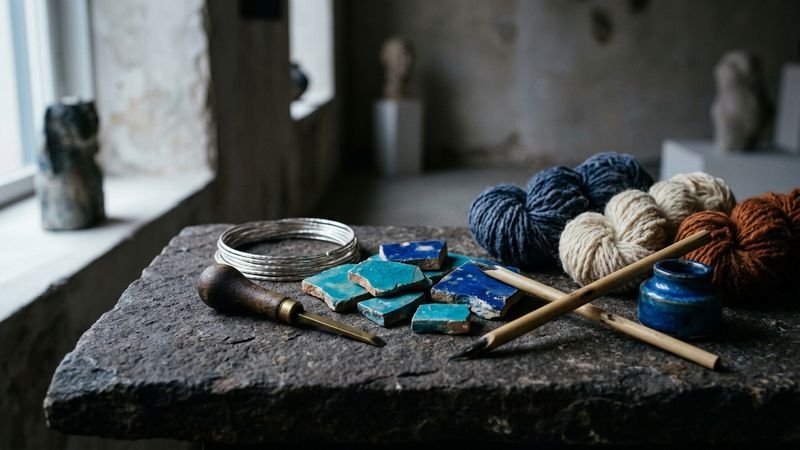
Islamic Decorative Arts: Ceramics, Metalwork, Glass and Textiles
From Kashan luster bowls to Mamluk mosque lamps and Safavid silks: a museum survey of four luxury media with named works in London, New York and Doha
Islamic decorative arts are the portable luxury crafts of Muslim-ruled lands: pottery and tile, inlaid brass, enamelled glass, woven silk and knotted carpet. This survey follows workshop conditions, techniques and trade from Abbasid Iraq to Ottoman Istanbul, with four close readings and a media comparison table, while Iznik depth, arabesque theory and building programmes sit in sibling articles on the series hub.