Audience
Price on request
Presented by
Konrad Fischer GalerieTags
About the work
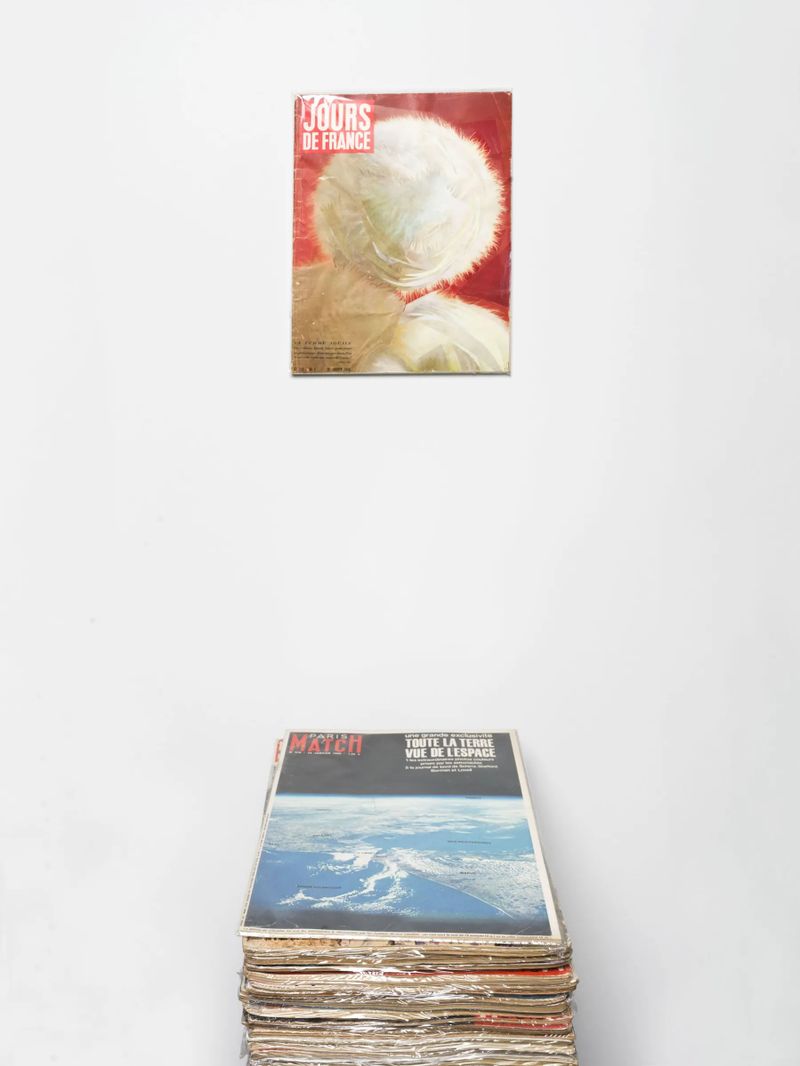
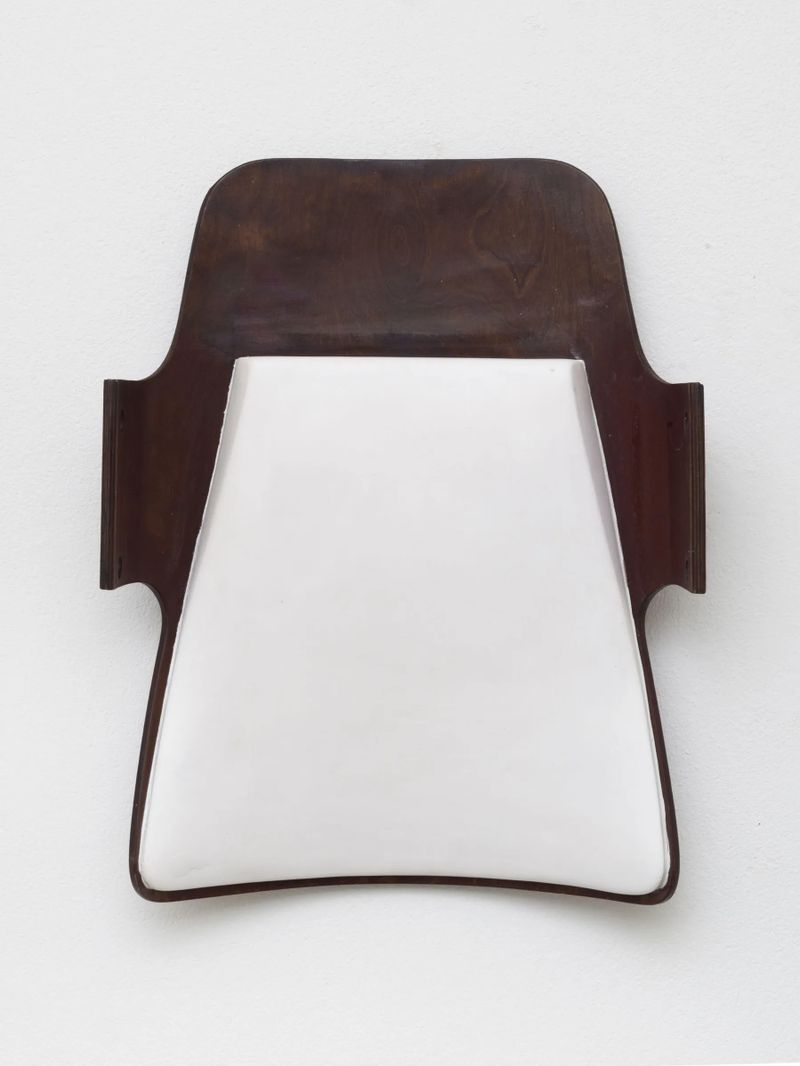
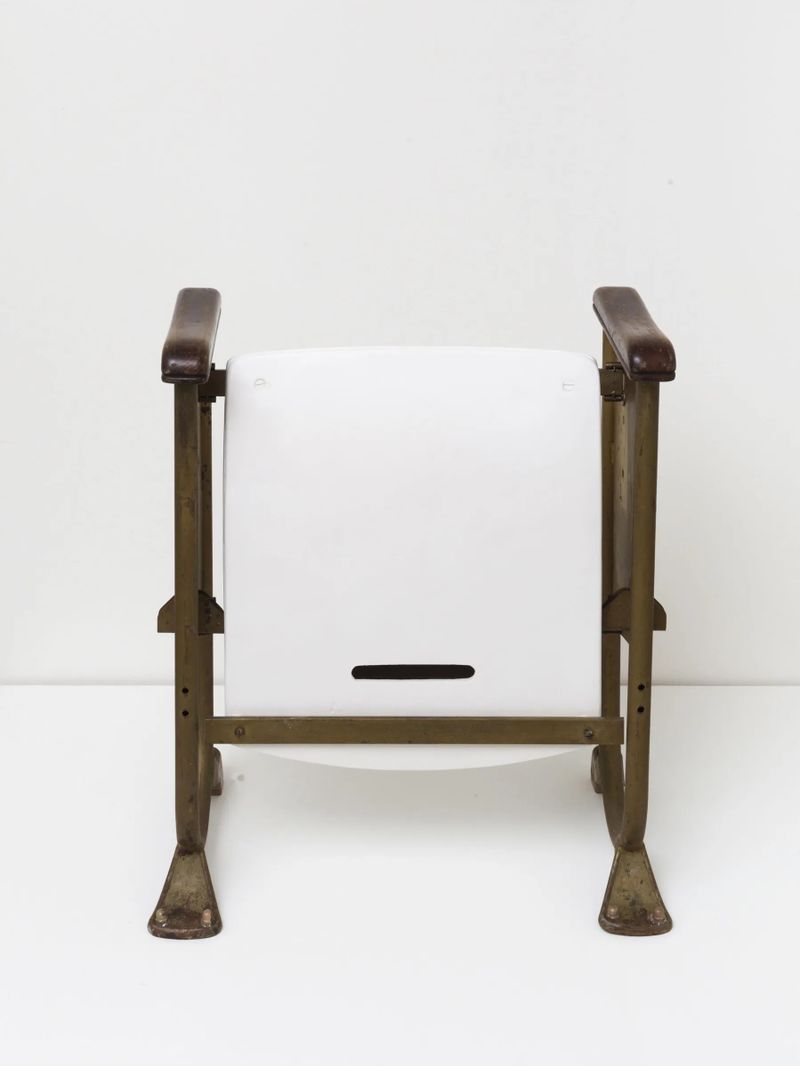
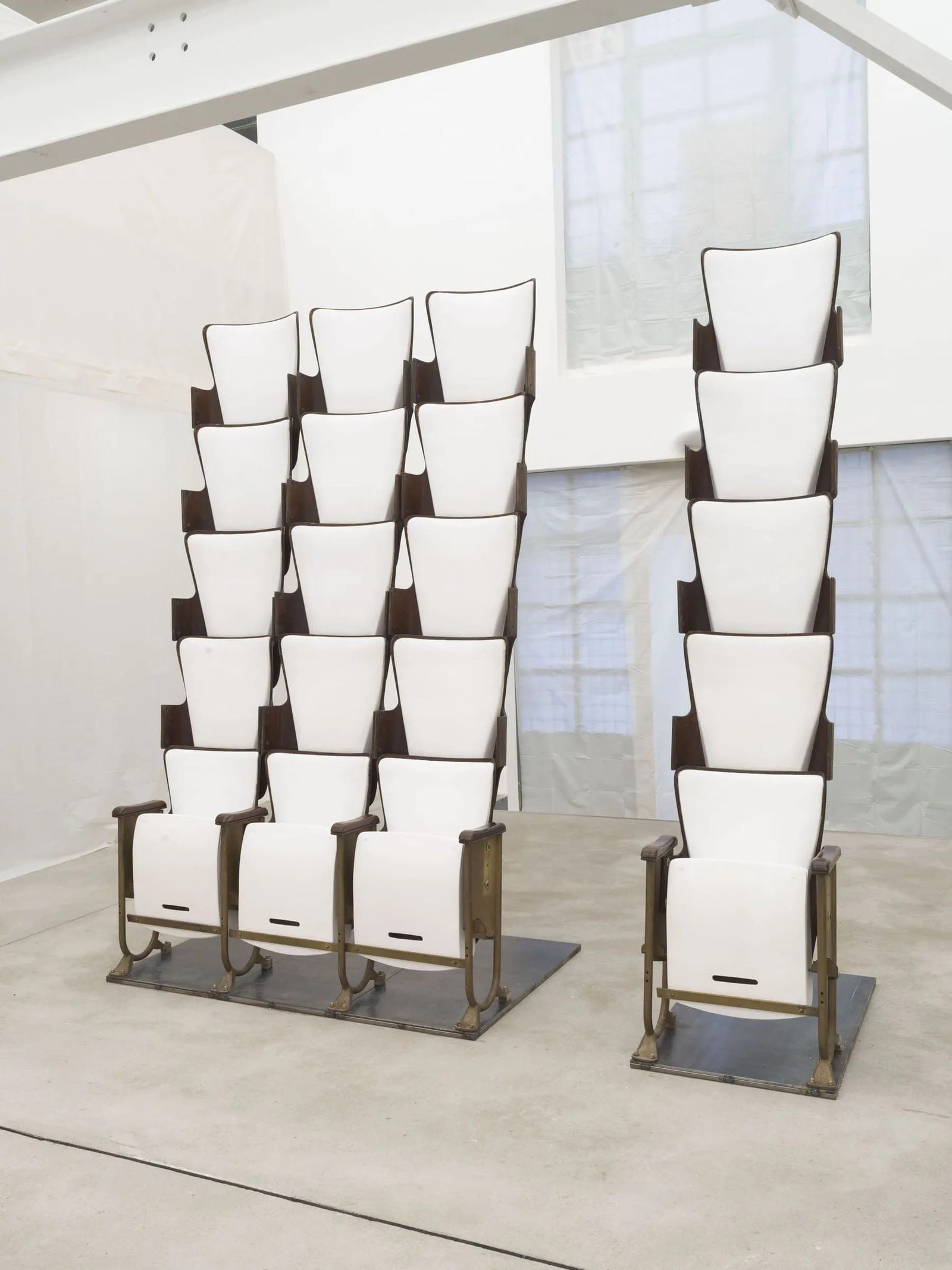
A monolithic wall built from reclaimed cinema seats stacked one upon another. Each seat has been stripped of its original upholstery and recast in plaster and acrylic, turning the furniture of collective spectatorship into a silent, sculptural crowd. Standing at the centre of Margiela's Berlin exhibition, the work plays on presence and absence – the bodies that once filled these seats are evoked only by their imprint.
News by Exhibo
Editorial coverage on Exhibo
Orientalism in Western Art
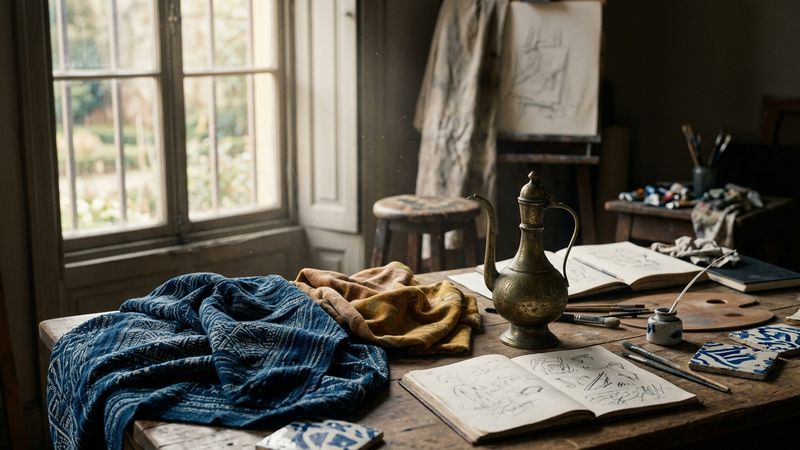
How nineteenth-century European painters built an “Orient” of harems, mosques and deserts, and how Said and museums rewrite that gaze
Orientalism in Western art names European pictures of North Africa and the Middle East shaped by empire, travel and studio fantasy. This guide traces Ingres, Delacroix, Gérôme and Matisse through dated museum works, then follows Said, Nochlin, and museum debates on display, provenance and restitution.
AlUla on Film: When Heritage Becomes a Film Set
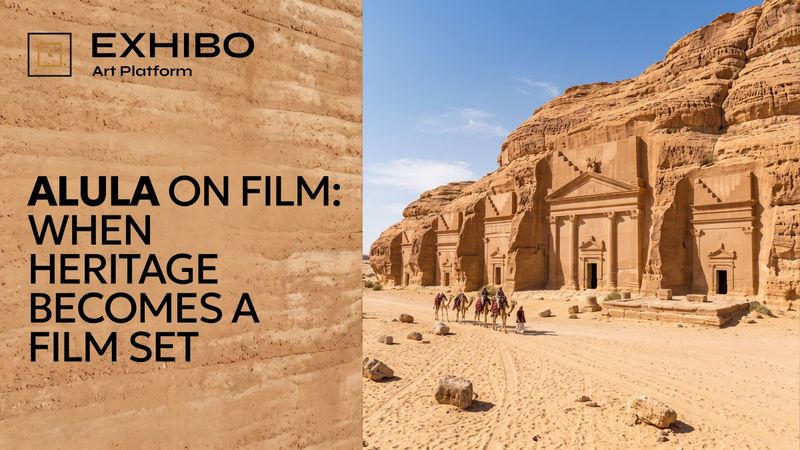
Hollywood came to AlUla to build Iraq and Afghanistan. Saudi Arabia is using the same landscape to build AlUla itself — destination, museum, cultural stage — and the old stone is being asked to say something new.
Hollywood built Iraq and Afghanistan in AlUla; Saudi Arabia is building AlUla into itself. On carved kings, a warning old as scripture, a mirror the size of a building, and who gets to author a place.
History Painting, Explained
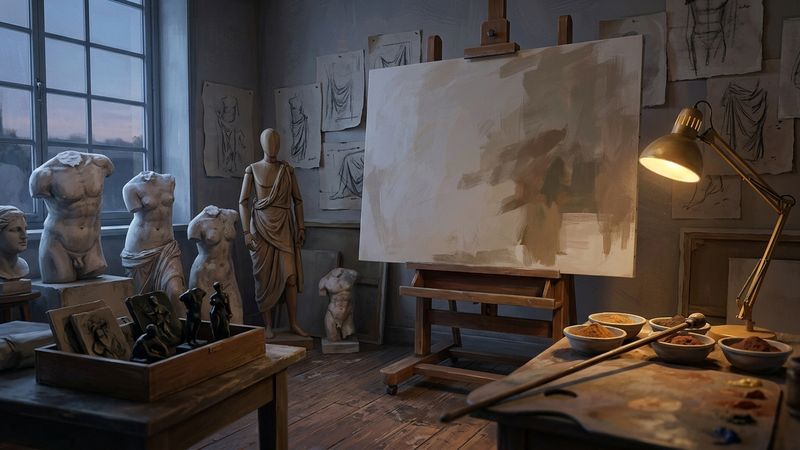
Istoria at the academy’s summit: Bible, myth and recent events as large pictures meant to instruct through human action.
History painting is the academic genre of serious narrative: Bible, myth, literature and public events staged as moral action, not a documentary of dates. This guide defines istoria, maps Félibien’s hierarchy, walks through studio method, reads six named canvases from Raphael to Géricault, and shows how later painters still use the form.
Portraiture: A History
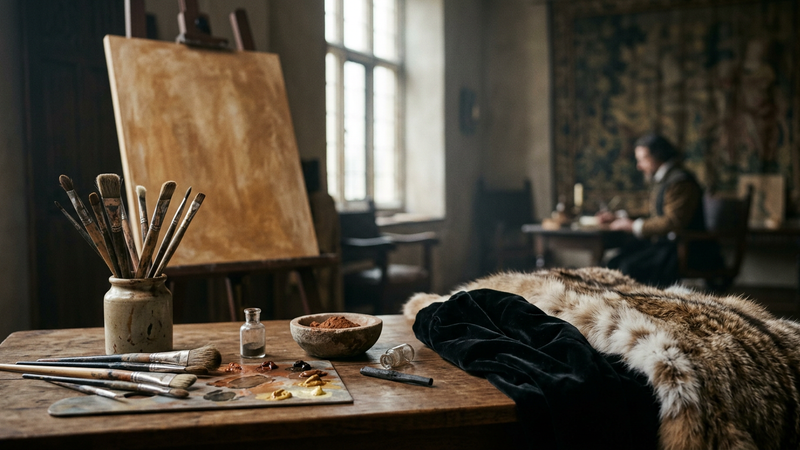
Court, civic, donor and group likeness from Roman Egypt to oil’s golden centuries, and how painters answered the camera
Portraiture is the craft of making a specific person recognisable and useful to the living: as ancestor, donor, ruler, spouse or citizen. This guide follows those paid jobs through panel, fresco and oil, then the decades when photography cheapened the face without ending the painted court and civic commission.
The Universal Museum, Rebuilt on Arab Soil
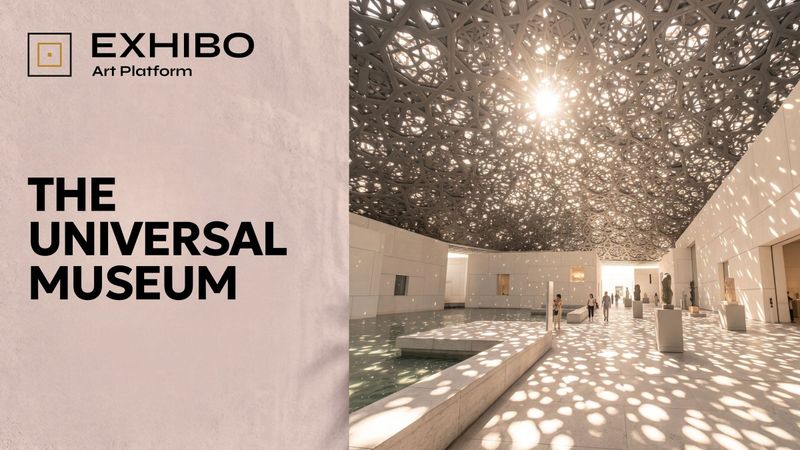
How Abu Dhabi took one of the West's most contested ideas — the museum that claims to hold all of humanity — and moved the question of who gets to frame the world
A portolan chart in the floor, three ewers without a hierarchy, and a $450-million Leonardo no one has seen since it was bought. The Louvre Abu Dhabi is a French–Emirati experiment in what the universal museum becomes when it is rebuilt from a different centre — and whether that moves the centre, or merely moves the Louvre, is the question the building leaves open.
The Salon and the Salon des Refusés
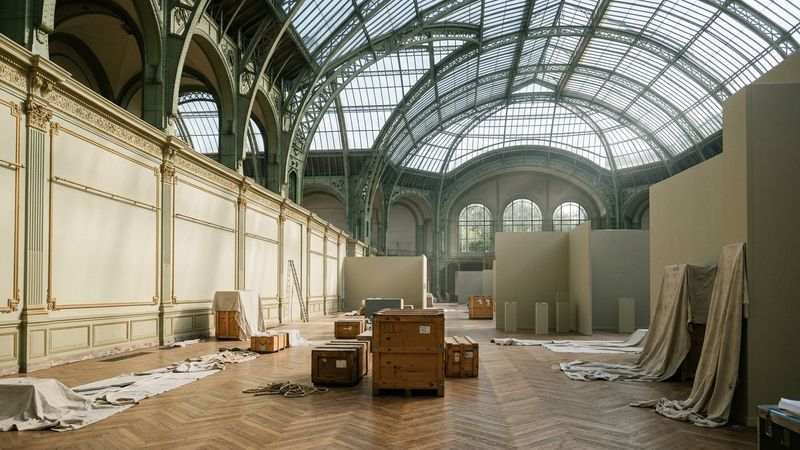
How Paris’s official exhibition ruled careers, and why Napoleon III’s 1863 annex of rejected pictures changed the stakes
In 1863 the Paris Salon jury turned away more than half the works submitted. Napoleon III ordered a public annex for the refused. Crowds laughed; Manet and Whistler became infamous overnight. This guide maps the Salon system, the Refusés stakes, key canvases, and the path toward independent exhibitions.