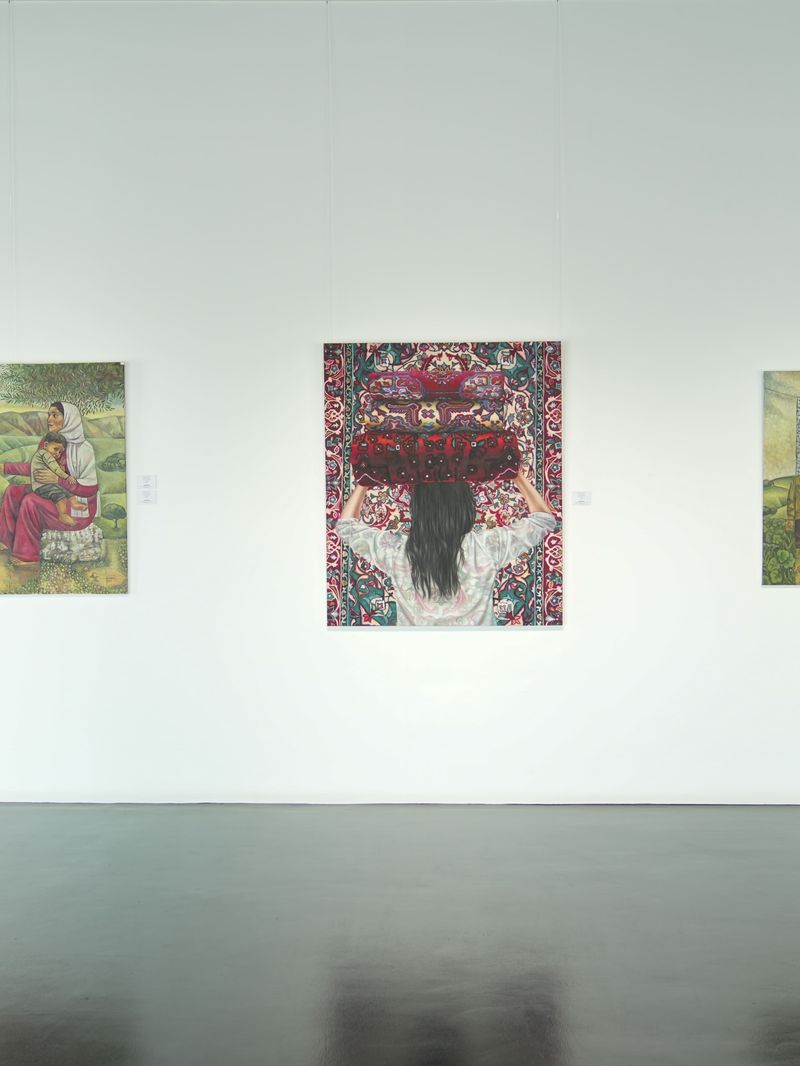
About the work
Mixed media on canvas
News by Exhibo
Editorial coverage on Exhibo

Ottoman Art and the Court Workshop
Court workshops, Iznik tiles, metalwork, textiles and imperial architecture from Bursa to Topkapı, with named museum works
Ottoman art names the luxury objects, tiles, metalwork, textiles and architectural programmes made under sultans from the fourteenth century to the early twentieth. The Ehl-i Hiref court corps and the nakkashane design office coordinated makers in Istanbul, Iznik and Bursa. This survey stays with workshop organisation and decorative media; miniature painting and manuscripts sit in sibling guides.

The Muqarnas, Explained
Stalactite vaulting from Nishapur stucco to Alhambra domes: geometry, construction, regional variants and four buildings you can still visit
Muqarnas is tiered niche vaulting that turns square rooms into round domes. This guide stays with the architectural form: cell geometry, workshop assembly, patronage and close readings from the Met, Córdoba, the Alhambra and Safavid Isfahan, with links to the wider Islamic art series.

What Is Fresco Painting?
Buon fresco, secco and a secco on lime plaster: chemistry, giornate, Giotto and Michelangelo, and what wall painting costs when pigment becomes stone
Fresco is mural painting in which water-based pigment meets wet lime plaster and fixes as the wall carbonates. This guide separates buon fresco from secco and a secco, walks the plaster layers and a giornata, then reads Pompeii, Giotto's Padua cycle and Michelangelo's Sistine vault with conservators' notes on failure and repair.
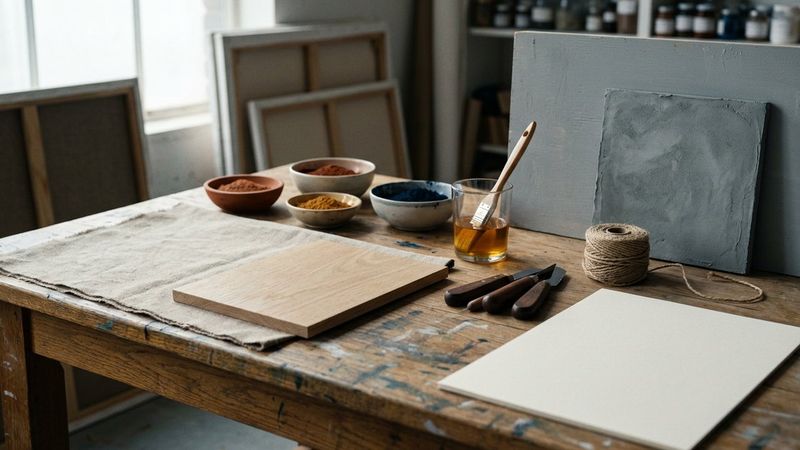
What Is a Medium in Art?
Materials, supports and mixed media, read through named museum works, plus why the plural is media rather than mediums
A medium is the material an artist works in, and sometimes the whole class of practice (painting, bronze, print). This guide separates medium from support and from technique, walks six named works from Giotto’s fresco to Ofili’s mixed canvas, and shows how to read a museum label without treating “media” as a newsroom word.

Christian Iconography in Western Art
How Western painters coded Christ, Mary and the saints so a viewer could read liturgy, legend and civic claim in one glance.
Museum labels still assume you can tell Peter from Paul at ten paces. This guide maps the working grammar of Western Christian pictures: attributes, feast types, altar programmes, and the difference between a cult image and a story cycle, with named works from Ravenna, Siena, Ghent and the National Gallery.

Romanesque Art and Architecture
Round arches, thick walls and carved portals: Europe’s eleventh- and twelfth-century visual language for pilgrimage churches.
From Conques to Durham, Romanesque makers vaulted stone naves, carved Last Judgments over doors and cast bronze for liturgy. This guide maps dates, traits, named workshops and key buildings, then follows critics from Bernard of Clairvaux to modern museums, while leaving the Gothic sequel to its sibling essay.