
Hajj Terminal, King Abdulaziz International Airport
Two hundred and ten white fabric tents on steel masts: the airport gateway where millions of pilgrims first set foot near Mecca.
A gateway for the Hajj
Every year the Hajj brings pilgrims from all over the world to Mecca. Many of them arrive by air at King Abdulaziz International Airport in Jeddah, on the Red Sea coast. In the 1970s Saudi Arabia needed a terminal that could receive huge numbers of pilgrims in the short weeks of the season, give them shelter from the heat while they waited, then send them on by road to the holy city. The client was the Saudi Ministry of Defence and Aviation.
The answer was the Hajj Terminal, designed by the American firm Skidmore, Owings & Merrill (SOM). The design partner was Gordon Bunshaft. The structural engineer was Fazlur Khan, the engineer behind Chicago's tallest towers. Design began in 1977 and the terminal was completed in 1981.
A roof of tents
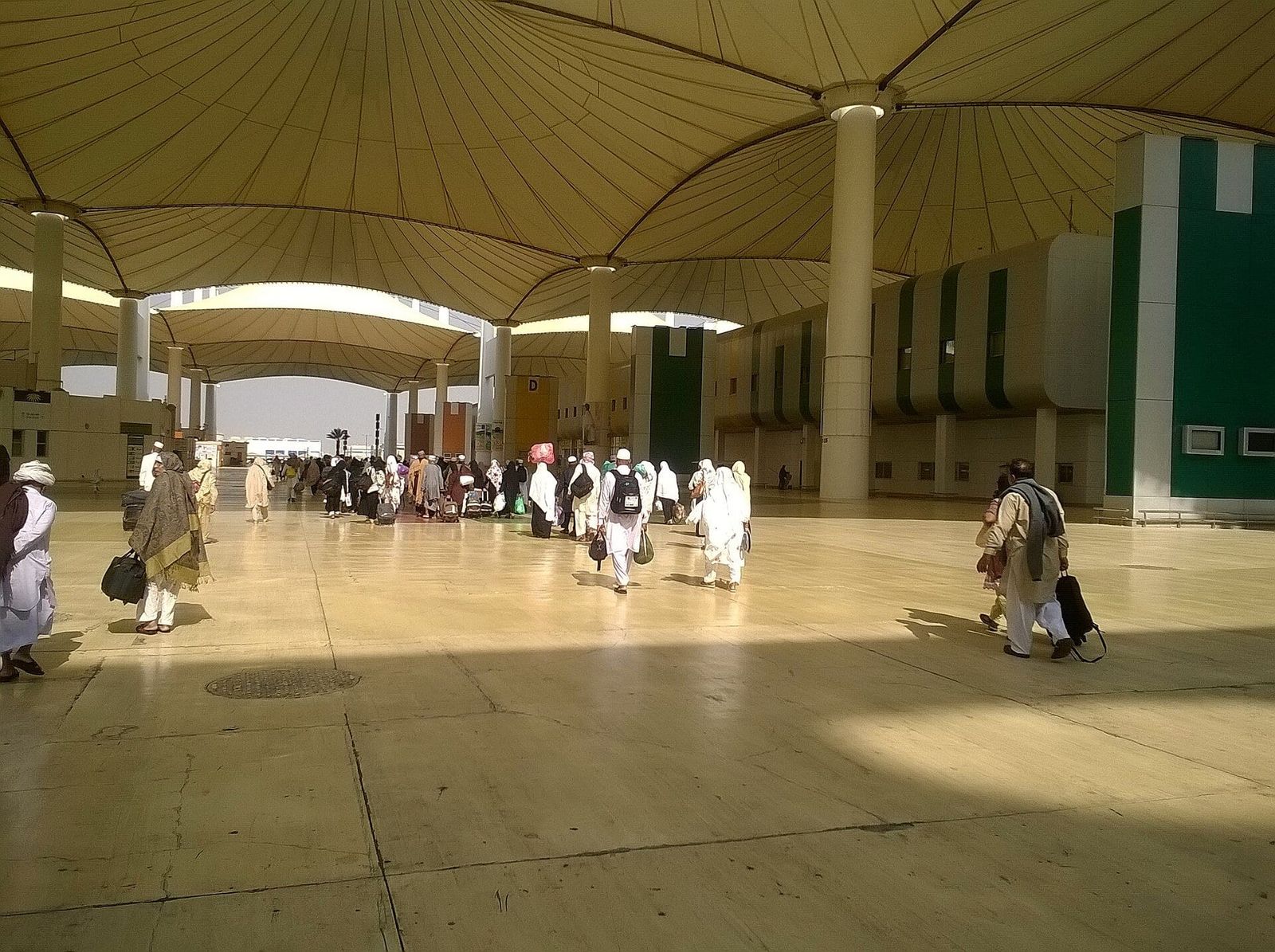
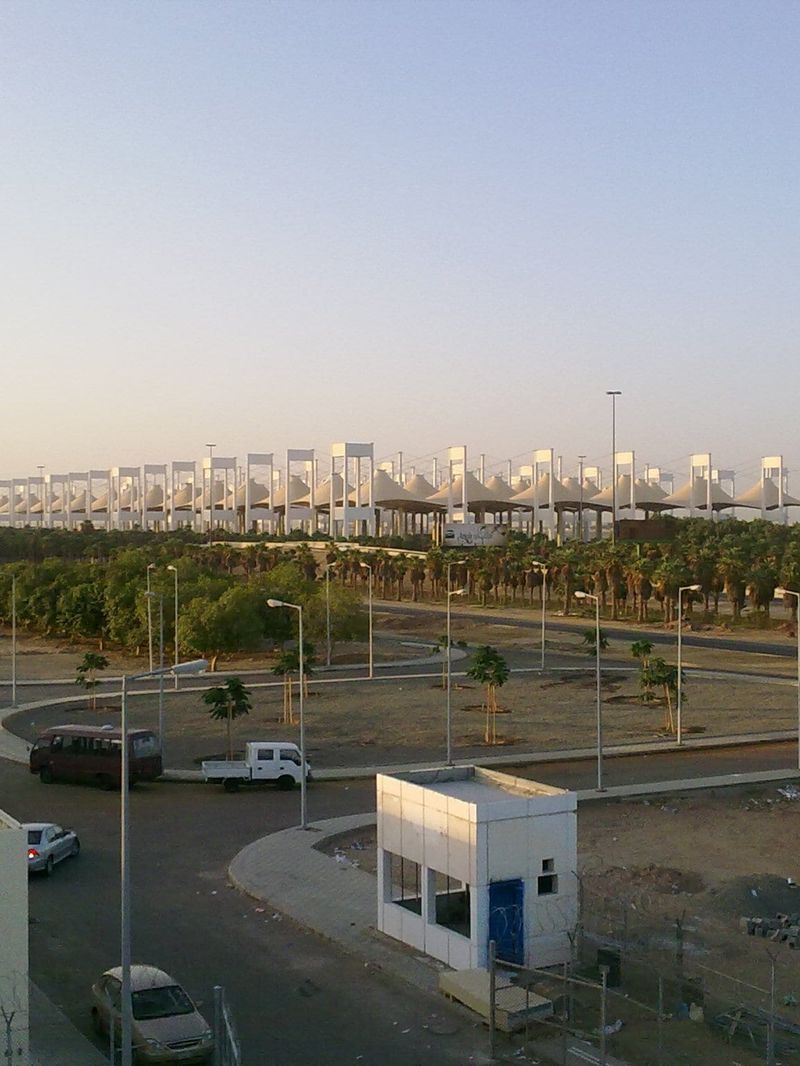
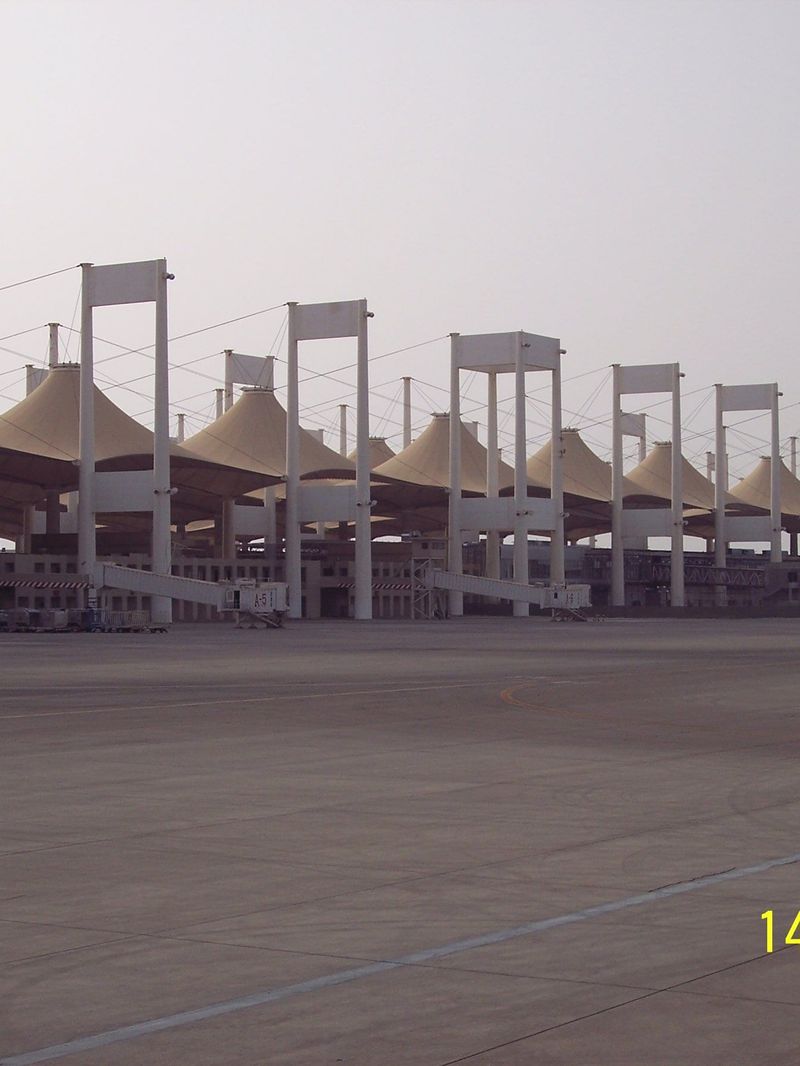
The terminal is a vast roof of white tents. Each tent is a cone of Teflon-coated fibreglass fabric, 45 metres square, hung by steel cables from tall steel masts about 45 metres high. Twenty-one tents make up one module. Ten modules form two identical halves of 105 tents each, 210 tents in all, separated by a long landscaped mall. Together they shelter about 40.5 hectares. When it opened, no roof in the world covered a larger area.
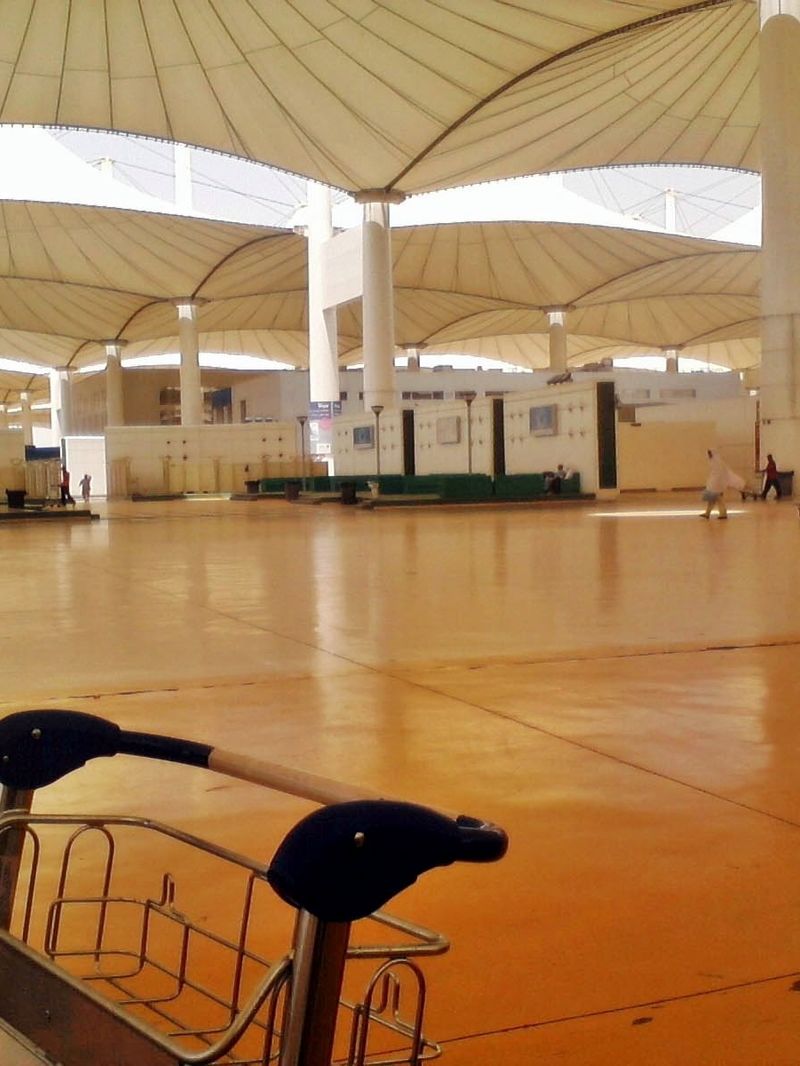
Pilgrims leave the planes through air-conditioned arrival buildings along the outer edges, by the aircraft aprons. They then pass into the shaded open space under the tents, which works like a village square. Here they wait for their buses with places to rest, toilets, shops and banks. The terminal can hold about 80,000 people at once.
Cool without air conditioning
The space under the tents is not air-conditioned. The fabric reflects most of the sun's heat. Each cone rises to an opening at its tip, so the warm air climbs and escapes through the top, drawing in cooler air from below. The shape recalls the Bedouin tent, raised to the scale of a modern airport.
The terminal received the Aga Khan Award for Architecture and a National Honor Award from the American Institute of Architects, both in 1983. In 2010 the AIA gave it its Twenty-five Year Award, for a building that has stood the test of time. Before the airport, pilgrims landed at the port and set out for Mecca through the old city gate of Bab Makkah.
Exhibo editorial
Most airports are designed to be passed through quickly. This one was designed for waiting. Pilgrims may spend many hours here, sometimes a whole day, between the plane and the road to Mecca. Bunshaft and Khan gave them shade, air and a sense of arrival that no glass hall could.
From the air the terminal looks like an encampment, row after row of pale peaks. On the ground the fabric glows overhead and the light is soft. More than forty years on, it is still one of the great buildings of the region.
Gallery
How to find it
The Hajj Terminal is part of King Abdulaziz International Airport on the northern edge of Jeddah, beside the Madinah Road. It serves pilgrims arriving and leaving for the Hajj and Umrah. The space under the tents is open only to travellers using the terminal. Other visitors can see the tents from the airport roads.
Similar places
All places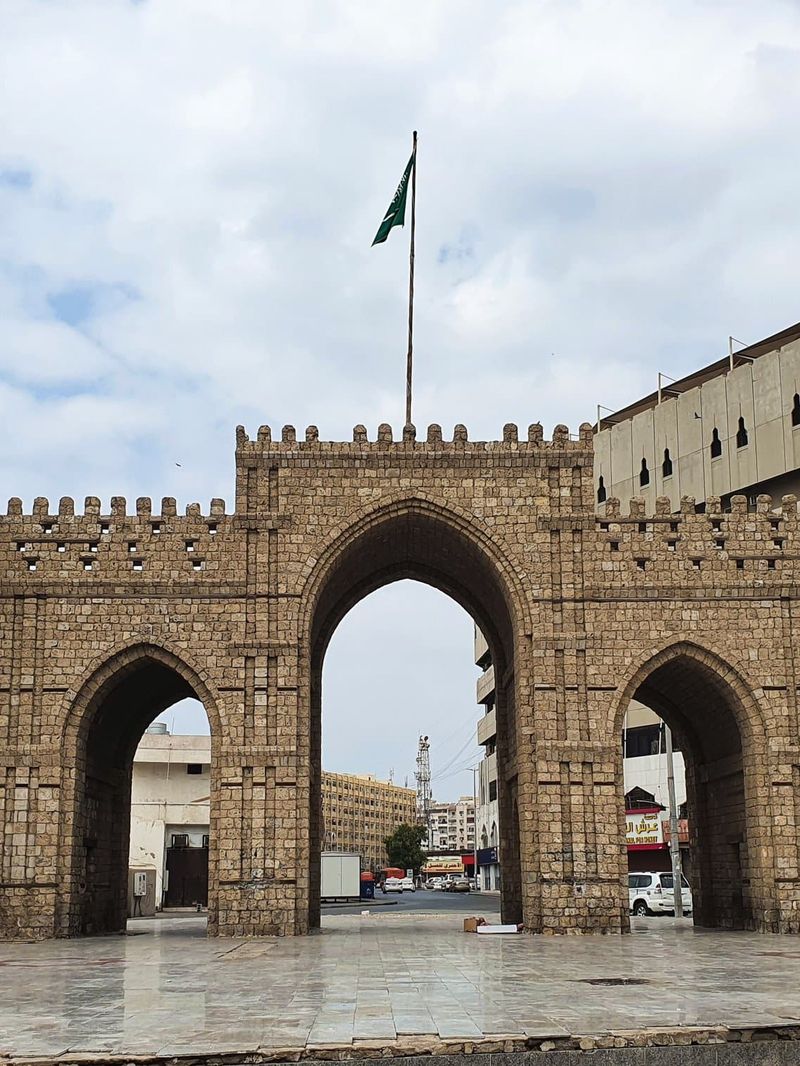
News by Exhibo
Editorial coverage on Exhibo
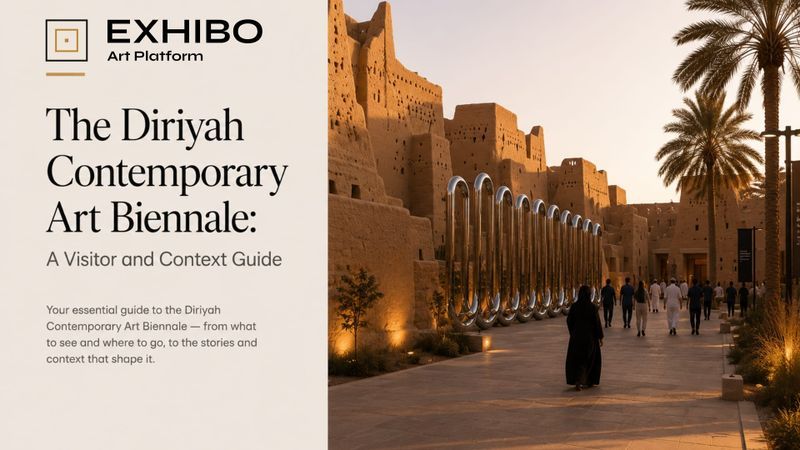
The Diriyah Contemporary Art Biennale: A Visitor and Context Guide
An in-depth look at the curators, scenography, and regional commissions shaping Saudi Arabia’s premier international contemporary art platform.
Explore the third edition of the Diriyah Contemporary Art Biennale, "In Interludes and Transitions". Our comprehensive visitor guide covers the co-curators' vision, Formafantasma's industrial scenography, major commissions, and practical tips for navigating the JAX District with Exhibo.
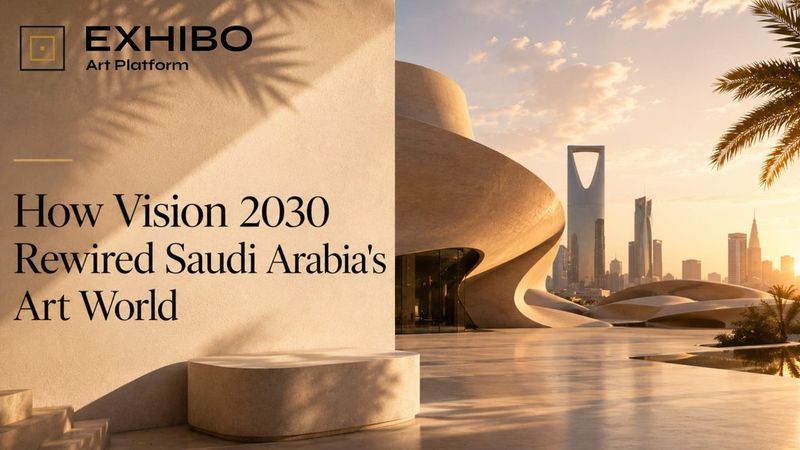
How Vision 2030 Rewired Saudi Arabia's Art World
In a single decade, the Kingdom built a contemporary art ecosystem from almost nothing — ministries, biennials, museums, a market. Here is how it happened, what it has produced, and the questions that remain.
Vision 2030 did not simply fund some exhibitions; it rewired the institutional plumbing of an entire art world, and did so fast enough to unsettle the assumptions on which the Gulf's art map had been drawn.
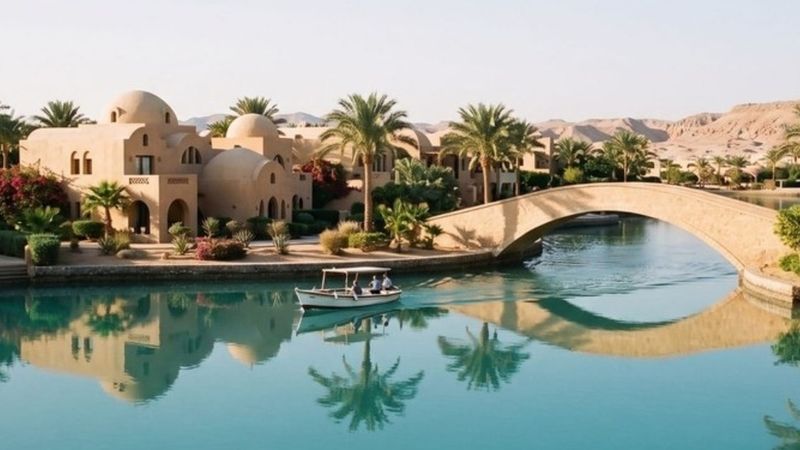
Why the Middle East Keeps Building Venice
From the Red Sea to the Gulf, canal towns keep getting called Venice. The water was usually about something else — and Venice was never quite Venice either.
The Middle East is full of “Venices”. Most began as a way to manufacture shoreline; the name usually arrived later, in English, from the people selling it.