Bab Makkah
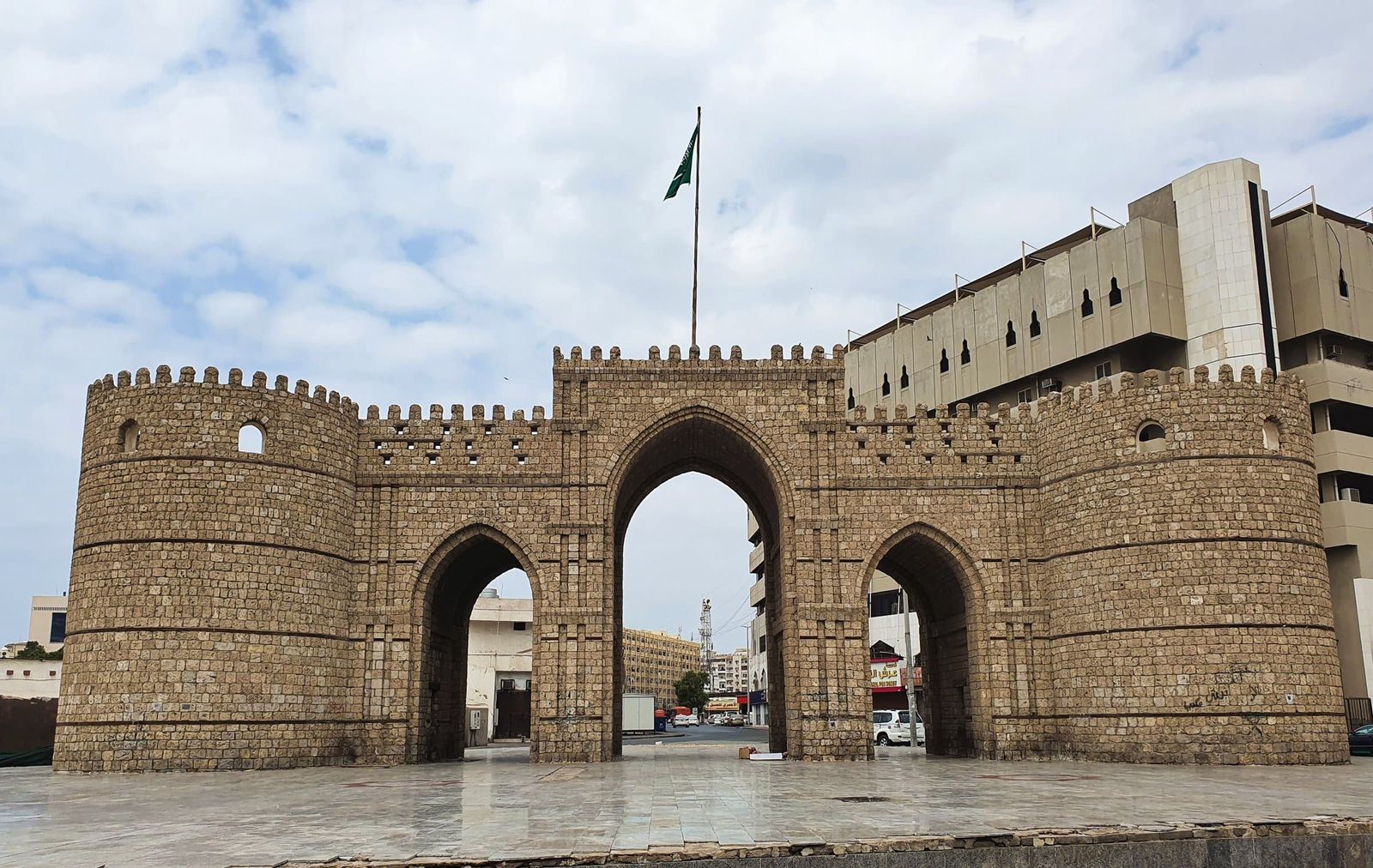
The eastern gate of old Jeddah, where the road to Mecca began and the Bedouin market still crowds the square.
The gate on the road to Mecca
For centuries Jeddah was the sea gate of the Hajj. Pilgrims sailing up the Red Sea landed at its port, crossed the old town and left by its eastern gate on the road inland to Mecca. That gate is Bab Makkah, the Mecca Gate. It stands on the eastern edge of Al-Balad, the historic heart of Jeddah, which UNESCO inscribed on the World Heritage List in 2014 as Historic Jeddah, the Gate to Makkah.
A wall against the Portuguese
At the start of the 16th century Portuguese fleets were attacking Muslim ports and shipping in the Red Sea and the Indian Ocean. In 1509 the Mamluk sultan of Egypt, al-Ashraf Qansuh al-Ghuri, ordered his commander Hussein al-Kurdi to fortify Jeddah. A wall was raised around the town with watchtowers. It was built of manqabi, the coral stone cut from the reefs off the coast, the same stone used for Jeddah's tall old houses. Gates were opened in the wall over time, facing the sea, the north towards Medina, the south and the east. Bab Makkah was the main gate on the eastern side.
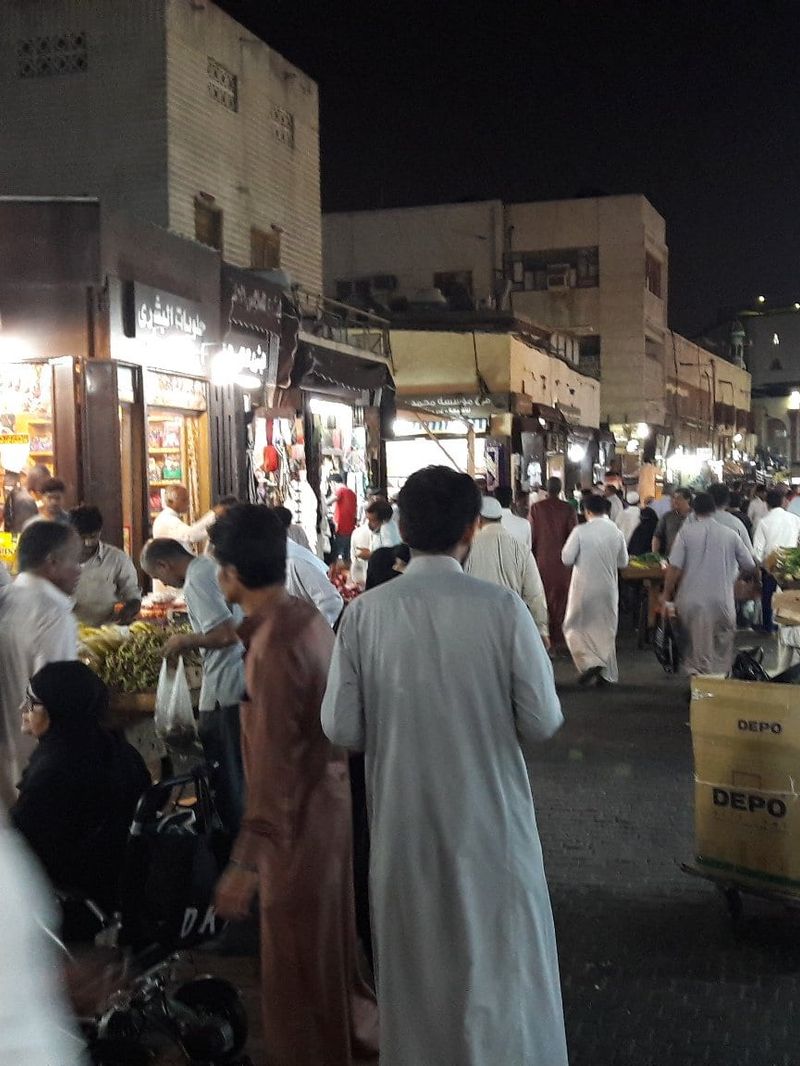
The square outside it was where the town met the desert. Bab Makkah opens onto Souq al-Badu, the Bedouin market, where people from the interior came to trade. Funerals also passed out through this gate on their way to the al-Asad cemetery beyond the wall.
Demolished and rebuilt
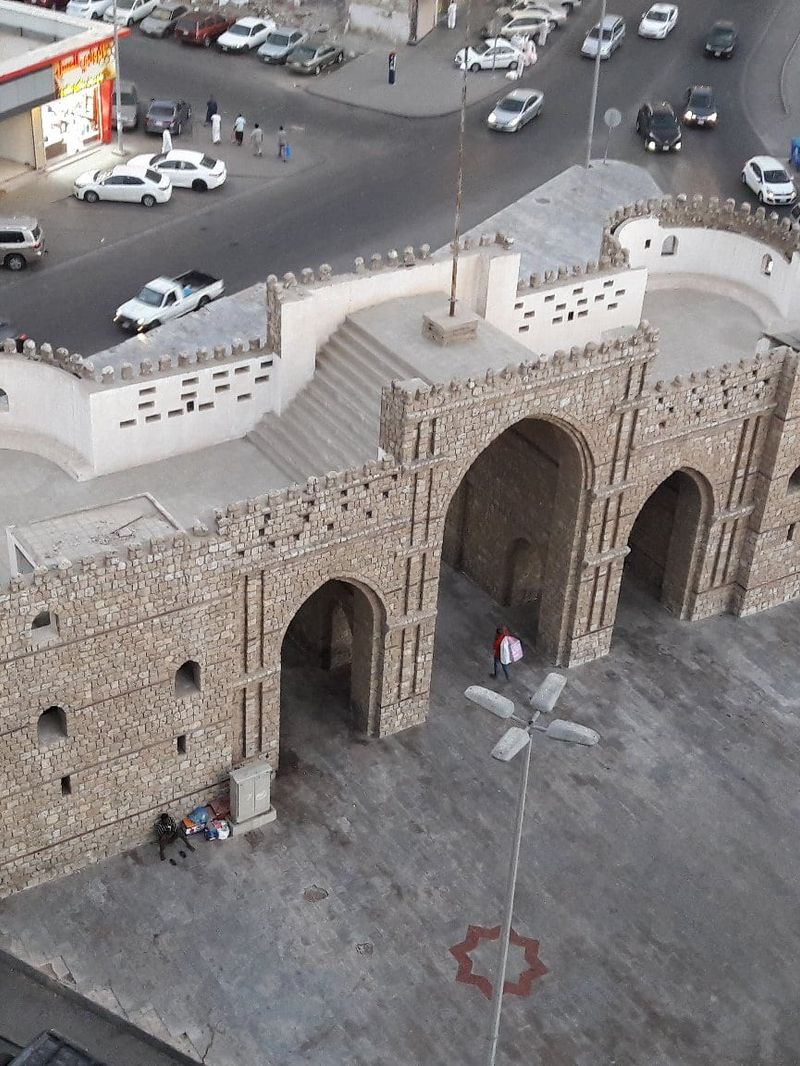
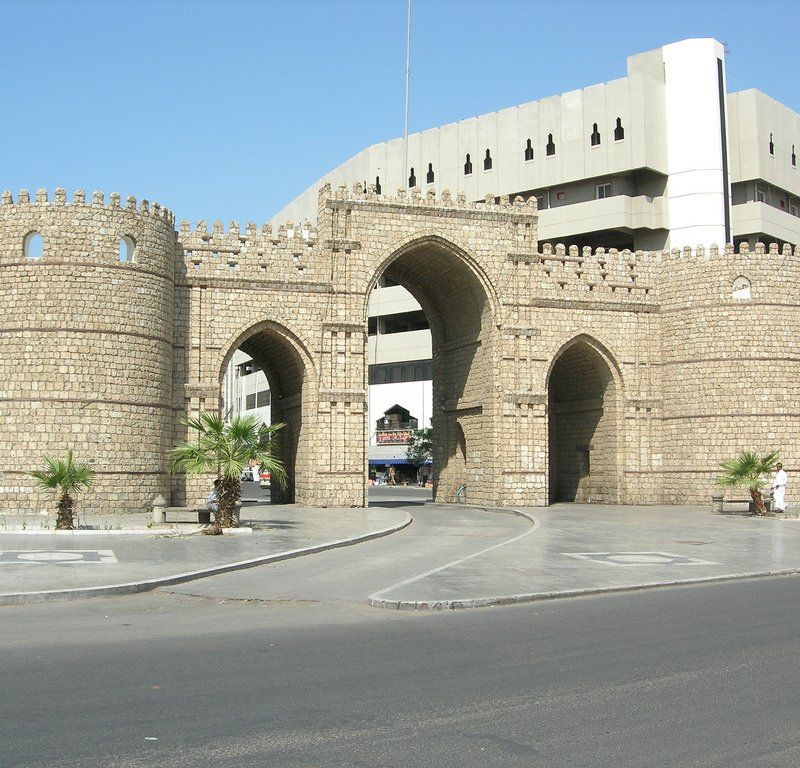
By the 1940s Jeddah had grown far beyond its old wall. In 1947 the wall was pulled down to make way for the expanding city. Bab Makkah was rebuilt and now stands alone in a square at the end of the old market street. The gate has three arches, a tall central arch between two lower ones, flanked by round towers with crenellated tops in pale stone.
Today most pilgrims arrive by air, through the tented Hajj Terminal at the airport north of the city.
Exhibo editorial
A city gate without its wall is a strange thing. It stands in the middle of a square, guarding nothing, with traffic going round it. Yet Bab Makkah still does its old job. It marks the line between the dense lanes of Al-Balad and everything outside.
Come in the evening, when the heat breaks. Walk out through the gate the way the pilgrims did, into the noise of Souq al-Badu, with fruit and goods piled under the lamps. Then turn round and look back at the arches. For centuries this was the last view of Jeddah before Mecca.
Gallery
How to find it
Bab Makkah stands on the eastern edge of Al-Balad, in the square where Khalid bin Al Waleed Street meets the old market lanes. From the centre of Historic Jeddah, walk east through the market lanes until they open onto the square. Taxis can drop you at the gate. The market around it is busiest after sunset.
Similar places
All places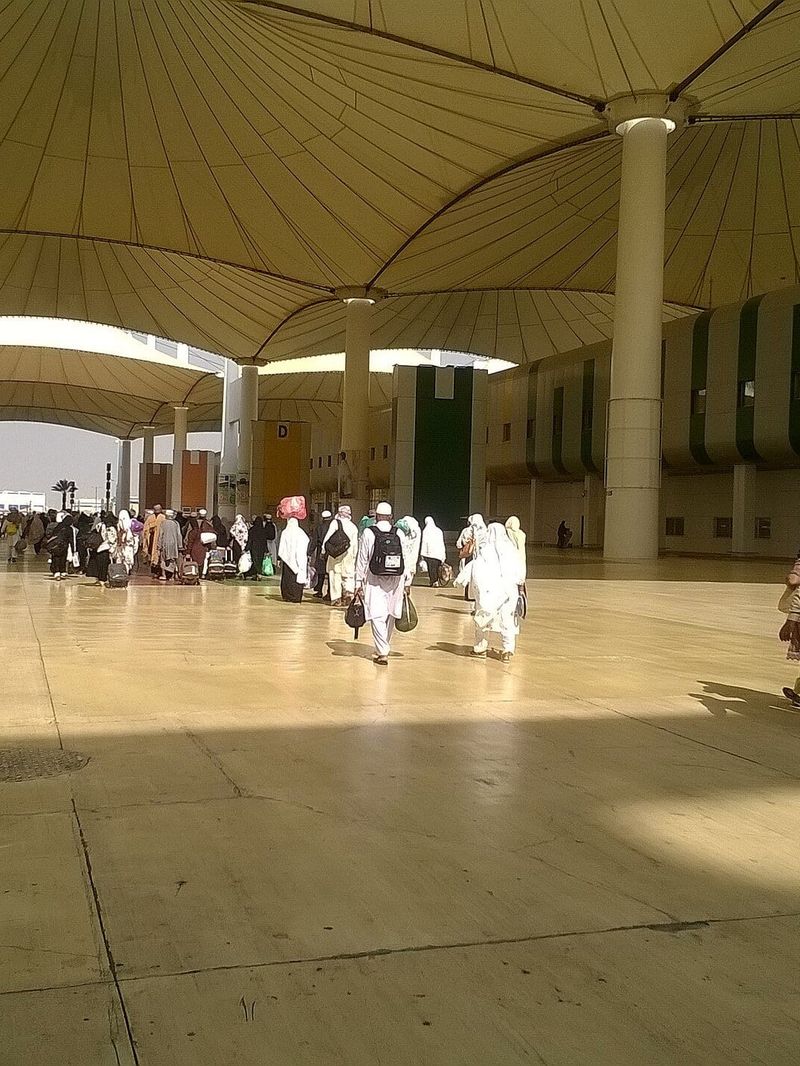
News by Exhibo
Editorial coverage on Exhibo
Why Jeddah Was Built From Coral
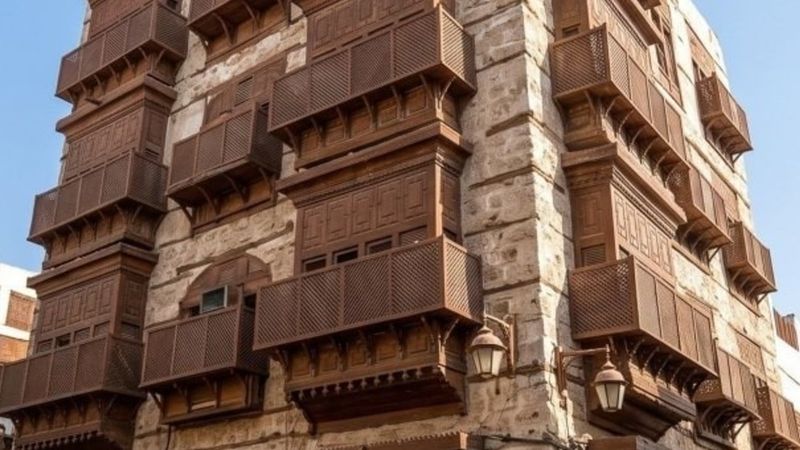
A treeless port with no stone quarried its whole city out of the reef offshore — then oil and concrete let it walk away from the sea that built it.
Jeddah's old town isn't decorated with coral. It's made of it — reef cut soft from the water and hardened into towers. The strange part is what happened when the city no longer needed the sea.
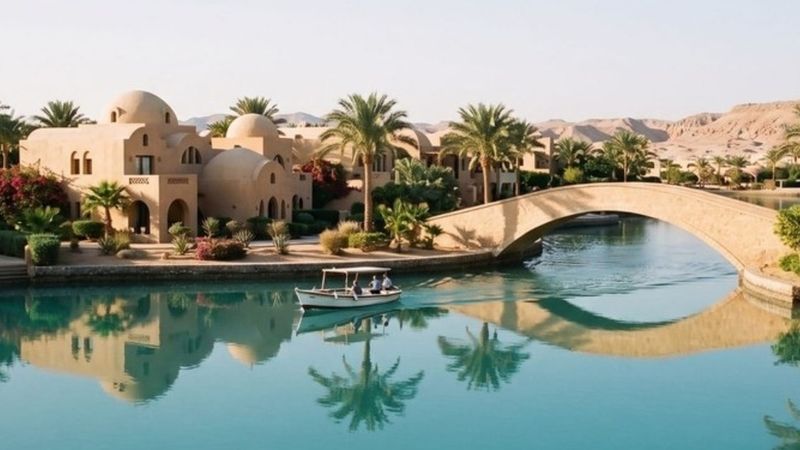
Why the Middle East Keeps Building Venice
From the Red Sea to the Gulf, canal towns keep getting called Venice. The water was usually about something else — and Venice was never quite Venice either.
The Middle East is full of “Venices”. Most began as a way to manufacture shoreline; the name usually arrived later, in English, from the people selling it.
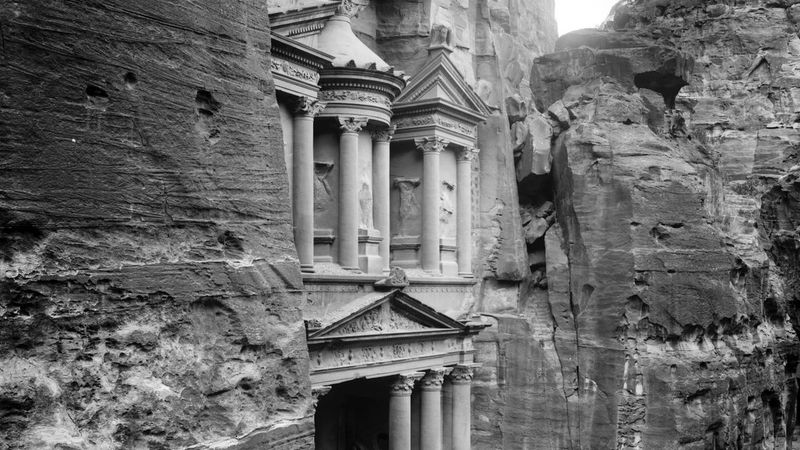
Filmed, but Not Recorded: The Arab World’s Missing Film Locations
Wikidata knows Gladiator was filmed in Morocco. It doesn’t know where.
Ouarzazate is the second most filmed place in the Middle East and North Africa, yet 25 of its 27 productions are recorded only in Wikipedia prose. We compared filming records worldwide and found that in the Arab world, Wikidata usually knows the country but not the place.