Doha Corniche
Doha's long waterfront walk round the bay, from the Museum of Islamic Art to West Bay, lined with dhows and landmarks.
A promenade on reclaimed land
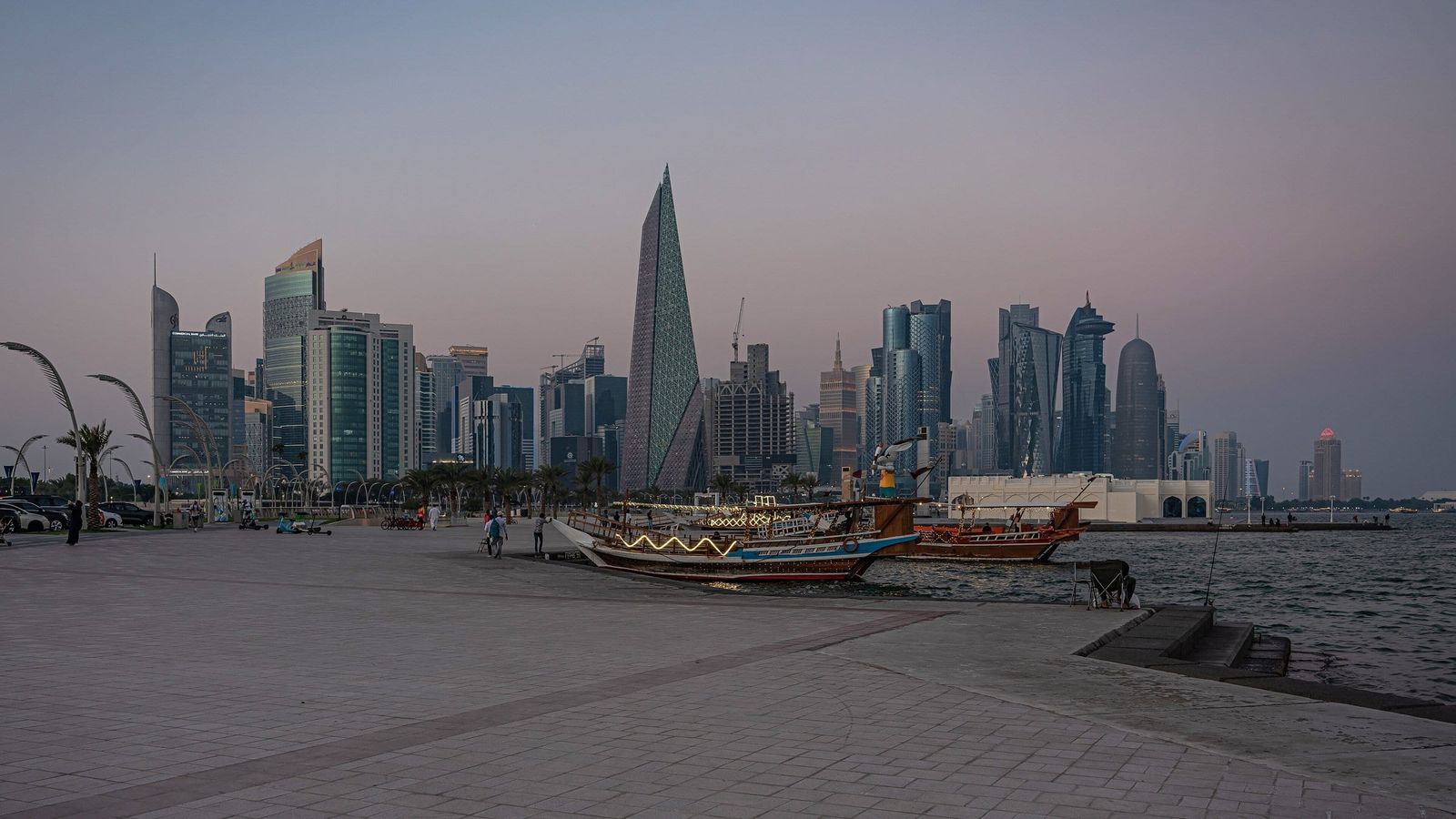
The Doha Corniche is the waterfront promenade that curves for several kilometres around Doha Bay. At its southern end stands the Museum of Islamic Art on its own island. At its northern end rise the towers of West Bay. Between them run a broad walkway and gardens of palms and flower beds beside the busy Corniche road.
The Corniche is built on land taken from the sea. Before it, old Doha met the water along a shallow, irregular shore. The markets of Souq Waqif stood right on the beach. From the late 1960s the government reclaimed the bay front and laid out a new coastline.
Landmarks along the way
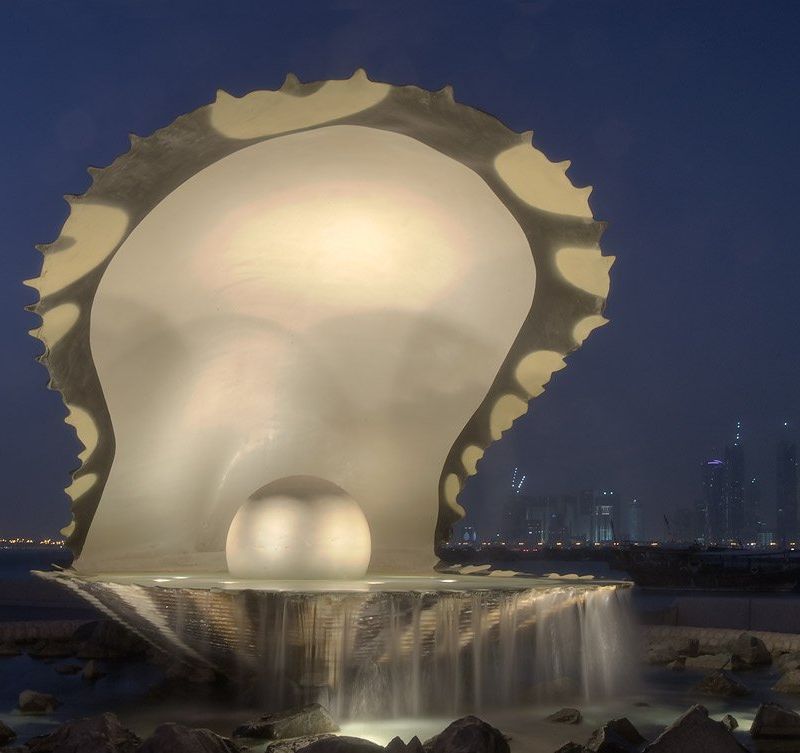
The Corniche is lined with monuments and public sculptures. The Dallah coffee pot monument celebrates Arab hospitality. Orry the Oryx, the torch-bearing mascot of the 2006 Asian Games, stands at the West Bay end. A sculpture of an open oyster holding a pearl recalls the pearl diving on which Doha once lived. Near the centre stand the Amiri Diwan and its white Clock Tower.
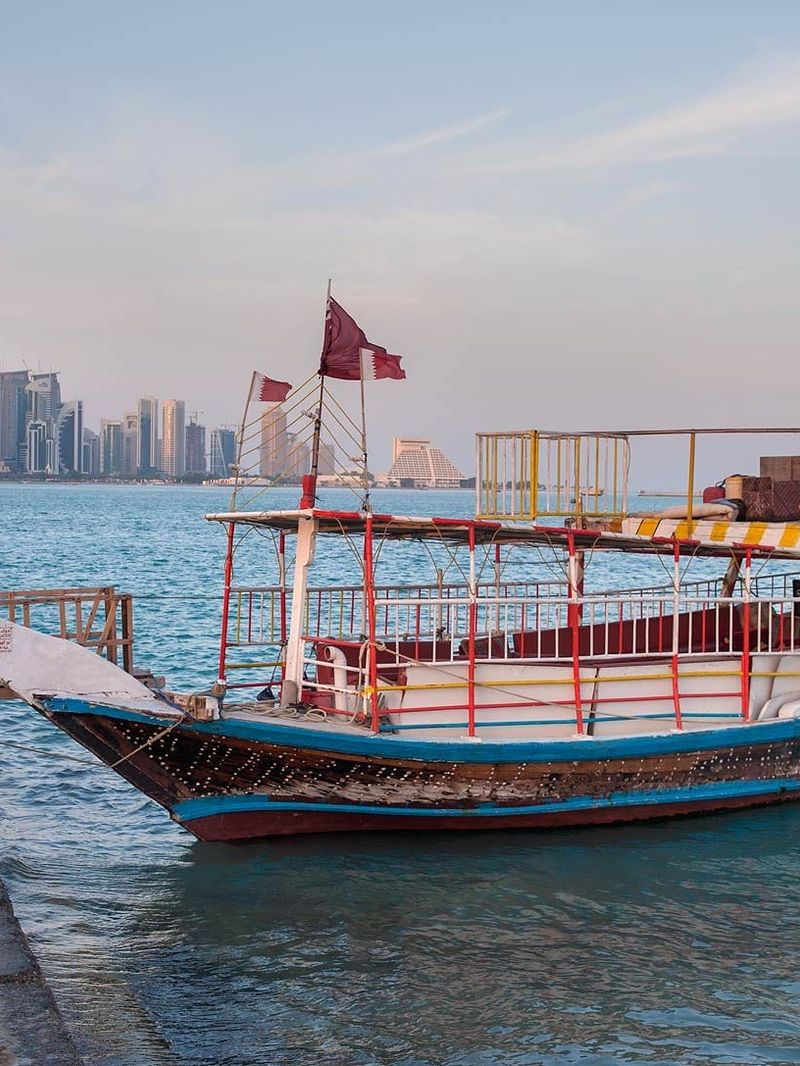
Wooden dhows are moored in the harbour along the bay and take visitors out on the water. Fishermen cast their lines from the sea wall.
A renewed waterfront
In October 2017 the Public Works Authority began a major renovation of the Corniche. New paving, car parks, a public square and facilities were added along its length.
Exhibo editorial
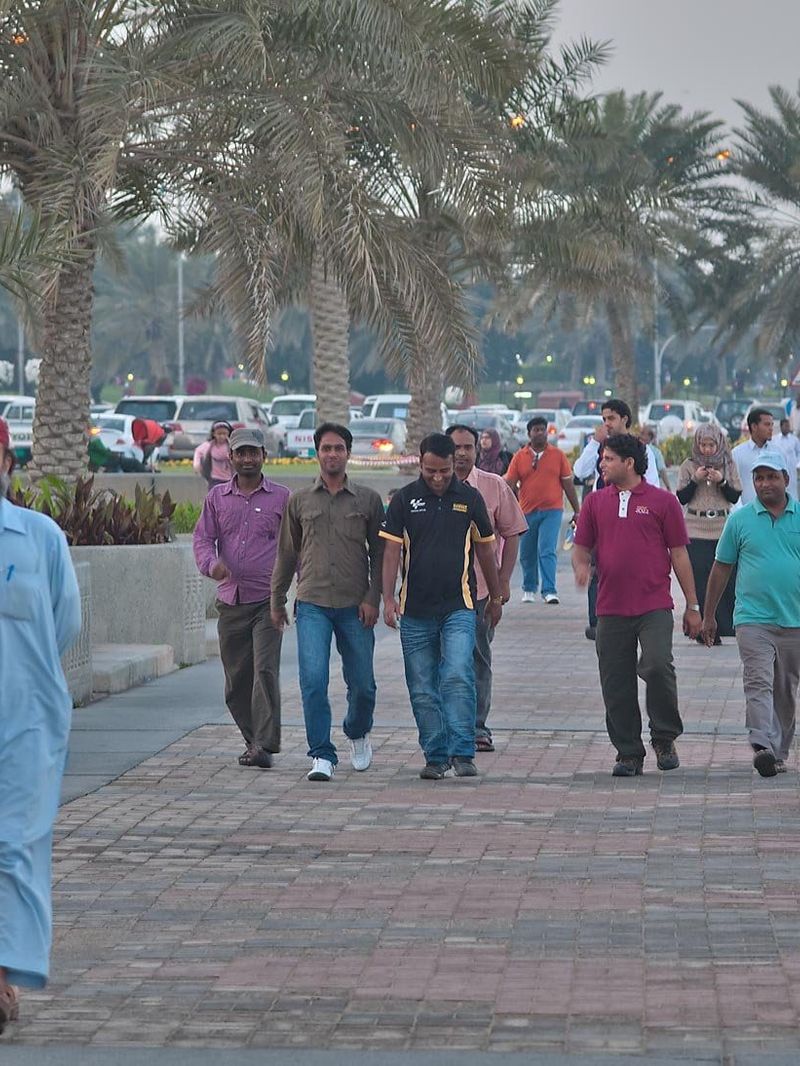
This is where Doha comes to walk. On a winter evening the promenade fills with families, joggers, couples and friends. The towers of West Bay light up across the water, one after another.
The best way to see the Corniche is end to end on foot. Start at the Museum of Islamic Art at sunset and walk north as the lights come on. On the way you pass the dhows, the coffee pot and the oryx. By the end you have seen how far this city has come from the shore it began on.
Gallery
How to find it
The Corniche runs along Doha Bay from the Museum of Islamic Art in the south to West Bay in the north. Corniche metro station on the Red Line serves the West Bay end. Souq Waqif station on the Gold Line is near the southern end. Car parks line the road. The promenade is open at all times and free.
Similar places
All places
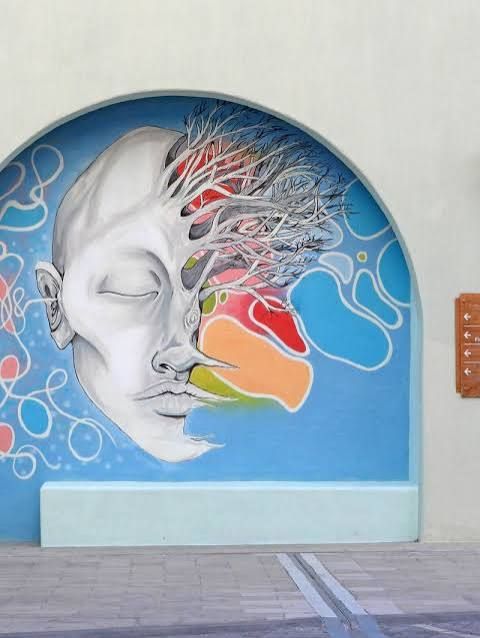
News by Exhibo
Editorial coverage on Exhibo
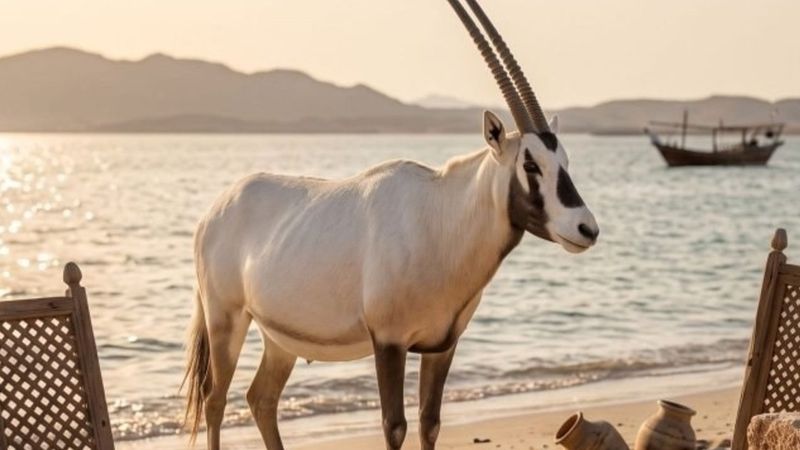
The Animal We Drew Everywhere Once It Was Gone
From Neolithic rock to airline tailfin — how the Arabian oryx vanished from the desert, came back from nine animals, and multiplied everywhere as a symbol in the very decades it was gone.
The last wild Arabian oryx was shot in 1972. By then it was already a picture — carved on Bronze Age tombs, mistaken by the ancients for a unicorn, praised by poets as the eyes of the beloved. This is the story of an animal that went extinct in the wild and was brought back from nine survivors, and of the strange gap between the creature and the emblem it became: fast, sharp and ascendant on a nation's tailfin, while the animal itself survives by standing still in the shade.
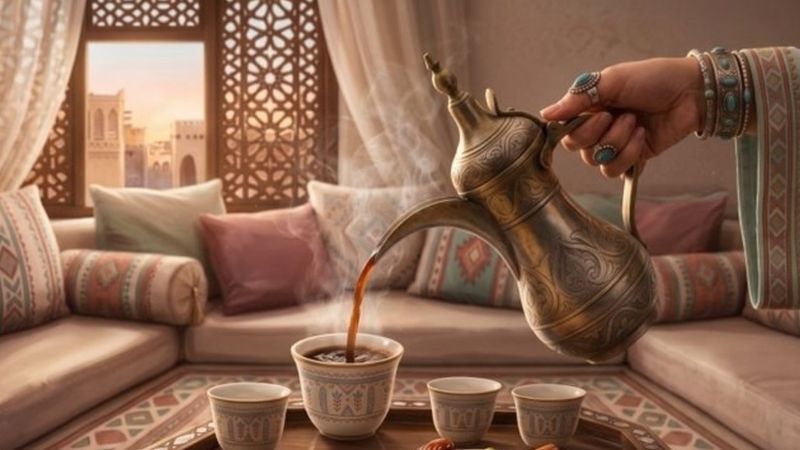
Coffee Began in Yemen
The coffee plant is Ethiopian. But the drink — roasted, brewed, and made the center of a culture — is Yemeni.
Before the espresso machine, before the café, a Sufi in Yemen brewed a bean to stay awake for God. This is the story of how coffee became coffee — from the prayer lodges of the Shadhili order to the Red Sea port of Mocha that named a drink, and finally to the shape the Gulf poured all of it into: the dallah on the one-dirham coin.
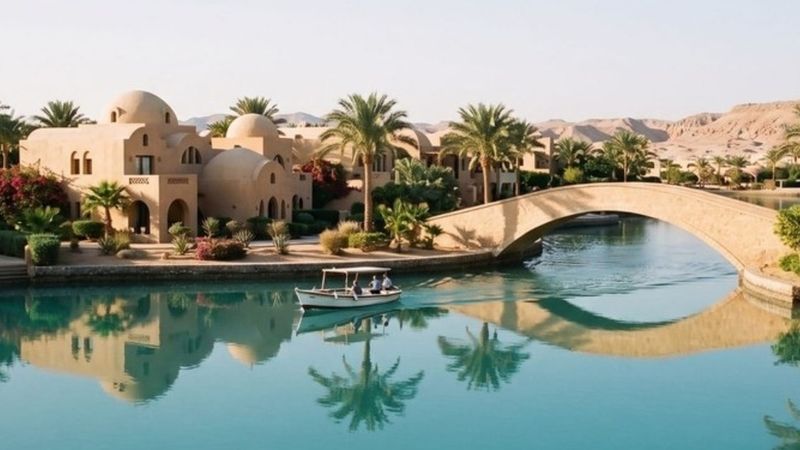
Why the Middle East Keeps Building Venice
From the Red Sea to the Gulf, canal towns keep getting called Venice. The water was usually about something else — and Venice was never quite Venice either.
The Middle East is full of “Venices”. Most began as a way to manufacture shoreline; the name usually arrived later, in English, from the people selling it.