
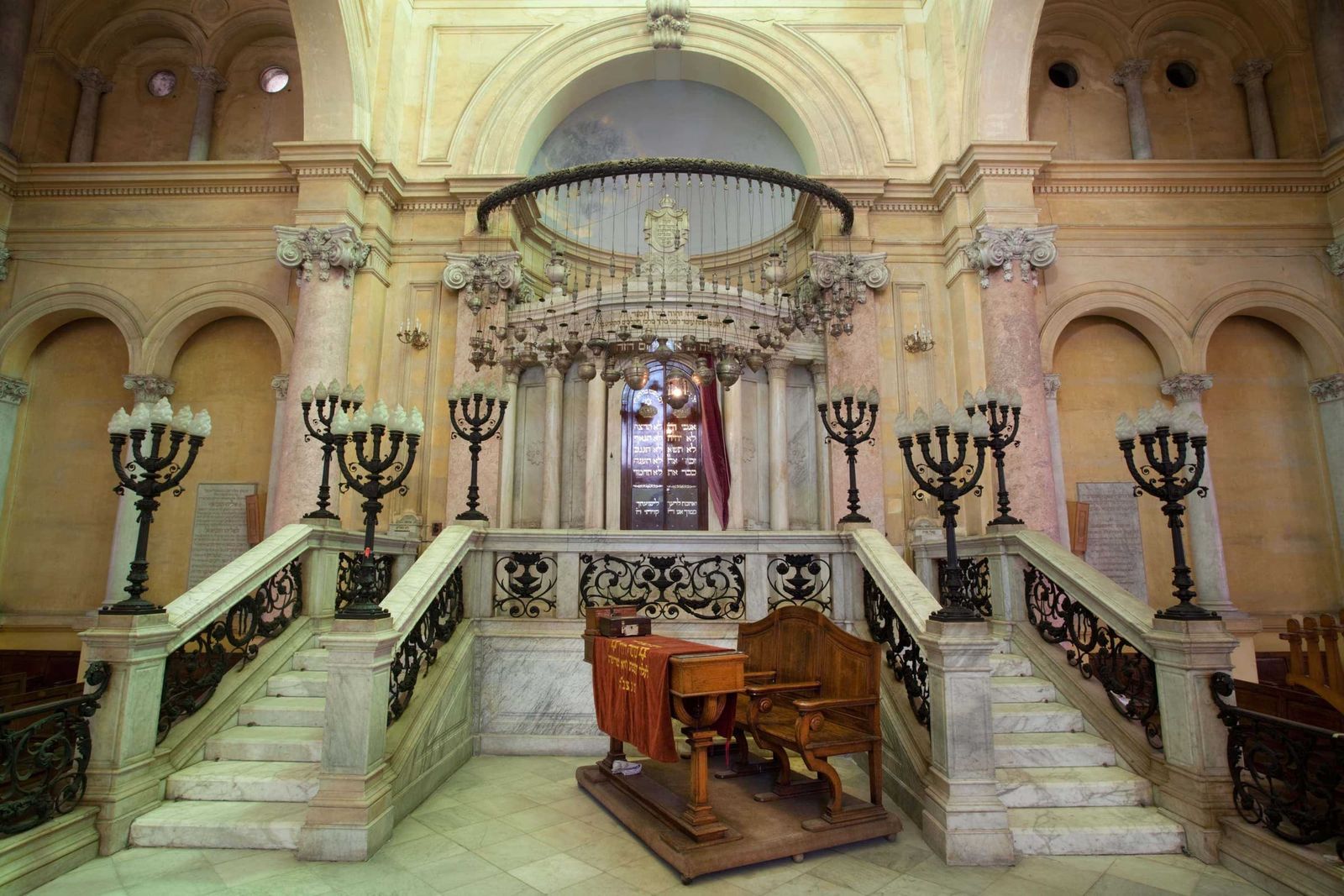
Eliyahu Hanavi Synagogue
One of the largest synagogues in the Middle East, rebuilt in 1850 and restored in 2020 — the heart of Alexandria's Jewish history.
A synagogue for a cosmopolitan city
The Eliyahu Hanavi Synagogue (Synagogue of the Prophet Elijah) stands on Nabi Daniel Street in the centre of Alexandria. A synagogue has stood on the site since the fourteenth century; it was destroyed during the French bombardment of the city in 1798 and rebuilt in 1850 with the support of the Muhammad Ali dynasty, in a grand Italianate style. For a century it was the principal synagogue of Alexandria's Jewish community, which in the first half of the twentieth century numbered tens of thousands and played a central role in the city's commercial, cultural and civic life.
Architecture
The synagogue is one of the largest in the Middle East, able to seat several hundred worshippers. Its tall basilical hall is divided by rows of marble columns, with women's galleries above, a central bimah and an ark on the eastern wall, and is lit by tall windows. Brass plaques on the wooden seats bear the names of the families who once occupied them, a moving record of the vanished community.
Restoration
After 1956, most of Alexandria's Jews left Egypt, and today only a handful remain. The synagogue, damaged by time and a partial roof collapse, was restored by the Egyptian Ministry of Antiquities between 2017 and 2019 as part of a national programme to preserve the country's Jewish heritage, and reopened in January 2020. It is guarded and can be visited, usually with identification and sometimes by prior arrangement.
Exhibo editorial
Behind a security gate on a busy downtown street, the synagogue opens into a vast, luminous hall of marble columns, chandeliers and polished wooden pews — and on each seat, a small brass plaque with a family name. That is the detail that stays with you: the names of a community that once filled this room and helped make Alexandria what it was.
The restoration is superb, and the building feels both grand and achingly empty. Bring your passport, ask the guards politely, and take a few minutes to read the names.
How to find it
The synagogue is on Nabi Daniel Street in central Alexandria, a short walk from Raml Station and Saad Zaghloul Square. The entrance is through a guarded gate on the street; present identification to the security staff.
Similar places
All places
News by Exhibo
Editorial coverage on Exhibo
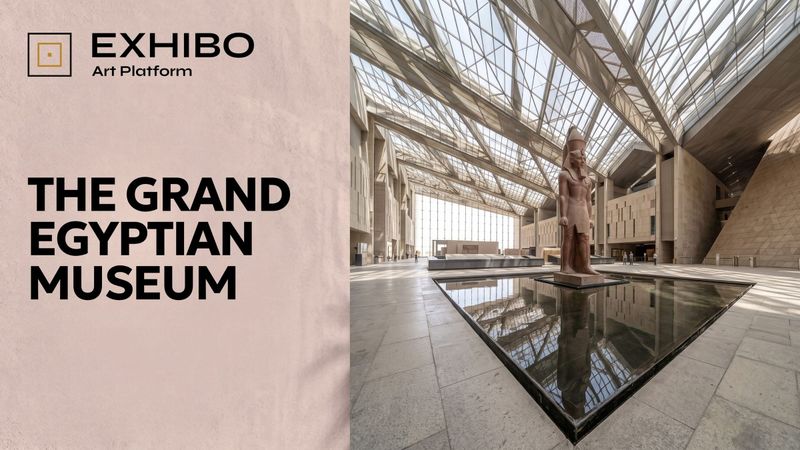
The Museum That Reflects Everything, Including You
How the world's largest single-civilisation museum gathers a nation's heritage, national story, tourism economy and repatriation claims under one reflective roof — and what those mirrored surfaces quietly ask of everyone who walks in.
Around the colossus of Ramses II, shallow pools mirror the floor so exactly that visitors keep stepping in. It is a small, faintly comic thing — and a way into a much larger question about the Grand Egyptian Museum. A civilisation is gathered here and made whole, while its three most famous faces stay abroad. A home for a nation's heritage opens, and the nation queues outside it. A monument to Egyptian sovereignty rises, financed largely from Tokyo.
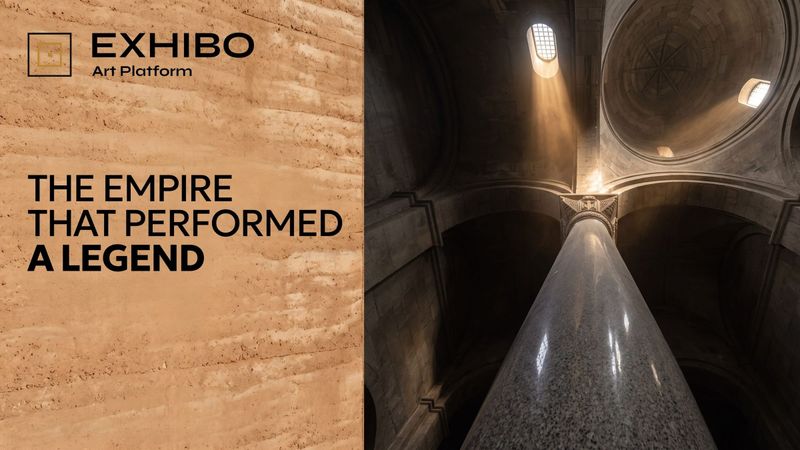
Seventy Thousand Solomons: The Empire That Performed a Legend
A demon catalogue in the conqueror's library, a sixteenth-century text where kingship is an office held seventy thousand times, and the columns a sultan dragged across three provinces to prove he held it.
Mehmed II kept a Greek catalogue of demons in his library at Topkapı. Seventy years later a sultan named for a prophet was rebuilding the walls of Jerusalem and hauling Roman columns out of Egypt and the Lebanon into a mosque above the Golden Horn. In between, Ottoman writers turned Solomon from a warning into a job — and the empire applied for it in stone.