
Anfushi Tombs
Ptolemaic rock-cut tombs painted to imitate marble and alabaster, with ancient ship graffiti, in Alexandria's old harbour quarter.
A Ptolemaic necropolis
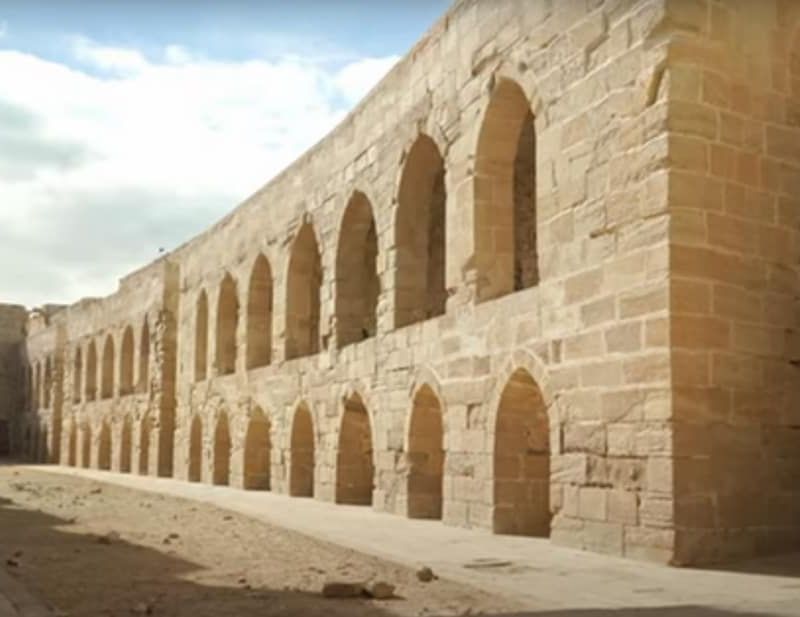
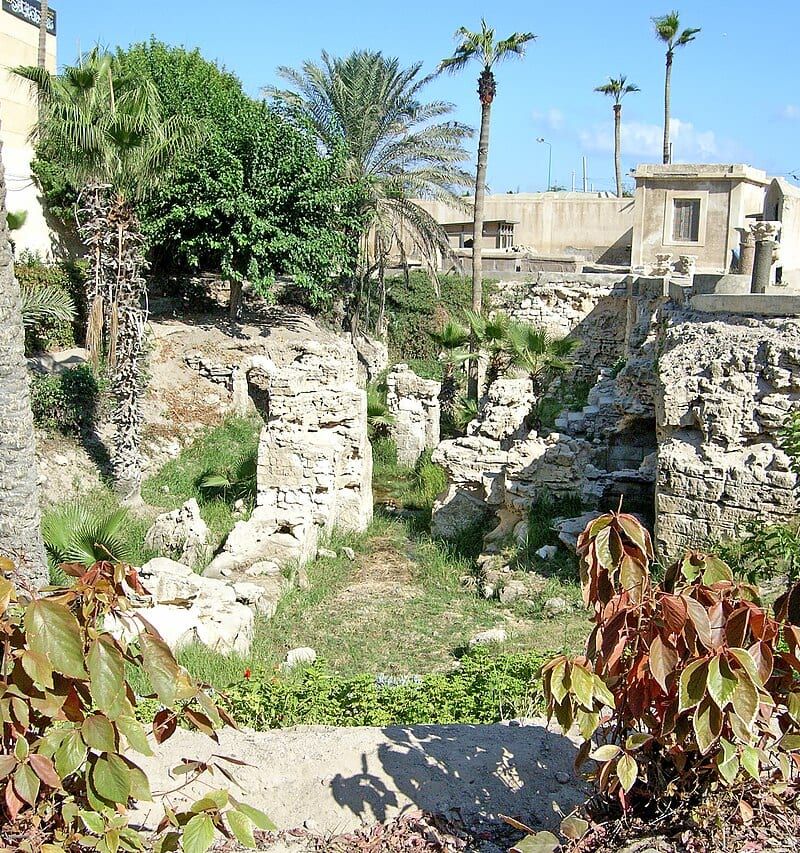
The Anfushi Tombs lie in the Anfushi district on the old Pharos island, now part of the peninsula between Alexandria's two harbours. They form part of the western necropolis of the Ptolemaic city and date mainly to the third and second centuries BC. Discovered in 1901, they consist of several hypogea — underground tombs cut into the rock — each reached by a staircase descending to an open courtyard, around which are arranged burial chambers.
Painted interiors
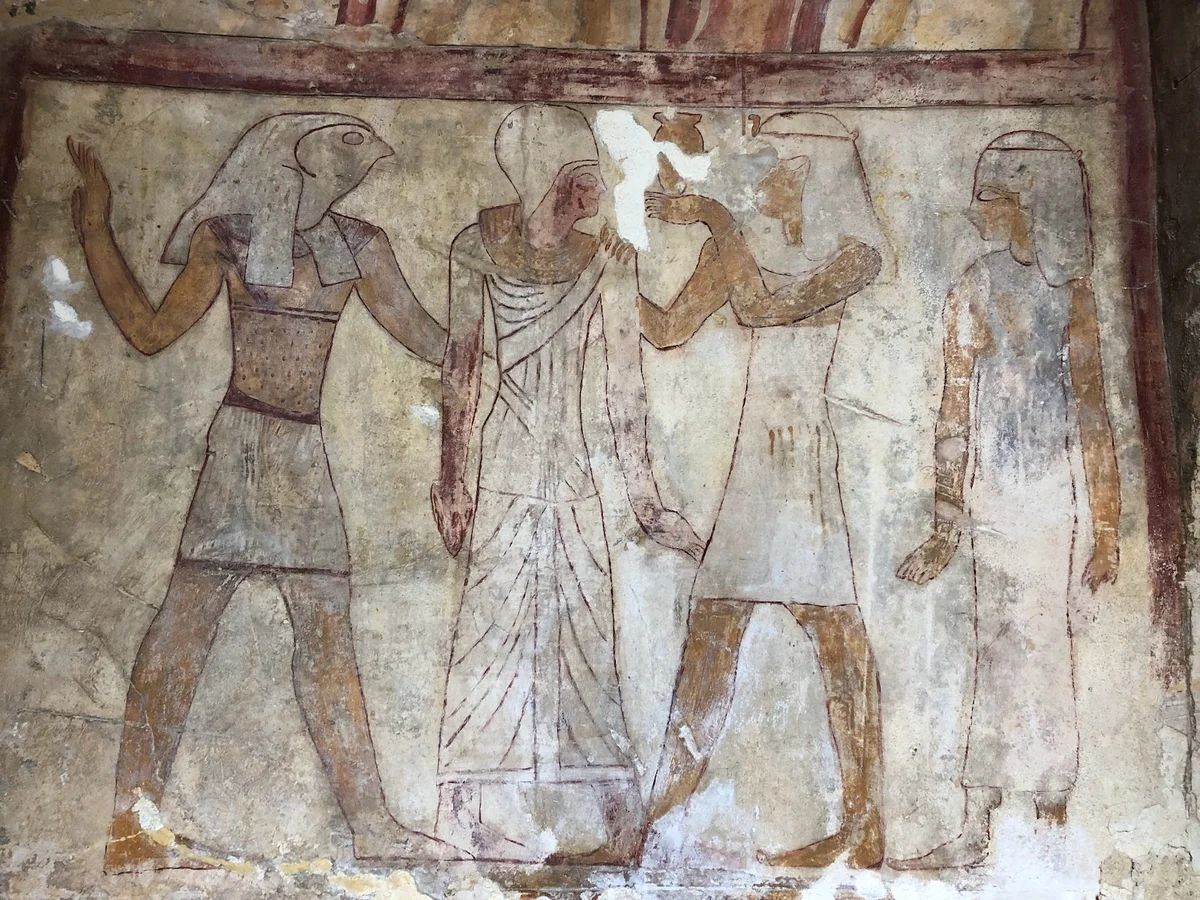
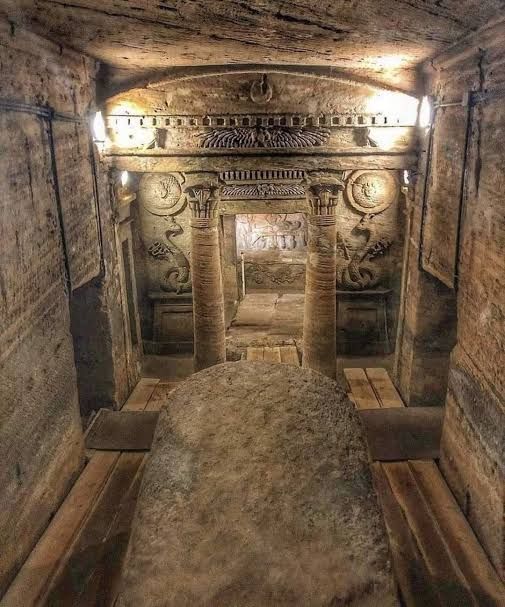
The tombs are decorated in a style that mixes Greek and Egyptian traditions. Their walls were painted to imitate blocks of alabaster, marble and other precious stones in a chequerboard pattern, a fashion of Hellenistic Alexandria, while some chambers have Egyptian scenes of the deceased before Osiris, Isis and Horus. The best-preserved tomb, known as Tomb 2, has painted ceilings and a staircase decorated with Egyptian funerary scenes. Graffiti scratched on the walls by later visitors include drawings of ships, a reminder of the maritime life of the harbour quarter.
Visiting
The tombs are a short walk from the Mosque of Abu al-Abbas al-Mursi and the Citadel of Qaitbay, and receive few visitors, offering a quiet glimpse of Ptolemaic Alexandria.
Exhibo editorial
Most visitors to the Qaitbay citadel walk right past these tombs, set in a small garden among the houses of Anfushi. Go down the stairs, and the Ptolemaic city suddenly reappears: walls painted to look like veined marble and alabaster, Egyptian gods painted beside Greek decoration, and a sailor's scratched drawing of a ship.
It's a short, quiet visit — fifteen minutes, maybe twenty — and an easy one to add between the mosque of Abu al-Abbas and the citadel.
Gallery
How to find it
The tombs are in Anfushi, a short walk west of the Mosque of Abu al-Abbas al-Mursi. The entrance is through a small garden on the street; staircases lead down into the individual tombs.
Similar places
All places
News by Exhibo
Editorial coverage on Exhibo
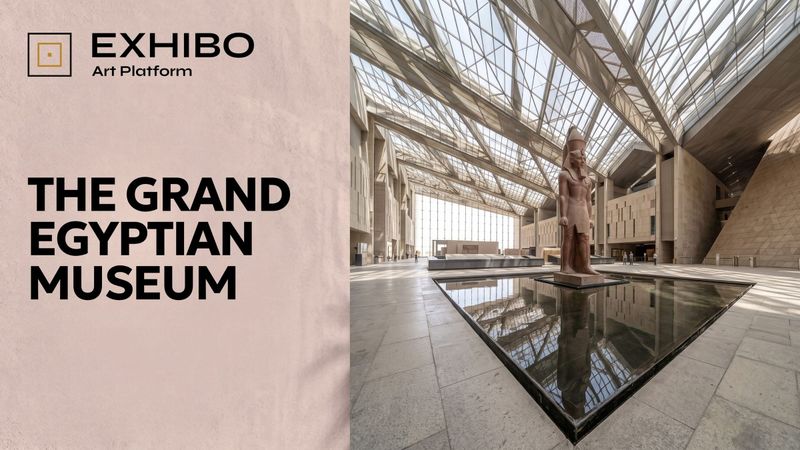
The Museum That Reflects Everything, Including You
How the world's largest single-civilisation museum gathers a nation's heritage, national story, tourism economy and repatriation claims under one reflective roof — and what those mirrored surfaces quietly ask of everyone who walks in.
Around the colossus of Ramses II, shallow pools mirror the floor so exactly that visitors keep stepping in. It is a small, faintly comic thing — and a way into a much larger question about the Grand Egyptian Museum. A civilisation is gathered here and made whole, while its three most famous faces stay abroad. A home for a nation's heritage opens, and the nation queues outside it. A monument to Egyptian sovereignty rises, financed largely from Tokyo.
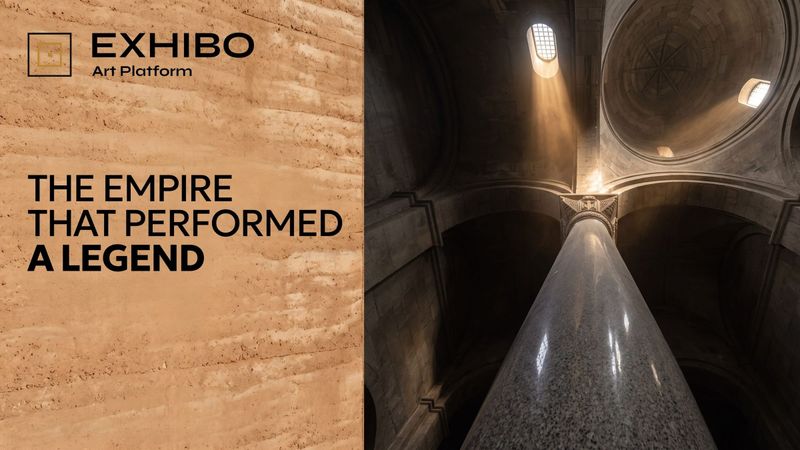
Seventy Thousand Solomons: The Empire That Performed a Legend
A demon catalogue in the conqueror's library, a sixteenth-century text where kingship is an office held seventy thousand times, and the columns a sultan dragged across three provinces to prove he held it.
Mehmed II kept a Greek catalogue of demons in his library at Topkapı. Seventy years later a sultan named for a prophet was rebuilding the walls of Jerusalem and hauling Roman columns out of Egypt and the Lebanon into a mosque above the Golden Horn. In between, Ottoman writers turned Solomon from a warning into a job — and the empire applied for it in stone.