
The Humans by Fatspatrol
A hundred metres of black-and-white figures in profile — dreamers, visionaries and jokers on a nightclub wall.
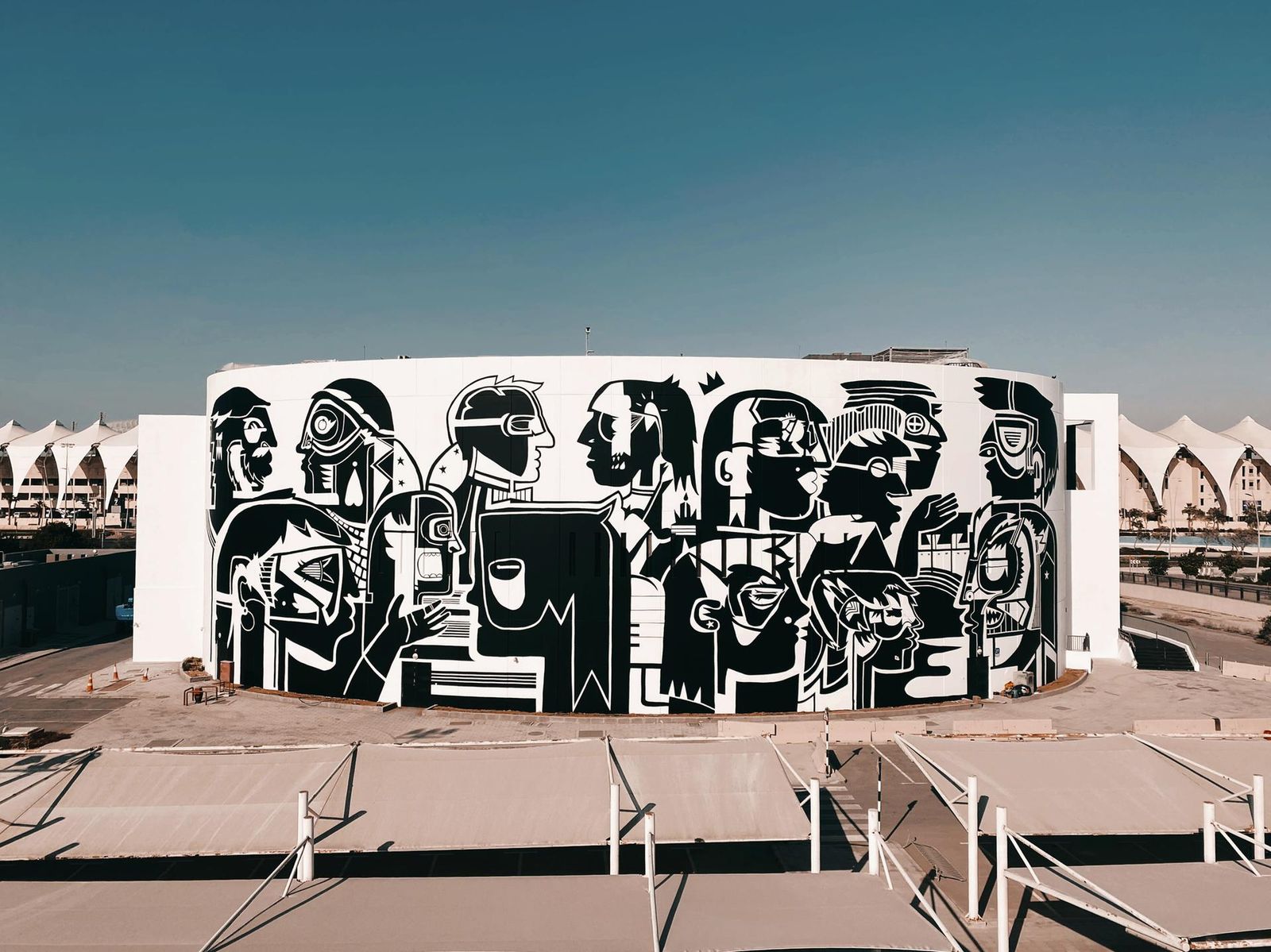
The Humans is a 100-metre mural by Fathima Mohiuddin, the Indian-Canadian artist known as Fatspatrol who grew up in the UAE, painted in 2021 on a long white wall beside Etihad Arena on Yas Island. Commissioned by developer Miral for the Yas Bay development, it is the largest mural on the island.
The work consists of stylised human figures rendered in profile, each unique in appearance and style, drawn in bold black lines and shapes against white. Mohiuddin has described the cast as containing the dreamers, the visionaries and the jokers, and framed the underlying idea as viewing every human being as their own universe.
The subject marked a deliberate break in her practice. Mohiuddin had spent six years painting birds as symbolic figures; during the 2020 lockdowns, spent in a small Toronto apartment watching birds through the window while she could not leave, she found the symbol had inverted — the bird was free and she was not — and turned to people instead. The Humans became the umbrella title for the work that followed. She has also described the shift as coming partly from frustration with a constant pressure to define and categorise people.
The restricted palette is a deliberate choice: Mohiuddin has said black and white feel the most raw and honest, that there is no hiding in them, and that a minimal palette leaves space for the viewer to think between the heavy lines and forms. Her method is free-flowing, which she describes as a stream-of-consciousness process.
The wall belongs to a nightclub venue and previously carried work by graffiti artists invited by the site's former occupant. Mohiuddin has also painted a series of seven bird murals for Miral across Yas Island, beginning with The Desert Partridge. The mural is outdoors, free and visible at any hour.
Exhibo editorial
She painted birds for six years, then spent a lockdown in a Toronto flat watching them through a window while she could not go outside, and the symbol broke. The bird was free. She was not. So she started drawing people instead, and one of the first places that decision landed at scale was a hundred metres of wall in Abu Dhabi.
You need to walk it rather than photograph it. Every figure is in profile and every one is different, and at a hundred metres the thing works less like a mural than like a crowd you are moving past — which is the point, given it was made by someone who had just spent a year unable to be in one. There is no colour anywhere. She has said black and white are the most honest, that there is nowhere to hide in them, and standing in front of a two-storey stranger drawn in flat black line, you can see what she means.
How to find it
On a long white wall beside Etihad Arena at Yas Bay, on the southern end of Yas Island — the wall belongs to the nightclub venue behind it. Park at Yas Bay and approach on foot from the arena side. Walk the full hundred metres rather than stopping at the first figures: each character is different and the mural is designed to be read in sequence as you move. Free and outdoors at any hour, though the black-and-white line work reads best in flat daylight or under the wall's own lighting after dark. The Yas Bay art trail, including the Murakami and the Emerging Man, is a short walk away.
Similar places
All places
News by Exhibo
Editorial coverage on Exhibo
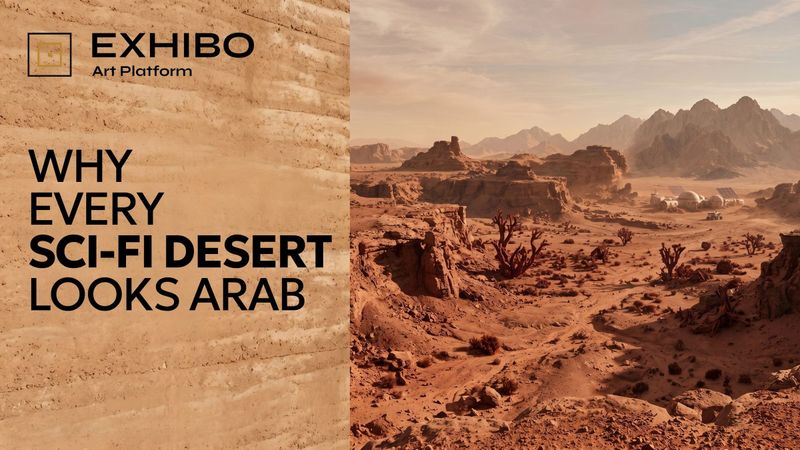
Why Every Sci-Fi Desert Looks Arab
From Arrakis to Tatooine, when a film wants a desert to feel ancient, prophetic and alien, it reaches for an Arab and Berber vocabulary — and reveals more about the West that built it than the region it borrows from.
The wrapped faces, the trilling women, the barely-displaced Arabic: cinema's alien deserts keep sounding Arab. But the vocabulary was assembled in the West — from Orientalist painting to Lawrence to Dune — and it says more about who is looking than about anyone being looked at.
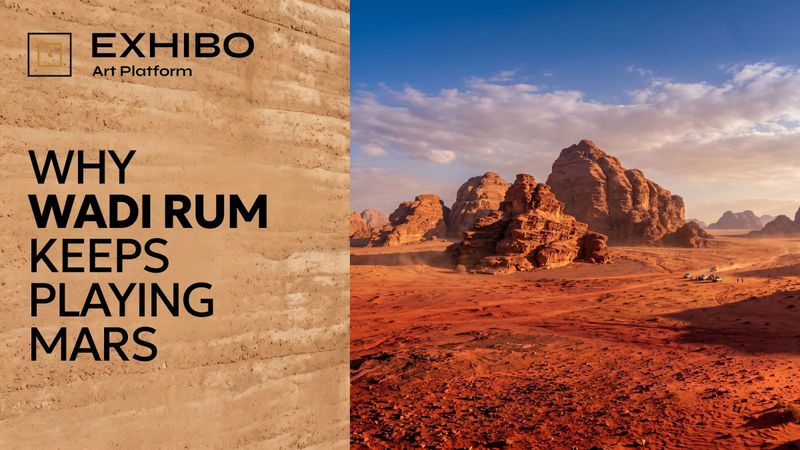
Why Wadi Rum Keeps Playing Mars: A Desert That Is Right About the Wrong Planet
A valley in southern Jordan has become cinema's favourite Mars — not because it is like the planet, but because it looks like the one we carry in our heads.
Put Wadi Rum beside a rover photograph and you can't tell which is Mars. But the desert shares almost nothing with the real planet except its colour — and lately, the illusion has grown powerful enough that real space missions have come to Jordan to rehearse.
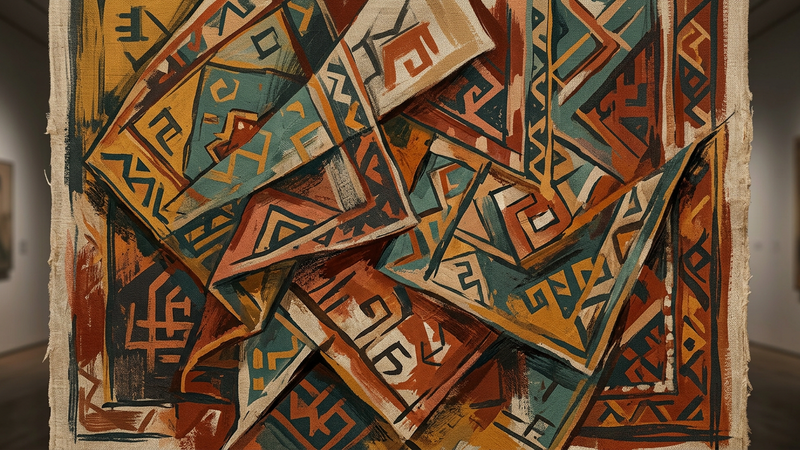
Threads of Heritage: Batima Zaurbekova's Woven Legacy
A survey of Kazakh tapestry pioneers redefines fibre art at Almaty's Kasteyev Museum
Eight decades after her birth, Batima Zaurbekova's textile innovations take centre stage in a major retrospective that bridges Central Asian craft and contemporary visual culture.