
Masdar City Central Park Camel Sculpture
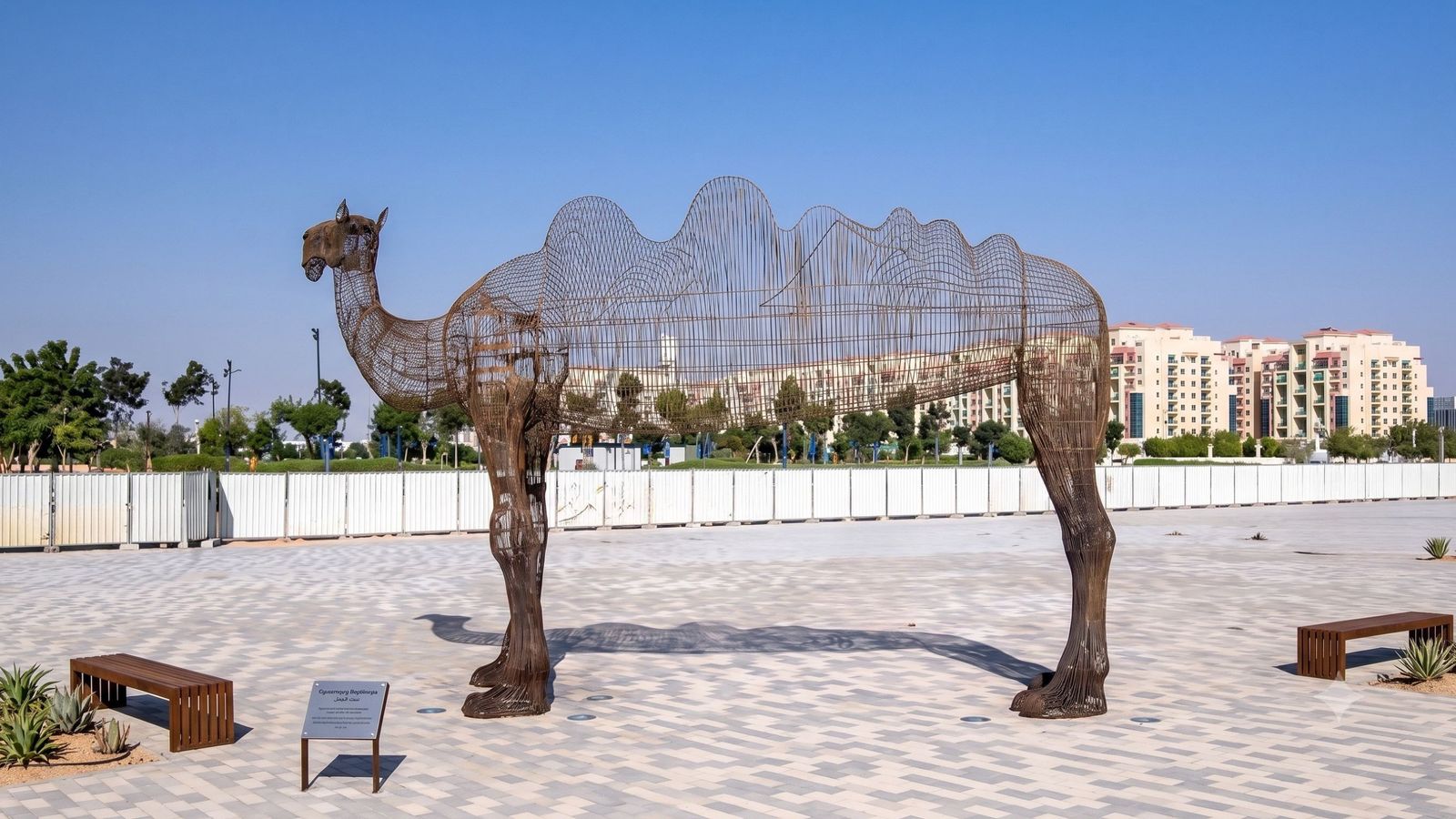
A camel in twisted metal with an impossibly stretched middle, standing in a solar-powered park.
A large camel sculpture stands among the greenery of Masdar City Central Park, on the eastern mainland near Khalifa City. Made from twisted metal, its defining feature is a dramatically elongated middle section, as though the animal has been stretched horizontally — a distortion that gives it an unusually graphic silhouette against the planting and makes it the park's most photographed object.
Its setting is the substance of the visit. Masdar City was conceived as a low-carbon urban development, and the Central Park extends that programme into public space: it is powered by solar, and threaded with educational features about environmental issues and sustainable living. The park includes shaded pathways, mini canals and water features, a dancing fountain lit at night, creative children's play areas, cafés, restrooms and prayer rooms, with free parking, shaded bays and EV charging. One much-noted detail is a set of swings that produce sound when used.
The park is free and open to the public, and is at its best in the evening during the cooler months, when the fountains and lighting come on.
Exhibo editorial
It is stretched, and nobody will tell you why or by whom. That is genuinely the situation with the Masdar camel — an object that every guide to Abu Dhabi public art includes and none of them can attribute, standing in a park built as an argument about carbon.
The stretching is the good part. A camel sculpture in the Gulf is close to a default setting; there are hundreds, most of them earnestly proportioned and instantly forgettable. Pulling the middle out until the animal reads as a horizontal line does something the accurate versions never manage, which is make you look twice. And it lands well here specifically, because the whole city around it is an experiment in taking a familiar thing — a neighbourhood — and distorting it to see what happens. Go in the evening when the fountains are lit, let the kids find the swings that make noise, and accept that the label is missing.
How to find it
In Masdar City Central Park, close to Masdar City Centre on the eastern mainland near Khalifa City, roughly fifteen minutes from Yas Island and close to Zayed International Airport. Free parking with shaded bays and EV charging is available beside the park; e-scooters can be hired on site for a small charge. The camel stands among the planting on the park's walking paths and is hard to miss. Two restaurants and several cafés sit within or beside the park. Free and open to the public — best in the evening in the cooler months, when the dancing fountains and lighting are on.
Similar places
All places
News by Exhibo
Editorial coverage on Exhibo
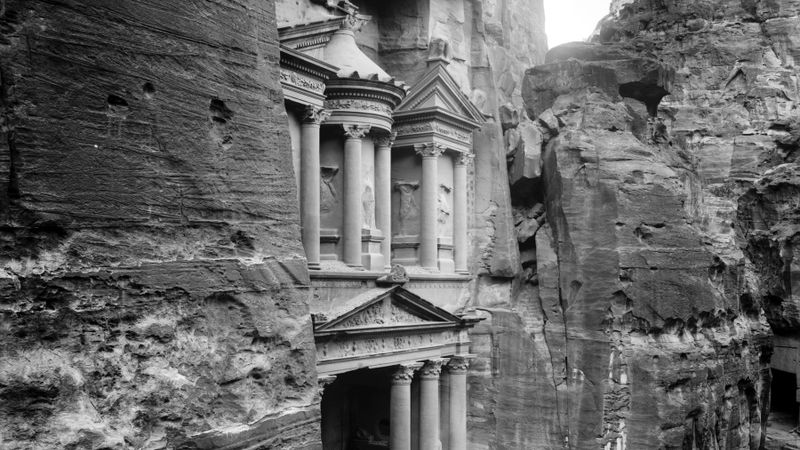
Filmed, but Not Recorded: The Arab World’s Missing Film Locations
Wikidata knows Gladiator was filmed in Morocco. It doesn’t know where.
Ouarzazate is the second most filmed place in the Middle East and North Africa, yet 25 of its 27 productions are recorded only in Wikipedia prose. We compared filming records worldwide and found that in the Arab world, Wikidata usually knows the country but not the place.
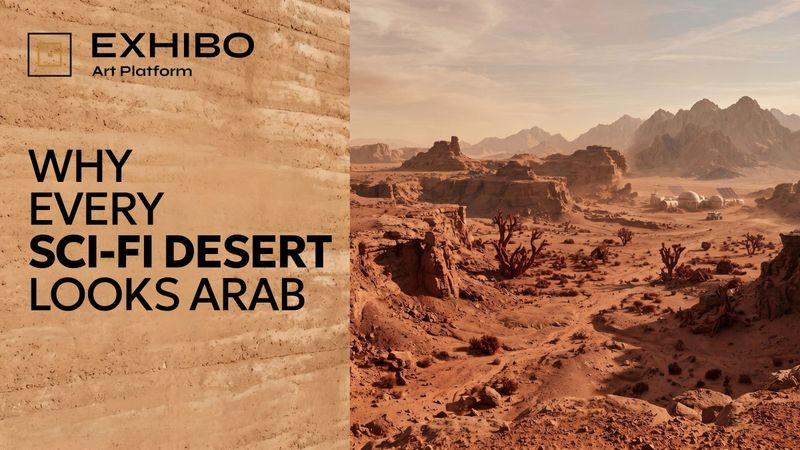
Why Every Sci-Fi Desert Looks Arab
From Arrakis to Tatooine, when a film wants a desert to feel ancient, prophetic and alien, it reaches for an Arab and Berber vocabulary — and reveals more about the West that built it than the region it borrows from.
The wrapped faces, the trilling women, the barely-displaced Arabic: cinema's alien deserts keep sounding Arab. But the vocabulary was assembled in the West — from Orientalist painting to Lawrence to Dune — and it says more about who is looking than about anyone being looked at.
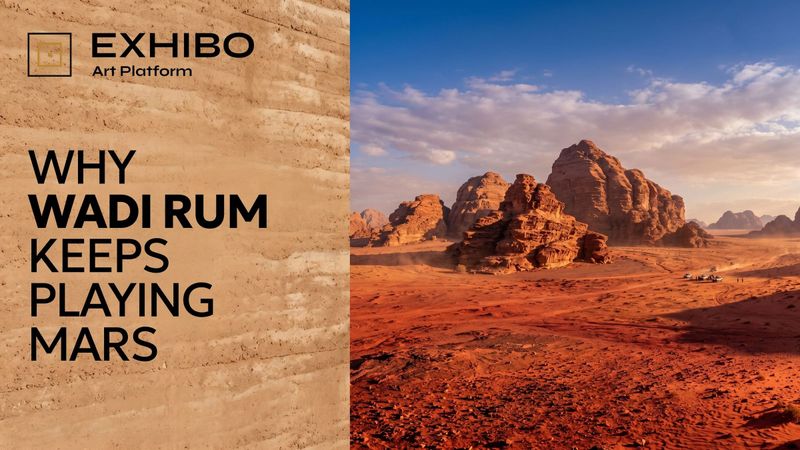
Why Wadi Rum Keeps Playing Mars: A Desert That Is Right About the Wrong Planet
A valley in southern Jordan has become cinema's favourite Mars — not because it is like the planet, but because it looks like the one we carry in our heads.
Put Wadi Rum beside a rover photograph and you can't tell which is Mars. But the desert shares almost nothing with the real planet except its colour — and lately, the illusion has grown powerful enough that real space missions have come to Jordan to rehearse.