There is no later. Later is here.

8 October 2026 — 28 March 2027

There is no later. Later is here.

The end of the world in the Arter Collection, curated by Delfin Öğütoğulları

Save show

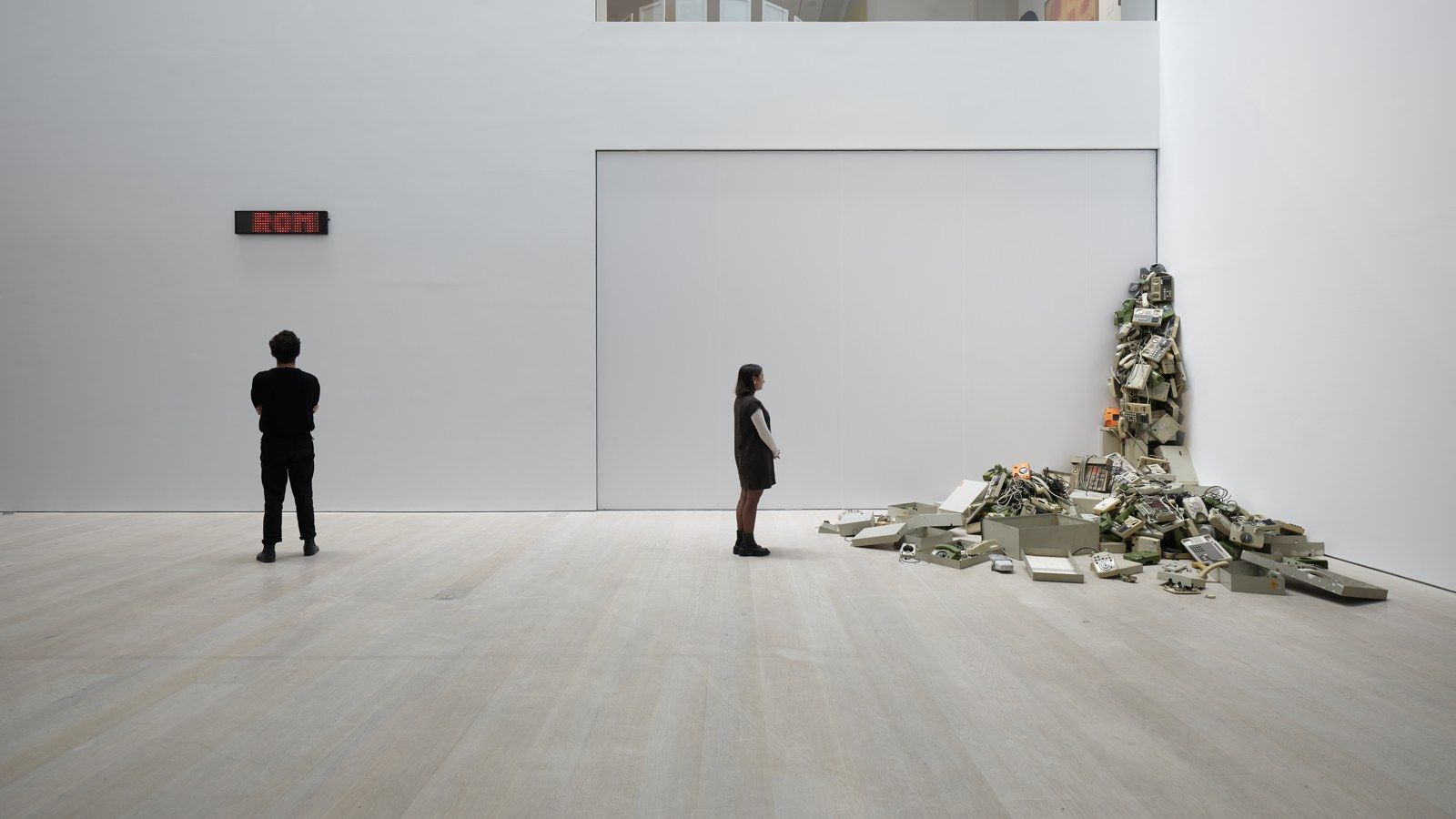
The end of the world has already come. Not the end of the planet but the end of the world we built, with its politics, systems and social orders. There is no later. Later is here. borrows its title from The Road by Cormac McCarthy and gathers works from the Arter Collection on the tragic, cinematic and often absurd sides of the end. The exhibition looks at how the idea of apocalypse is manipulated, turned into media and repeated. The Greek word once meant revealing. Today the familiar images of catastrophe hide slower forces that will outlast human presence on earth, from radiation to global warming. Among the artists is Halil Altındere with EXIT (2014).

Tickets

Included with museum admission

Check the museum profile for general admission details.

News by Exhibo

Editorial coverage on Exhibo

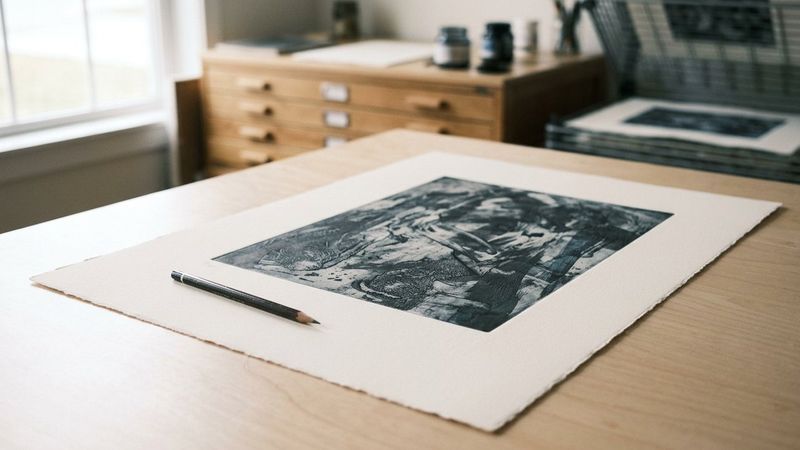
Printmaker’s table with a finished print, hard graphite pencil and edition fraction being written in the lower left margin
Guide

How to Sign and Number an Edition

Pencil layout, fraction numbering and AP/HC/PP marks so every impression in your limited edition reads as authorised studio practice

Sign and number limited edition prints with standard pencil placement: edition fraction left, optional title centre, signature right. Covers AP, HC, PP and BAT marks, 2H pencil habits, full-bleed and verso signing, workshop chops, a materials table, professional studio practice, costs and when to bring in a master printer or publisher.
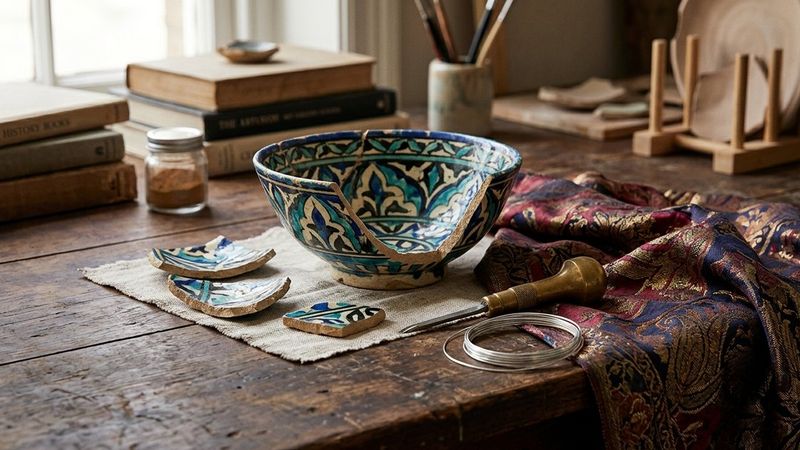
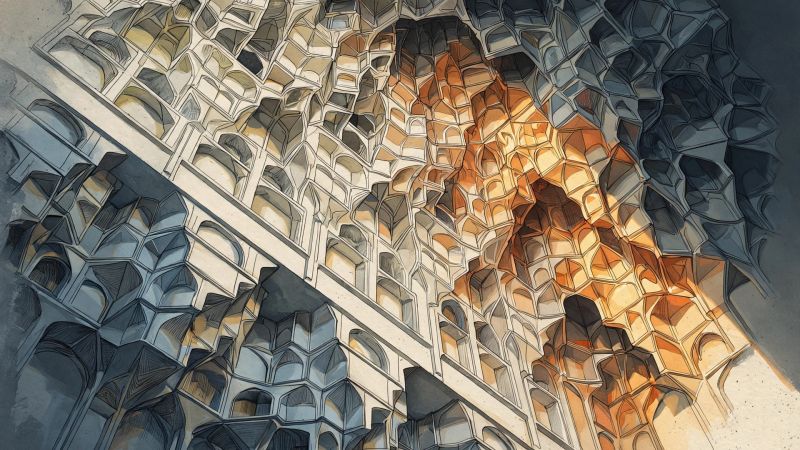
Workshop still life with Islamic ceramic bowl shards in cobalt and turquoise glaze, brass inlay tools and silk thread on a wooden bench in warm sidelight
Guide

Islamic Decorative Arts: Ceramics, Metalwork, Glass and Textiles

From Kashan luster bowls to Mamluk mosque lamps and Safavid silks: a museum survey of four luxury media with named works in London, New York and Doha

Islamic decorative arts are the portable luxury crafts of Muslim-ruled lands: pottery and tile, inlaid brass, enamelled glass, woven silk and knotted carpet. This survey follows workshop conditions, techniques and trade from Abbasid Iraq to Ottoman Istanbul, with four close readings and a media comparison table, while Iznik depth, arabesque theory and building programmes sit in sibling articles on the series hub.

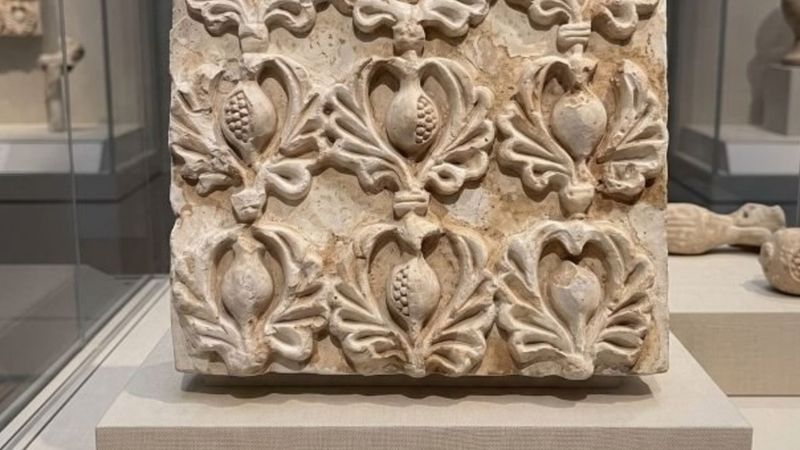
Sixth-century Sasanian moulded stucco panel showing a repeating pomegranate-in-palmette design, excavated near Ctesiphon, in the Metropolitan Museum of Art.
Editorial

The Fruit We Are Sure We Recognize

How the pomegranate became one of the most confidently named motifs in Islamic ornament — and one of the least confidently identified — across a thousand years of tile, silk and stucco, with meanings we mostly attached later.

A slab of sixth-century plaster in the Met shows a fruit you recognise at a glance: a pomegranate, and surely it means paradise. Hold that certainty up to the light and it dissolves. Across a thousand years of tile, silk and stucco, the pomegranate is the shape we name most confidently and identify least — blurring into the artichoke and the palmette, its meanings attached by later viewers, its very name partly a nineteenth-century invention

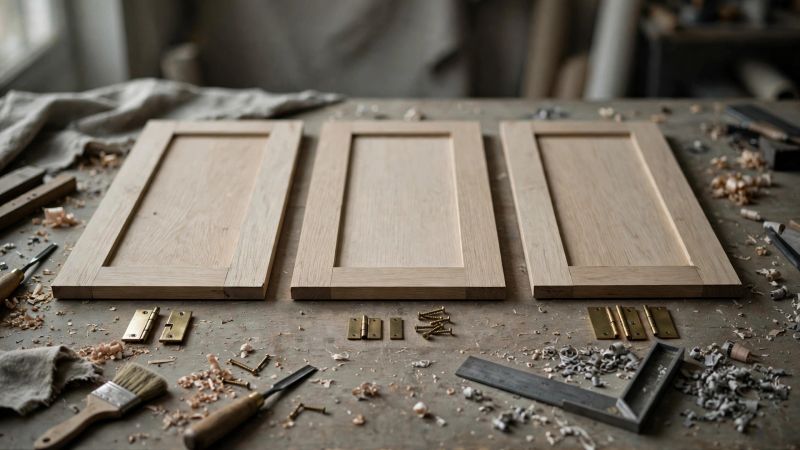
Workshop bench with three empty oak panels laid flat, brass pintle hinges and a cabinetmaker’s square beside them, cool north light, no figures.
Guide

Diptych and Triptych, Explained

Hinged panels, wings, and the move from Roman writing tablets to Bosch, van Eyck, and Rothko: how two- and three-part formats work as structure, not only as altarpiece lore.

A triptych is a work in three panels, often hinged so outer wings fold over a centre; a diptych uses two. This guide defines both formats and polyptych briefly, traces panel joinery and hardware, walks a workshop sequence, reads six museum examples including Bosch and Rothko, and notes how splits, warping, and bad hinges fail in storage.

Arter