Riyadh

Al Olaya

12 galleries · 0 museums · 0 places

About this district

Central Riyadh's business and shopping spine, and home to Al Mousa Centre — an eighties shopping complex on Olaya Street that now holds around twenty galleries under one roof. Concrete balconies with chamfered edges, blue windows, octagonal columns and latticed ceilings inside, and openings most evenings. The densest gallery-hopping in the city.

Galleries

Museums

No published museums in this district yet.

Places

No published places in this district yet.

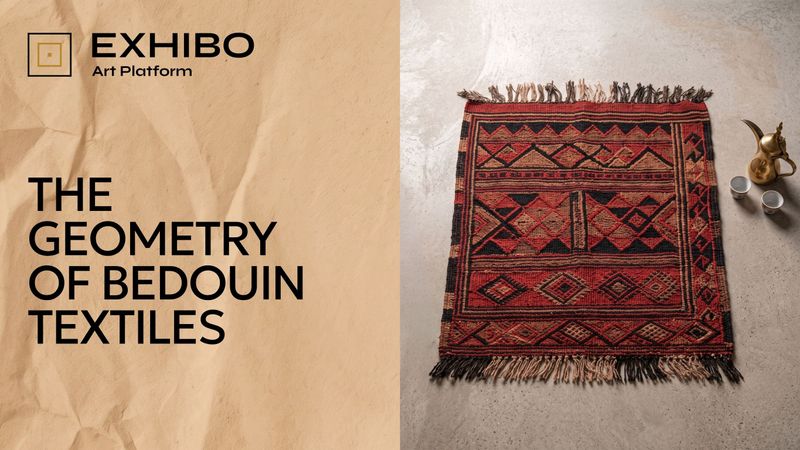
Handwoven Sadu textile with traditional Bedouin geometric patterns in red, black and brown
Editorial

Sadu Weaving: The Geometry of Bedouin Textiles

The geometry the Bedouin wove, and the women who carried it in memory because nothing was written down.

On a loom you stake into the sand, Bedouin women wove the interior world of the Gulf — tents, dividers, camel trappings — and threaded through the wool a geometry that carried tribe, family and meaning. A story of Sadu: the patterns and their names, the women who transmitted them without a single written word, and the quiet work of keeping the craft alive.
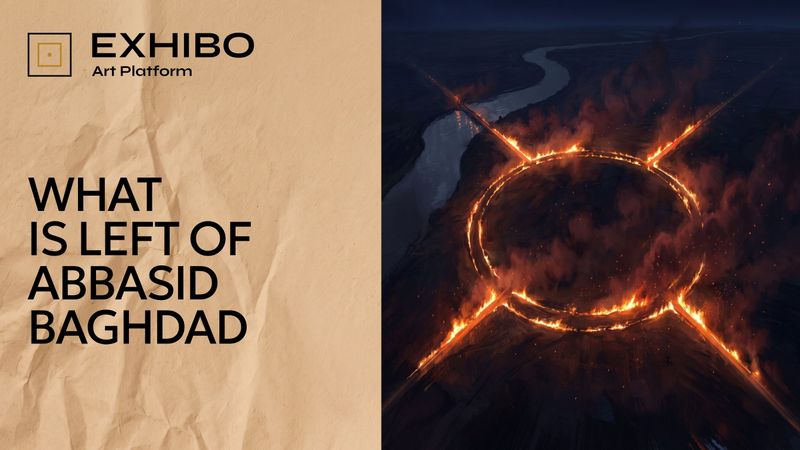
A vast circle of fire burning on a dark plain at night — the outline of a city with four radial roads, drawn in flame.
Editorial

The City With No Ruins: What Is Left of Abbasid Baghdad

A caliph drew his capital in fire, the Mongols erased it, and a video game rebuilt it out of Isfahan and Samarkand. What actually survives of Abbasid Baghdad, where it is, and who else has tried to put it back.

Climb a viewpoint in Assassin's Creed Mirage and you see the Round City whole — double walls, four gates, the green dome at the centre. Nobody has ever seen that view. No excavated remains have been securely identified as any of it. This is what is actually left of ninth-century Baghdad, where you would have to go to stand in it, and why Ubisoft was the second team to rebuild a city that no longer exists.

A cross-section of a medieval bathhouse: bathers above, and below them two horned fire spirits tending the furnace that heats the water.
Editorial

The Real Jinn: How the Middle East Imagined Them Before Disney

Seven kings, one for each day of the week. A portrait of Fever. Two spirits keeping a bathhouse warm. What the manuscripts actually show — and what the lamp replaced.

Folio 35v of a manuscript in Oxford shows the public baths at Tiberias in cutaway. Upstairs, people washing. Downstairs, two jinn tending the furnace, mid-conversation. It is not what most of the world expects — and it is much closer to what the unseen was actually understood to be for. A long read across twelve centuries of manuscripts, fieldwork, survey data and horror cinema.

Rammed-earth wall in warm ochre and terracotta tones, its colour running through the full thickness of the material rather than painted on the surface
Editorial

Why Desert Architecture Loves Earth Tones

In the deserts of North Africa and Arabia, ochre and terracotta were never a palette choice — they were what the wall was made of.

In most cities, colour is something you apply. In the old desert towns it was something you excavated — the red of Marrakech, the brown of Shibam and the gold of Diriyah all pulled straight from the ground underfoot. From iron-oxide chemistry to Hassan Fathy to the rammed-earth revival in Saudi Arabia, this is the story of a colour that outlived the place it came from.