
Hanoi · Vietnam
EVA 2: The Alien Self Opens in Hanoi, Staging AI as Both Collaborator and Question
Four young Vietnamese artists take over more than 860 square metres at L'Art Gallery, structuring the show around the four stages of how AI processes human data — recognition, classification, encoding, regeneration.
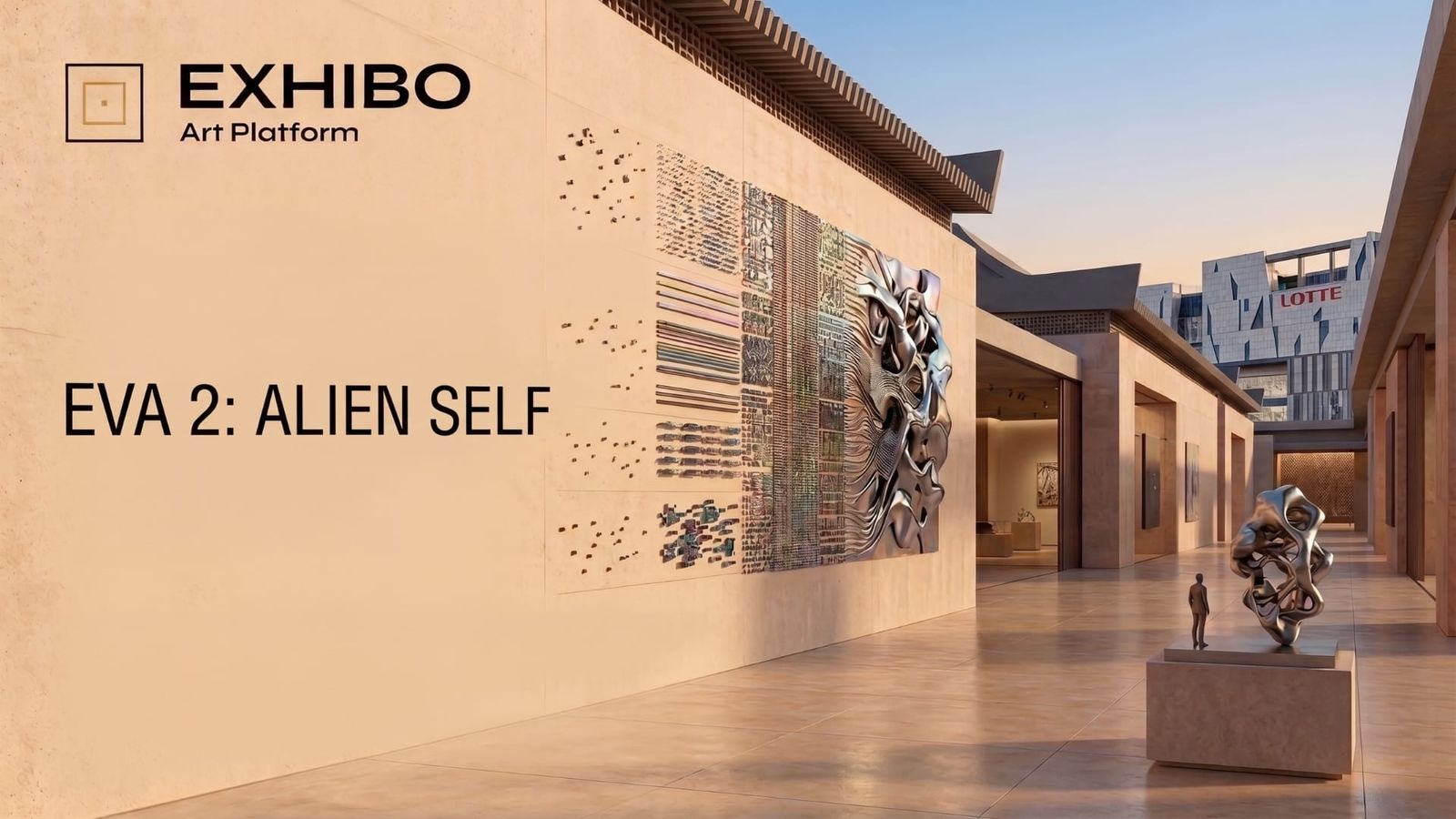
EVA 2: The Alien Self (Vietnamese title: Thể Lạ) opened on 17 July at L'Art Gallery, on the first floor of Lotte Mall West Lake in Hanoi's Tây Hồ district, marking the second edition of the EVA (Exposed Virtual Anonymity) series following its debut in Ho Chi Minh City. The exhibition runs until 25 July as part of the Hanoi Creative Design Festival 2026, and was organised by the Hanoi Department of Culture and Sports in partnership with the UNESCO Office in Hanoi.
The opening drew a notably high-level audience for a young artist showcase, with Vũ Thu Hà, Vice Chairwoman of the Hanoi People's Committee, Phạm Xuân Tài, Deputy Director of the Hanoi Department of Culture and Sports, Jonathan Baker, UNESCO's Head of Office in Vietnam, and Franck Bolgiani, Director of the French Institute in Hanoi, among those in attendance — alongside diplomats, cultural officials and practising artists.
PRACTICAL INFORMATION
Exhibition | EVA 2: The Alien Self (Thể Lạ) |
Venue | L'Art Gallery, Lotte Mall West Lake Hanoi |
Address | 272 Võ Chí Công, Tây Hồ, Hanoi |
Dates | 18–25 July 2026 |
Size | 860+ m² |
Artists | Gydient, YenJii, Antransax, Danestla |
Organisers | Hanoi Department of Culture and Sports, UNESCO Office in Hanoi |
Part of | Hanoi Creative Design Festival 2026 |
Structured Like an Algorithm
Spread across more than 860 square metres, the exhibition is deliberately built to mirror the stages an AI system moves through when it processes human data: Recognition, Classification, Encoding and Regeneration. Rather than a conventional thematic hang, the show functions as a kind of walkthrough — visitors move through the same sequence a machine-learning system would apply to a person's data, and are invited to reconsider, at each stage, how their own identity is formed, reflected and reshaped in the digital era.
Four young artists working across different creative disciplines contributed to the show: Nguyễn Trà Giang (known as Gydient), Võ Hải Yến (YenJii), Trần Đàm An (Antransax) and Nguyễn Phan Thảo Đan (Danestla), presenting work spanning painting, multimedia installation, image and sound.
Recognition: A Studio as a Starting Point
The first space in the sequence, Recognition, reconstructs the working studio of Gydient, a creative director based in Berlin. A desk, computer screens and creative reference material draw visitors into an environment where AI appears not as a threat but as a working collaborator — a system learning from how a person thinks, writes and creates in order to extend their working capacity. The installation raises a pointed question about independent thought and technological ownership at precisely the moment AI tools become embedded in everyday creative practice.
A Show About Responsible Use, Not Alarm
Under the title The Alien Self, the exhibition examines shifts in personal identity in an era of accelerating technology, at a point where the boundary between human, digital identity and artificial intelligence grows increasingly blurred. Through multimedia installation, image and sound, EVA 2 frames AI less as a threat to be resisted than as a tool that can meaningfully extend human capability — provided it is used consciously, responsibly and critically.
Speaking at the opening, Phạm Xuân Tài framed the exhibition's purpose in institutional terms: as digital technology and AI increasingly shape how culture is created, produced and accessed, new opportunities emerge alongside genuine questions of ethics and governance. He described the show as contributing to public understanding of AI's role in creativity, learning, research and business, and as a forum connecting experts, businesses, educators and cultural practitioners around these questions.
Part of a Wider UNESCO-Backed Programme
The exhibition is one component of a broader set of Hanoi Creative Design Festival 2026 activities addressing culture, ethics and creativity in AI use, with follow-on events planned around cultural governance, authorship and contemporary creative practice — an indication that Hanoi's cultural authorities are treating the AI-and-culture question as an ongoing policy conversation rather than a single showcase.
For a regional art scene increasingly engaging with AI-generated and AI-assisted practice, EVA 2 is a useful marker of how a state cultural body — working directly with UNESCO — is choosing to frame the technology publicly: not as spectacle, but as a subject requiring critical and ethical engagement from the artists and institutions working with it.
Galleries mentioned

Related reading
Hockney and Wu Guanzhong in Dialogue at Christie's Hong Kong
A pioneering non-selling exhibition explores shared landscapes and cross-cultural influences
M+M: The Day of the Mantis at the 16th Gwangju Biennale
Luxembourg Pavilion's immersive insect-centric film trilogy explores ecological anxiety and non-human perspectives
Birke Gorm: the evening and the morning and the night at the Gwangju Biennale
Austria's national pavilion reimagines a museum loft as a living archive of repurposed sculpture and hidden histories.